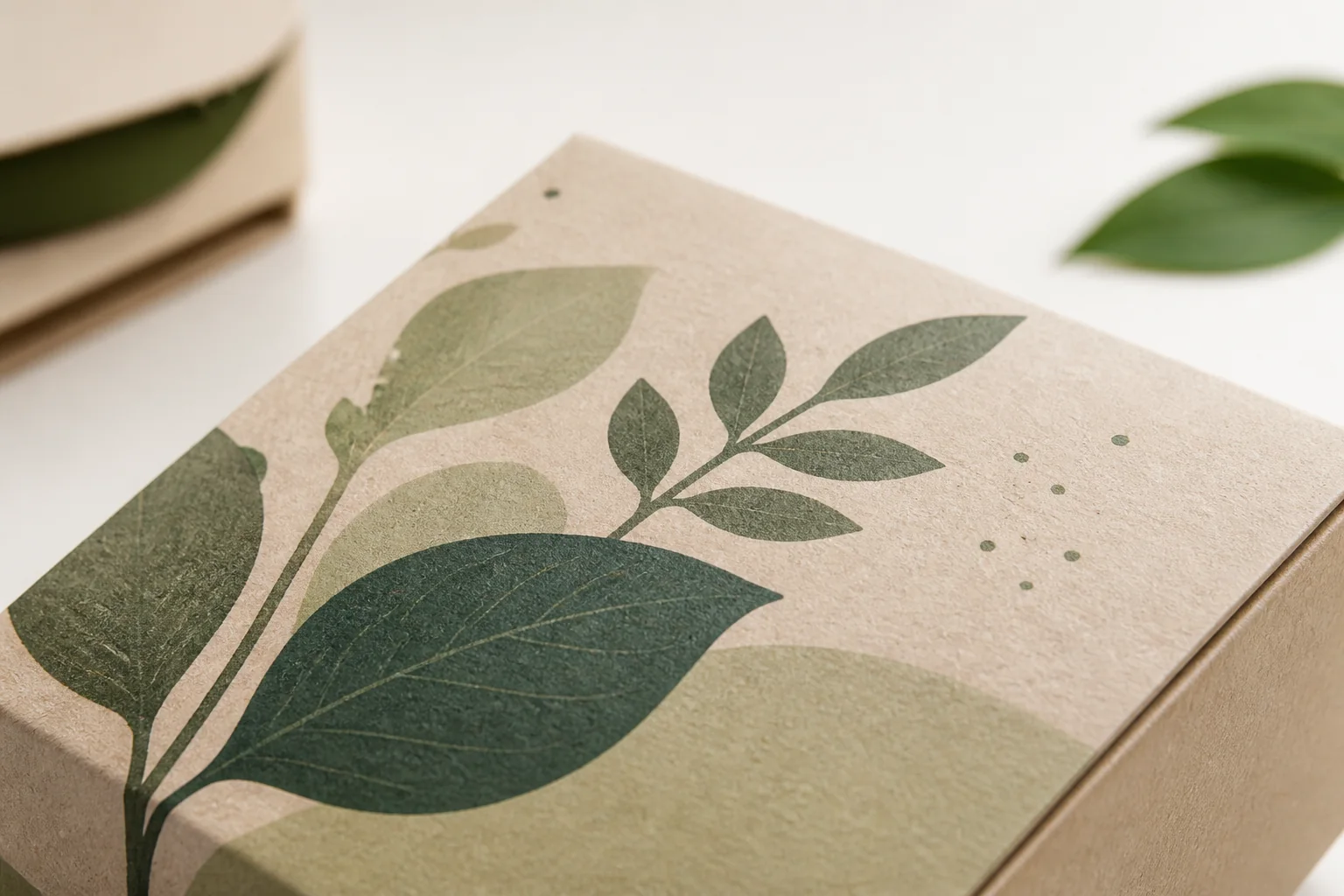
Manufacturing lever
Soy-Based Ink
Soy and vegetable-based ink routes can reduce reliance on petroleum-based ink systems for suitable print projects.
Referenced option library
Zero wasted space. Save 20% on shipping.
Custom sizing. No die or setup fees.
Skip DIY. Free expert design support.
Eco-friendly packaging
Sustainability claims need more than a natural-looking box. Buyers need material routes, certification options, print choices, and structures that reduce plastic without creating new performance problems.
Best for
Kraft boxes, molded pulp, recycled corrugated, compostable packaging, and FSC programs
Core risk
Unsupported claims, weak structure, print quality tradeoffs, and supply chain documentation
Factory route
FSC paper, soy-based ink, molded pulp, recycled board, and reduced-plastic inserts
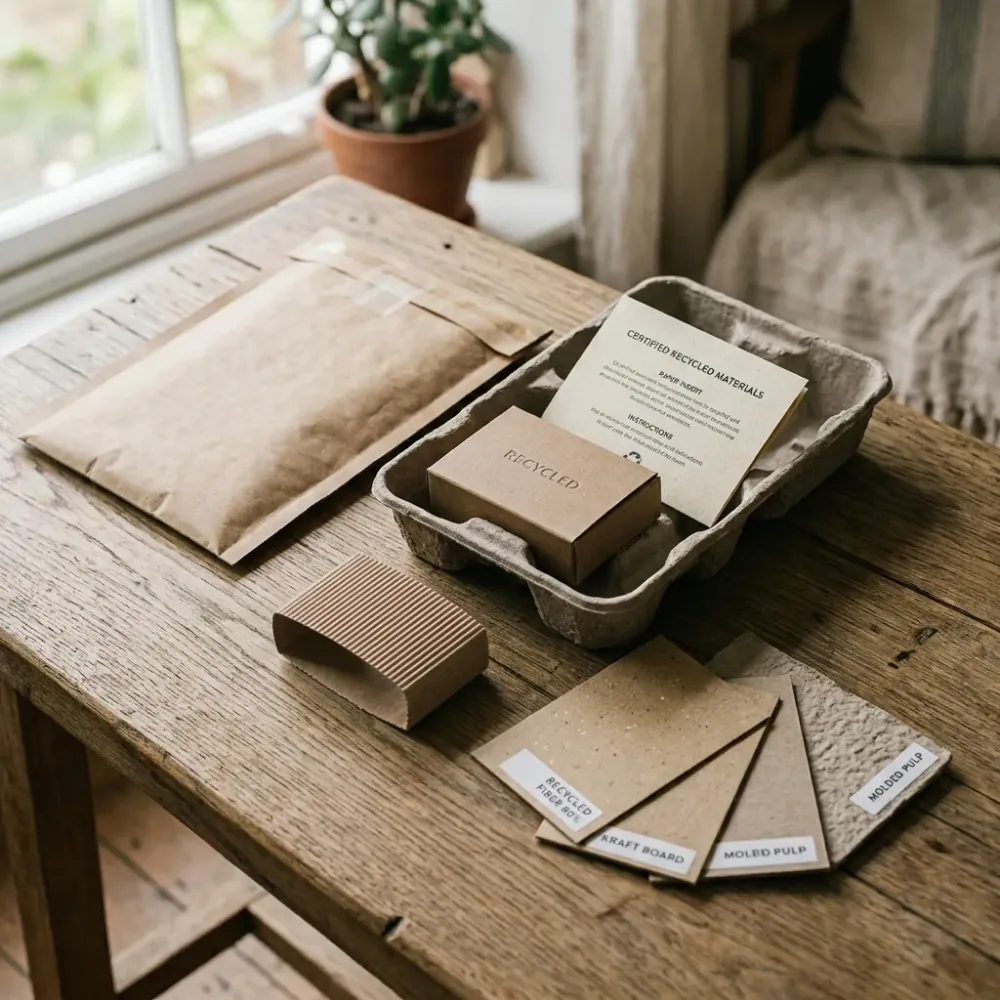
Box type matrix
Compare material-led packaging options before sampling, documentation, and production planning.
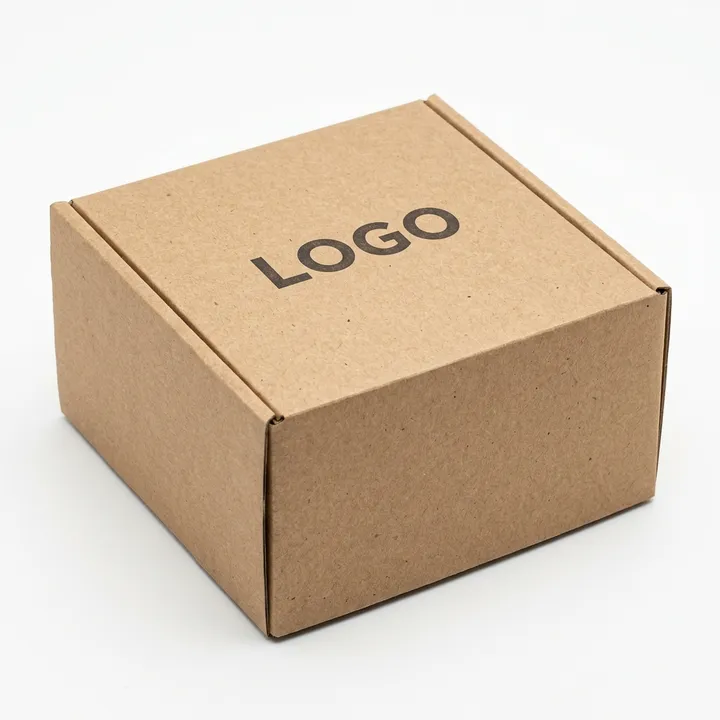
Natural paper look and lower-ink designs
Kraft paper packaging for brands that want a simple recyclable paper story and warm natural shelf presence.
Recommended structure
Kraft carton, mailer, or sleeve
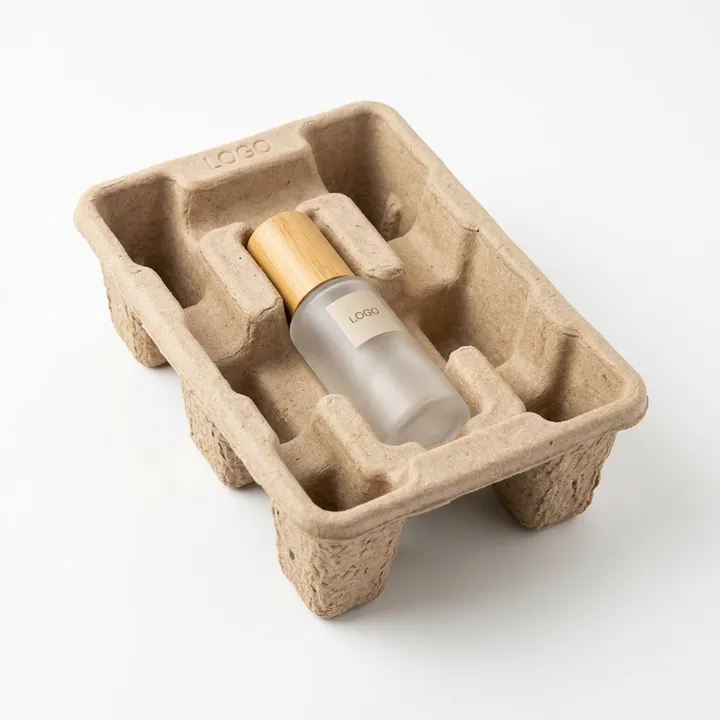
Plastic replacement inserts and protective trays
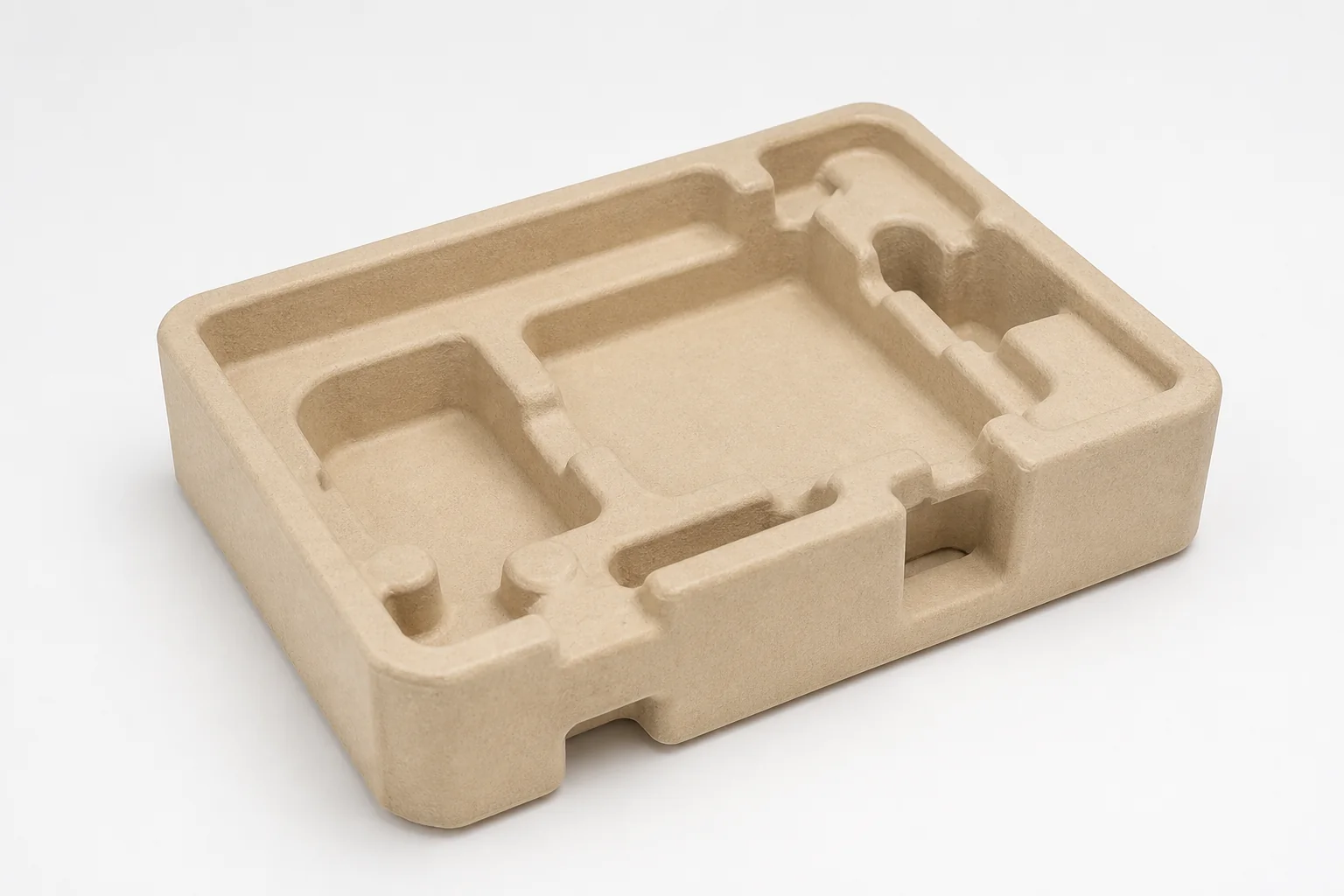
Paper pulp trays and protective forms for products that need cushioning without plastic foam.
Recommended structure
Wet-press or dry-press molded pulp
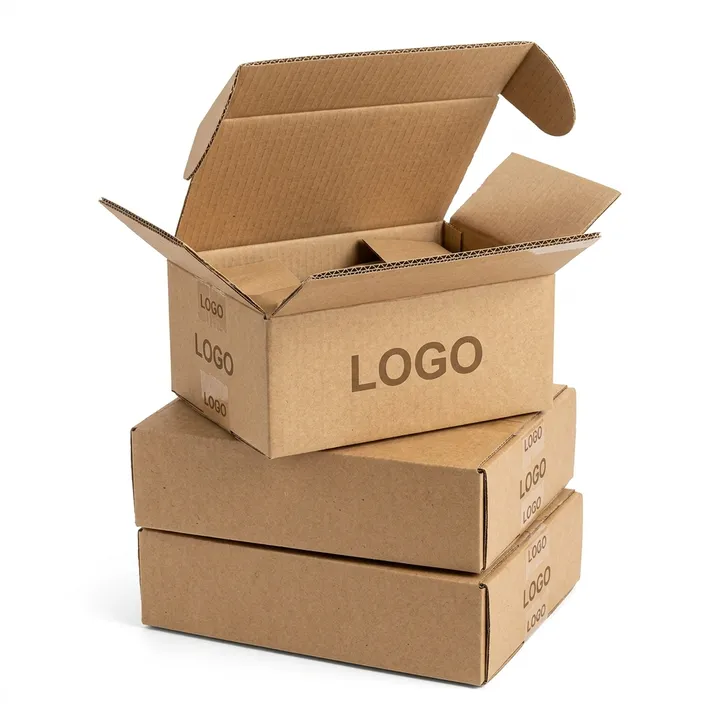
Shipping boxes and ecommerce mailers
Corrugated packaging routes that prioritize recycled board content and shipping strength.
Recommended structure
Recycled corrugated board mailer or carton
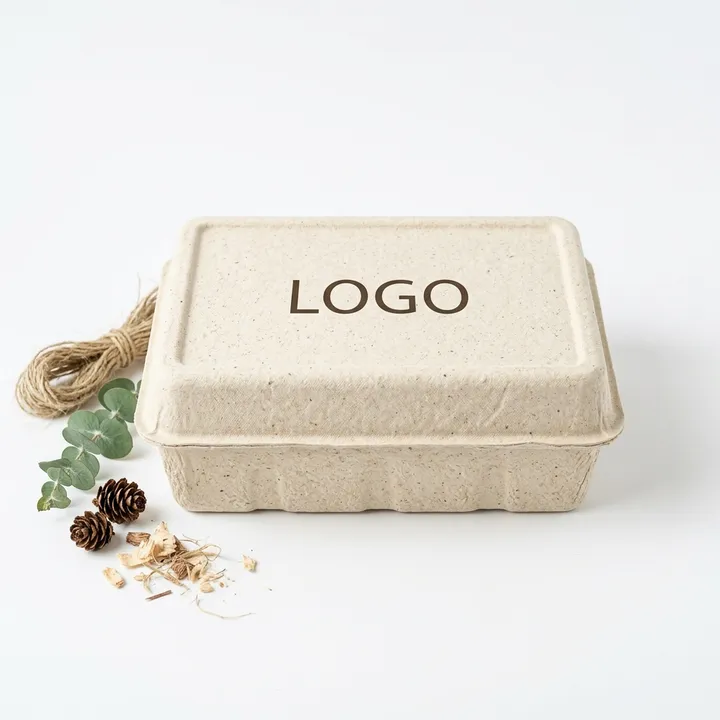
Programs with compostability requirements
Packaging options for buyers who need compostability discussions tied to material and local disposal realities.
Recommended structure
Compostable paper or fiber-based route
Documented responsible paper sourcing
FSC certified packaging routes for brands that need stronger paper sourcing documentation and procurement approval.
Recommended structure
FSC paperboard, kraft, or corrugated route
Buyer quick answer
Eco-friendly packaging should be specified by material, certification need, product protection, and end-of-life expectation. Kraft paper, recycled corrugated, molded pulp, soy-based ink, and FSC certified paper each solve different buyer concerns.
MOQ
Eco paper packaging commonly starts from 300 to 500 pcs; molded pulp tooling and quantity depend on tray complexity.
3D render and sampling
3D review can start in 1 to 2 business days; molded pulp and custom eco samples may need 7 to 12 business days.
Lead time
Bulk production commonly runs 15 to 30 business days depending on material, certification, print, and tooling requirements.
Certifications
FSC paper sourcing, ISO-aligned QC, recycling-focused material planning, and supplier documentation are available on request.
Factory capability
Eco packaging needs specific material names and documented choices, not vague green language.
Manufacturing lever
Soy and vegetable-based ink routes can reduce reliance on petroleum-based ink systems for suitable print projects.
Referenced option library
Manufacturing lever
Molded pulp can replace plastic trays or foam in many protective packaging applications while keeping a paper-based material story.
Referenced option library
Manufacturing lever
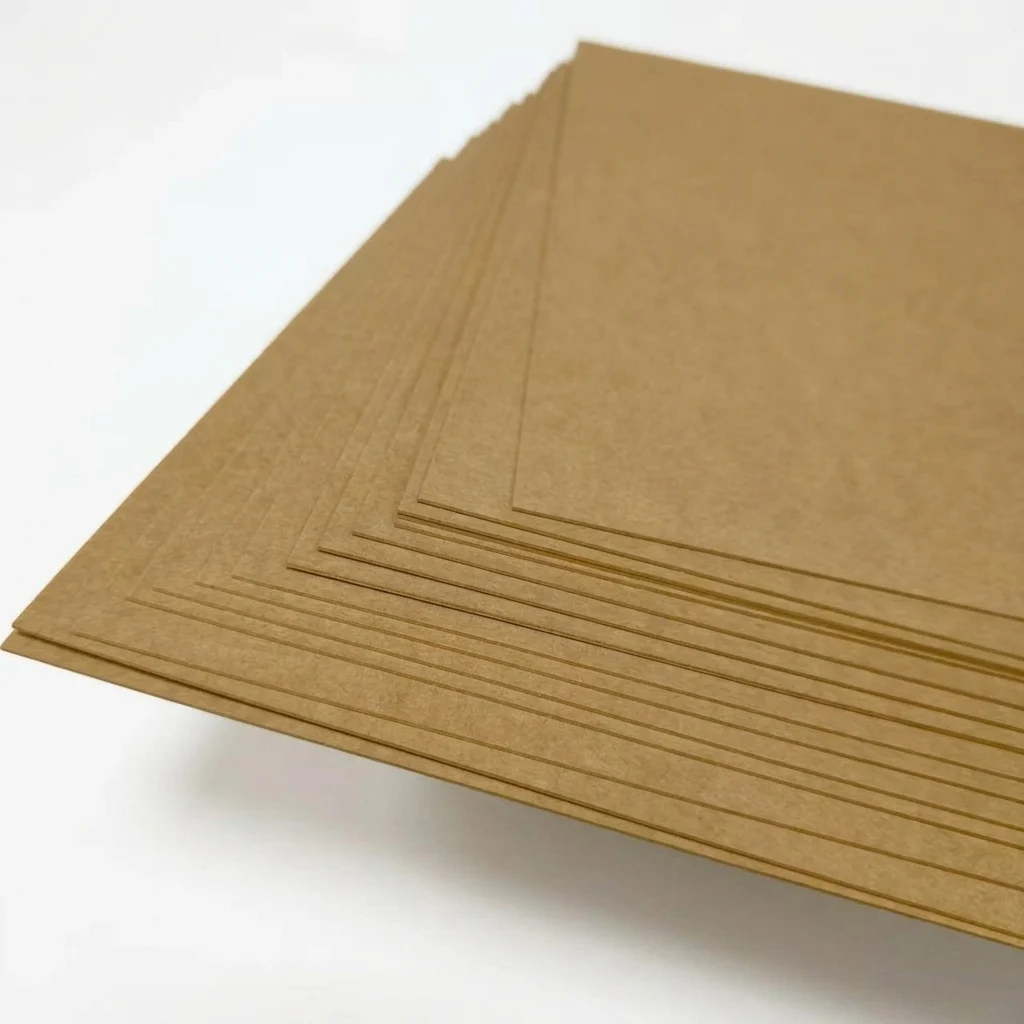
FSC certified paperboard and corrugated options can support procurement teams that require documented sourcing.
Referenced option library
Manufacturing lever
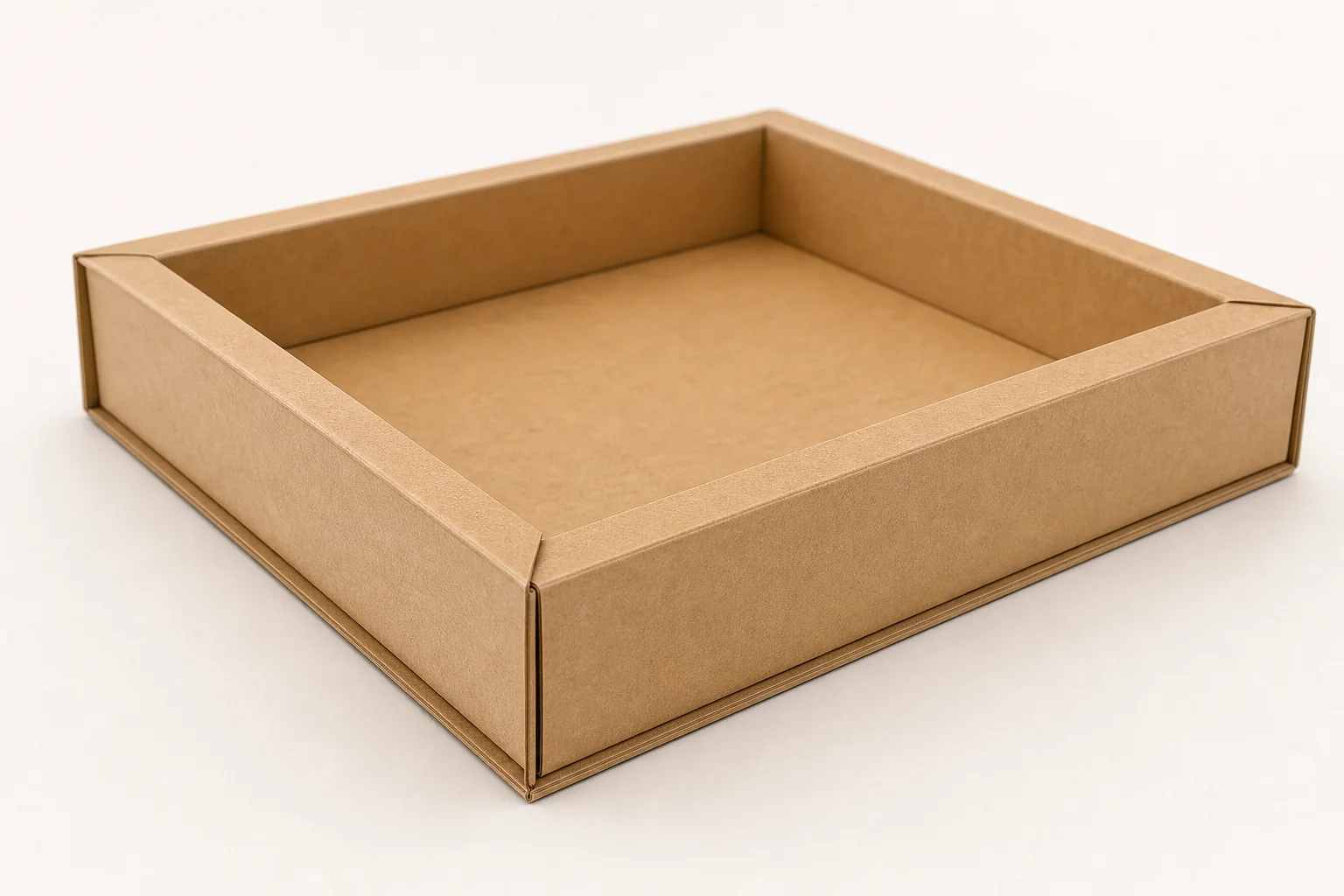
Paper inserts, locking tabs, mono-material cartons, and recyclable mailers help reduce unnecessary plastic components.
Referenced option library
Product size, artwork coverage, insert tolerance, sample approval, and delivery requirements all shape the final production plan.
Commercial use cases
Eco packaging buyers usually need a material claim that also works in production, shipping, and procurement review.
Application
Paperboard and molded pulp systems for replacing foam, blister trays, or plastic insert components.
Application
FSC paper packaging for brands that need sourcing documentation and cleaner shelf messaging.
Application
Recycled corrugated shipping boxes and mailers for DTC brands reducing virgin material use.
For B2B procurement, the same box style may need different board grades, insert depths, finishes, and packing tests depending on whether the project is retail, ecommerce, PR, or internal gifting.
Review structure supportFAQ
Compare common structure, insert, material, finish, and sampling questions before requesting a quote.
Start by identifying plastic components such as foam inserts, plastic trays, poly bags, windows, and lamination. Many can be replaced with paperboard, molded pulp, kraft paper, or water-based coating routes depending on product risk.
Not always. Kraft can be a good fit, but FSC paper, recycled corrugated, molded pulp, and low-ink designs may be better depending on product protection, print needs, and buyer documentation requirements.
Yes. Texture paper, restrained foil, embossing, clean dielines, molded pulp trays, and controlled print can keep the package premium while supporting a lower-plastic or certified paper route.
Need a more specific answer?
Send the product dimensions, target quantity, sales channel, and reference packaging so the team can qualify the structure before sampling.
Quote preparation
Share product dimensions, quantity, target market, artwork status, material preference, and the box type you are comparing. YATBRAND can help narrow the route before sampling.
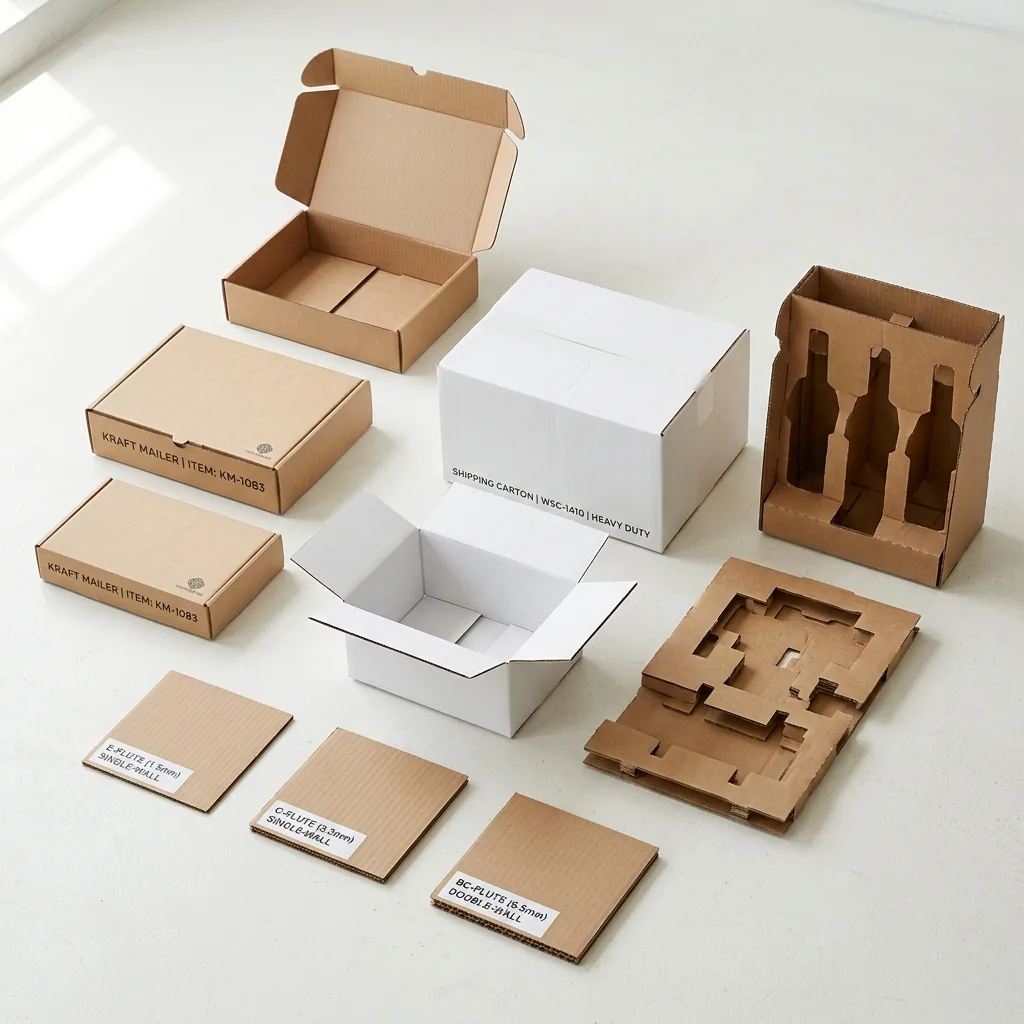 Corrugated Boxes Choose the corrugated box route by shipping risk, product weight, print needs, insert fit, and the opening experience your customer should receive.
 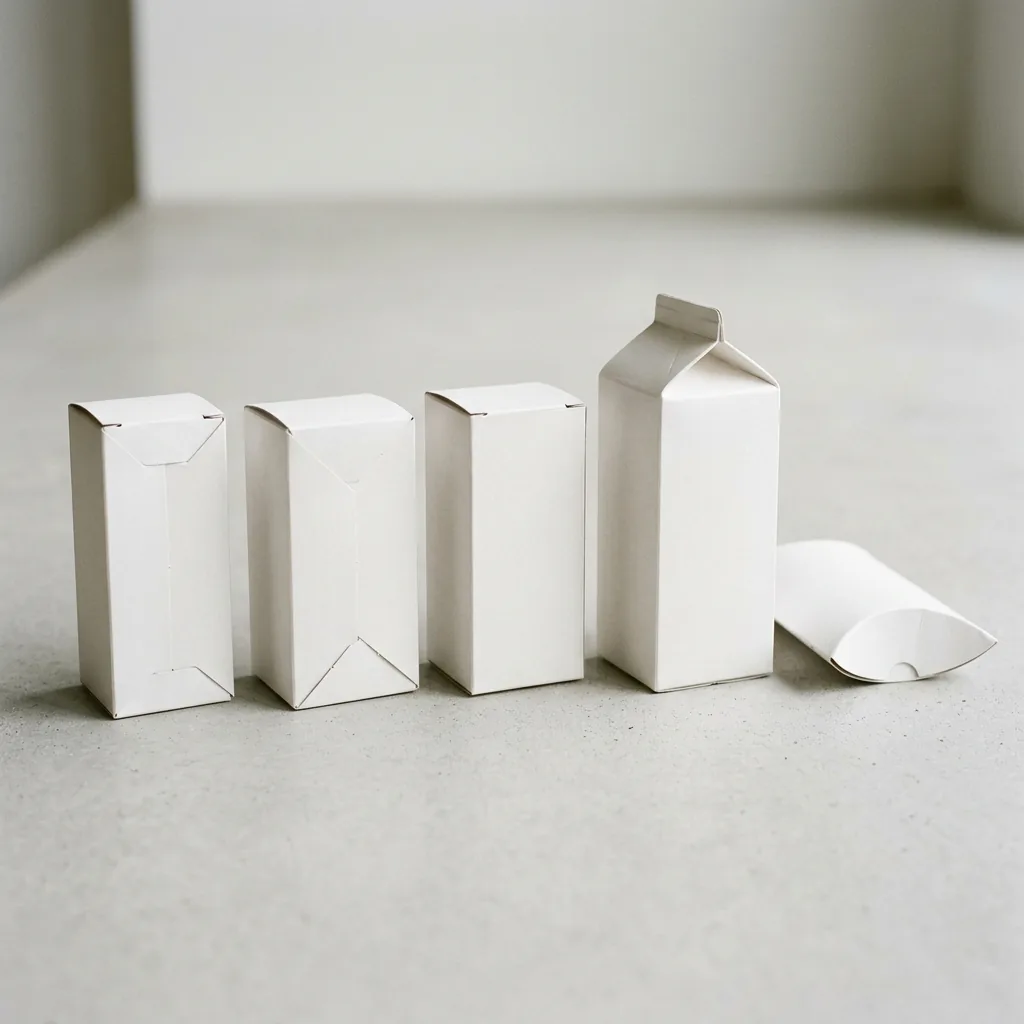 Folding Cartons Compare paperboard carton styles by structure, product fit, material, print area, and production use before choosing a quote-ready packaging path.
 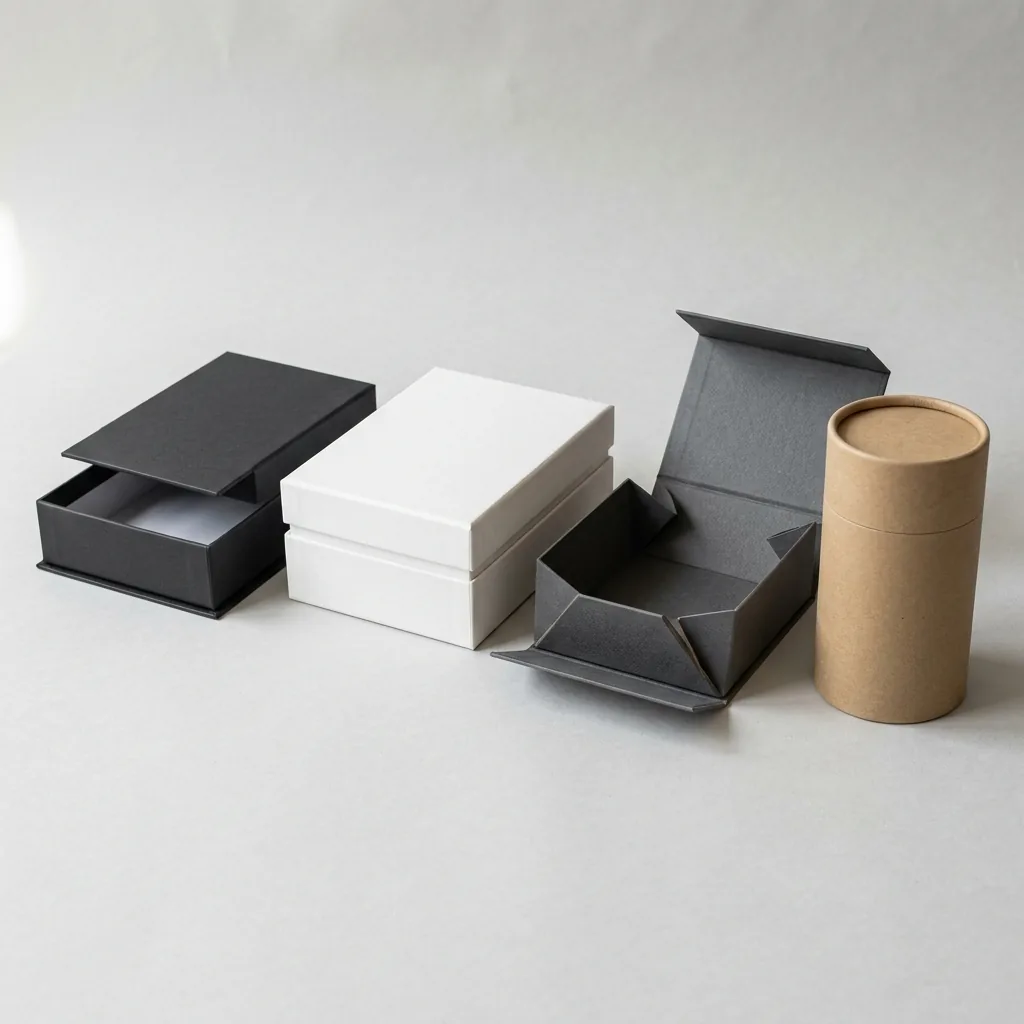 Rigid Boxes Choose rigid boxes when the packaging needs a stronger gift-box feel, durable presentation, premium surface finishing, and a more controlled opening experience.
 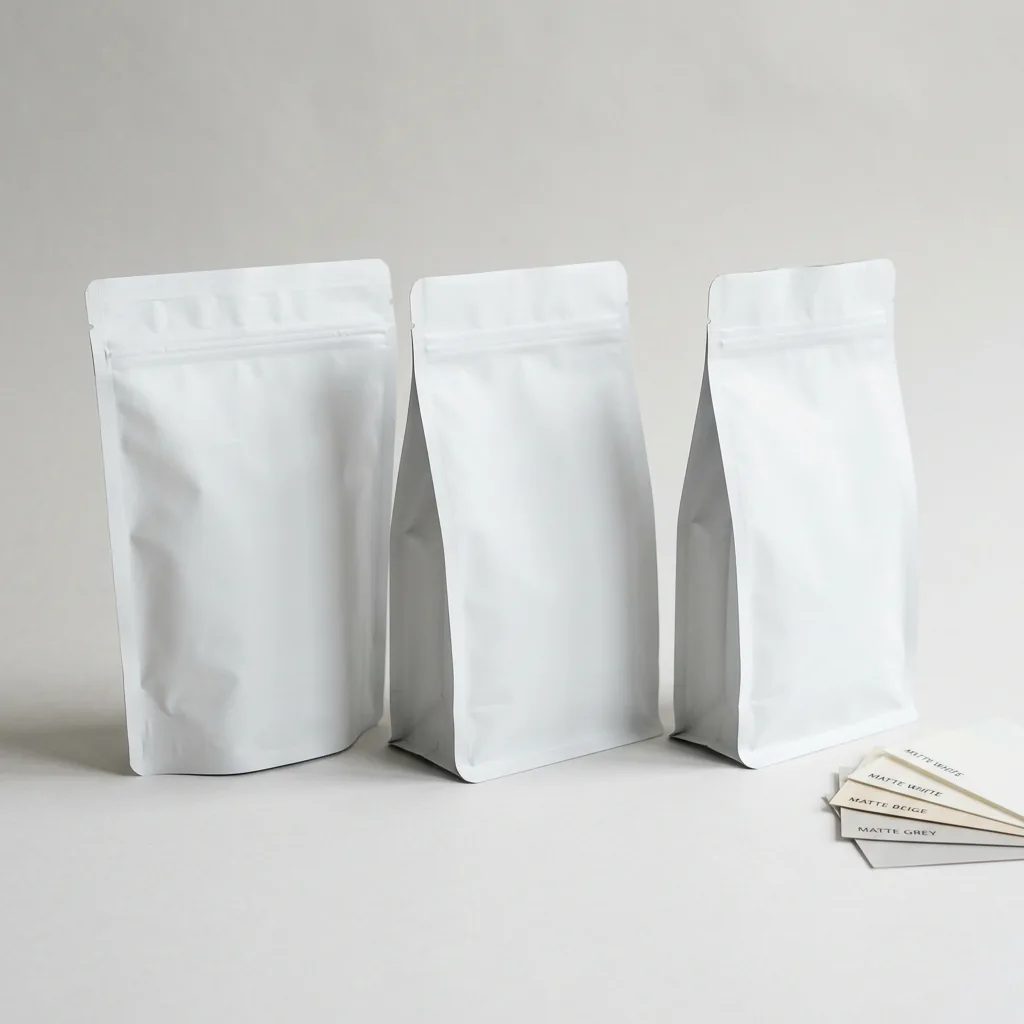 Flexible Pouches Use custom pouches when the packaging needs to stay light, portable, resealable, shelf-friendly, or efficient for food, refills, masks, samples, and pet products.
 Product structures
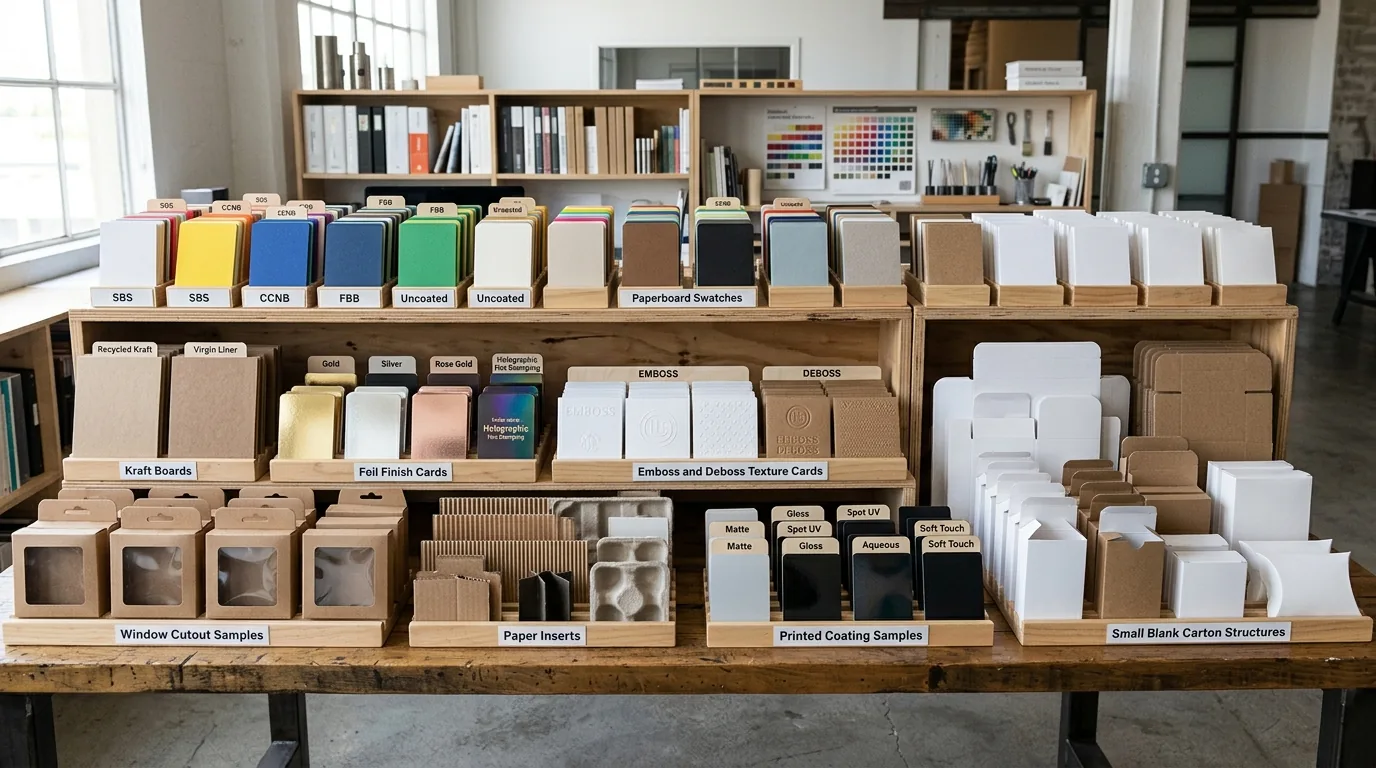
Option Library
Browse materials, print methods, finishes, inserts, and packaging features before choosing a structure.
Browse all options Cosmetics & Skincare Packaging routes for skincare launches, beauty refill sets, cosmetic retail units, and premium PR kits.
  Food & Beverage Packaging Packaging routes for coffee pods, tea, cookies, confectionery, bakery products, snacks, and gift assortments.
 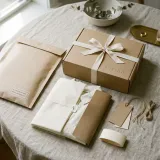 Apparel & Fashion Mailer, pouch, wrap, and gift-ready packaging directions for fashion and lifestyle products.
 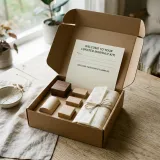 Subscription Boxes Packaging ideas for recurring kits, campaign boxes, sample programs, and DTC launch testing.
 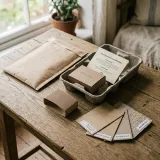 Eco-Friendly Packaging Paper-based structures, recycled boards, FSC options, and lower-plastic packaging paths.
 Solution paths
Solution paths
Solution paths
Solution paths
Solution paths
Inspiration Library
Get inspired by browsing creative packaging concepts and see how brands from your industry are designing their packaging.
Browse inspiration library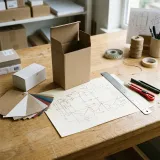 Services overview Compare design, customization, production, and eco support before choosing a project route. Packaging Design Turn a product idea into packaging that is ready for sampling, shelf presentation, and production.
 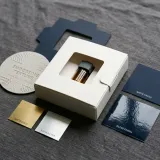 Packaging Customization Dial in every detail, from board choice and finish to window cutouts, inserts, openings, and small functional touches.
 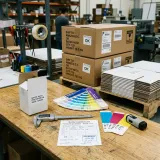 Packaging Production Move from approved sample to reliable production with global sourcing, low minimums, and pricing built for growing brands.
 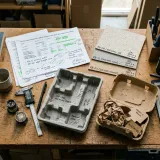 Eco Support Build packaging with clearer sustainability choices, including FSC paper, recycled board, soy-based ink, and plastic-reduction options.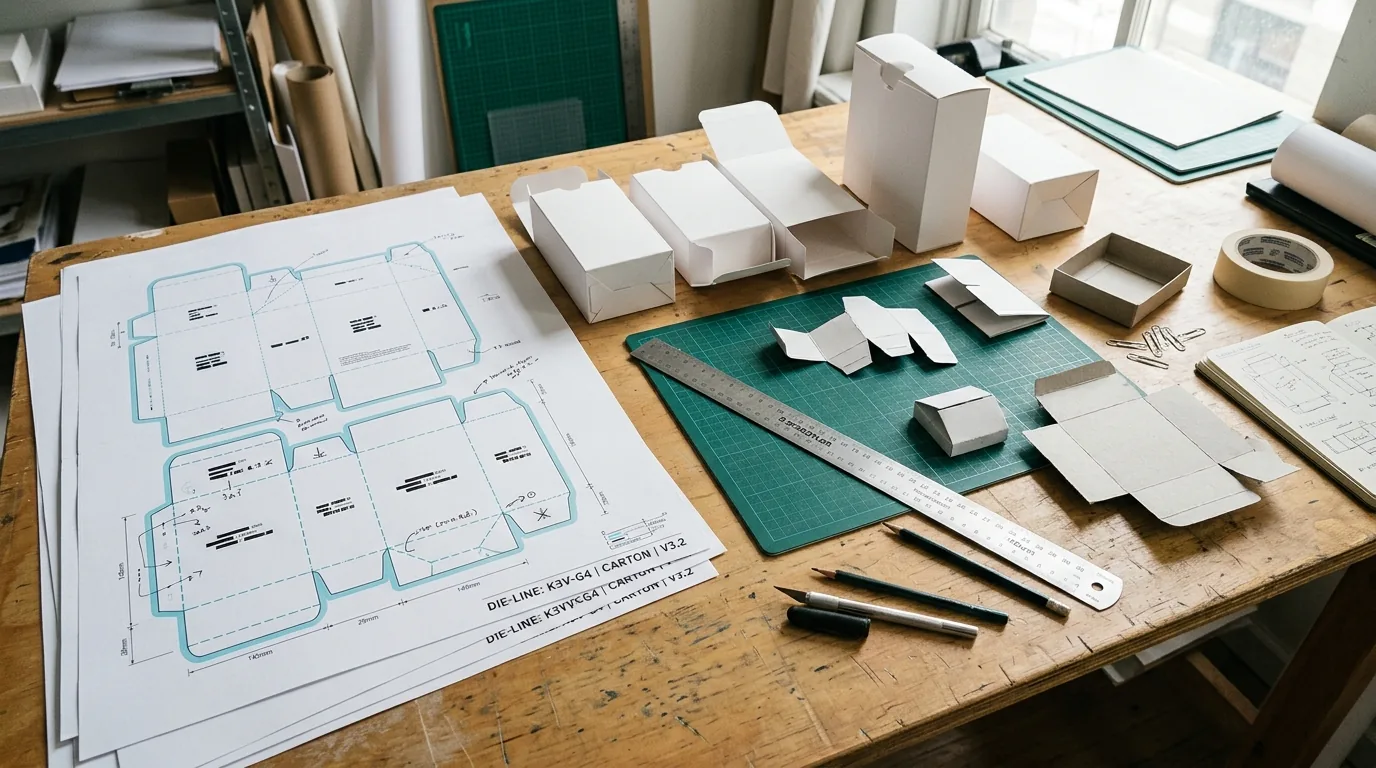
Download 2000+ Templates & Dielines
2000+ customizable packaging templates and dielines, with 3D mockups. 100% customizable. 100% downloadable.
Learn more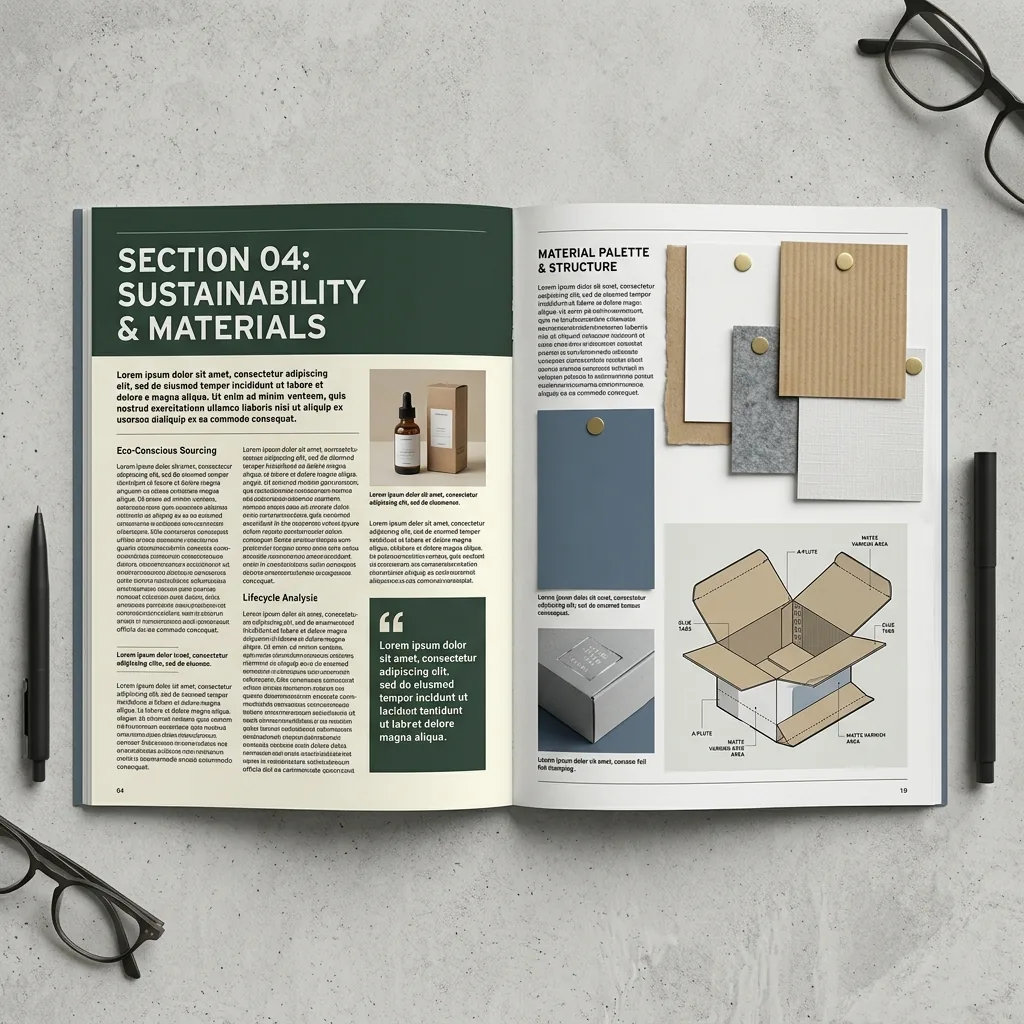 BLOG Read packaging ideas, buyer guides, and material explainers for custom projects.
 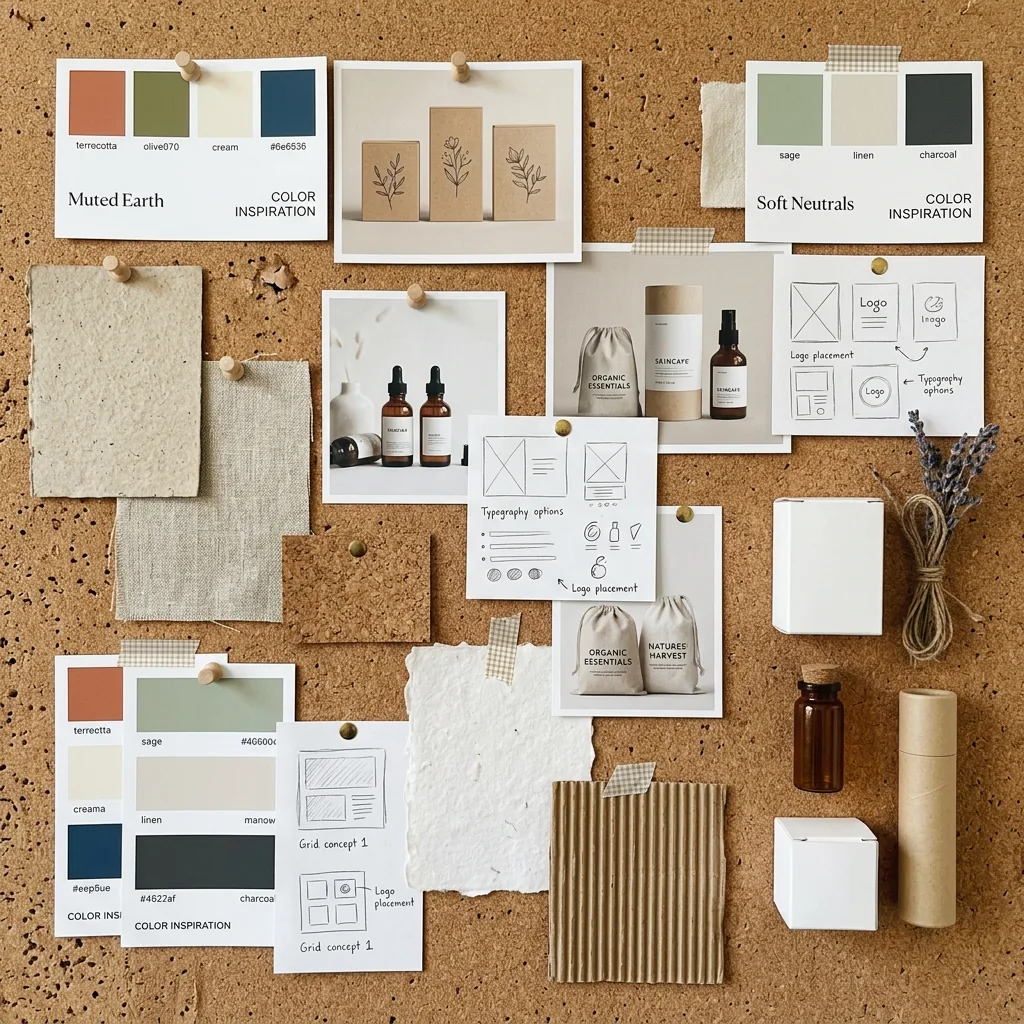 Case Studies Review detailed packaging structures, materials, finishes, fit checks, and production decisions.
 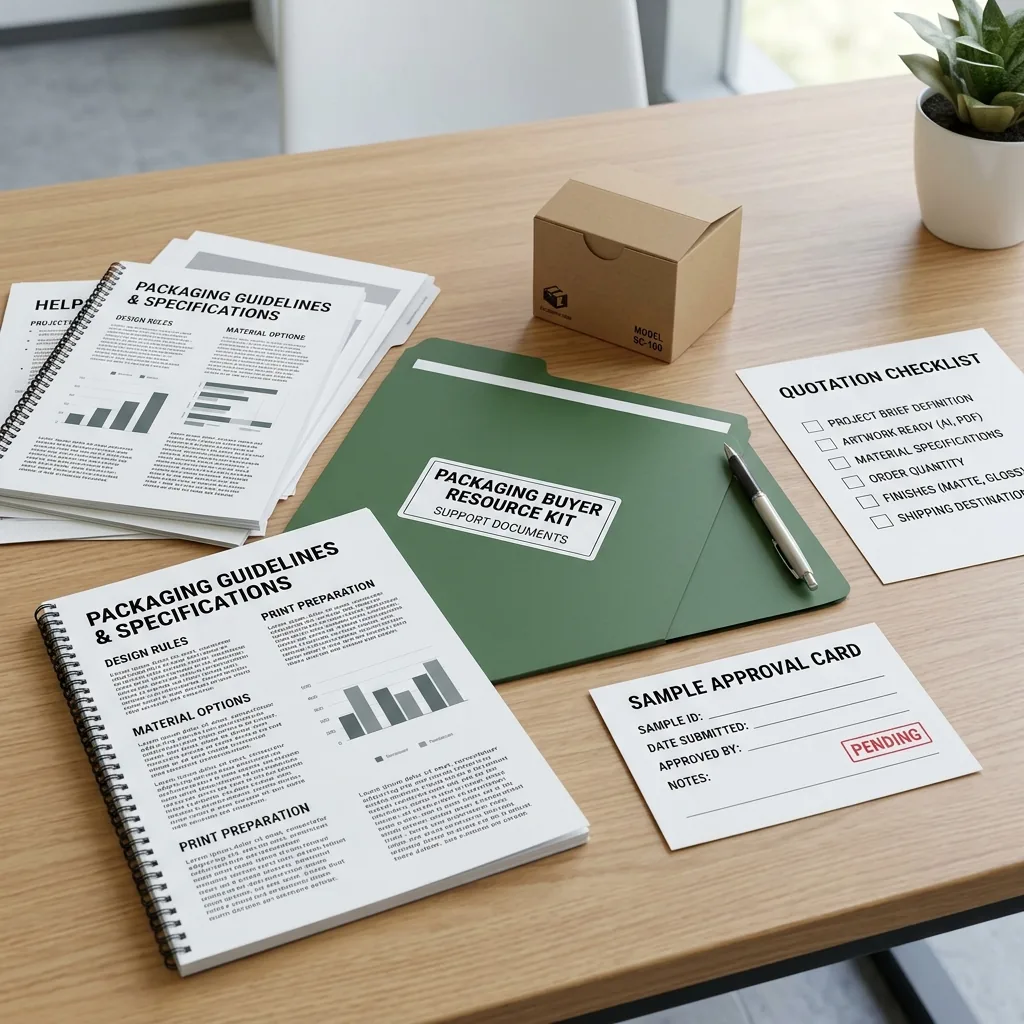 Help Center Find answers for artwork, quotes, samples, production timing, and delivery support. Inspiration Library Browse packaging concepts, industry examples, and launch-ready design directions.
 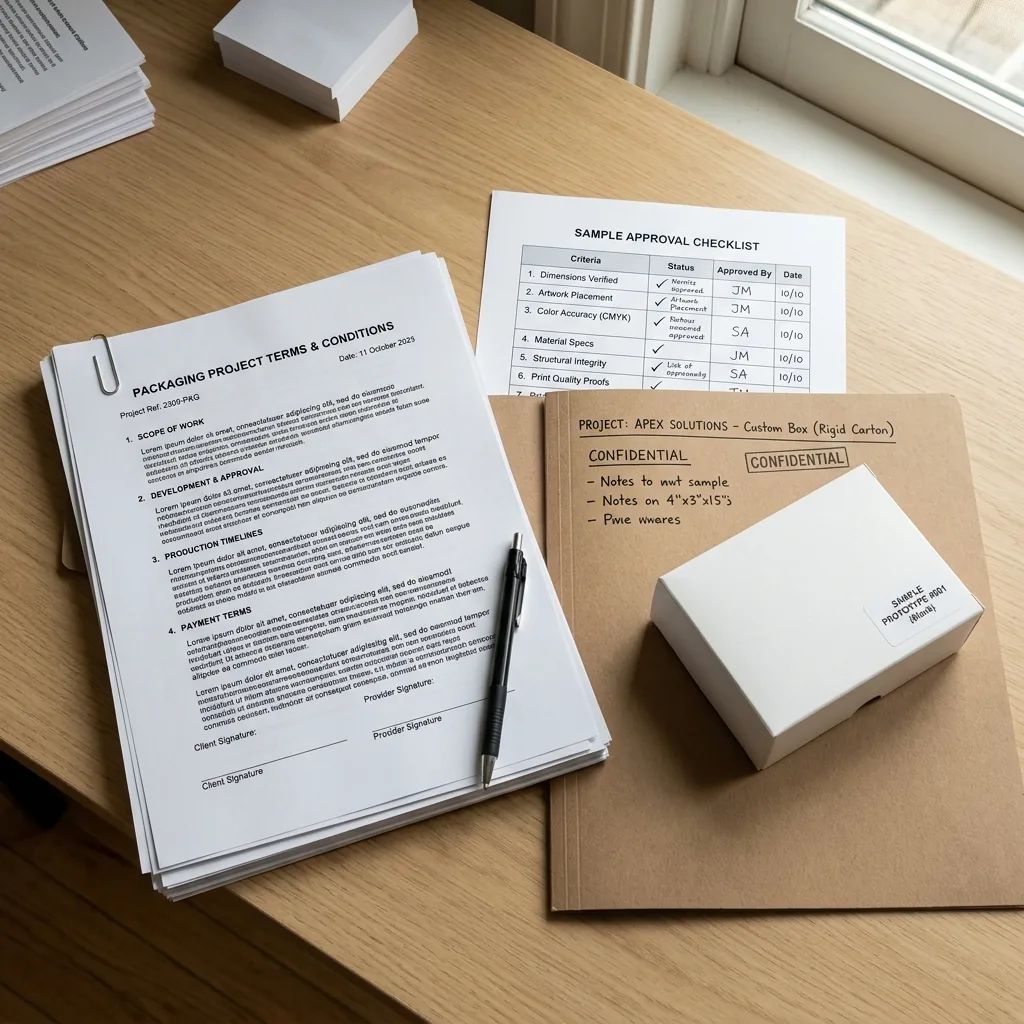 Terms & Conditions Review project, ordering, production, delivery, and website usage terms.
 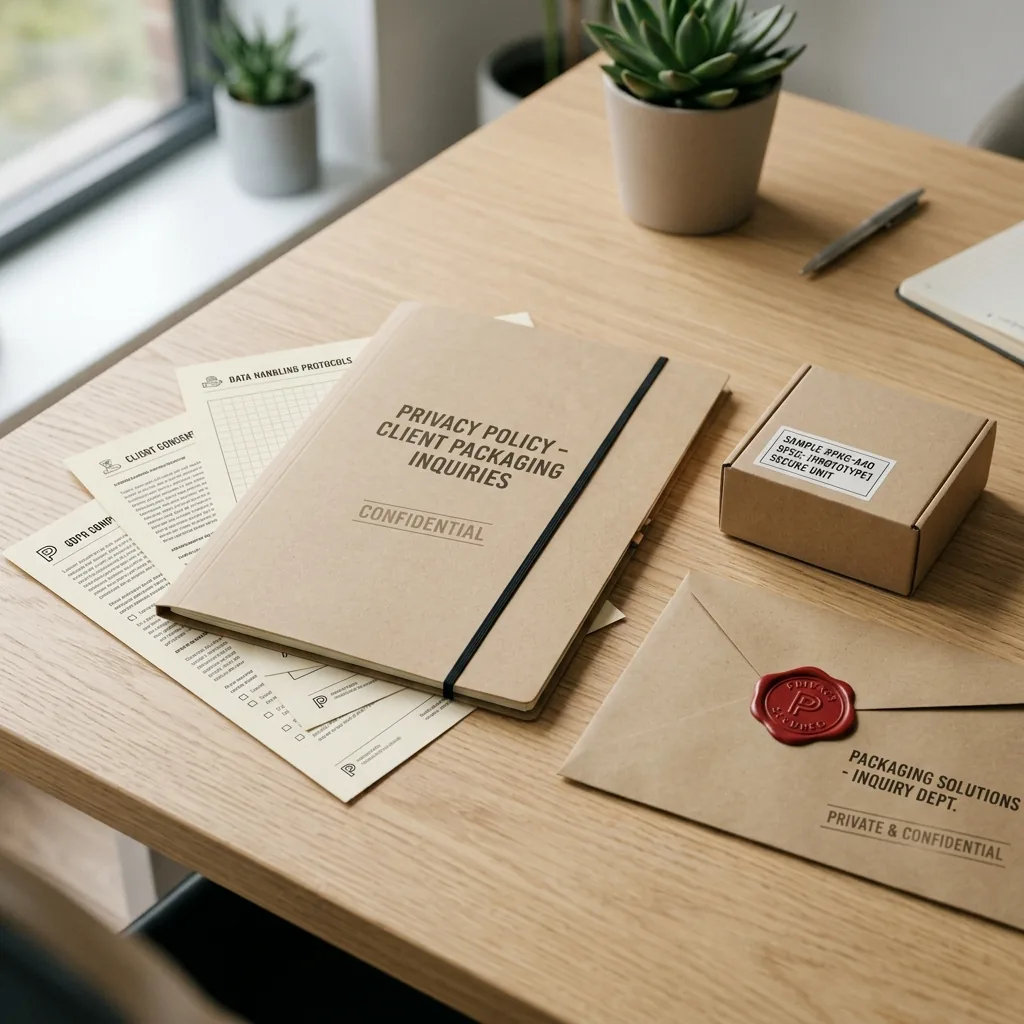 Privacy Policy See how customer details, quote inquiries, and project information are handled.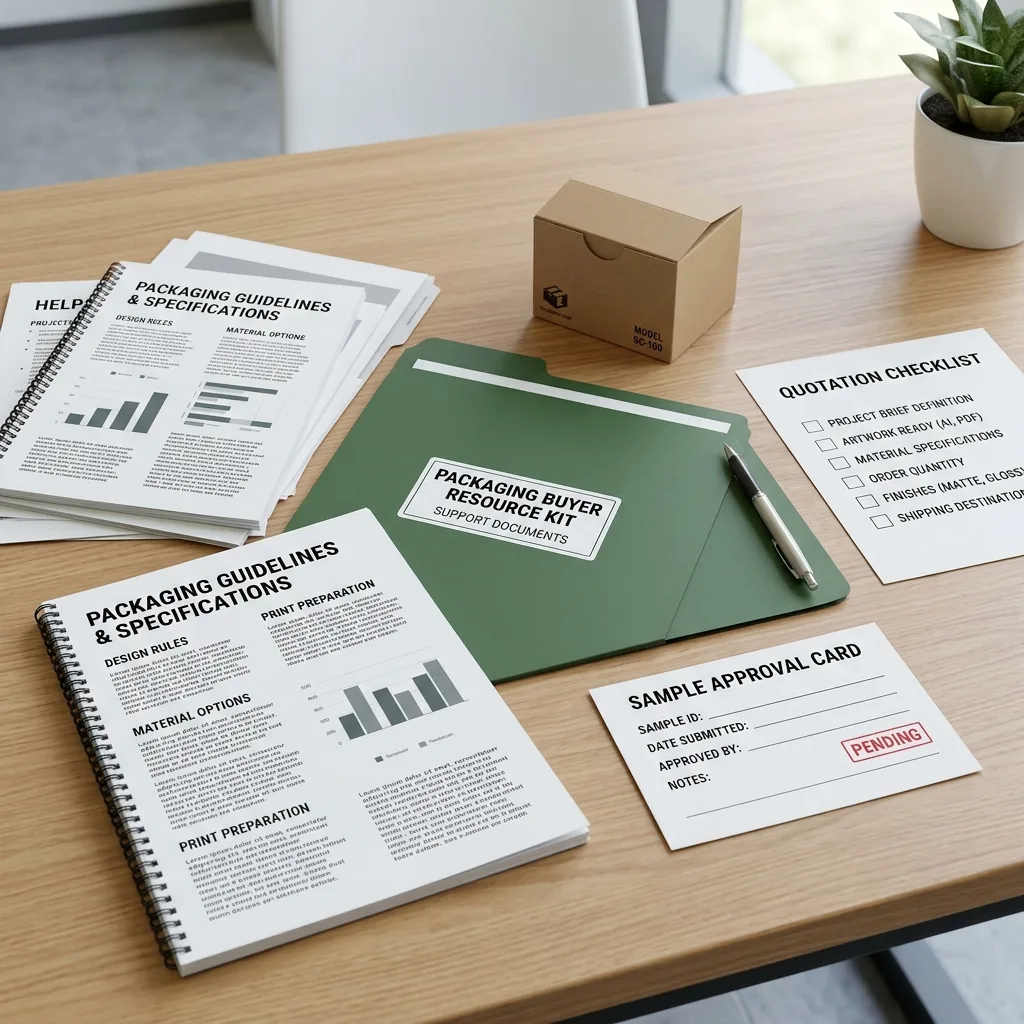
Help Center
Get practical answers before you request a quote, from artwork files and sampling steps to production timing, shipping notes, and packaging project details.
Visit help center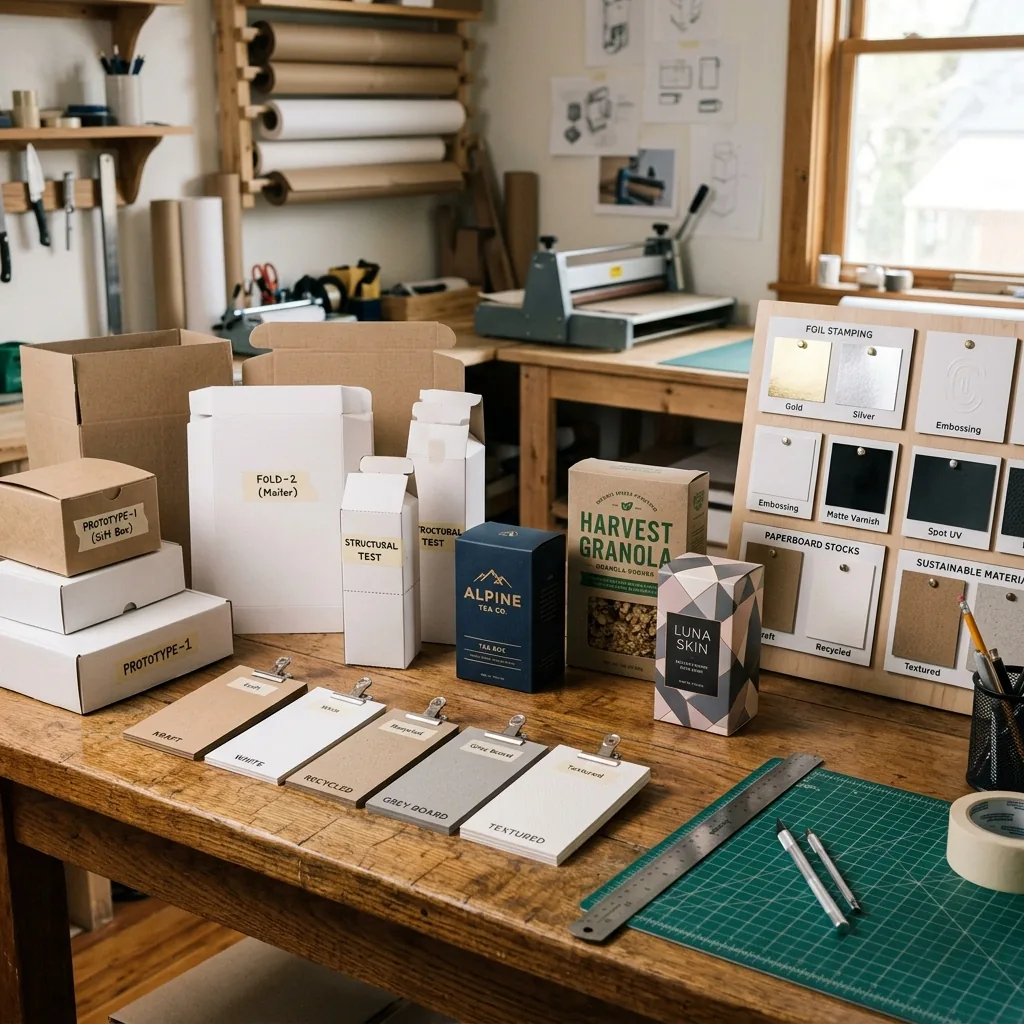 About YATBRAND Learn how we support custom packaging projects from planning to production.
 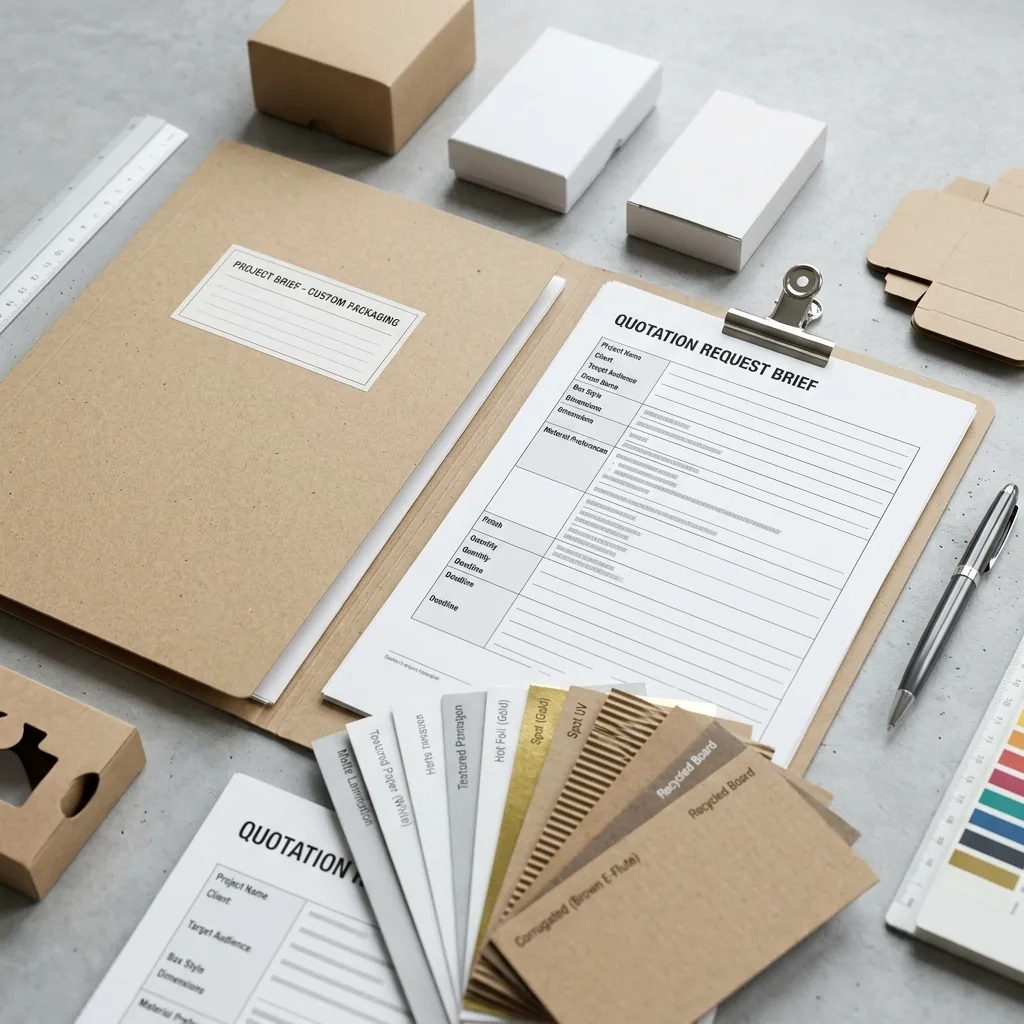 Contact Us Share product details, quantities, timelines, and custom packaging goals. Request a quote Send size, quantity, material, artwork, and timeline details for a quote-ready review.
 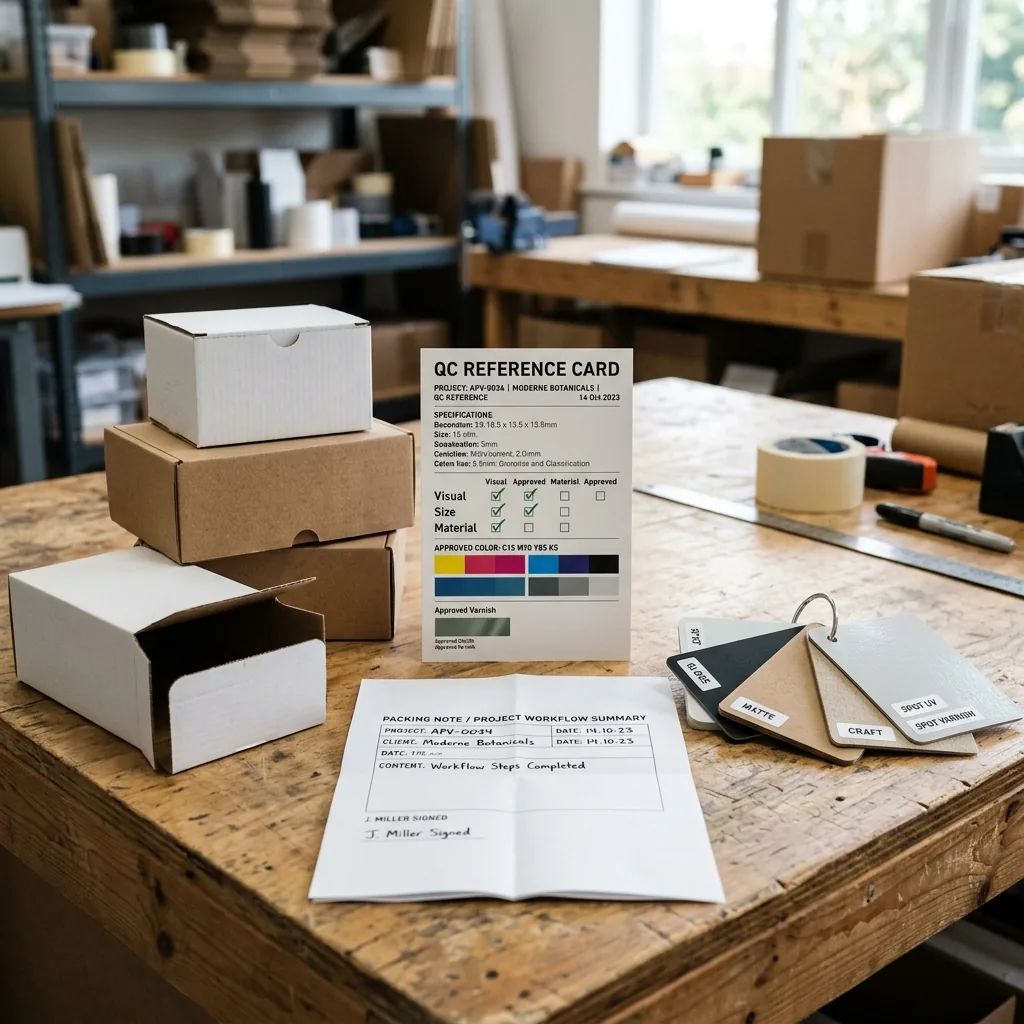 Our Approach See how packaging guidance, samples, production control, and delivery details work together. Quality & Production Review how sampling, production, inspection, and delivery support fit together.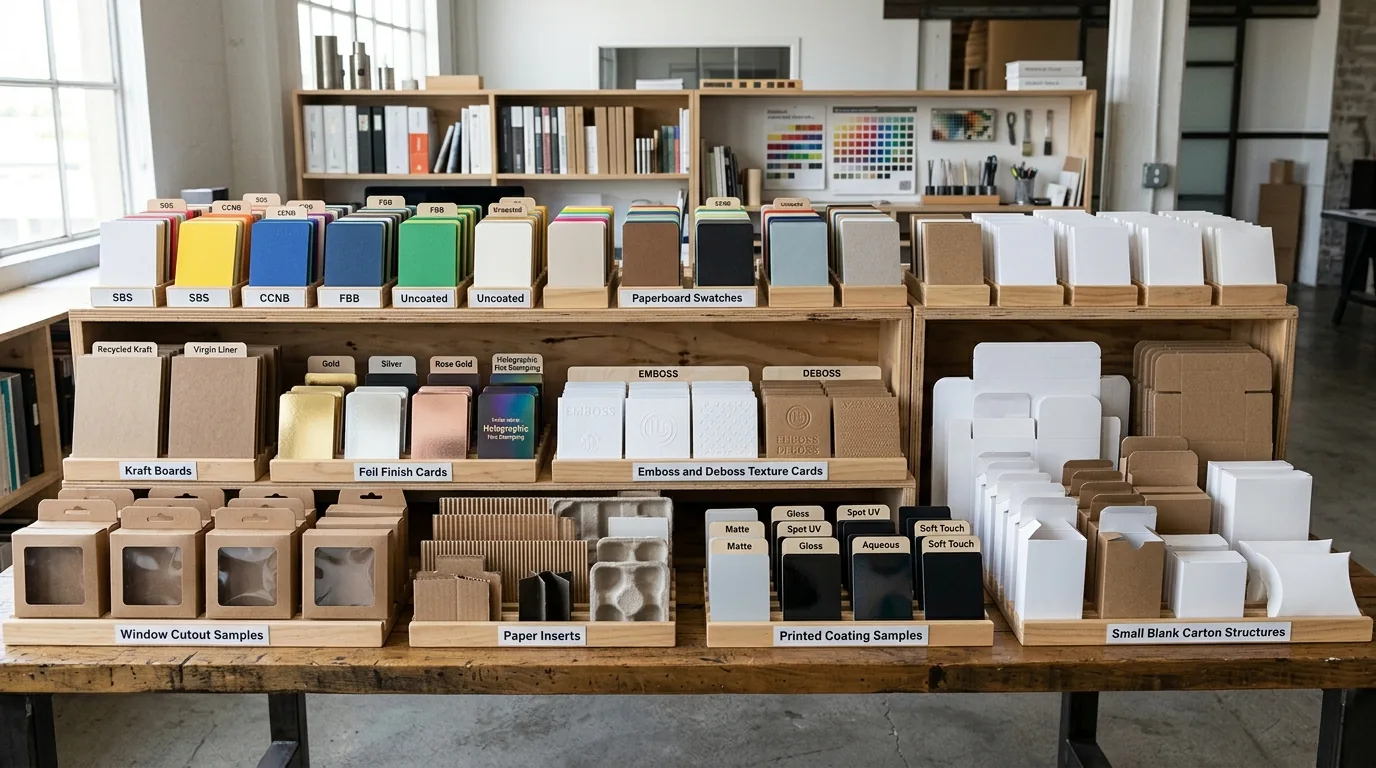
YATBRAND LLC
Custom packaging support for brands that need structure guidance, material options, sampling, quality review, and delivery coordination.
Learn about YATBRAND
Packaging specialist
Ask about structure, materials, samples, or quote details.