Folding cartons, corrugated, or rigid boxes: choose by product risk.
The right packaging structure depends on product weight, sales channel, protection needs, shelf presentation, and budget. This comparison helps buyers shortlist the box family before design and pricing begin.
Packaging structure, material, and production guidance

Folding cartons
Best for lightweight retail and clean brand presentation.
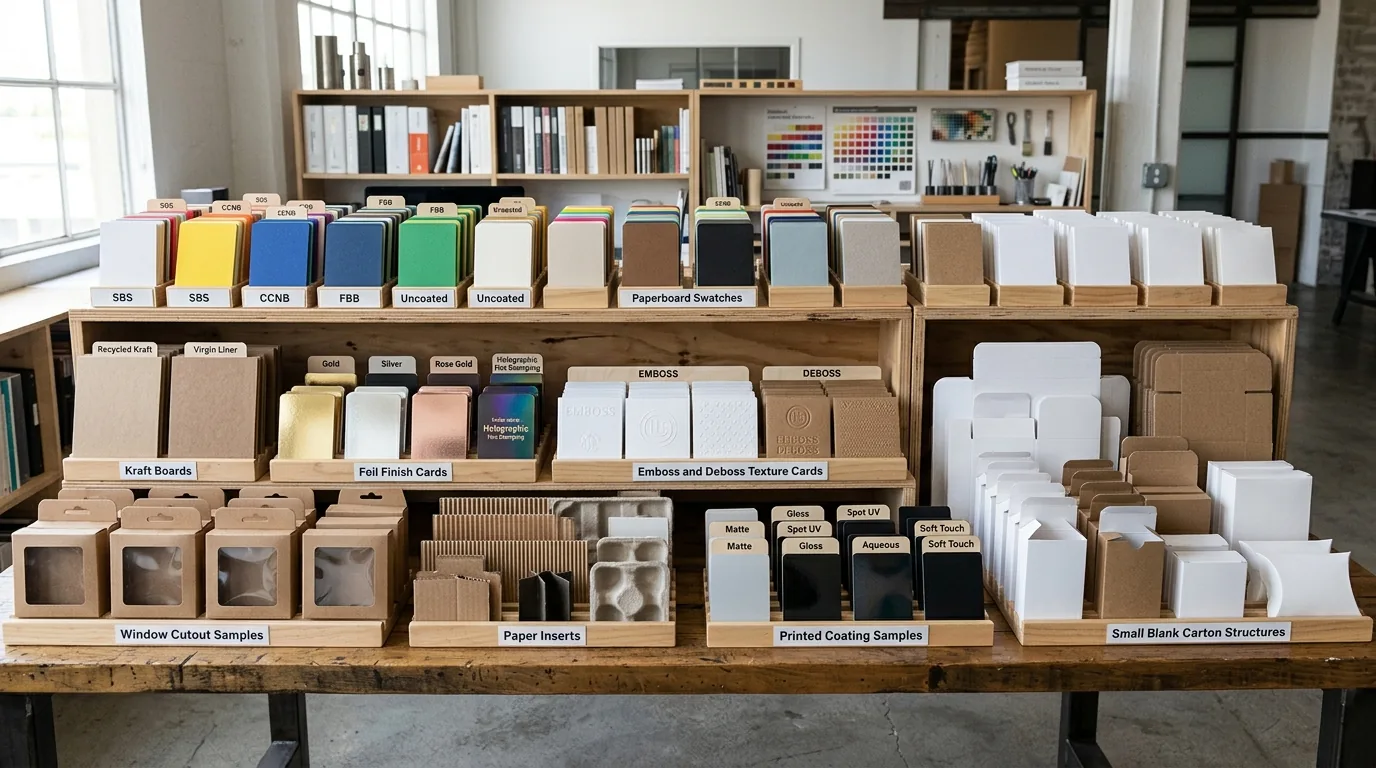
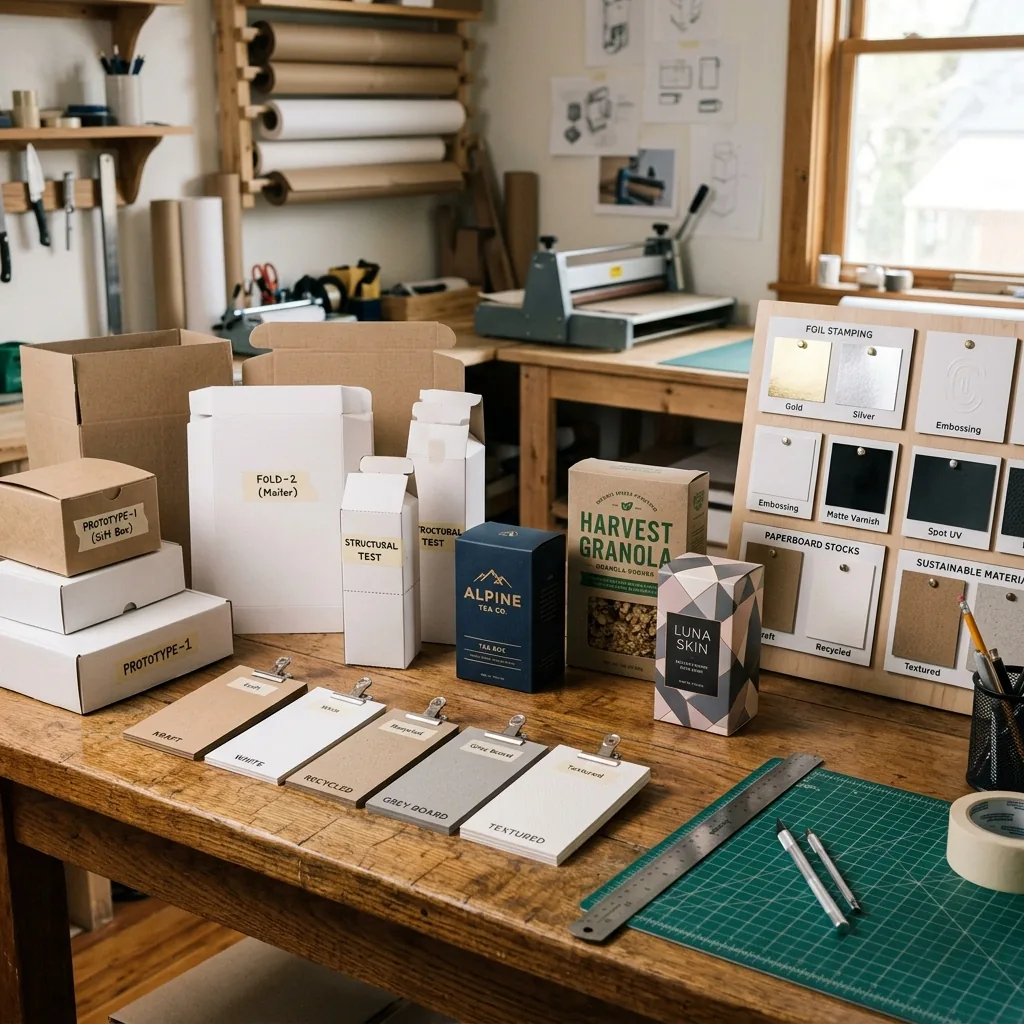
Folding cartons are a flexible choice for skincare, cosmetics, supplements, small electronics, candles, apparel accessories, and many retail products. They ship flat, scale well, and support strong print quality with paperboard materials.
- ✓ Use when the product is light to medium weight and does not need heavy crush protection.
- ✓ Consider straight tuck, reverse tuck, auto-bottom, sleeve, or window carton structures.
- ✓ Add inserts when the product needs positioning or a cleaner unboxing moment.
Corrugated boxes
Choose corrugated when shipping strength matters.
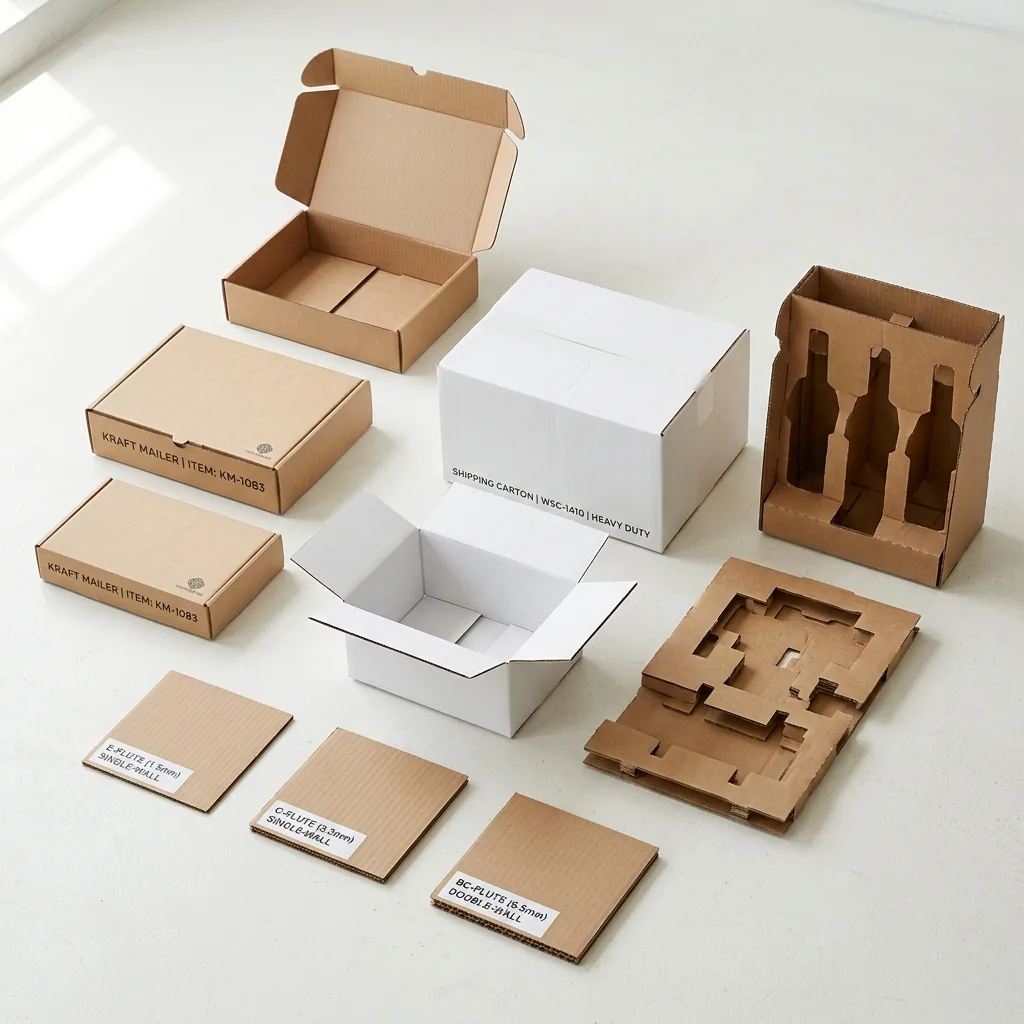
Corrugated packaging adds fluting for compression strength and transit protection. It is useful for ecommerce mailers, subscription boxes, heavier product kits, and launches where the shipping box also carries the brand experience.
- ✓ Use for direct-to-consumer shipments, sample kits, subscription boxes, and heavier bundles.
- ✓ Review board grade, mailer closure, interior fit, and carton packing.
- ✓ Avoid oversizing, because empty space increases cost and damage risk.
Rigid boxes
Use rigid packaging when presentation carries the value.
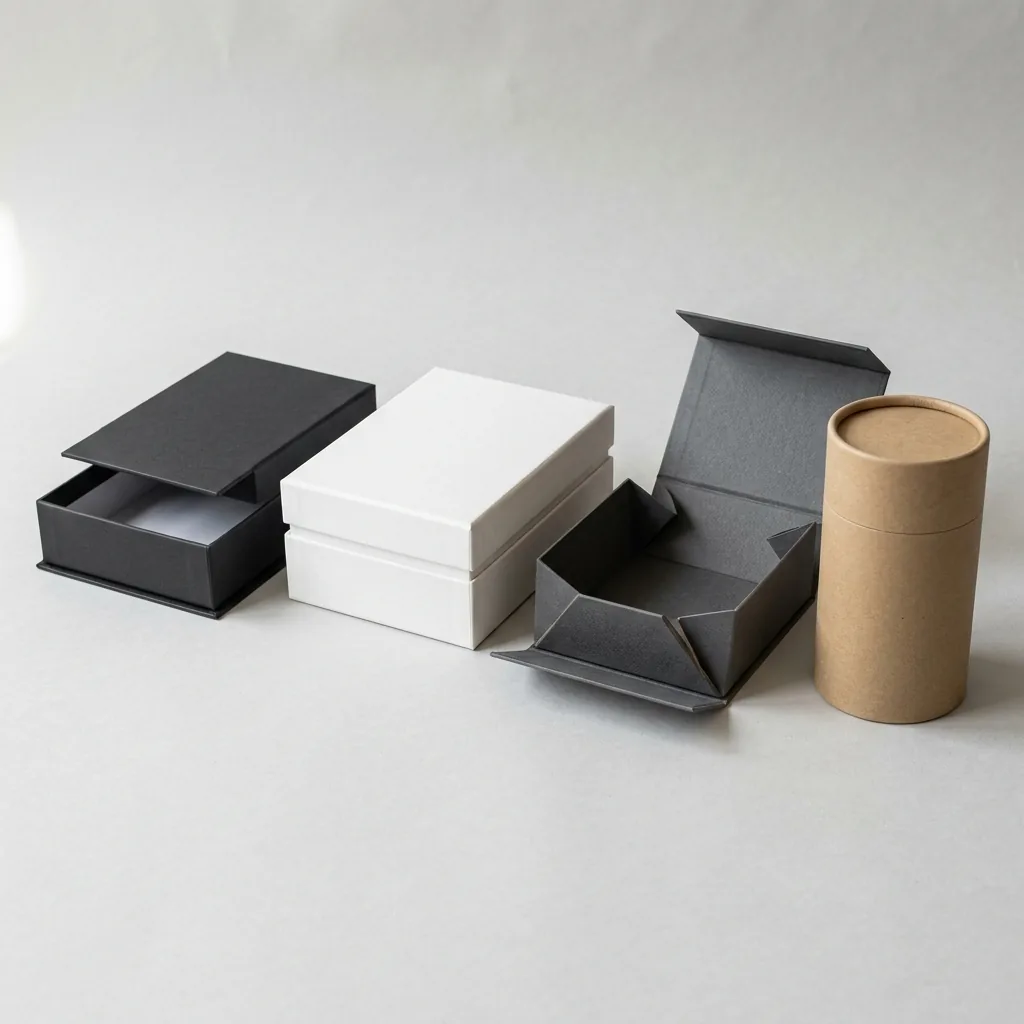
Rigid boxes are built for premium gift sets, beauty collections, jewelry, electronics, and products where the opening experience matters. They usually cost more and take more planning, but they create a stronger visual and tactile impression.
- ✓ Use for premium sets, influencer kits, gifting, and high-value retail presentations.
- ✓ Plan wrapped paper, inserts, magnetic closure, drawer style, or lid-and-base construction early.
- ✓ Confirm sample expectations because rigid packaging has more handwork and finish variables.
Pouches and sleeves
Use flexible formats when weight and shelf efficiency matter.
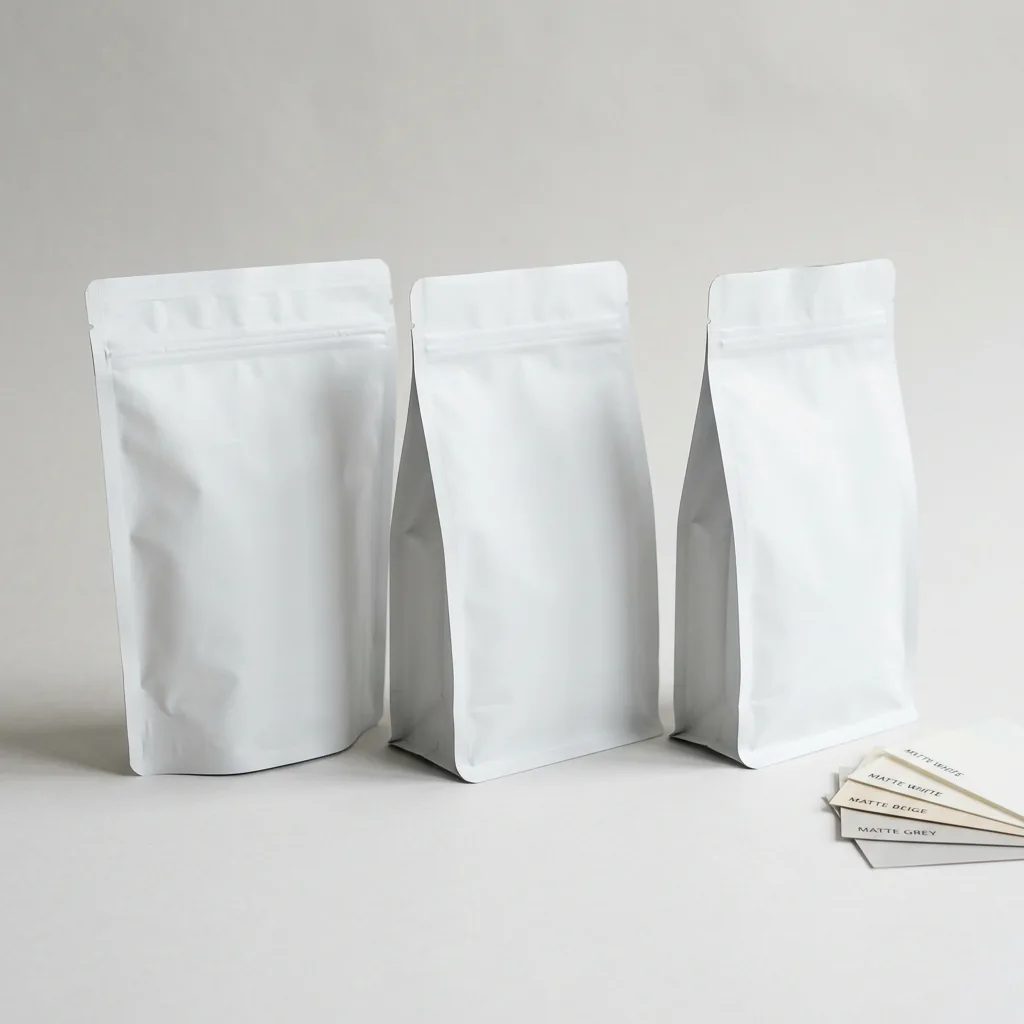
Flexible pouches, sleeves, and wraparound formats can reduce material weight and create efficient shelf or shipping formats. They work well when the primary container already protects the product and the packaging adds brand, information, or grouping.
- ✓ Use sleeves for jars, bottles, trays, apparel, and multipacks.
- ✓ Use pouches when resealability, lightweight shipping, or refill programs matter.
- ✓ Check barrier, closure, label, and filling requirements before committing.