Small batch custom packaging: practical solutions for 100–500 units.
Small-batch packaging is possible when the box, print method, finish, and artwork are designed around short-run economics. For most startup orders, the practical route is a simple folding carton or corrugated mailer, digitally printed with little or no print-plate cost and a restrained finish plan.
Packaging structure, material, and production guidance
Direct answer
Can startups order only 100–500 custom boxes?
Yes. Quantities of 100–500 units are most feasible with digitally printed folding cartons or corrugated mailers, standard board grades, an existing or simple cutting layout, and few added finishes. A low MOQ does not automatically mean a low total project cost: sampling, structural design, die cutting, machine setup, freight, and hand assembly are spread across fewer boxes, so the unit price is higher than on a larger run.
- ✓ At 100 units, prioritize validation: fit, artwork, unboxing, and customer response.
- ✓ At 250 units, one or two SKUs can often share a common structure and material.
- ✓ At 500 units, compare digital pricing with offset or other conventional production because the crossover point varies by size, coverage, material, and supplier.
MOQ economics
Why do many packaging companies reject very small orders?
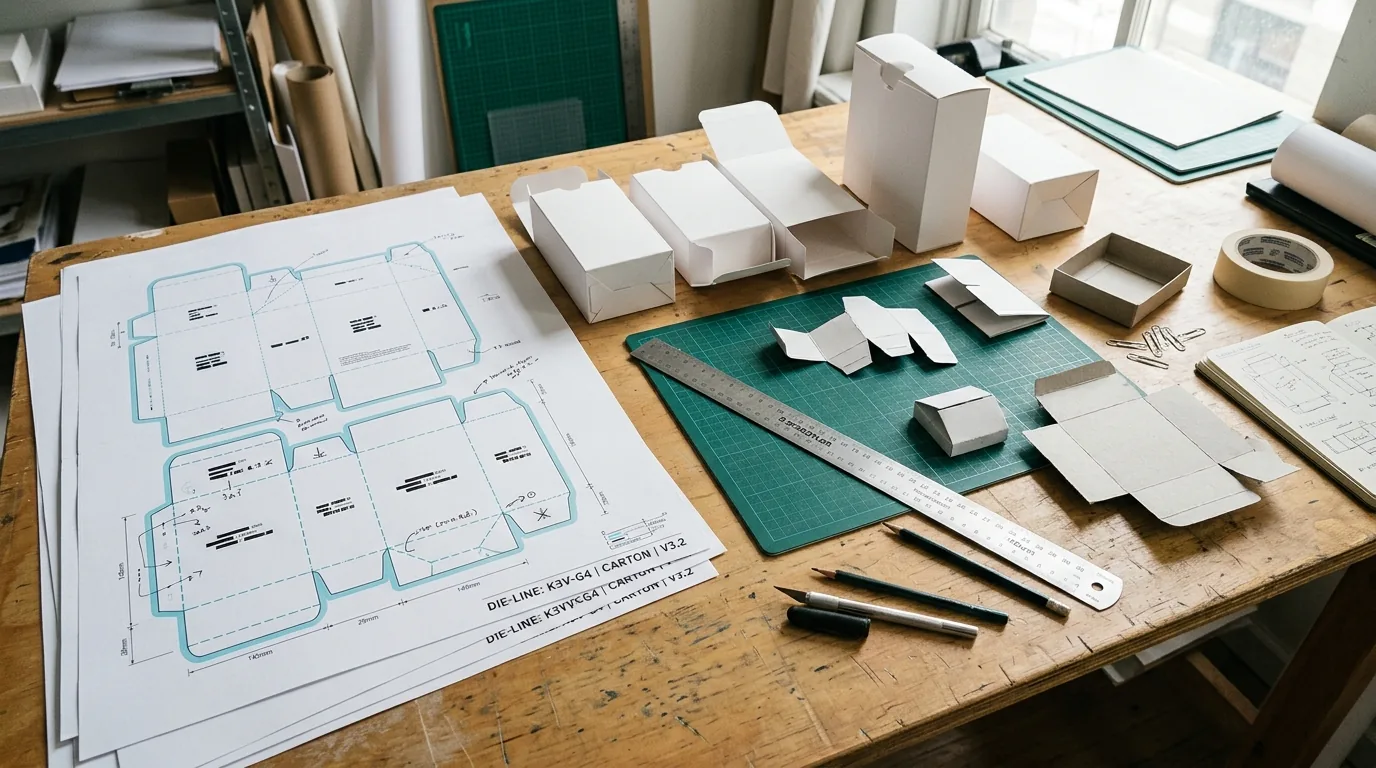
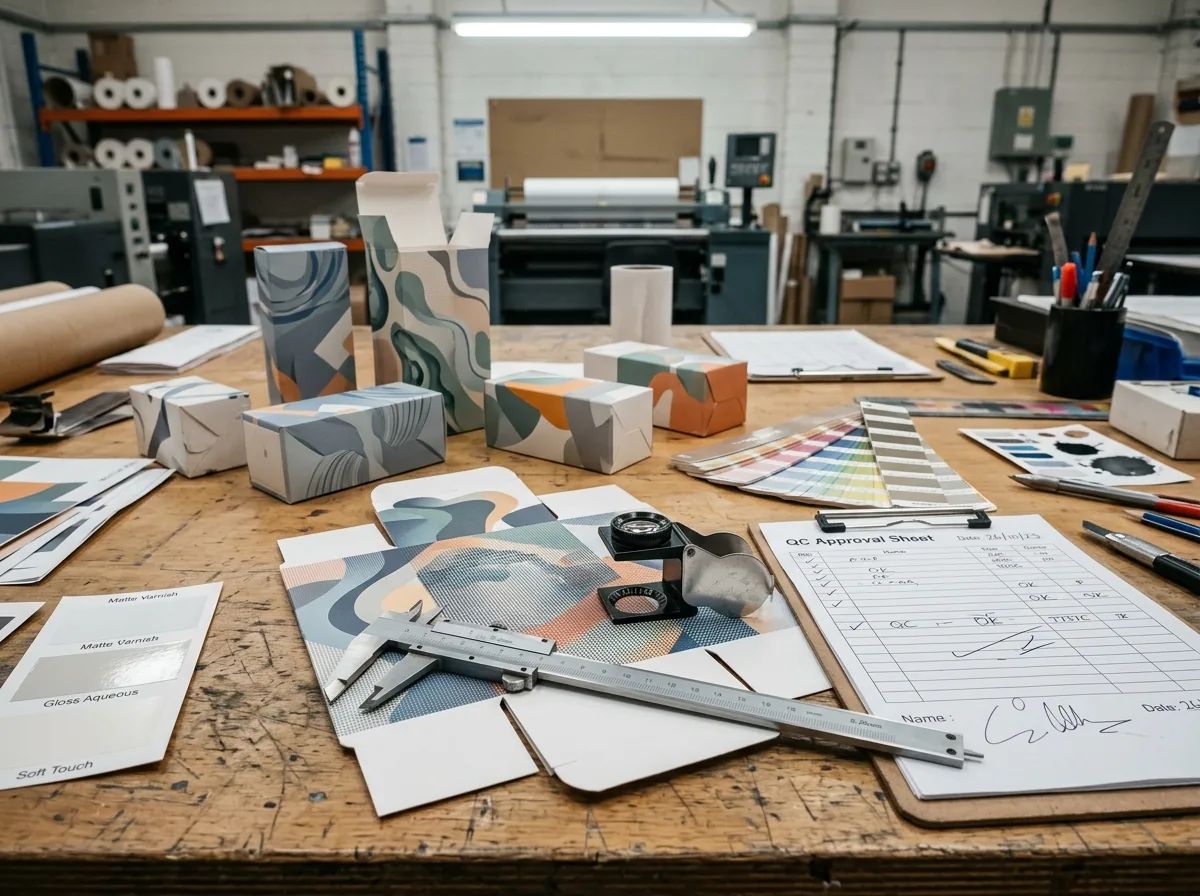
Custom packaging has fixed work before the first sellable box is made. During packaging production, a supplier may need to engineer a dieline, source a nonstandard board, prepare cutting dies or print plates, calibrate color, set up machines, make ready sheets, inspect output, strip waste, glue boxes, pack cartons, and arrange freight. Those steps can take nearly the same setup time for 100 boxes as for several thousand, while the supplier has fewer units over which to recover the cost.
- ✓ Material mills and paper merchants may sell full sheets, rolls, or minimum batches rather than exactly the amount needed.
- ✓ Conventional presses consume setup sheets and operator time before stable production begins.
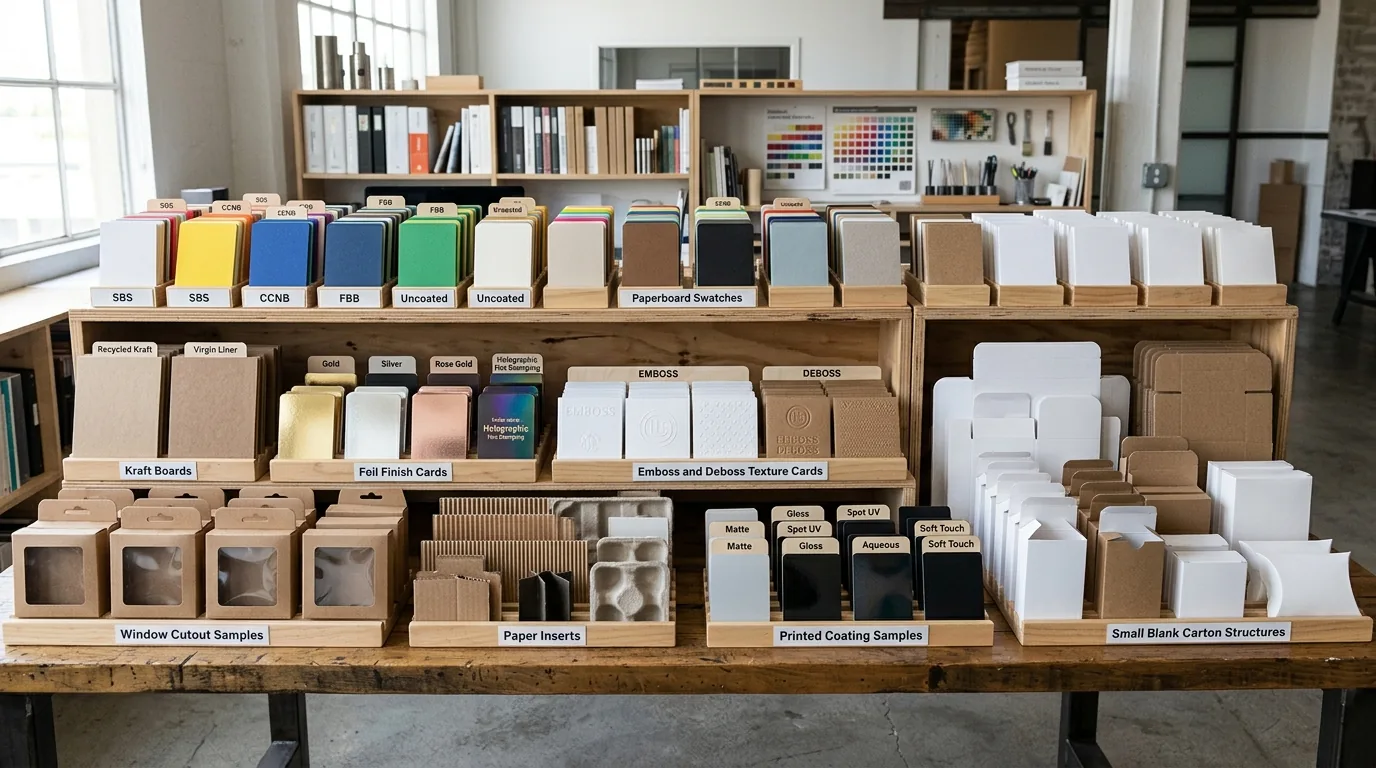
- ✓ Die cutting, gluing, foil stamping, embossing, window patching, and insert assembly each add another setup stage.
- ✓ Small jobs compete for press time with larger repeat orders and can create disproportionate administration and quality-control work.
Best print route
Digital printing lowers the setup barrier because it needs no printing plates.
Digital printing sends the artwork directly from a production file to the press, so it normally avoids the separate printing plates required by offset, flexographic, or gravure printing. This makes version changes, multiple SKUs, personalization, and pilot launches easier. Digital printing still requires preflight, color management, substrate testing, cutting, and finishing, and a cutting die may still be needed for a custom box shape.
- ✓ Best for short runs, changing artwork, seasonal editions, samples, and several low-volume SKUs.
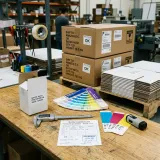
- ✓ Use CMYK artwork and approve a physical proof when brand color is critical; screen color is not a production standard.
- ✓ Ask whether the quoted process is digital toner, inkjet, or another digital system because compatible boards, white ink, coating, and maximum sheet size differ.
- ✓ Digital printing removes print plates, not every form of tooling: custom die cutting, embossing, foil, and some inserts can still require tools.
Structure selection
Which box styles work best for small batch packaging?
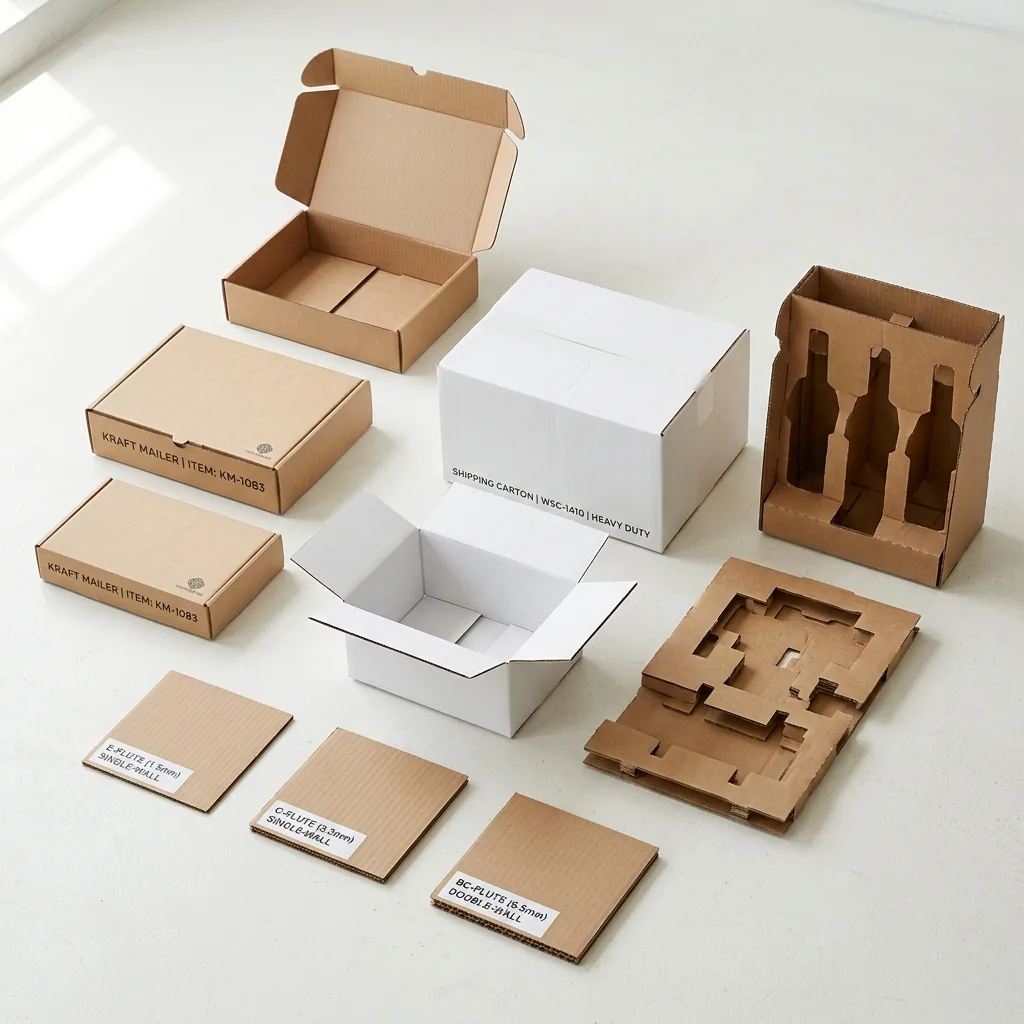
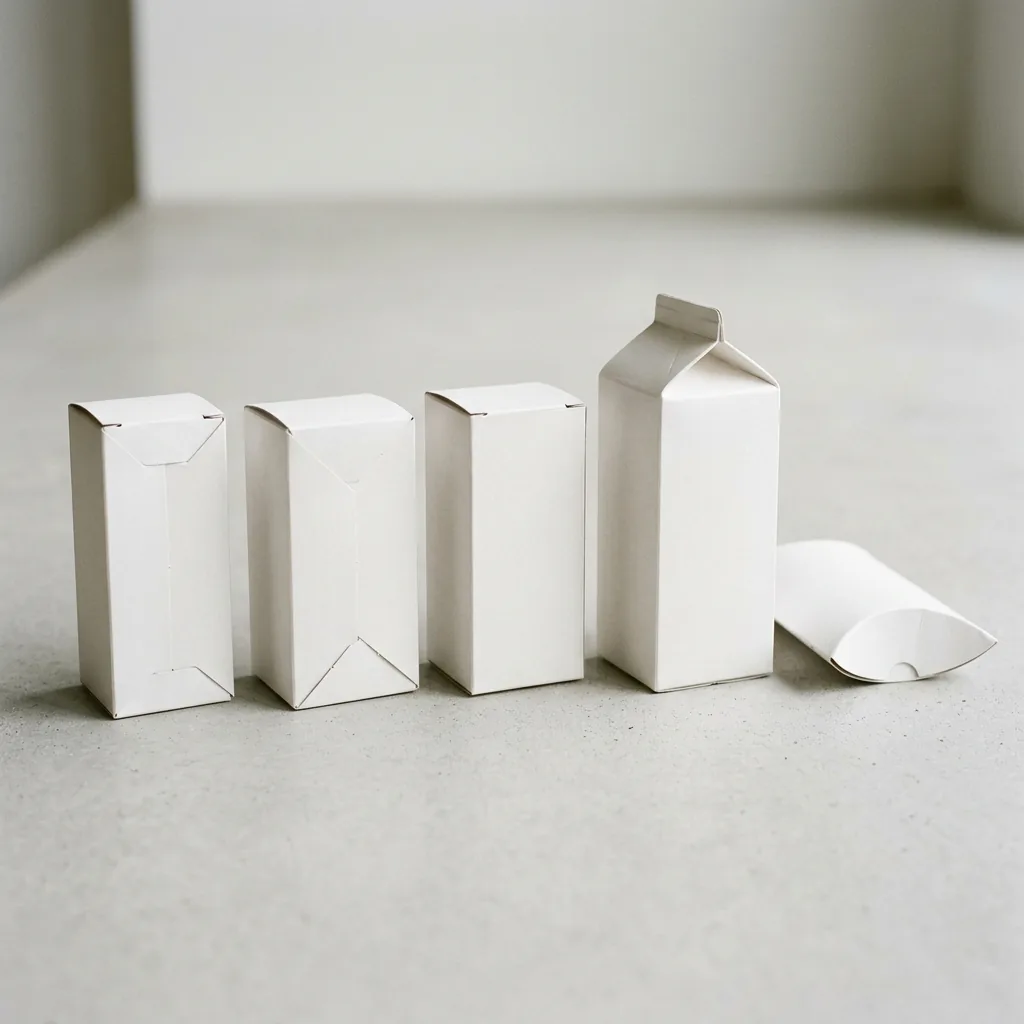
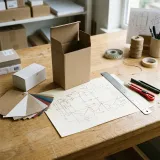
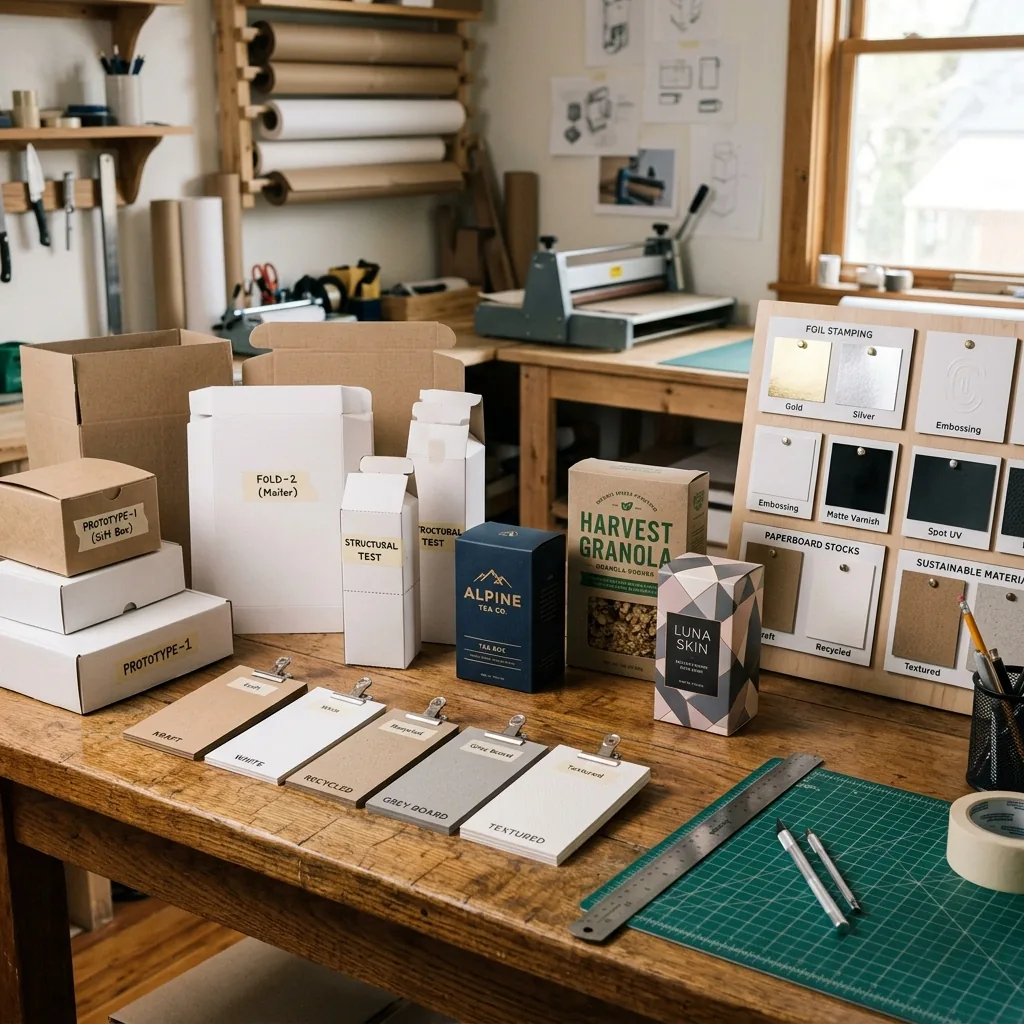
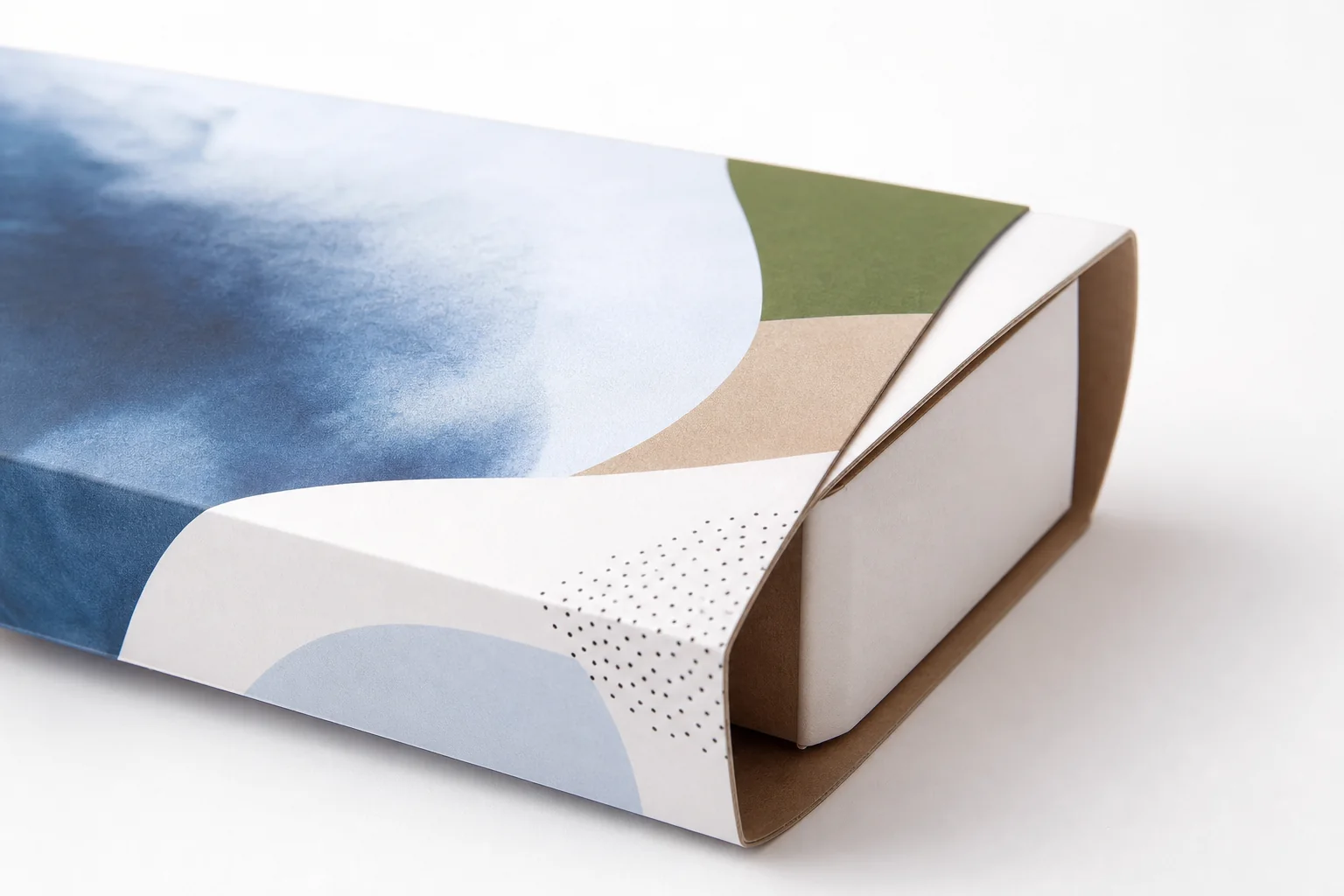
The best short-run structures are made from one flat sheet, use common materials, need limited gluing, and can be packed by hand. Straight tuck end boxes or reverse tuck folding cartons suit lightweight retail products. Simple sleeves and pillow boxes use little material. One-piece corrugated mailer boxes work for ecommerce and subscription kits. Stock boxes with a printed sleeve, belly band, label, or insert are often the lowest-risk route when exactly 100 units are needed.
- ✓ Folding cartons: straight tuck, reverse tuck, simple sleeves, and pillow boxes for cosmetics, supplements, soap, accessories, and samples.
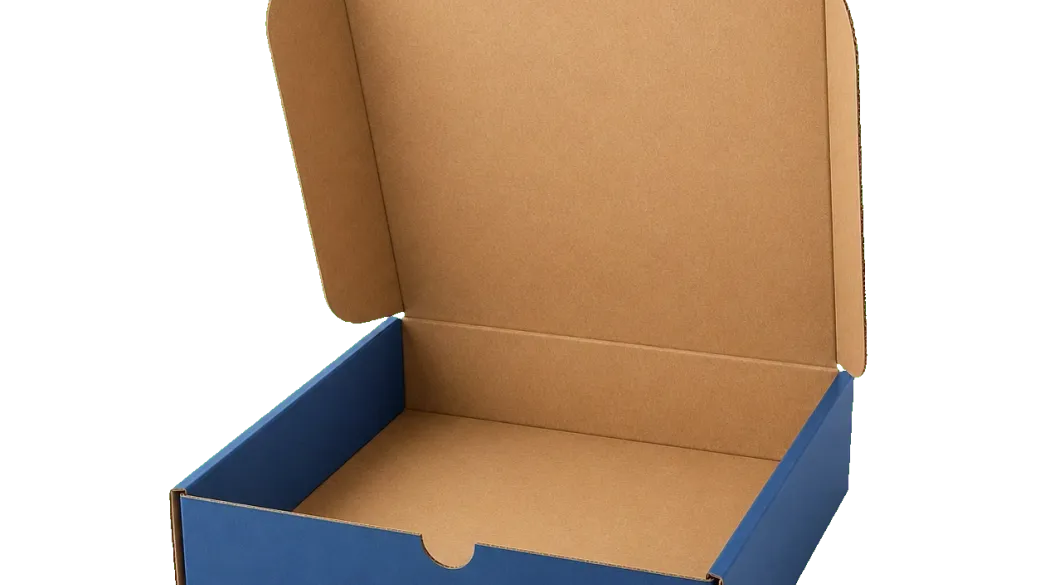
- ✓ Corrugated mailers: E- or F-flute one-piece mailers for ecommerce launches, kits, and subscription tests.
- ✓ Stock box plus customization: add a digitally printed sleeve, label, card, tissue, or paper insert instead of engineering every part from zero.
- ✓ Use one common dieline across flavors, colors, or sizes whenever the product fit allows it.
Cost control
Use finishes that add impact without adding another production line.
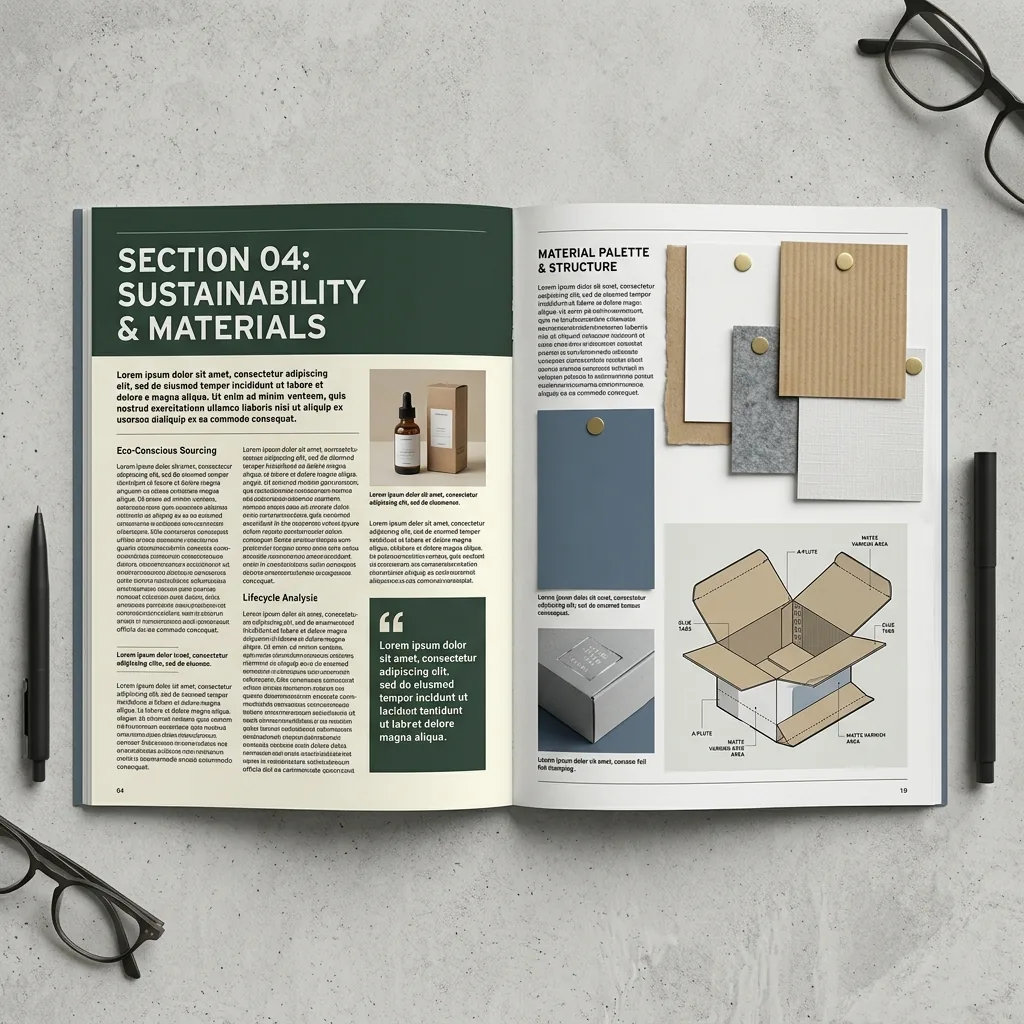
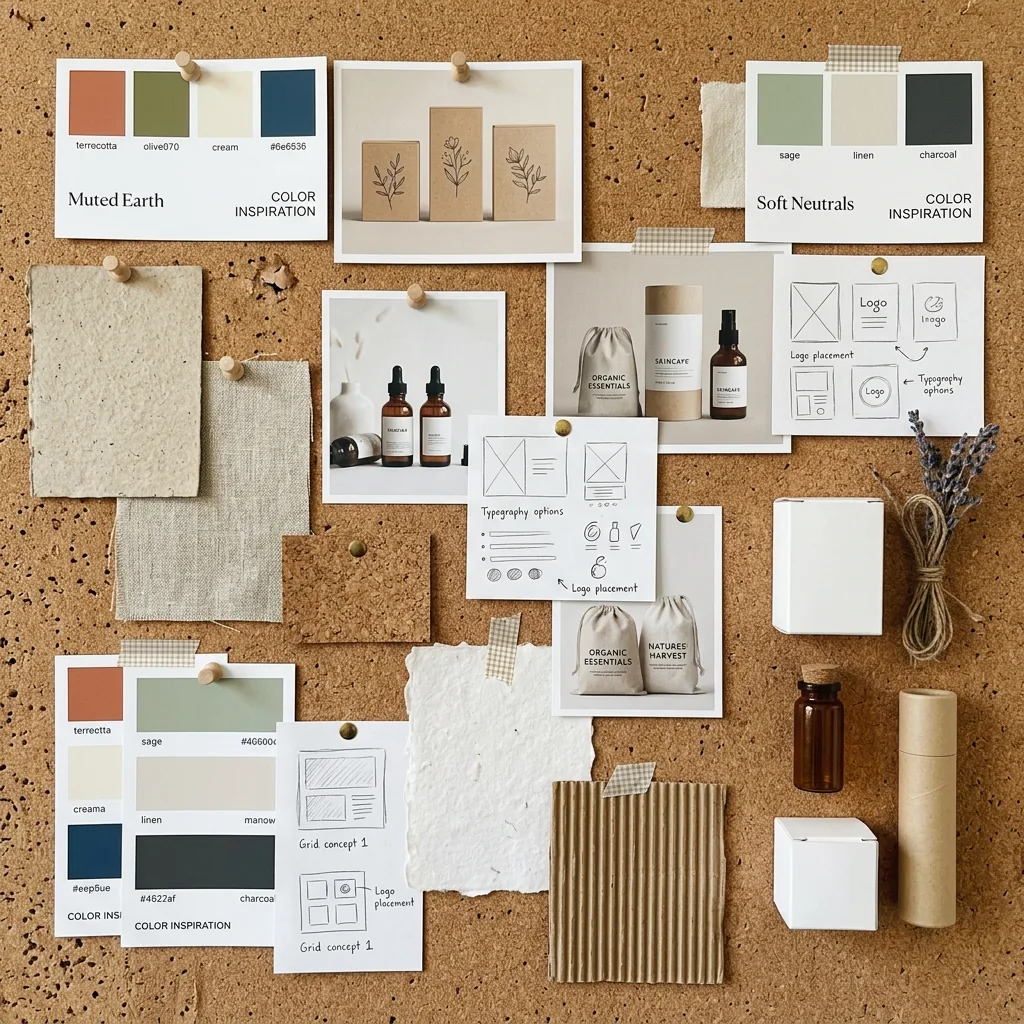
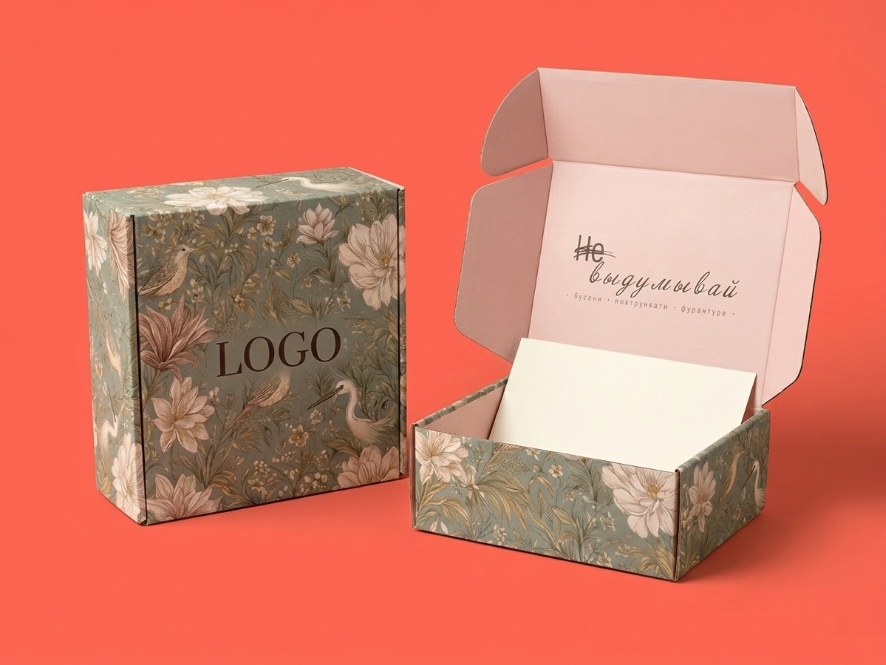
For 100–500 boxes, put most of the visual work into the printed artwork and material choice. Full-color digital CMYK print, an uncoated kraft board surface, and a standard aqueous coating supported by the printer can create a launch-ready result without multiple tooling charges. Ask the supplier to price a base version and one upgraded version so the value of each finish is visible.
- ✓ Use digital CMYK artwork, strong typography, patterns, gradients, or printed metallic simulations before adding physical effects.
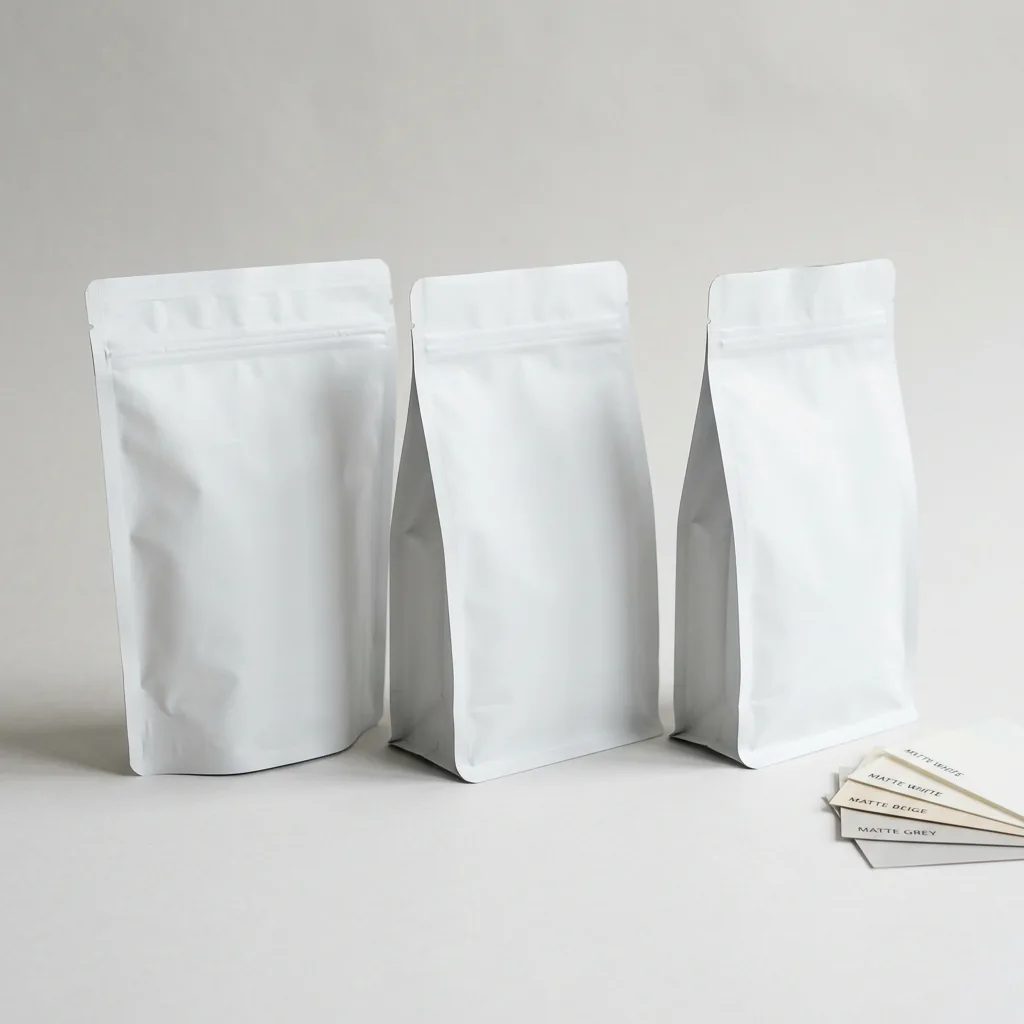
- ✓ Use kraft or standard white paperboard instead of a custom-dyed or imported specialty stock.
- ✓ Use a printed sleeve, belly band, sticker, or card to customize a stock shipping box.
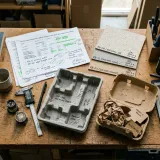
- ✓ If protection is needed, start with folded paperboard dividers or simple die-cut card inserts before custom foam or molded pulp.
What to avoid
Which processes usually make a 100–500 unit order expensive?
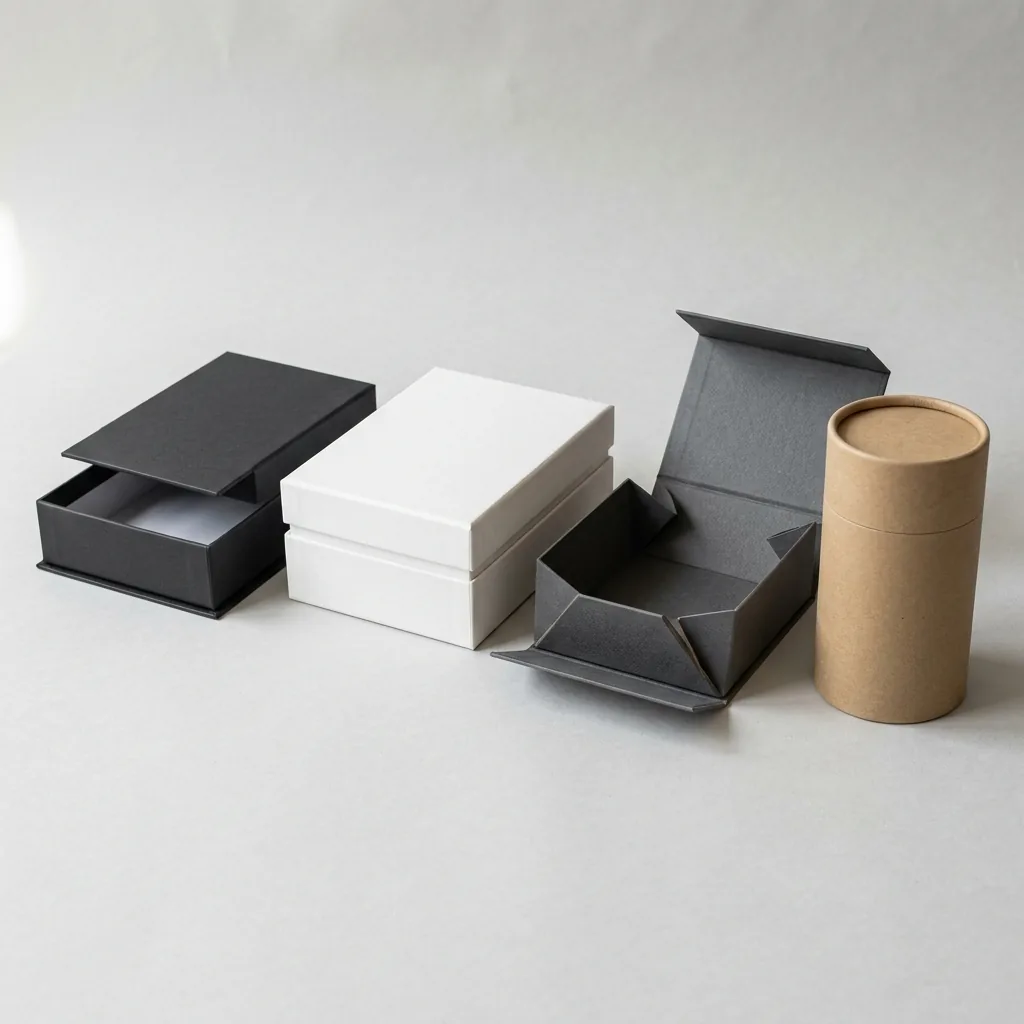
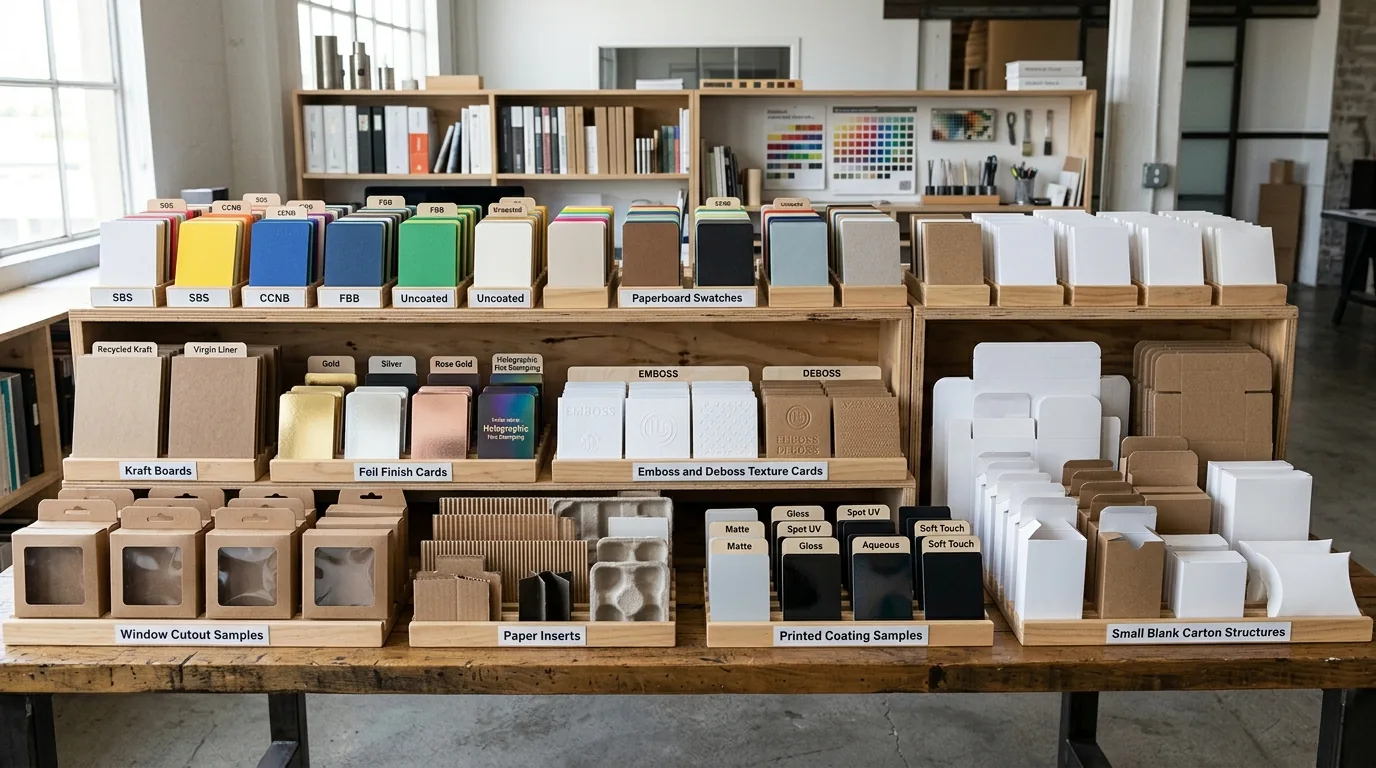
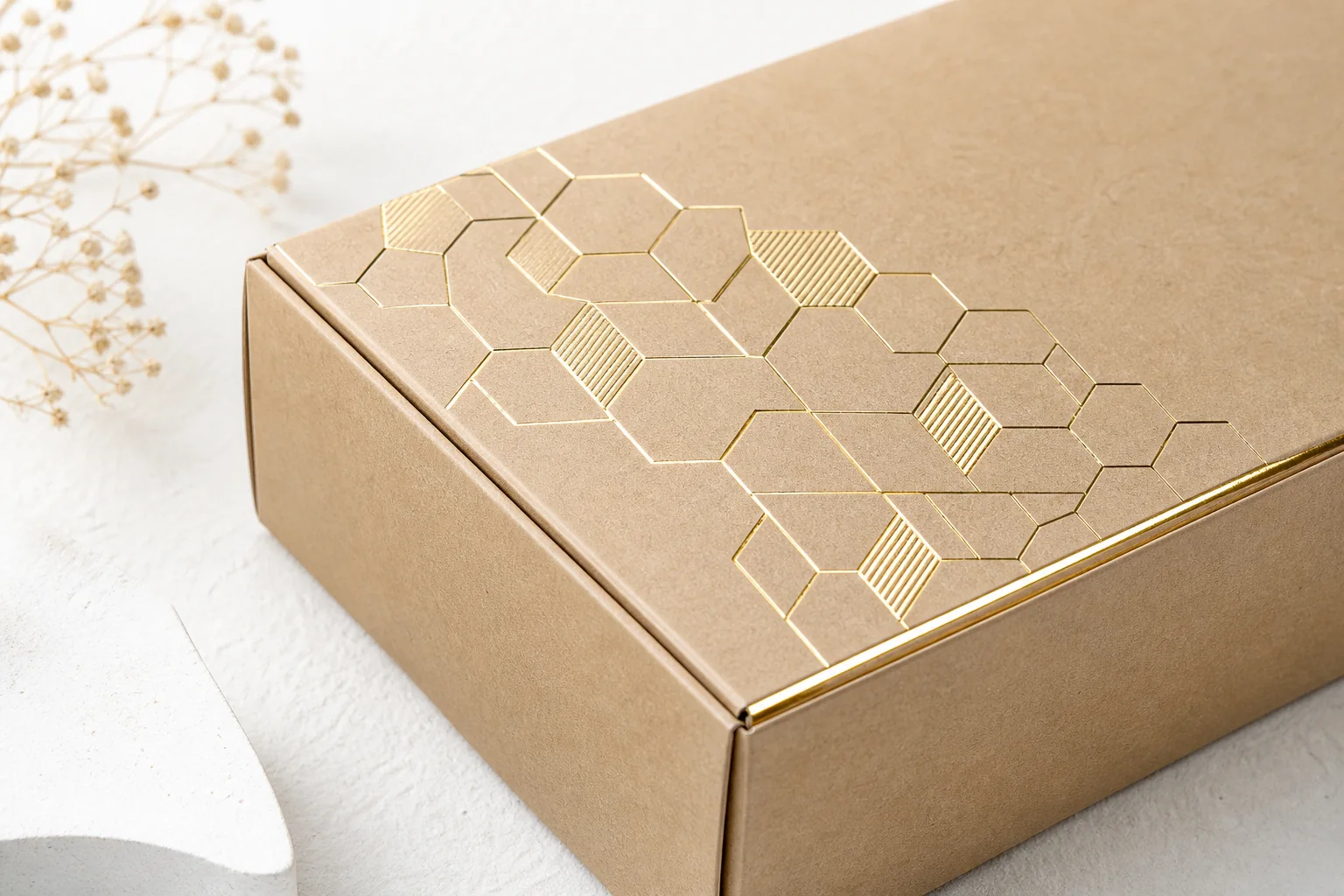
Avoid stacking processes that each require a tool, plate, special material, or separate machine pass. Hot foil, registered embossing, debossing, spot UV, custom windows, magnetic closures, flocked EVA, molded pulp, custom hardware, and complex rigid-box assembly can be technically possible at low volume, but their setup cost is divided by very few units. Gravure and custom flexographic printing are generally production-scale choices because cylinders or plates must be made.
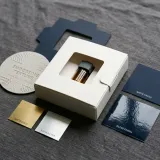
- ✓ Replace hot foil with a printed metallic look, metallic paper label, or limited foil only when the premium effect justifies the tool.
- ✓ Replace embossing and spot UV with artwork contrast, varnish or coating options already available on the digital line.
- ✓ Avoid rigid magnetic boxes at 100 units unless presentation value is more important than unit economics; folding cartons and mailers are usually more efficient.
- ✓ Avoid many box sizes, materials, and finishes in the first run—SKU consolidation is often the largest saving.
Quantity plan
Choose a production path for 100, 250, or 500 units.
Treat the first order as a learning stage rather than a miniature version of future mass production. The right specification may change as demand becomes clearer. Ask for price breaks at 100, 250, 500, and 1,000 units using the same approved dimensions and artwork coverage; this reveals whether a tooling investment or conventional press becomes economical at the next reorder.
- ✓ 100 units: stock or simple custom structure, digital print or labels, hand packing, one material, no specialty tooling.
- ✓ 250 units: digitally printed custom dieline, common structure across SKUs, simple coating, optional paperboard insert.
- ✓ 500 units: compare digital and conventional print, assess whether one high-value finish pays back, and lock repeat-order specifications.
- ✓ For every tier, compare total landed cost—not unit box price alone—including sample, tooling, packing, freight, duties, and expected waste.
Quote checklist
Send these details to get a useful low-MOQ quote.
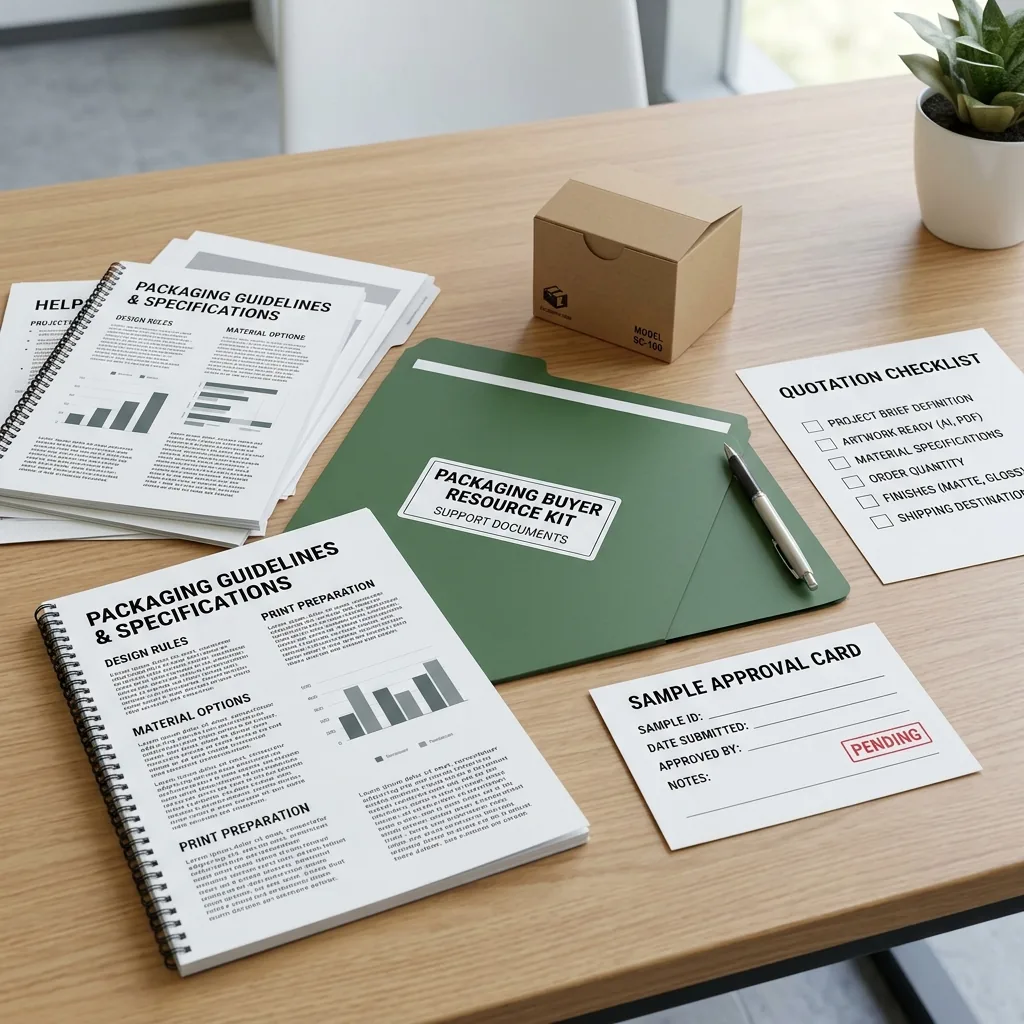
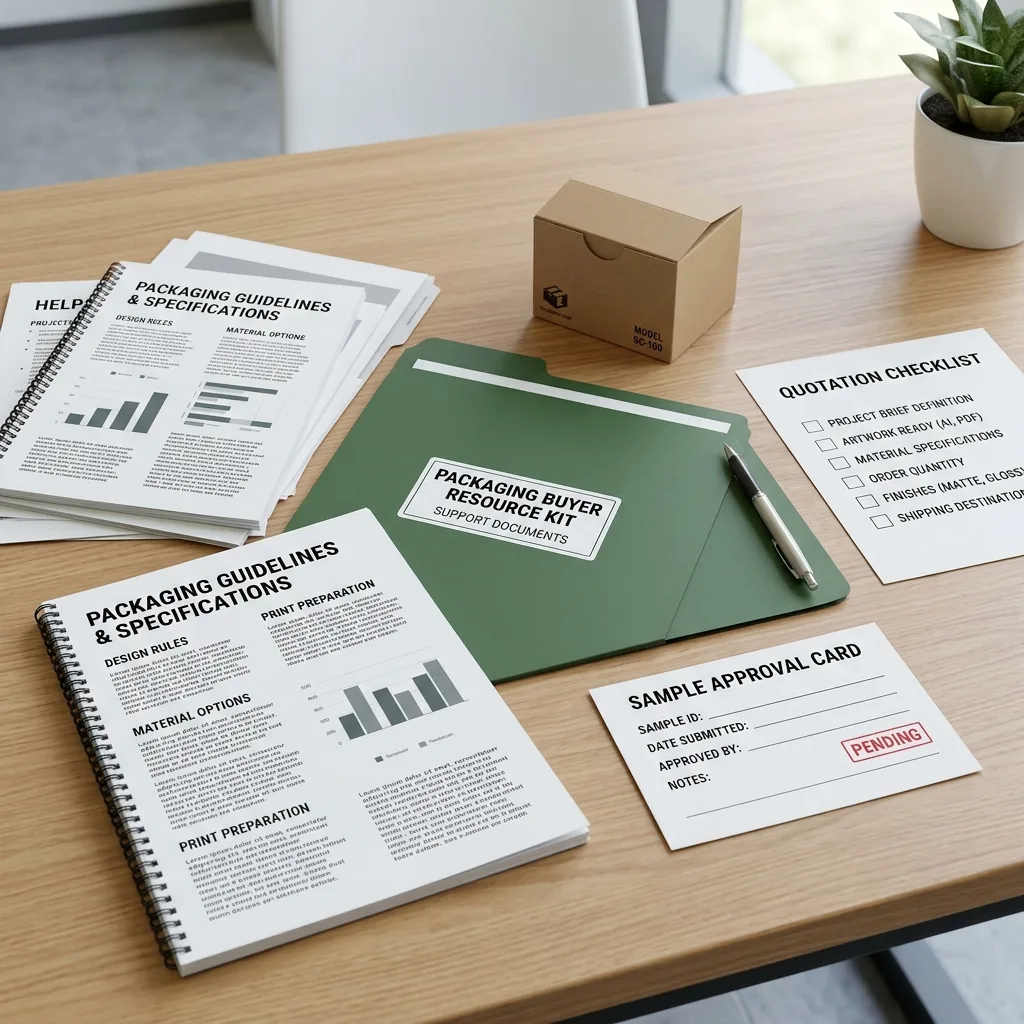
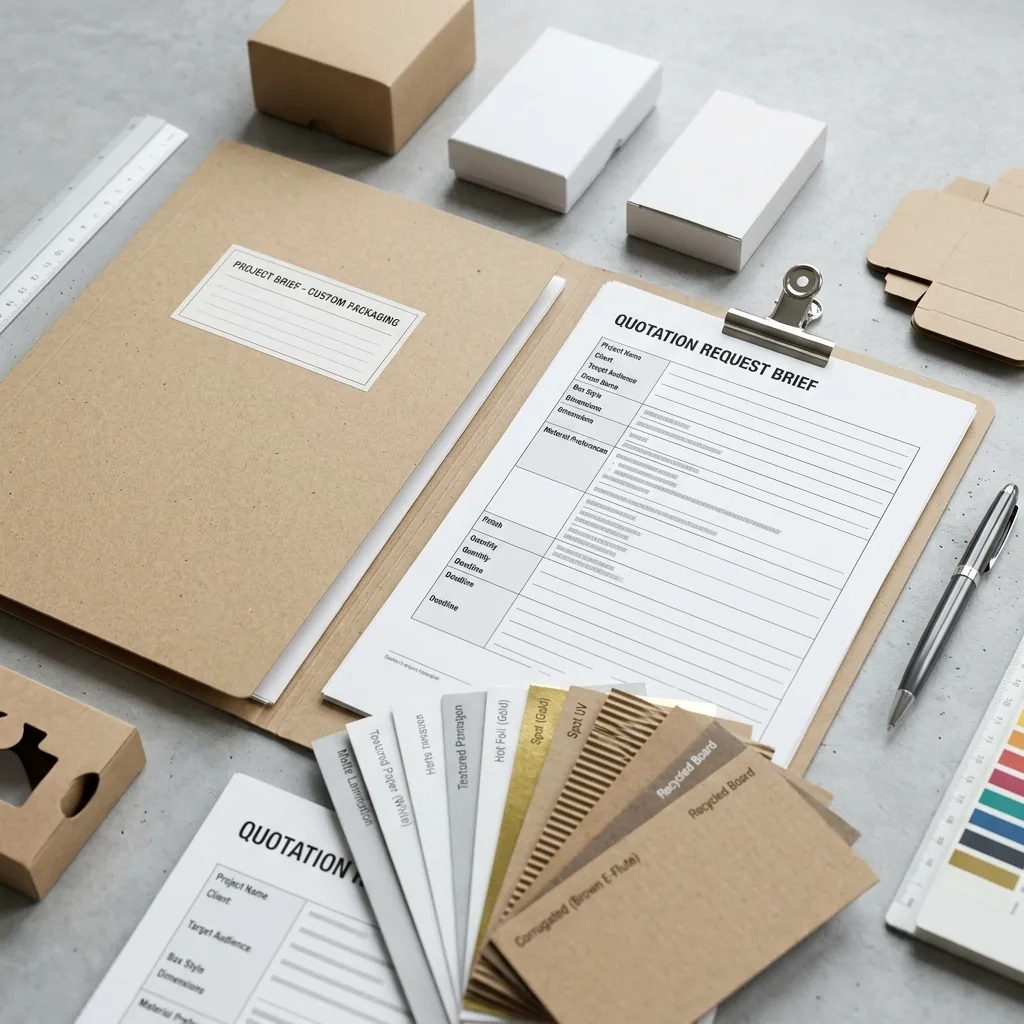
A supplier cannot confirm whether 100–500 units are practical from quantity alone. Use a custom packaging quote checklist to provide internal product dimensions, product weight, desired box style, delivery country, artwork status, number of SKUs, launch date, and essential features. Ask the supplier to separate one-time costs from repeat unit costs.
- ✓ Finished internal dimensions and product weight, plus photos or a physical product sample.
- ✓ Quantity per SKU and combined quantity when several artworks share one structure.
- ✓ Material preference, outside and inside print coverage, and acceptable color tolerance.
- ✓ Must-have versus optional finishes, insert needs, packing method, delivery address, and deadline.
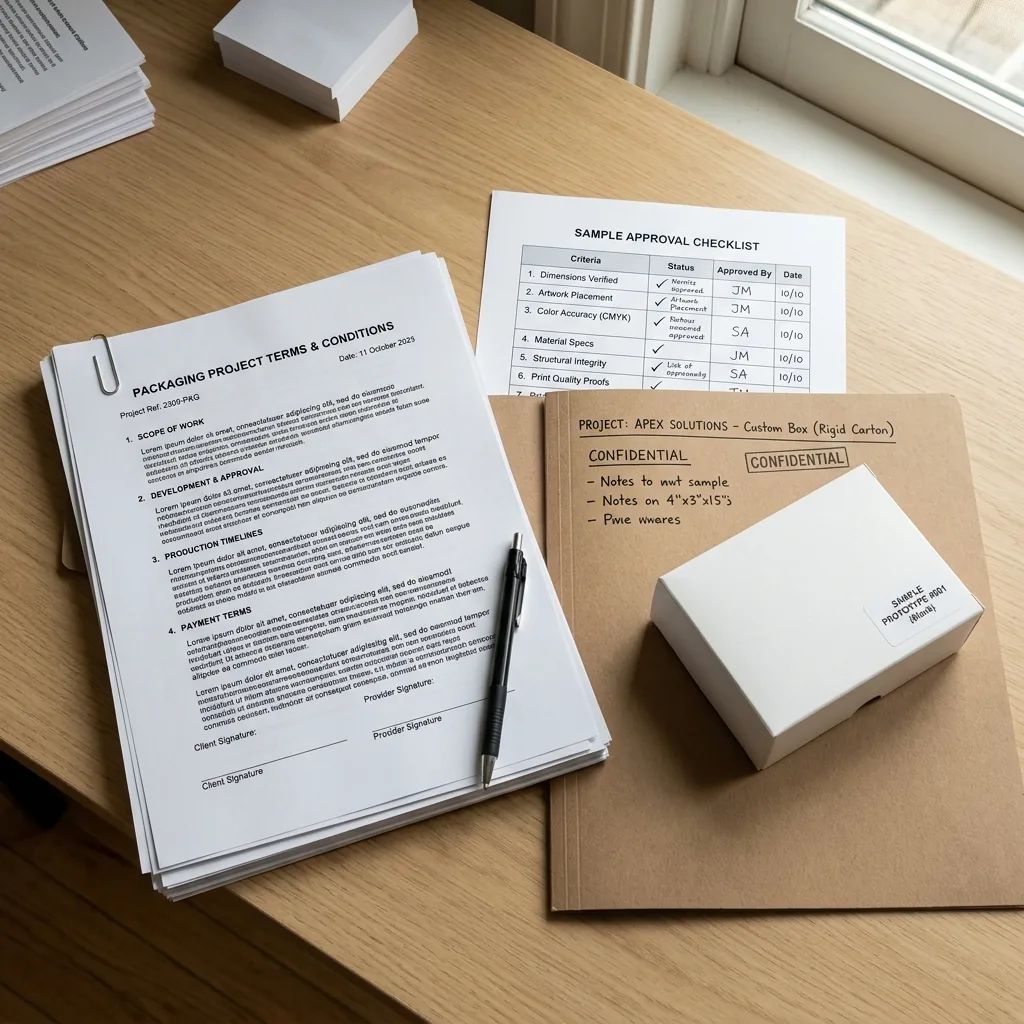
- ✓ A request for a blank structural sample or printed proof before the full run, plus confirmation of overrun/underrun policy.
Frequently asked questions
Questions buyers ask about this topic.
What is the lowest MOQ for custom packaging?
Some folding carton and corrugated mailer projects can start at 100 units, especially with digital printing and a simple structure. The feasible MOQ depends on box size, material, print coverage, finishing, tooling, supplier capacity, and delivery requirements.
Does digital printing require printing plates?
No. Digital presses normally print directly from the production file and do not require offset, flexographic, or gravure printing plates. A custom-shaped box may still require a cutting die, and foil or embossing can require separate tooling.
Is digital printing cheaper than offset for 500 boxes?
Often, but not always. Digital printing has lower setup cost, while offset printing can have a lower unit cost after setup. At 500 boxes, compare both methods using the same dimensions, board, print coverage, coating, waste allowance, and color requirements.
What is gang-run printing for packaging?
Gang-run printing combines compatible jobs on one parent sheet or production run so they share setup and material use. It can lower cost, but typically requires shared material and process specifications, flexible scheduling, and acceptance of the supplier’s color and quantity tolerances.
Which custom box is cheapest for a startup?
A standard-size stock box customized with a digitally printed sleeve or label is often the lowest-risk option at about 100 units. For a fully custom box, a simple one-piece folding carton or corrugated mailer with digital print and no specialty finish is usually the most economical starting point.
Which finishes should a startup avoid on a small run?
Avoid combining hot foil, embossing, spot UV, custom windows, magnetic closures, foam inserts, and specialty papers unless they are essential to the product value. Each can add tooling, setup, material minimums, handwork, and another approval stage.