Custom size
Build the carton around product dimensions, insert clearance, display panels, and shipping route.
Zero wasted space. Save 20% on shipping.
Custom sizing. No die or setup fees.
Skip DIY. Free expert design support.
Folding carton packaging
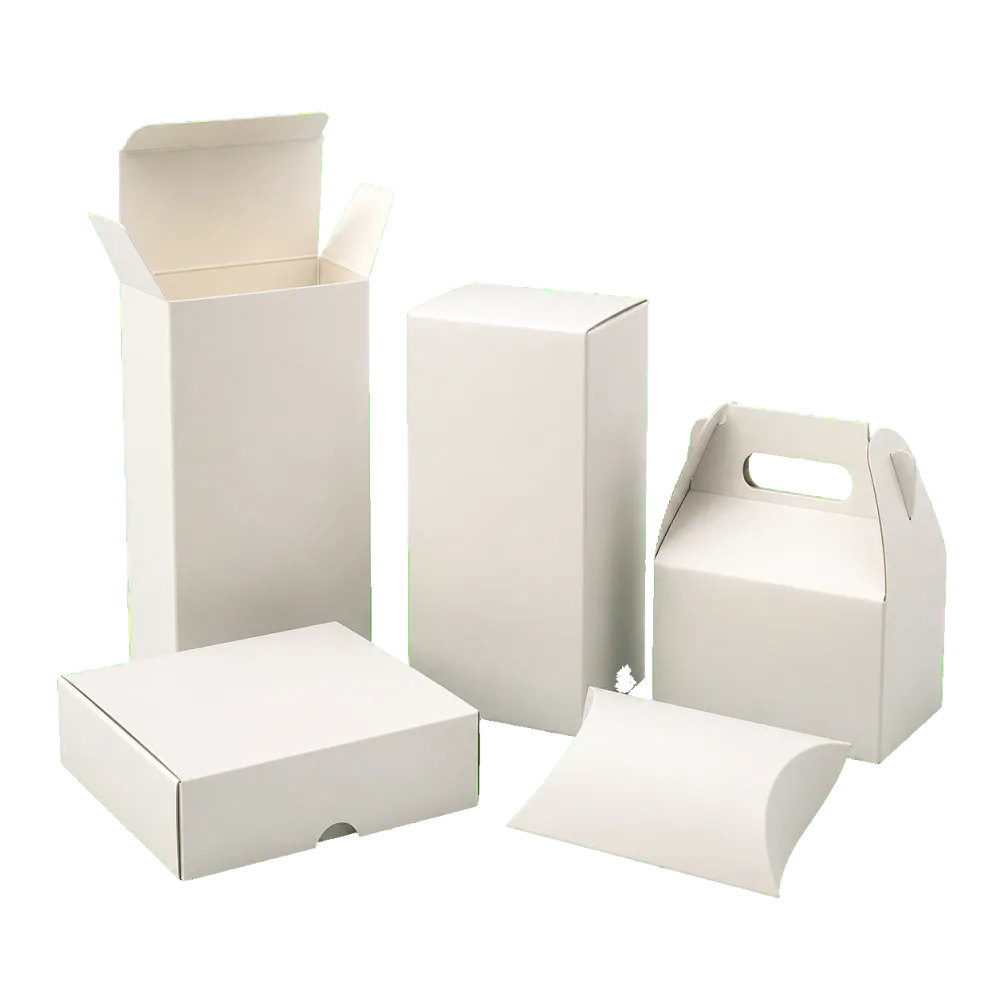
Compare paperboard carton styles by structure, product fit, material, print area, and production use before choosing a quote-ready packaging path.
Best for
Beauty, food, healthcare, gifts, and lightweight retail products
Materials
SBS, kraft paperboard, recycled CCNB, textured paperboard
Finishes
Offset print, foil stamping, embossing, soft-touch coating, window patching
Cost-aware cartons
For lightweight retail goods, samples, accessories, and simple carton runs.
Retail display
For beauty, supplements, soaps, and shelf-facing paperboard packaging.
Faster packing
For jars, bottles, candles, and small products that need stronger bottom support.
Production lines
For automated packing, sealed ends, food cartons, and repeatable filling.
Handled gifts
For food gifts, event kits, takeaway packs, and carry-friendly presentation.
Small gifts
For jewelry, favors, samples, and compact lightweight retail items.
Product structure map
Start with product weight, display panel needs, packing speed, and whether the carton needs a simple tuck, faster bottom, sealed end, handle, or compact gift shape.
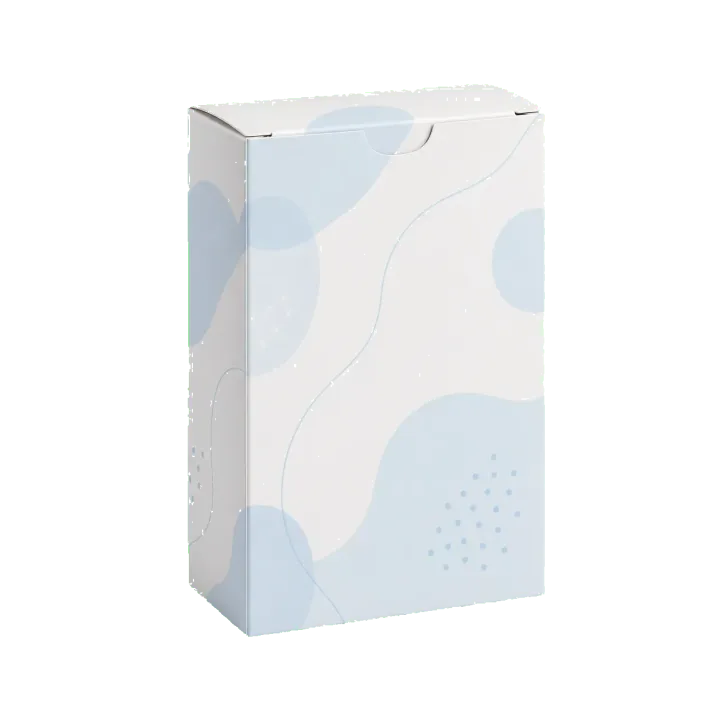
Cost-aware lightweight cartons
Reverse tuck end boxes use opposite-side tuck flaps for efficient lightweight retail cartons.
Common products: Small retail goods, samples, accessories, light refills
Not ideal for: Premium opening experiences or heavier bottles
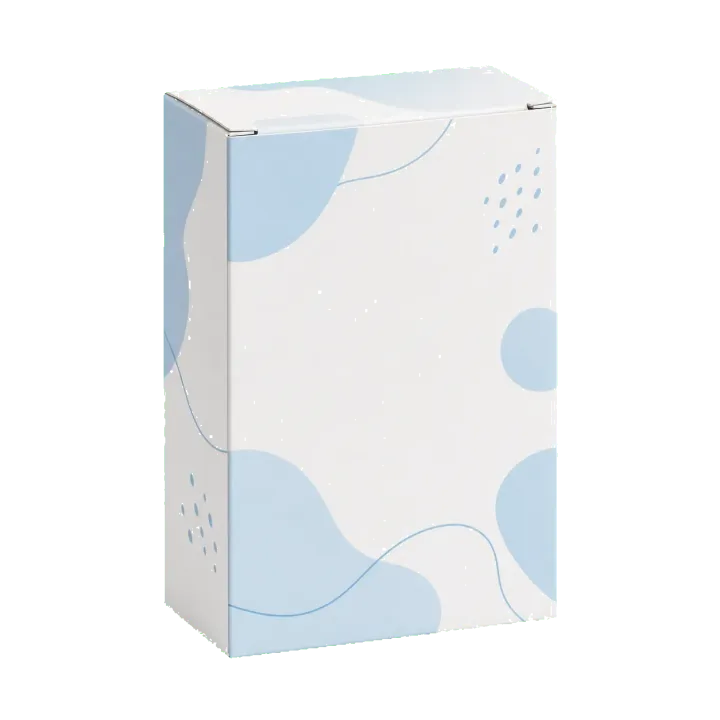
Beauty and retail units
A paperboard folding carton with tuck flaps for clean retail presentation and easy shelf packing.
Common products: Cosmetics, serums, soaps, supplements, small retail goods
Not ideal for: Heavy products or high-speed pack-out runs

Fast packing and heavier small items
A glued-bottom folding carton that opens quickly and supports more product weight.
Common products: Bottles, jars, supplements, candles, heavier retail units
Not ideal for: Ultra-low-budget jobs where glue setup is unnecessary

Automated packing and sealed ends
A glued or sealed-end carton format for automated filling and production-line consistency.
Common products: Food cartons, pharmaceuticals, cosmetics, consumer goods
Not ideal for: Products that need frequent reopening after purchase
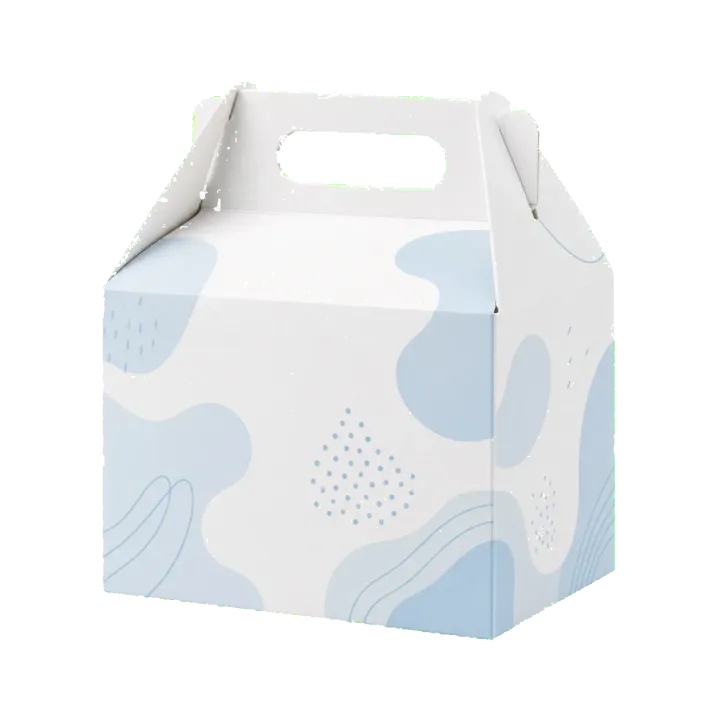
Handled gift and food packaging
A handled paperboard box for products that need carry-friendly presentation.
Common products: Food gifts, party kits, takeaway goods, event packaging
Not ideal for: Flat retail shelves where handle height wastes space

Small gifts and compact retail items
A curved folding carton format for small products, favors, and compact gift packaging.
Common products: Jewelry, samples, accessories, small favors
Not ideal for: Products that need square stacking or rigid protection
Buyer quick answer
Custom folding cartons are paperboard retail boxes that fold flat before assembly and are used as primary packaging for lightweight to medium products such as cosmetics, supplements, food gifts, healthcare items, and small consumer goods. Buyers usually choose the structure by product weight, packing speed, display need, material, finish, and quote requirements.
Primary use
Retail-ready primary packaging with strong print area and lightweight structure
Common materials
SBS paperboard, kraft paperboard, recycled CCNB, textured specialty board
Typical finishes
Offset print, Pantone color, foil stamping, embossing, soft-touch coating, spot UV, window patching
Quote inputs
Product size, product weight, quantity, artwork status, structure choice, material, finish, timeline
Not ideal for
Standalone ecommerce shipping unless paired with a corrugated mailer or shipper
Production note
Sampling and production depend on dieline complexity, print proofing, finish setup, and quantity
Product box route
If the package is already defined as a retail product box, start with the folding carton routes that match shelf display, product weight, and pack-out speed. Tuck end cartons fit clean retail panels, while auto-bottom cartons fit heavier small products and faster packing.
Quote basics
Keep the quote path light, but collect the details that decide material, print, structure, sample review, and production risk.
Carton styles
RTE boxes, tuck end cartons, auto-bottom boxes, seal end boxes, gable boxes, pillow boxes, sleeves, and inserts
Paperboard choices
SBS, kraft board, recycled CCNB, textured paperboard, specialty paper, or FSC paper routes
Print and finish
Offset print, Pantone color, foil stamping, embossing, soft touch, spot UV, matte or gloss coating
Quote inputs
Product size, product weight, structure choice, quantity, artwork status, material, finish, and launch timeline
Sample review
Confirm dieline, tuck fit, bottom strength, window placement, insert clearance, color proof, and shelf display panel
Production checks
Review scoring, folding tolerance, glue area, carton flatness, pack-out speed, and retail or shipping use before bulk production
Structure comparison
Compare structure fit, strength, pack-out speed, cost level, and the main tradeoff behind each packaging route.
| Structure | Best for | Strength | Packing speed | Cost | Planning note | Next |
|---|---|---|---|---|---|---|
| RTE Boxes | Cost-aware lightweight retail cartons | Light-medium | Medium | Low | Choose when price control matters more than premium opening feel. | View RTE Boxes |
| Tuck End Box | Beauty and shelf-facing retail units | Medium | Medium | Low-medium | Choose when the front panel, tuck closure, and retail display affect the packaging decision. | View Tuck End Box |
| Auto-Bottom Boxes | Faster packing for bottles, jars, and heavier units | Medium-high | High | Medium | Choose when pack-out speed and bottom support matter. | View Auto-Bottom Boxes |
| Seal End Boxes | Automated filling and sealed carton production | Medium | High | Medium | Choose for repeatable production-line sealing rather than frequent reopening. | View Seal End Boxes |
| Gable Boxes | Handled gift, food, and event packaging | Medium | Medium | Medium | Choose when the handle is part of the product experience. | View Gable Boxes |
| Pillow Boxes | Small gifts, samples, and compact accessories | Light-medium | Medium | Low-medium | Choose for curved presentation, not square stacking efficiency. | View Pillow Boxes |
Custom packaging options
Folding carton quotes change with paperboard grade, dieline complexity, print method, surface finish, window patching, inserts, packing speed, and retail or ecommerce use.
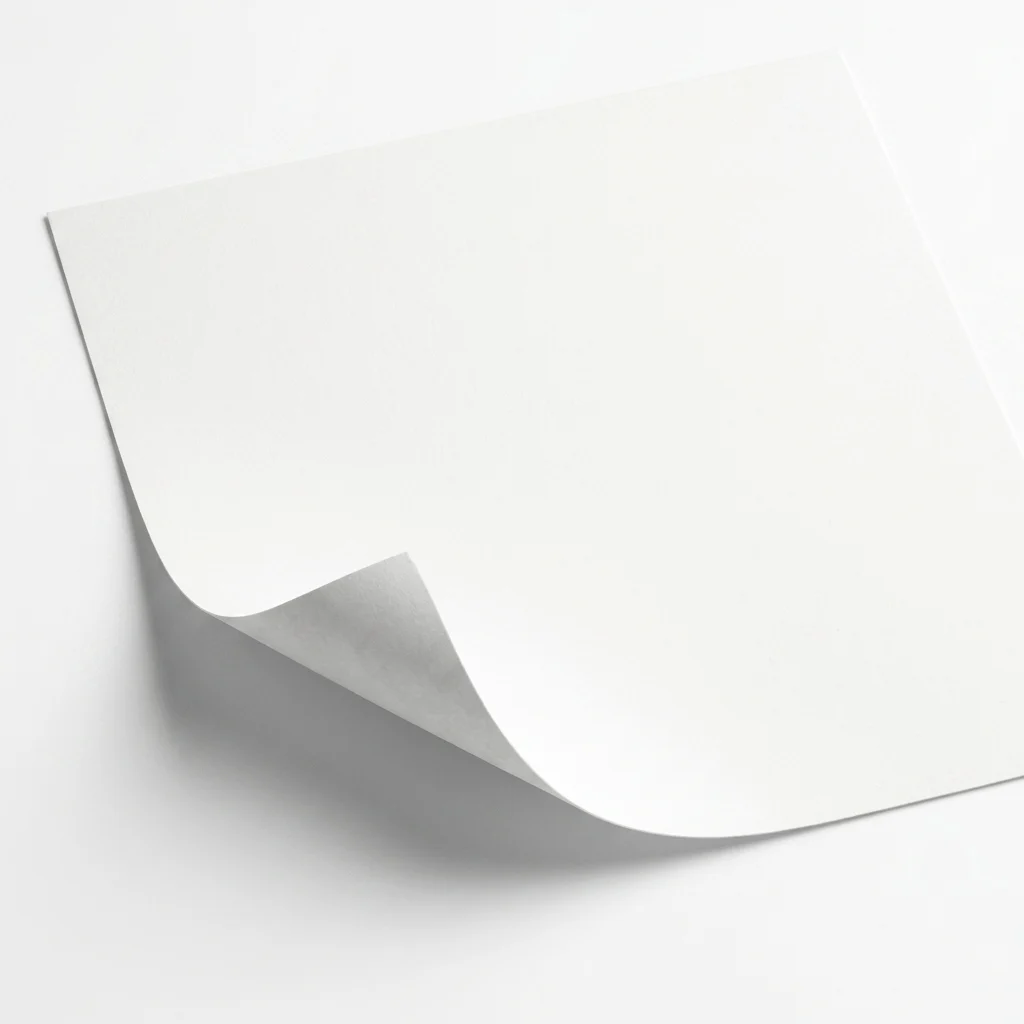
Material / Paperboard
Single-side coated white board with a clean print face and a natural reverse side.
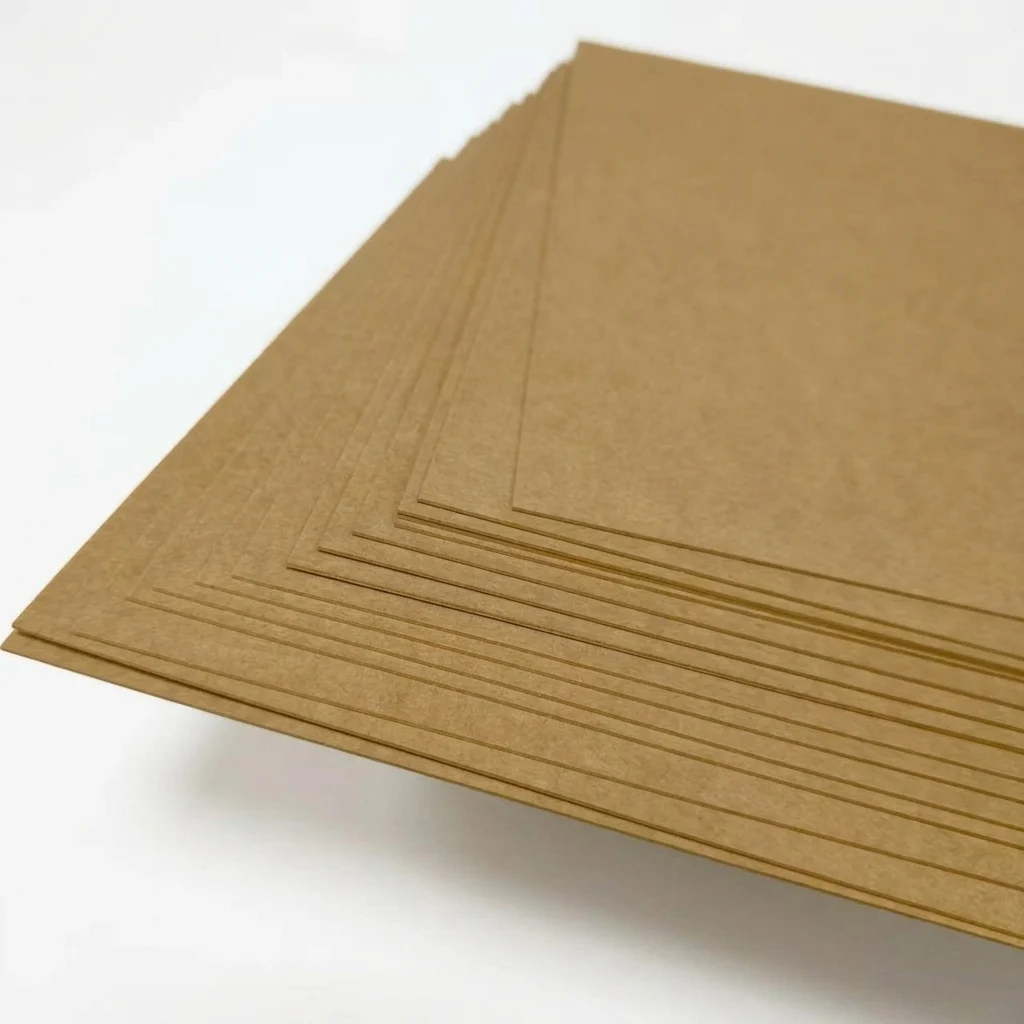
Material / Paperboard
Natural kraft board for earthy, recycled, and practical packaging programs.
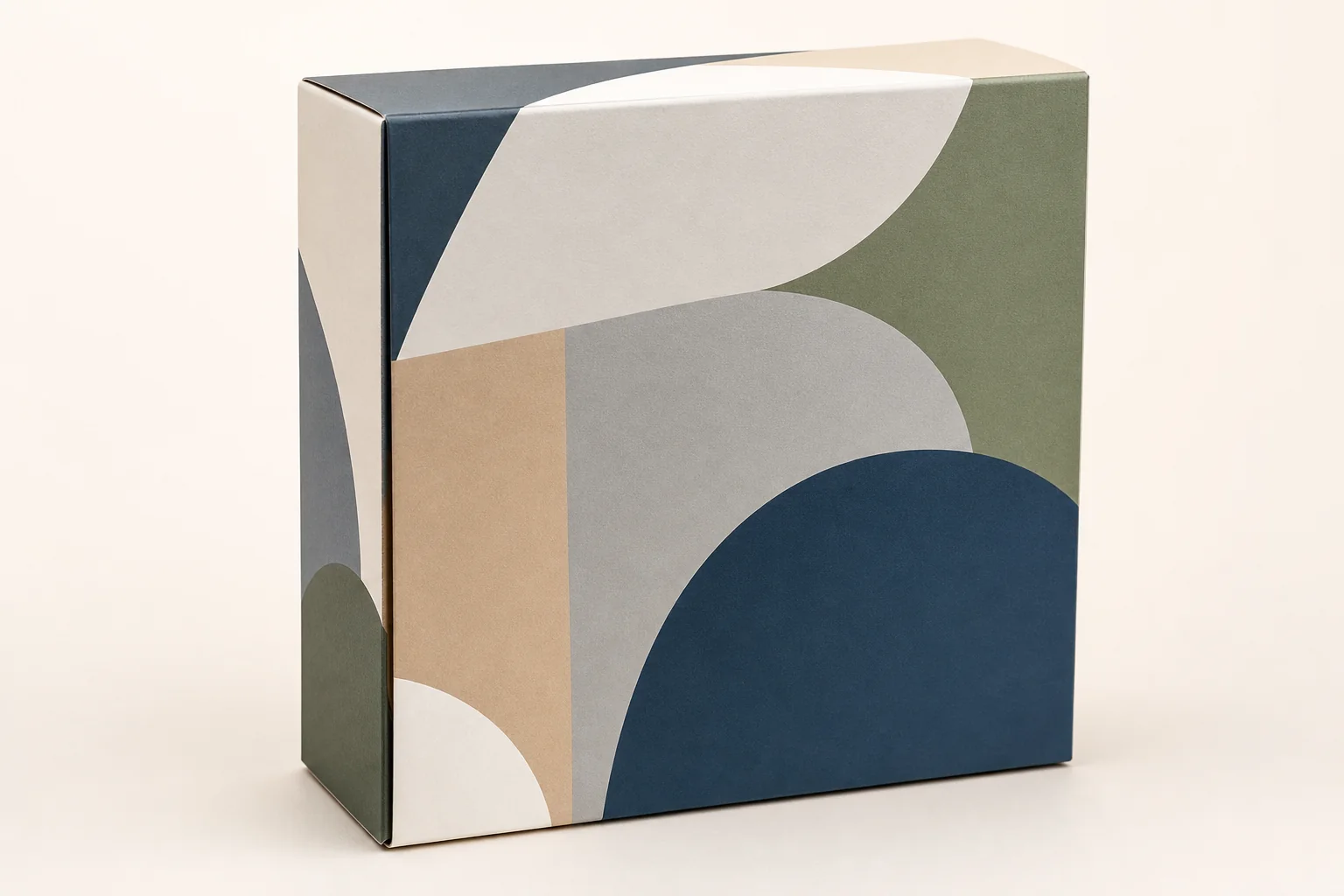
Printing / Print Method
Four-color offset printing for detailed artwork and consistent production quality.
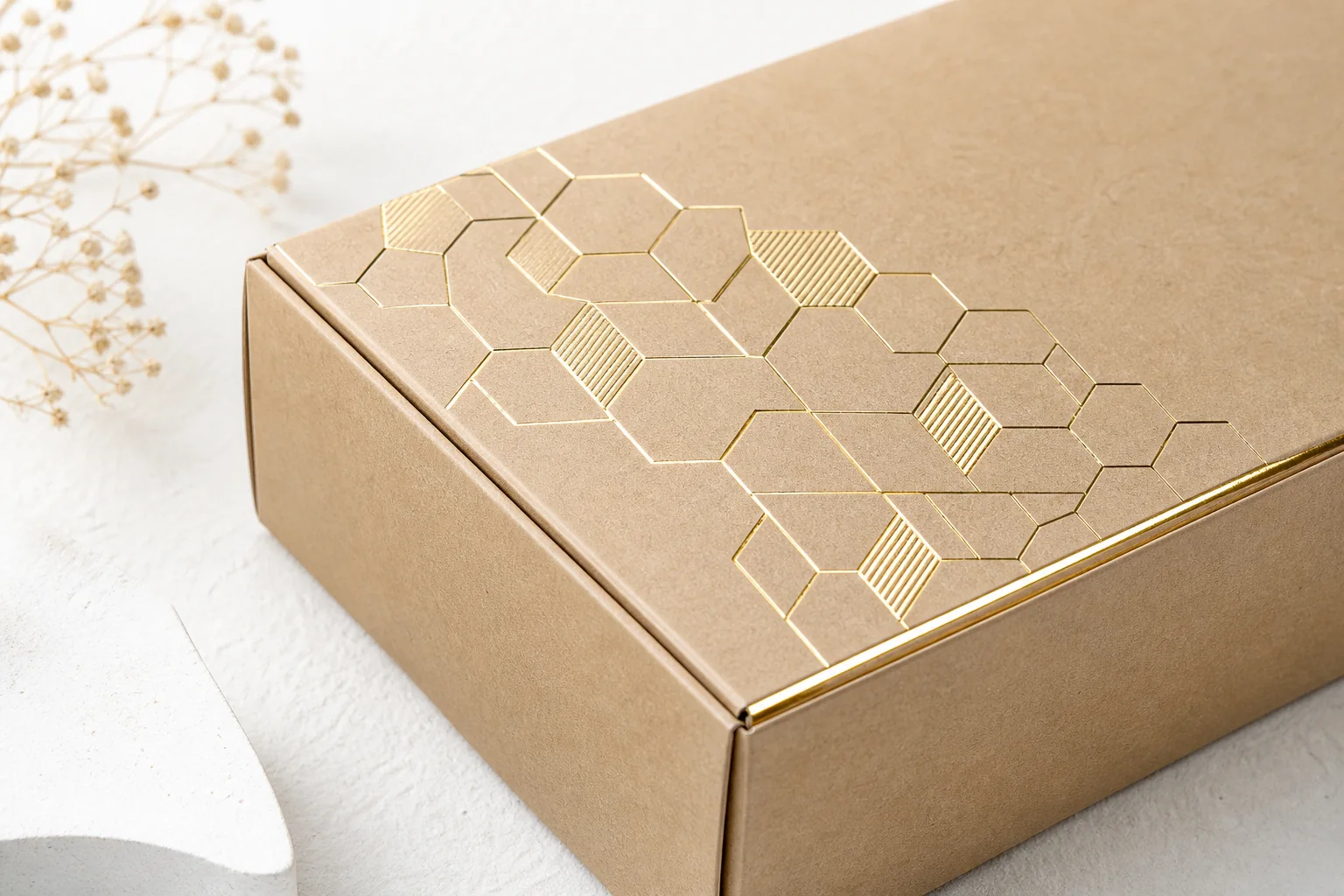
Finishing / Visual
Metallic foil detail in gold, silver, rose gold, or custom colors for premium marks.
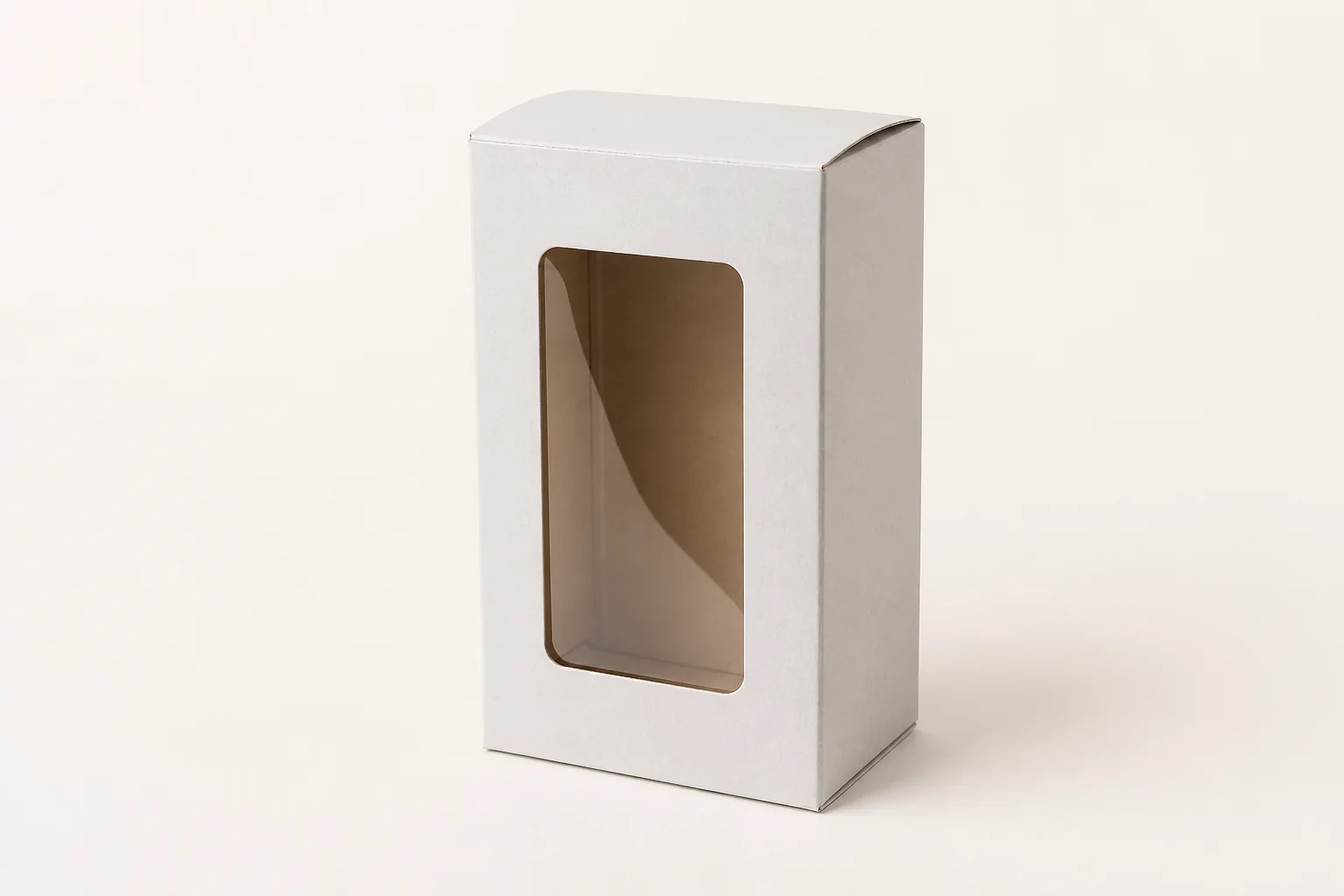
Finishing / Structural
Shaped product window, often paired with clear PET or PVC patching film.
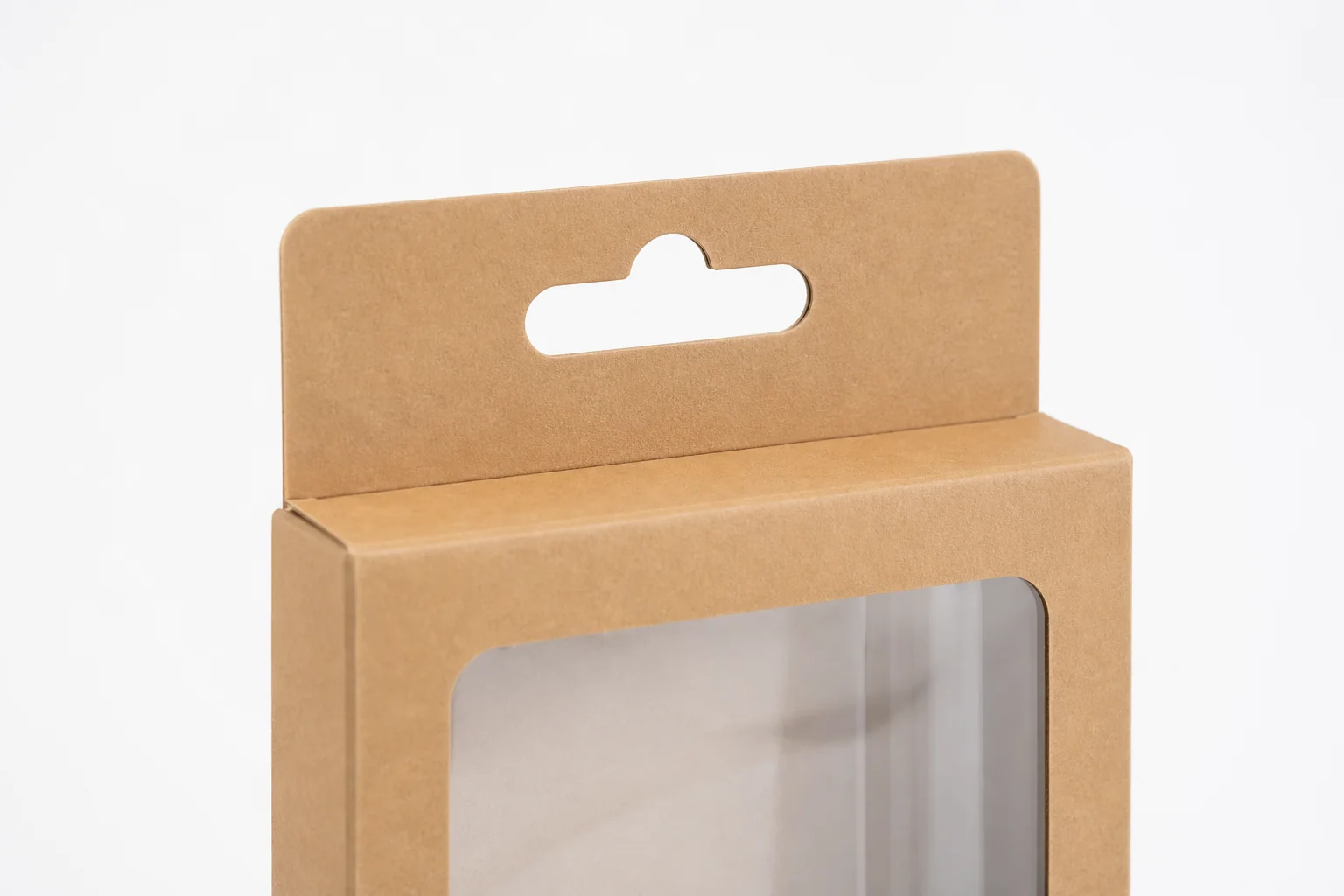
Finishing / Structural
Peg-display detail for retail cartons that need to hang on hooks or shelf fixtures.
Production checks
Use these checks to brief material, print, structure, protection, and channel requirements before sampling or bulk production.
Build the carton around product dimensions, insert clearance, display panels, and shipping route.
Choose SBS, kraft paperboard, recycled CCNB, or textured board based on print quality, cost, and brand positioning.
Plan full-color offset print, spot colors, Pantone matching, inside print, or lower-volume digital print.
Use matte AQ, gloss AQ, soft-touch coating, lamination, foil stamping, embossing, or spot UV for shelf impact.
Add windows, hang tabs, dust flaps, locking tabs, inserts, dividers, or sleeves when the product needs extra display or holding.
Confirm whether the folding carton is primary packaging, retail display packaging, or part of an ecommerce shipper set.
Selection guide
Start with the business requirement, then compare the recommended structure before requesting samples, pricing, or a custom quote.
RTE Boxes
Use this path when the product is small, the budget is tight, and the carton does not need a premium opening sequence.
Explore RTE Boxes
Tuck End Box
Choose this when cosmetics, supplements, or healthcare items need a display-facing front panel and a familiar tuck-flap opening.
Explore Tuck End Box
Auto-Bottom Boxes
Move here when manual setup time, product weight, or bottom support matters more than the lowest carton unit cost.
Explore Auto-Bottom Boxes
Seal End Boxes
Use a sealed-end route when production needs repeatable closed ends, consistent filling, and less post-purchase reopening.
Explore Seal End Boxes
Gable Boxes
Pick this when the handle is useful for food gifts, event kits, takeaway packaging, or presentation sets.
Explore Gable Boxes
Pillow Boxes
Use this when curved presentation matters more than square stacking, rigid protection, or broad retail panel space.
Explore Pillow Boxes
Quote-ready details
These inputs help turn a packaging idea into a clearer custom box route, sample plan, and production estimate.
FAQ
Review common structure, material, finish, and sampling questions before requesting a quote.
A folding carton is a paperboard box that is printed, die-cut, creased, and shipped flat before being folded into shape for retail packaging. It is commonly used for lightweight to medium products that need branded print area, shelf presentation, and efficient storage before packing.
Product boxes are one common use for folding cartons. Folding cartons are paperboard boxes used for retail products, cosmetics, supplements, food gifts, healthcare items, and other lightweight to medium products.
Custom folding cartons work best for lightweight to medium retail products such as cosmetics, supplements, soaps, food gifts, small accessories, and branded product launches that need strong print area and shelf presentation.
Straight tuck end cartons are a strong starting point for clean retail product boxes. Auto-bottom cartons are better when the product is heavier or pack-out speed matters.
RTE boxes use tuck flaps on opposite sides, which can be efficient for light products and cost-controlled carton runs. Straight tuck end cartons open from the same side, keeping the main display panel cleaner for beauty, healthcare, and retail products.
Start with product weight, pack-out speed, and display need. RTE boxes are cost efficient, straight tuck end cartons suit retail-facing packaging, auto-bottom boxes help heavier products and faster packing, seal end boxes support automated sealing, gable boxes add a handle, and pillow boxes fit small gifts.
Common options include SBS paperboard for clean print quality, kraft paperboard for a natural look, recycled CCNB for cost control, and textured specialty paperboard for premium positioning.
Yes. Folding cartons can include die-cut windows, PET window patching, paperboard inserts, dividers, hang tabs, foil stamping, embossing, debossing, matte coating, gloss coating, soft-touch coating, and spot UV.
Yes. Folding cartons can be specified with FSC paper options, recycled paperboard such as CCNB, kraft board, or other paper-based routes depending on brand goals, print expectations, compliance needs, and market requirements.
Pricing depends on carton size, paperboard grade, quantity, print coverage, finish choices, window patching, inserts, dieline complexity, and sampling requirements.
A useful quote request should include product dimensions, product weight, quantity, preferred structure, artwork status, material or finish preferences, shipping or retail use, and any insert or window requirements.
Folding cartons are usually primary retail packaging, not standalone shipping cartons. For ecommerce delivery, they are often placed inside a corrugated mailer or shipper unless the product is very light and the delivery route is controlled.
Quote preparation
Share product dimensions, quantity, artwork status, material preference, and the structure you are comparing. YATBRAND can help narrow the route before sampling.
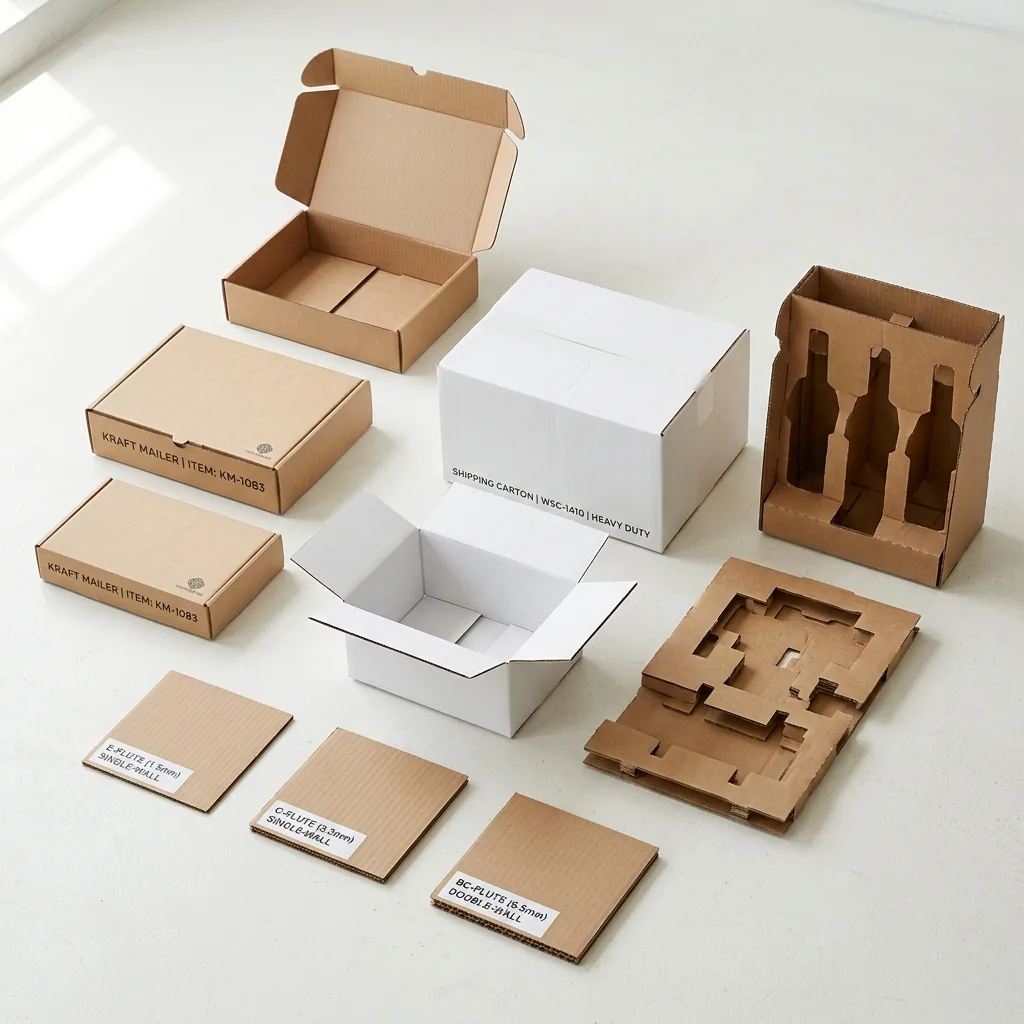 Corrugated Boxes Choose the corrugated box route by shipping risk, product weight, print needs, insert fit, and the opening experience your customer should receive.
 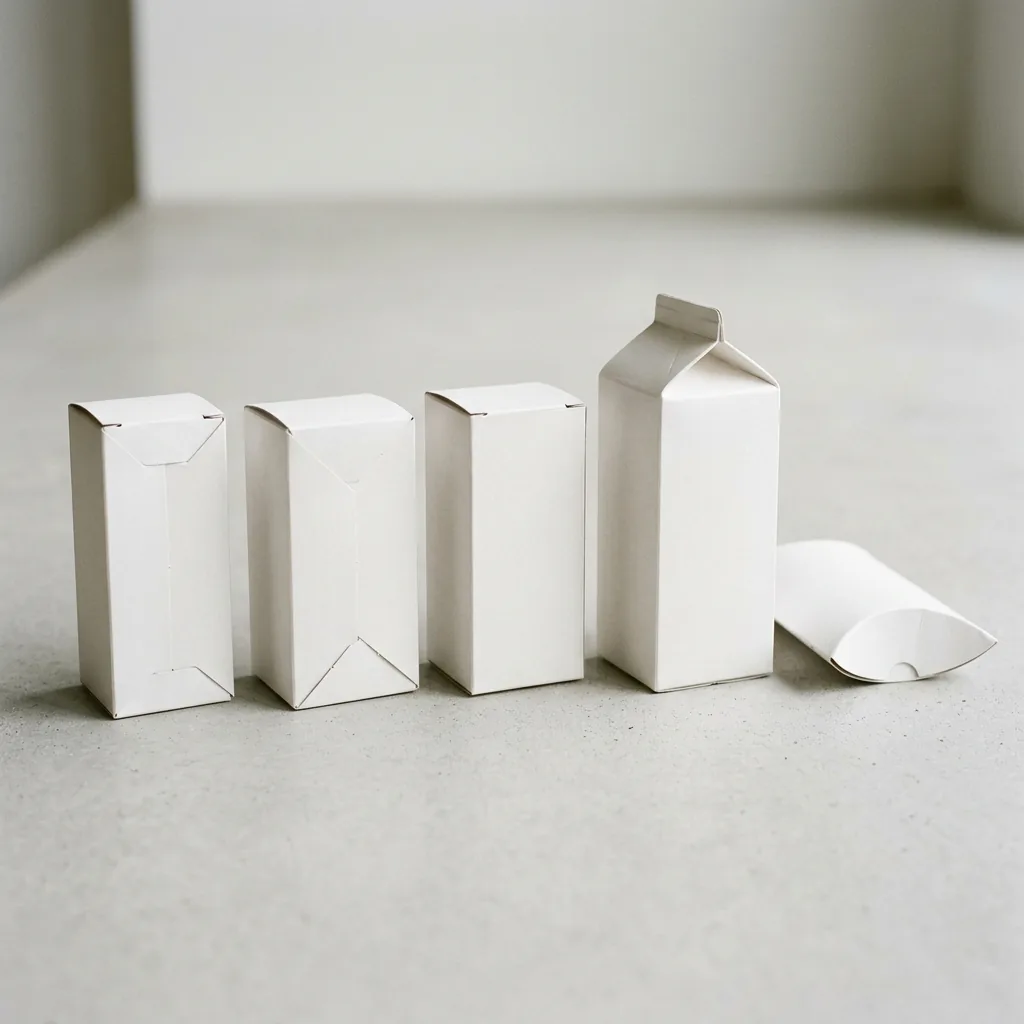 Folding Cartons Compare paperboard carton styles by structure, product fit, material, print area, and production use before choosing a quote-ready packaging path.
 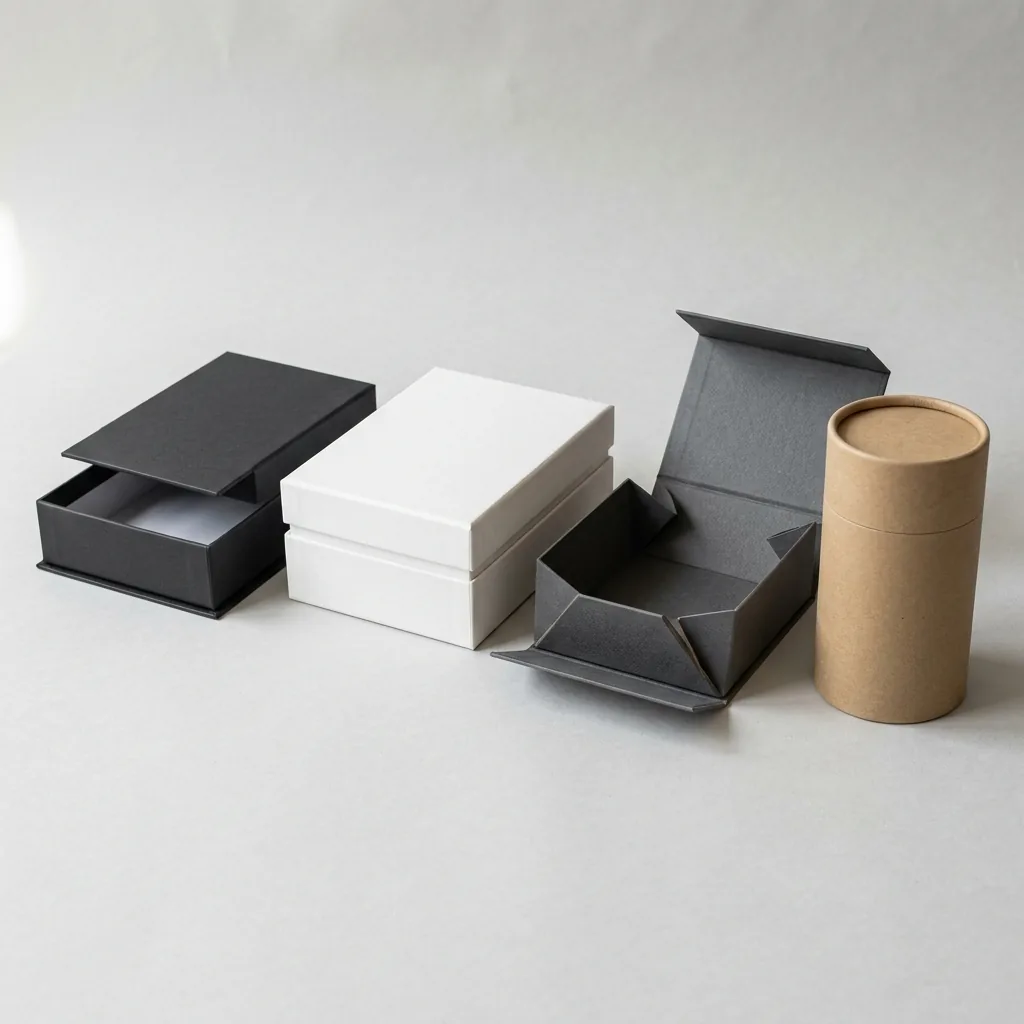 Rigid Boxes Choose rigid boxes when the packaging needs a stronger gift-box feel, durable presentation, premium surface finishing, and a more controlled opening experience.
 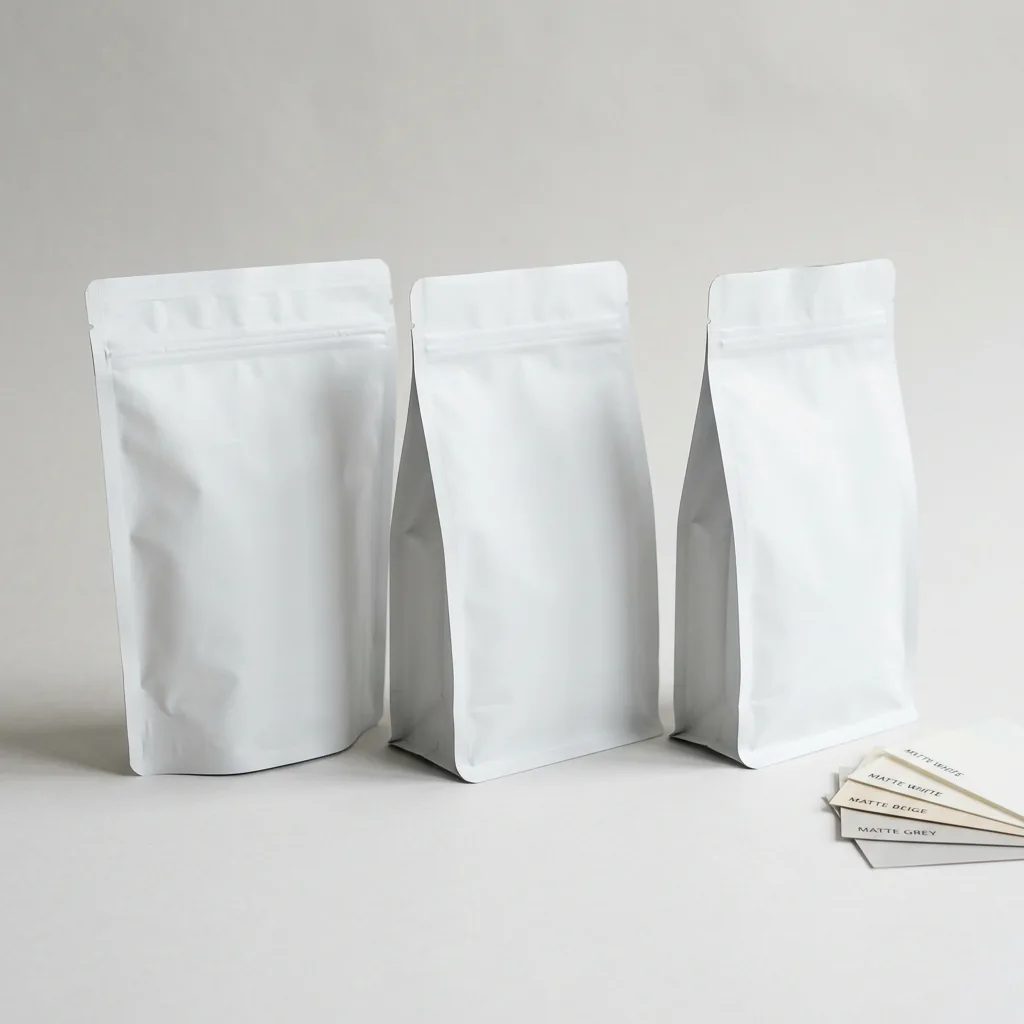 Flexible Pouches Use custom pouches when the packaging needs to stay light, portable, resealable, shelf-friendly, or efficient for food, refills, masks, samples, and pet products.
 Product structures
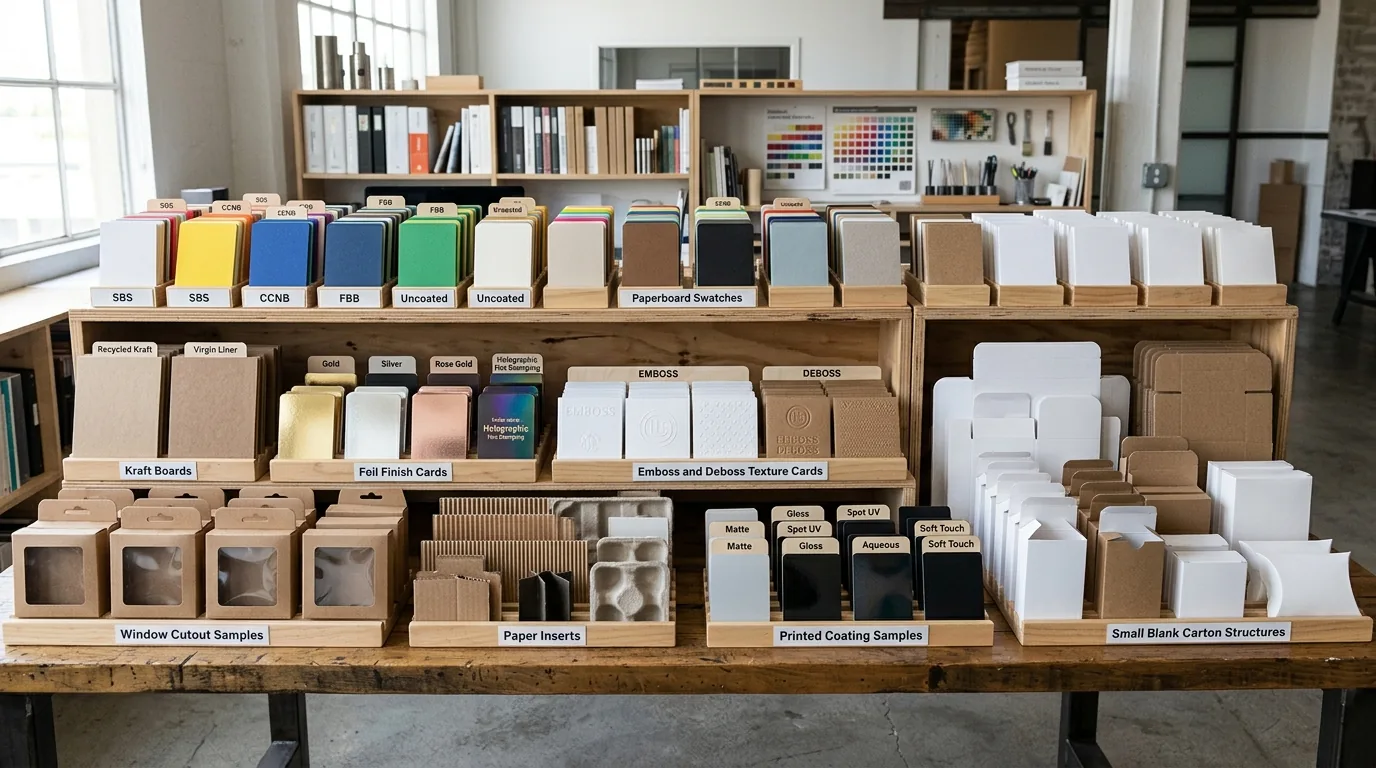
Option Library
Browse materials, print methods, finishes, inserts, and packaging features before choosing a structure.
Browse all options Cosmetics & Skincare Packaging routes for skincare launches, beauty refill sets, cosmetic retail units, and premium PR kits.
  Food & Beverage Packaging Packaging routes for coffee pods, tea, cookies, confectionery, bakery products, snacks, and gift assortments.
  Apparel & Fashion Mailer, pouch, wrap, and gift-ready packaging directions for fashion and lifestyle products.
 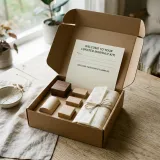 Subscription Boxes Packaging ideas for recurring kits, campaign boxes, sample programs, and DTC launch testing.
 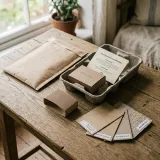 Eco-Friendly Packaging Paper-based structures, recycled boards, FSC options, and lower-plastic packaging paths.
 Solution paths
Solution paths
Solution paths
Solution paths
Solution paths
Inspiration Library
Get inspired by browsing creative packaging concepts and see how brands from your industry are designing their packaging.
Browse inspiration library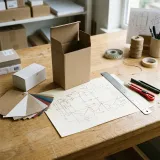 Services overview Compare design, customization, production, and eco support before choosing a project route. Packaging Design Turn a product idea into packaging that is ready for sampling, shelf presentation, and production.
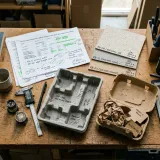
 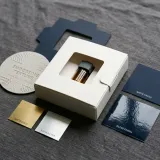 Packaging Customization Dial in every detail, from board choice and finish to window cutouts, inserts, openings, and small functional touches.
 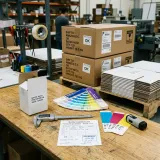 Packaging Production Move from approved sample to reliable production with global sourcing, low minimums, and pricing built for growing brands.
  Eco Support Build packaging with clearer sustainability choices, including FSC paper, recycled board, soy-based ink, and plastic-reduction options.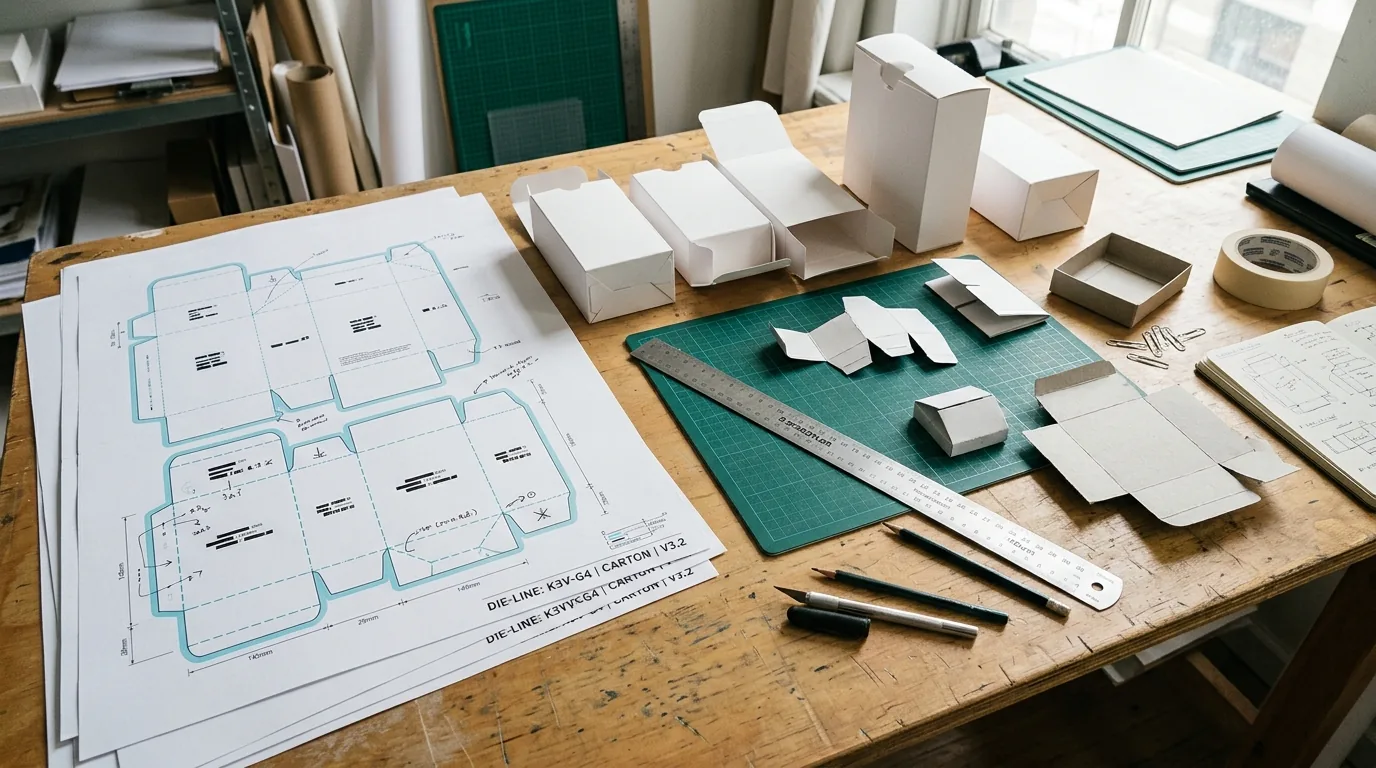
Download 2000+ Templates & Dielines
2000+ customizable packaging templates and dielines, with 3D mockups. 100% customizable. 100% downloadable.
Learn more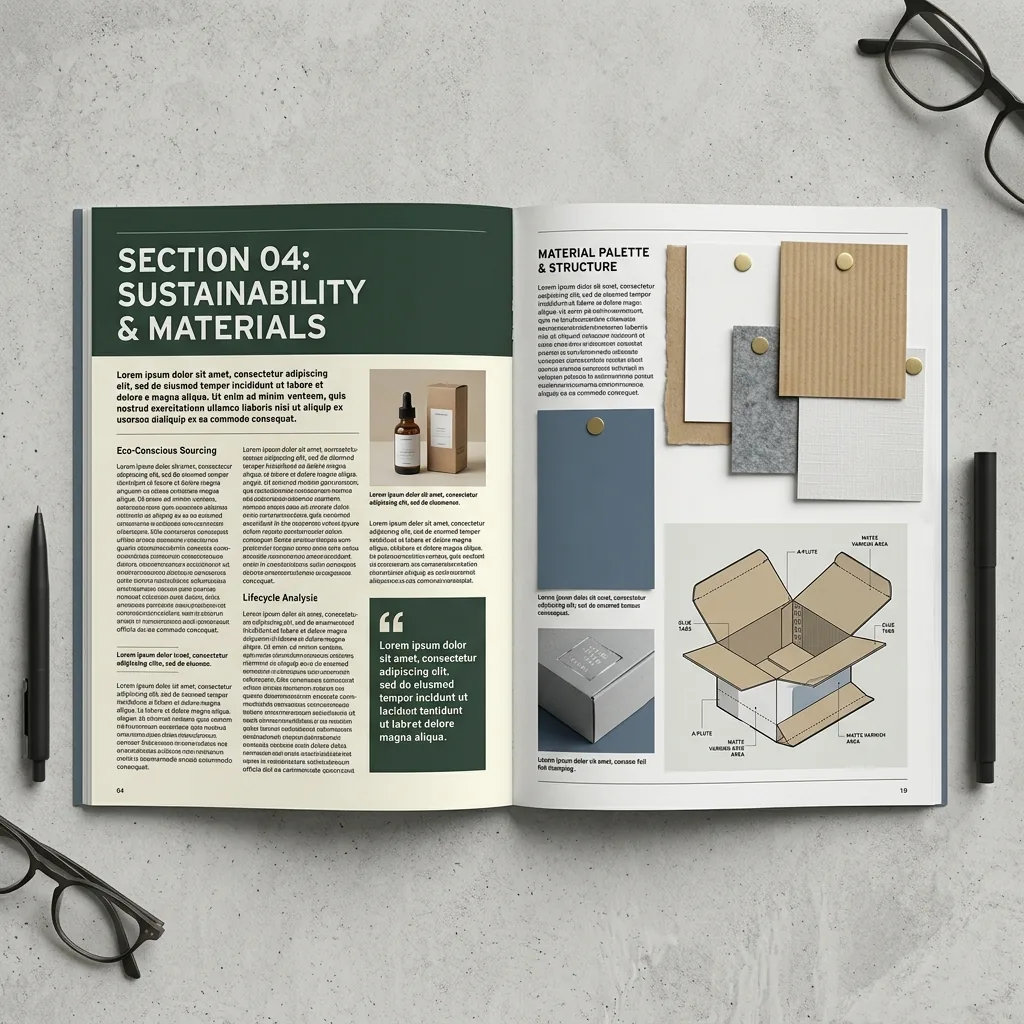 BLOG Read packaging ideas, buyer guides, and material explainers for custom projects.
 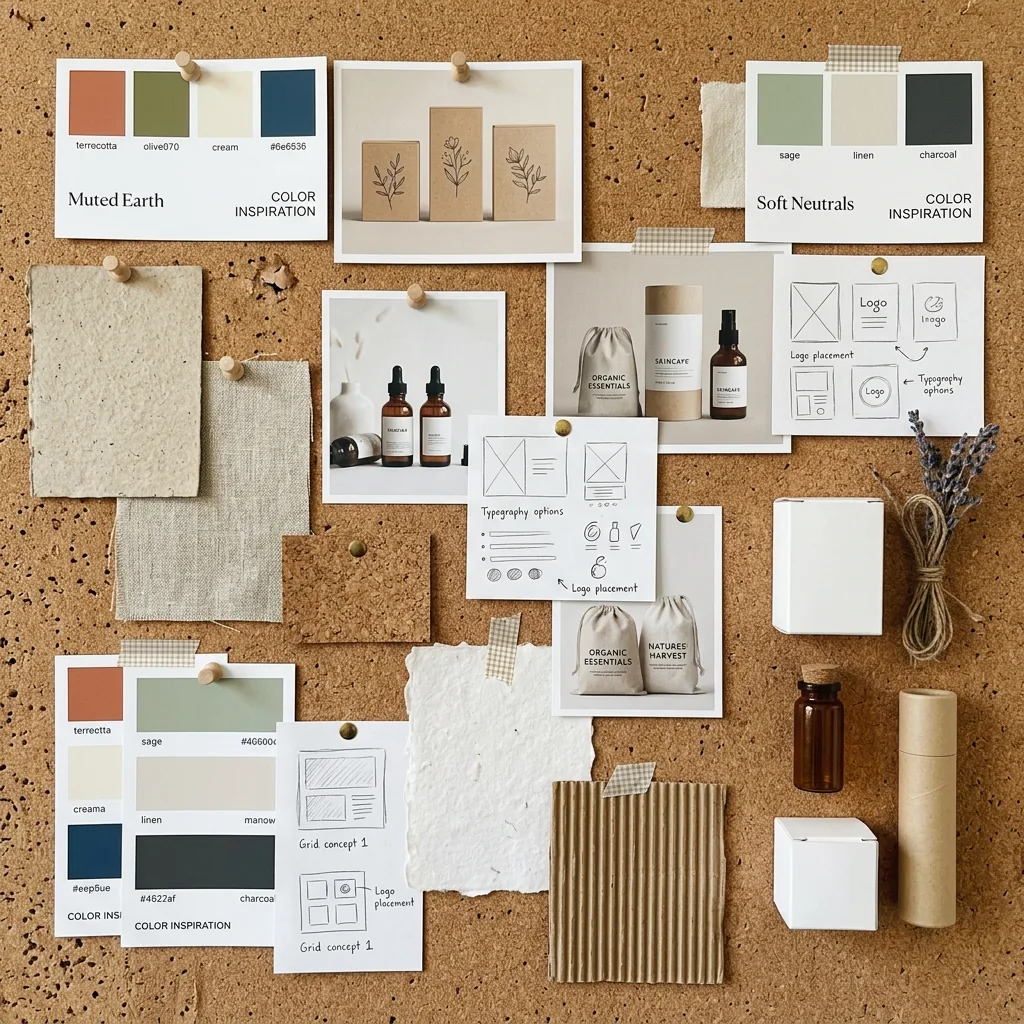 Case Studies Review detailed packaging structures, materials, finishes, fit checks, and production decisions.
 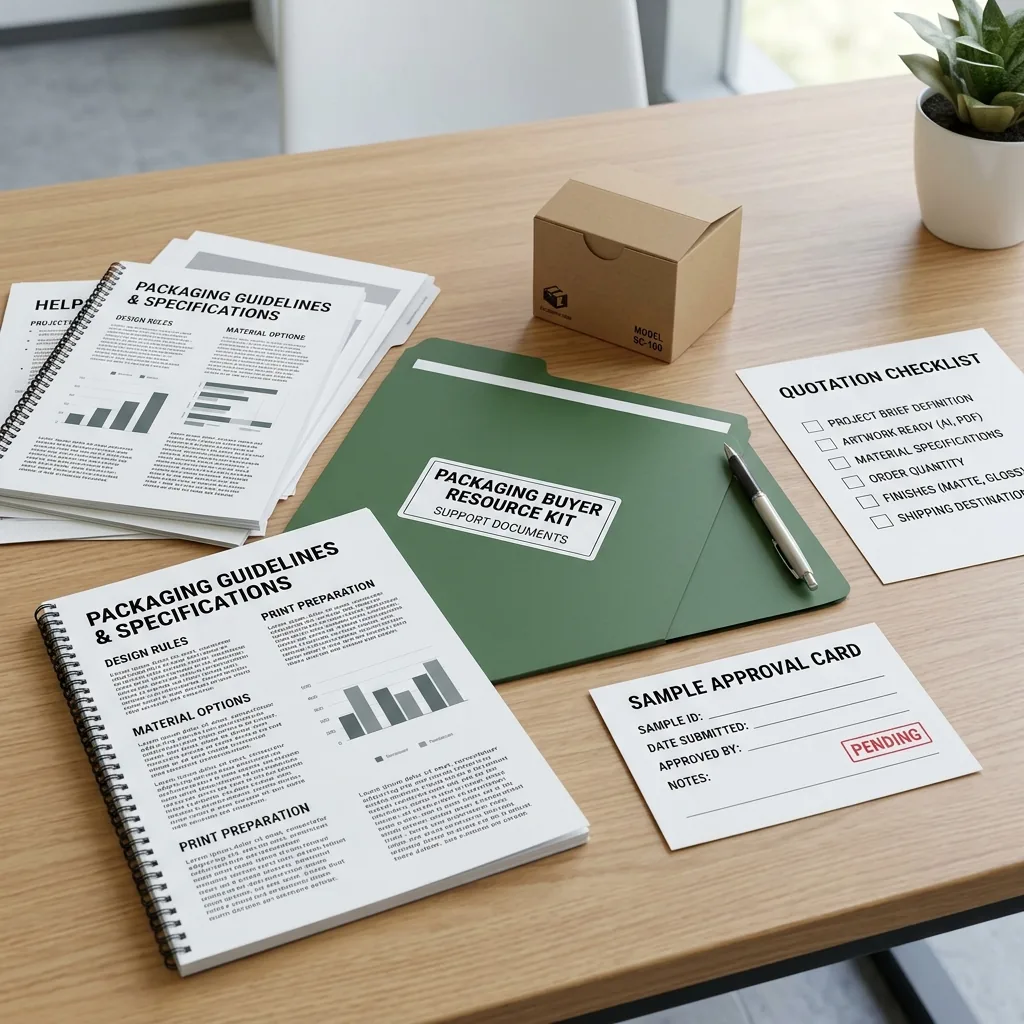 Help Center Find answers for artwork, quotes, samples, production timing, and delivery support. Inspiration Library Browse packaging concepts, industry examples, and launch-ready design directions.
 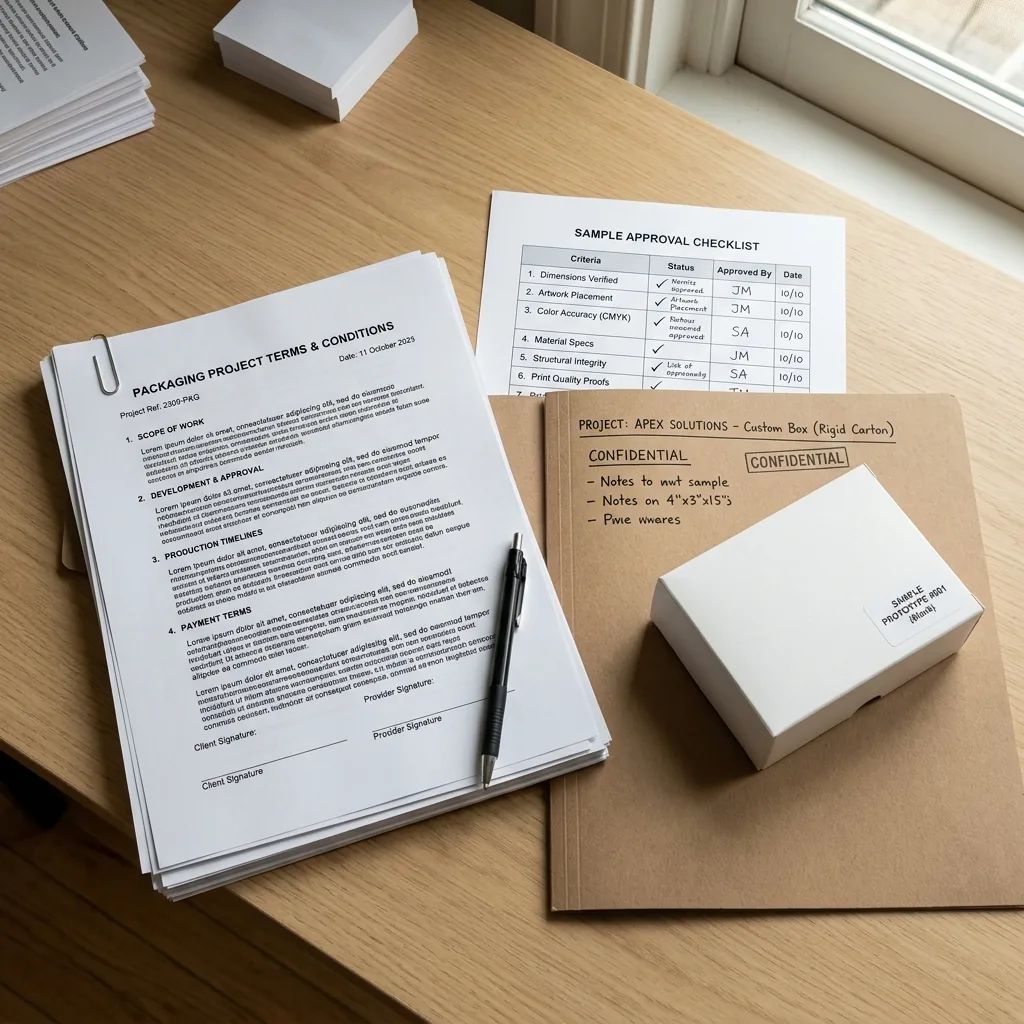 Terms & Conditions Review project, ordering, production, delivery, and website usage terms.
 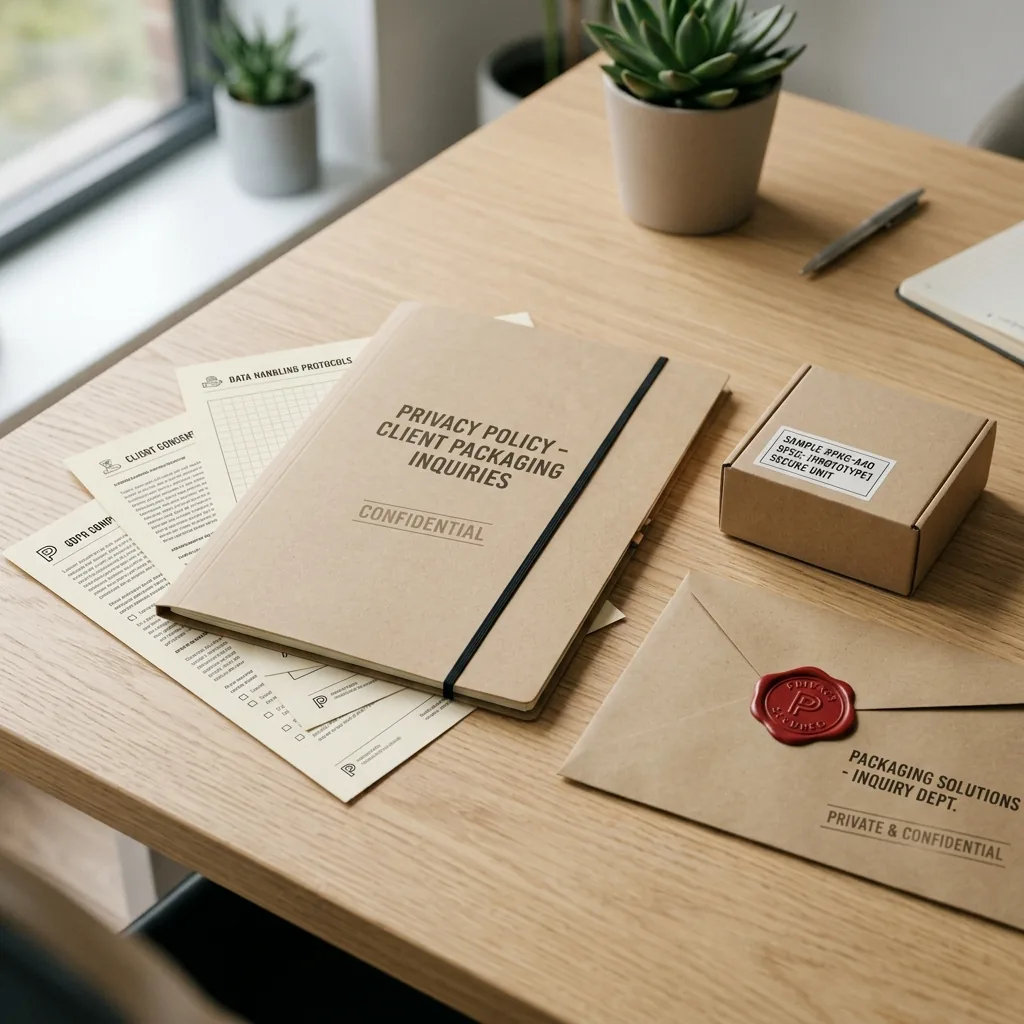 Privacy Policy See how customer details, quote inquiries, and project information are handled.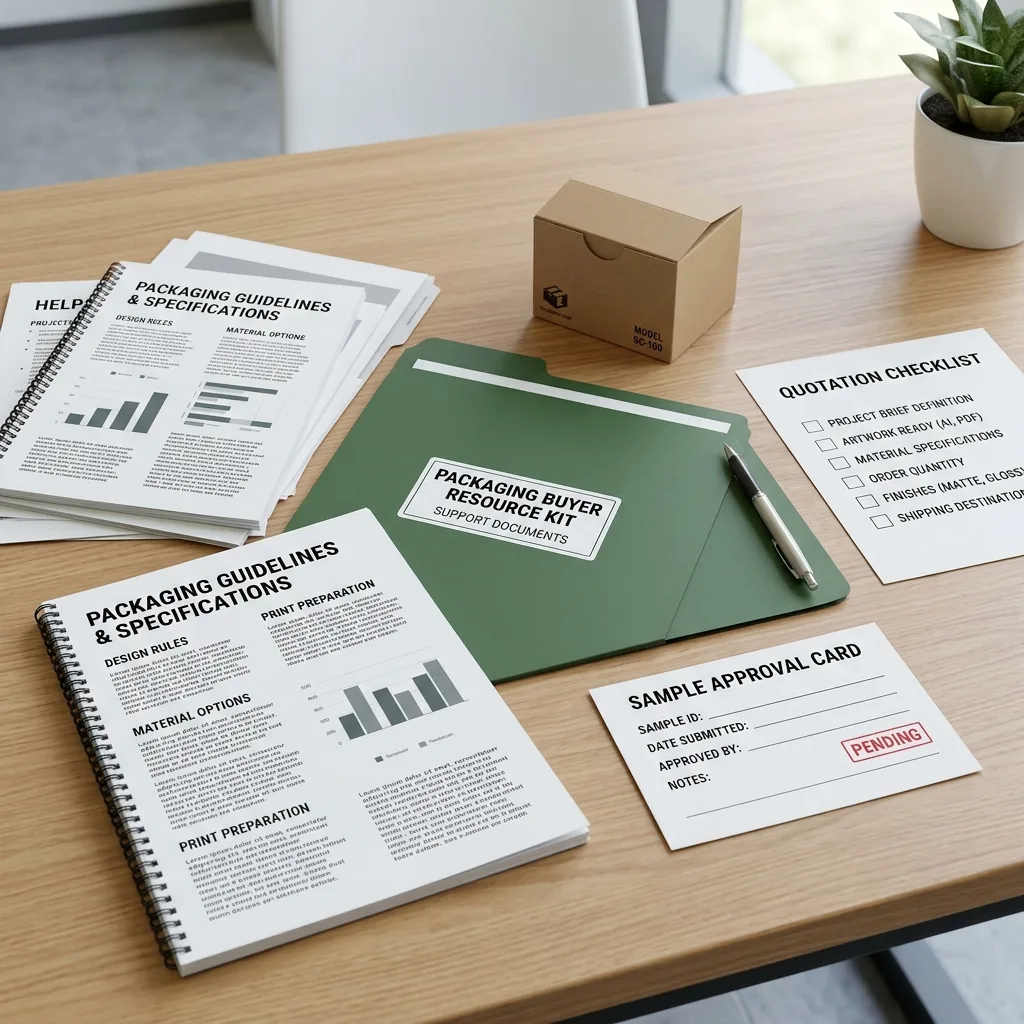
Help Center
Get practical answers before you request a quote, from artwork files and sampling steps to production timing, shipping notes, and packaging project details.
Visit help center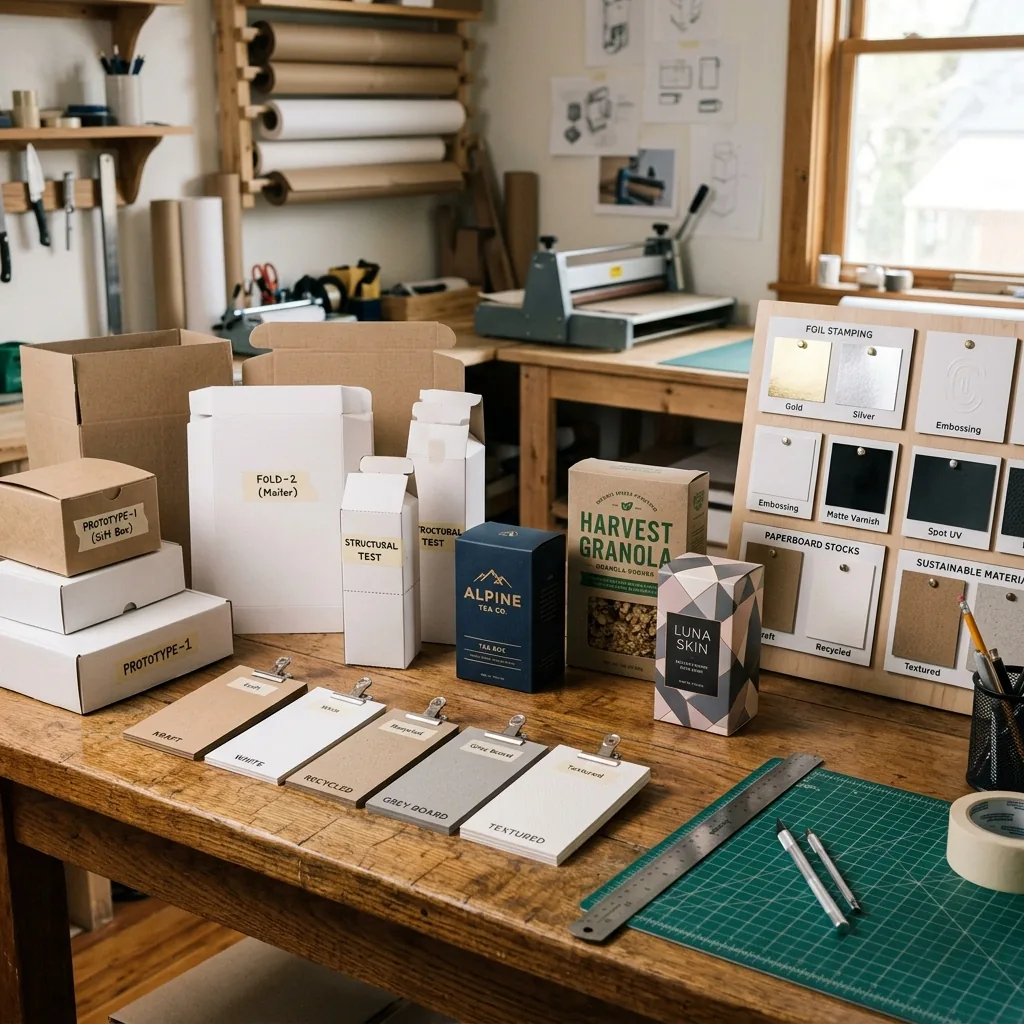 About YATBRAND Learn how we support custom packaging projects from planning to production.
 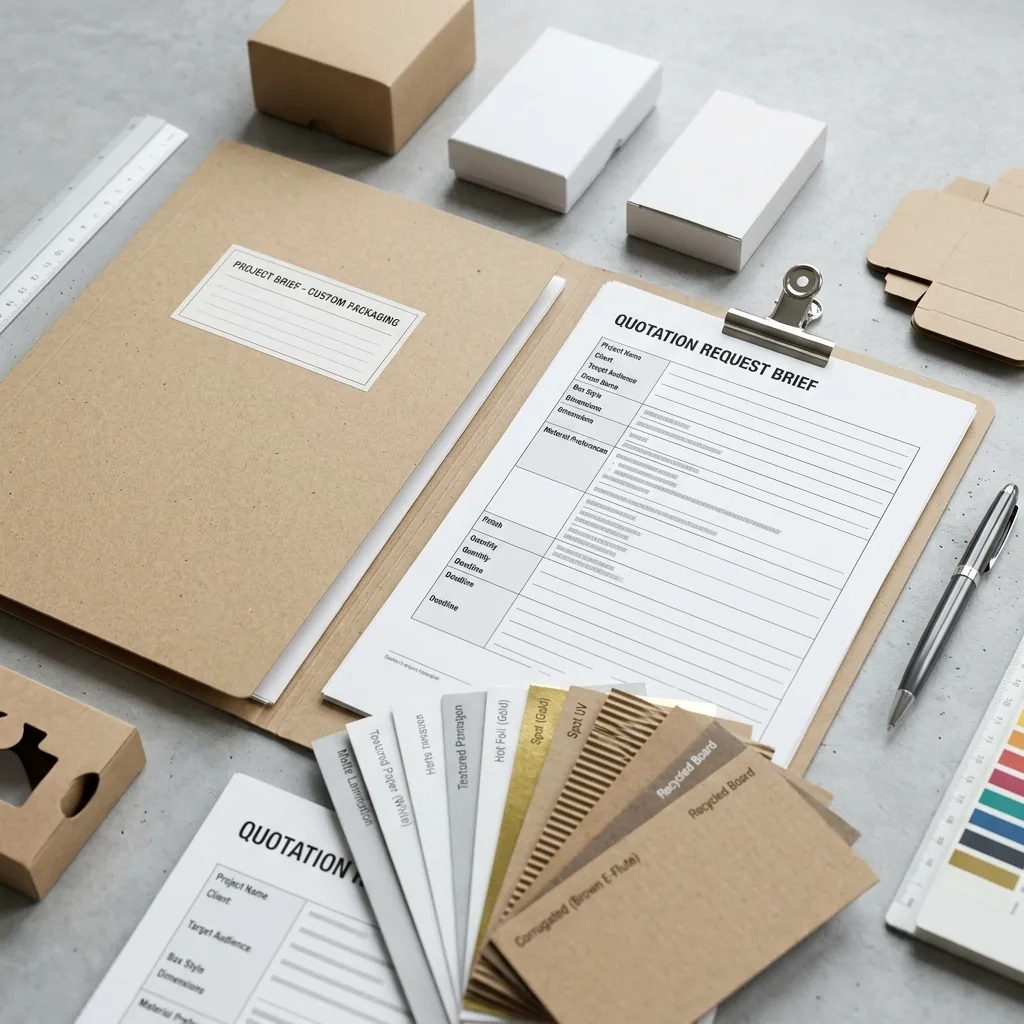 Contact Us Share product details, quantities, timelines, and custom packaging goals. Request a quote Send size, quantity, material, artwork, and timeline details for a quote-ready review.
 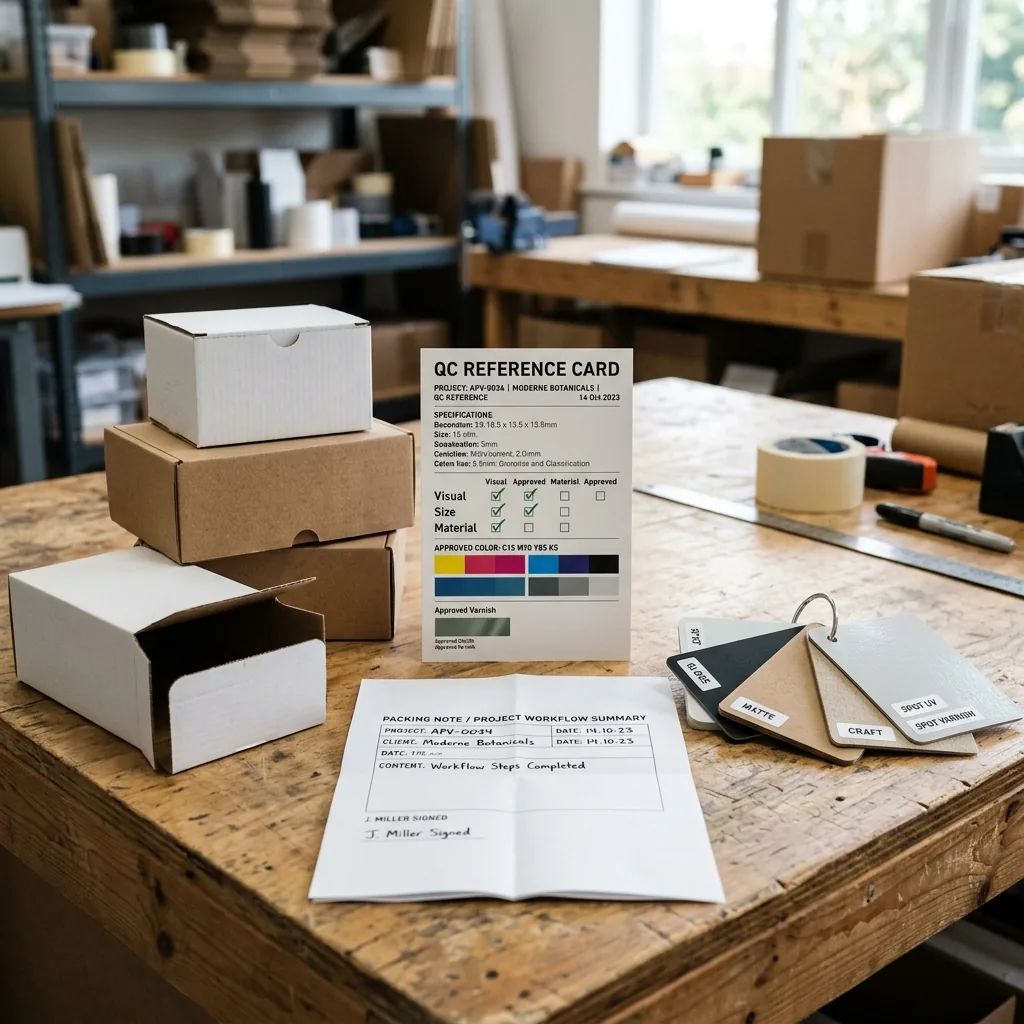 Our Approach See how packaging guidance, samples, production control, and delivery details work together. Quality & Production Review how sampling, production, inspection, and delivery support fit together.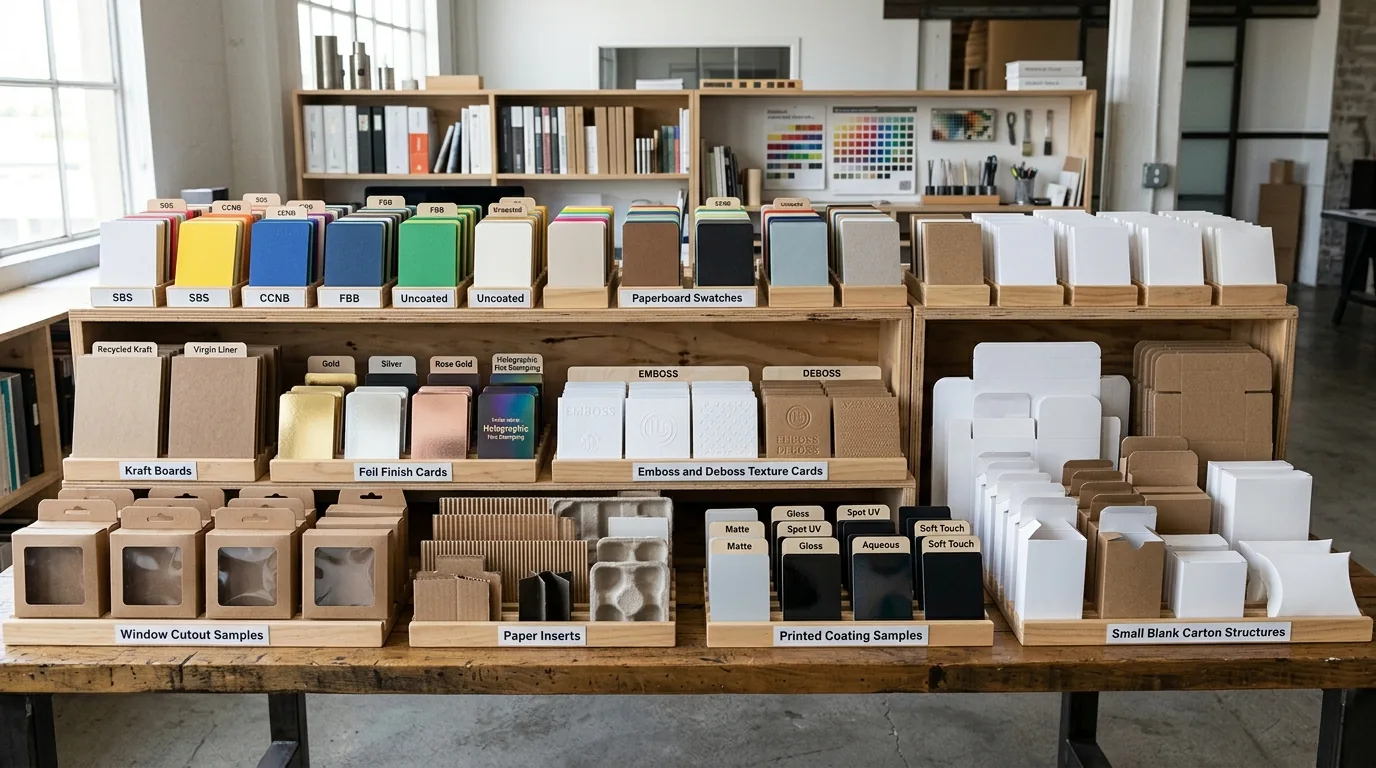
YATBRAND LLC
Custom packaging support for brands that need structure guidance, material options, sampling, quality review, and delivery coordination.
Learn about YATBRAND
Packaging specialist
Ask about structure, materials, samples, or quote details.