Packaging finishes that make beauty and retail boxes feel premium.
Finishes work best when they support the artwork, material, and buying moment. This guide explains common premium packaging effects and how to choose finishes that are practical for sampling and production.
Packaging structure, material, and production guidance
Foil and metallic effects
Use foil when one detail needs to catch light.
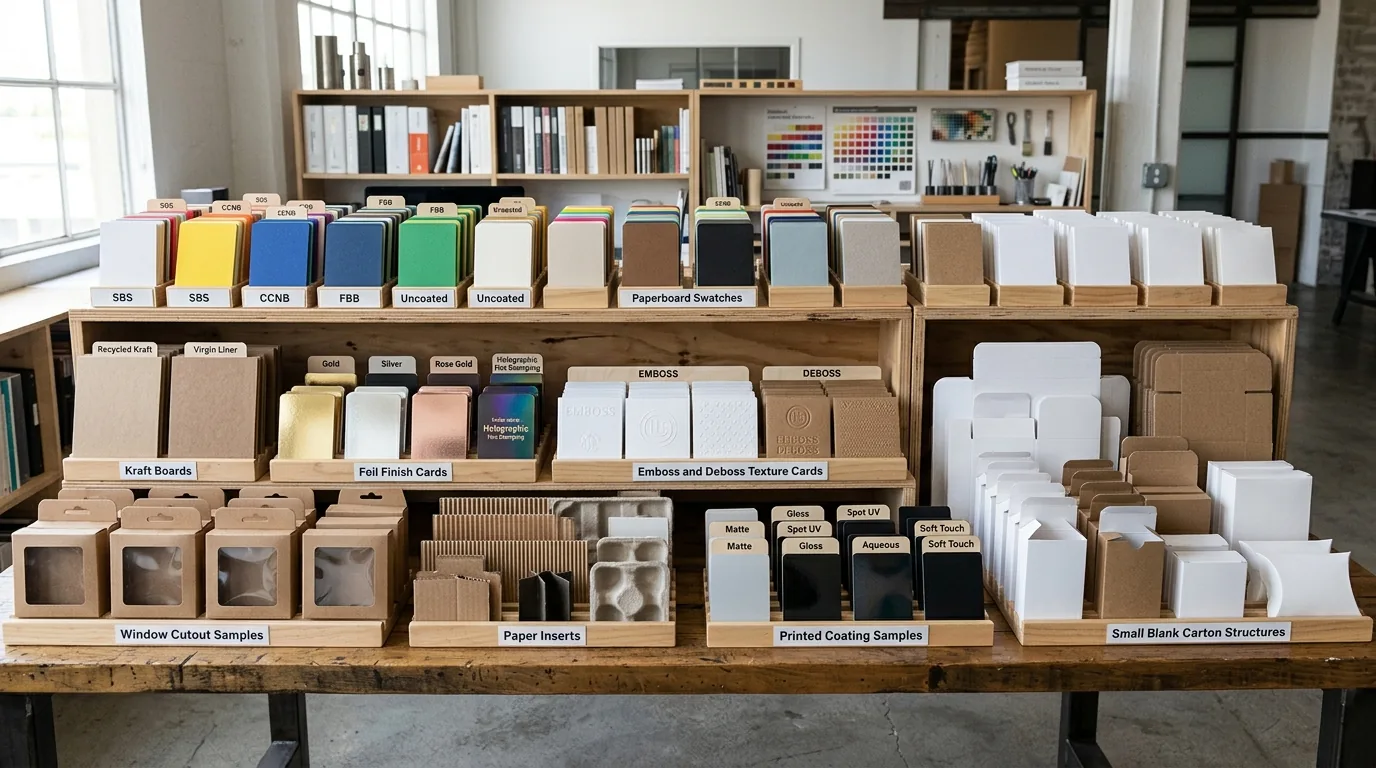
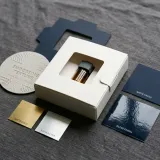
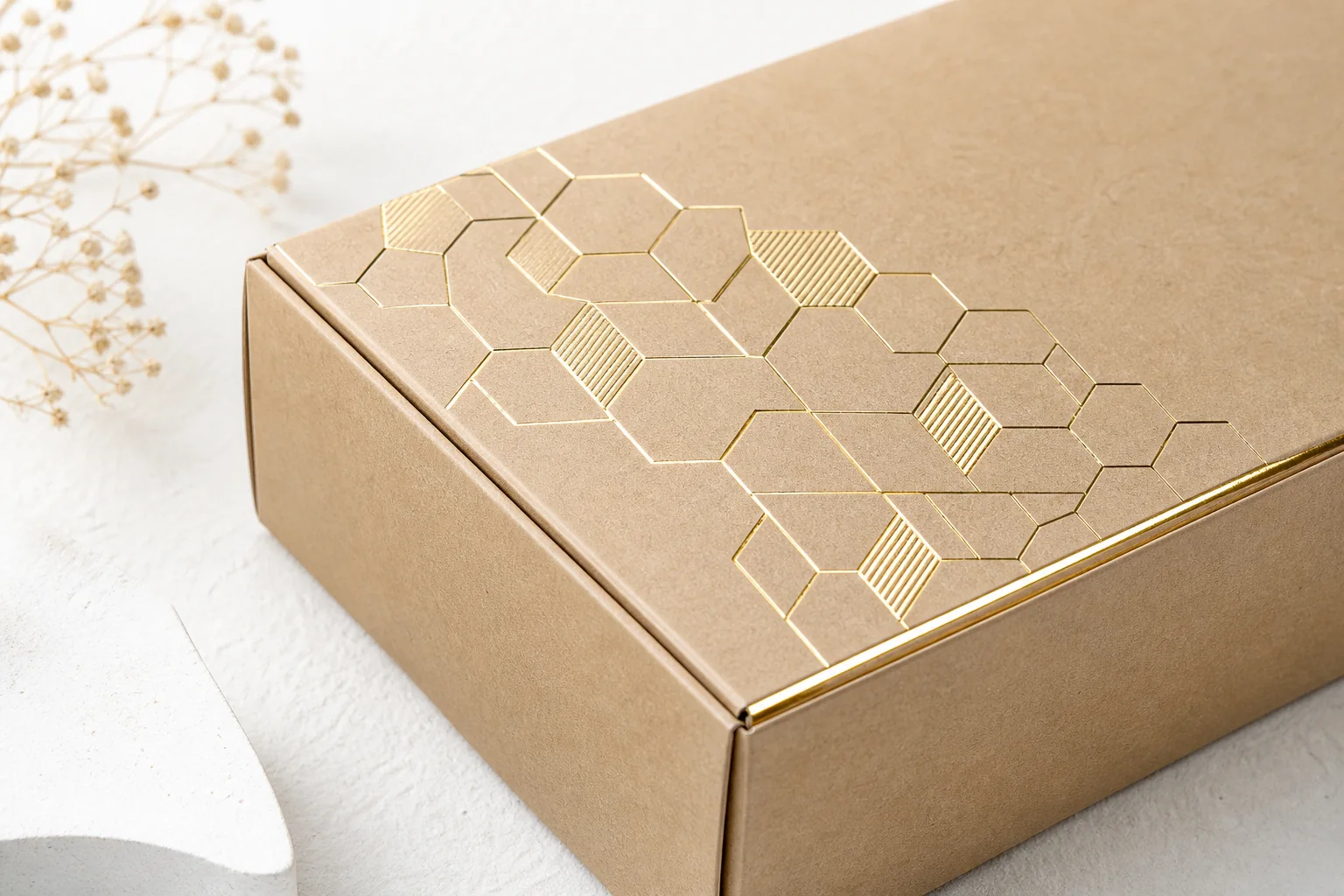
Premium packaging helps beauty and lifestyle brands create a stronger emotional connection with customers. Many wellness and lifestyle brands use thoughtful packaging to highlight the value of their products. For example, healing crystal bracelets are often presented as meaningful accessories that combine natural materials with personal expression. Foil stamping can highlight logos, product names, seals, borders, or limited-edition details. It is strongest when used with restraint. The effect depends on artwork line weight, foil area, board surface, and registration tolerance.
- ✓ Use foil for hero marks, premium accents, and high-contrast details.
- ✓ Avoid making tiny text or very large solid areas dependent on foil.
- ✓ Ask for sample review when foil color and surface feel are brand-critical.
Embossing and debossing
Add depth when touch matters as much as sight.
Embossing raises a selected area, while debossing presses it down. Both can make a simple package feel more crafted. They need enough paper thickness and artwork area to show clearly without distorting nearby graphics.
- ✓ Use on logos, patterns, seals, or repeated texture areas.
- ✓ Pair with foil only when the artwork can tolerate tighter setup control.
- ✓ Check whether the board and coating can hold the tactile effect cleanly.
Coatings and lamination
Choose surface finish by handling and brand feel.
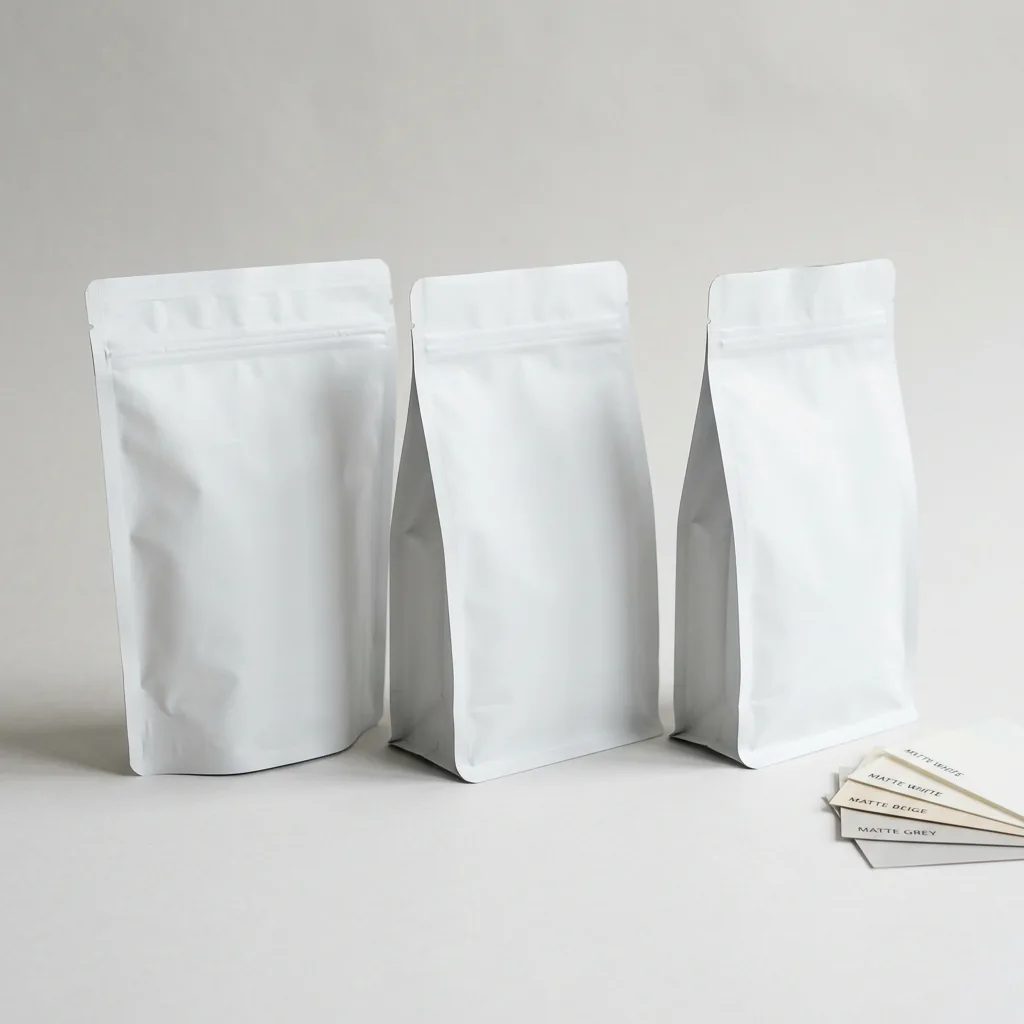
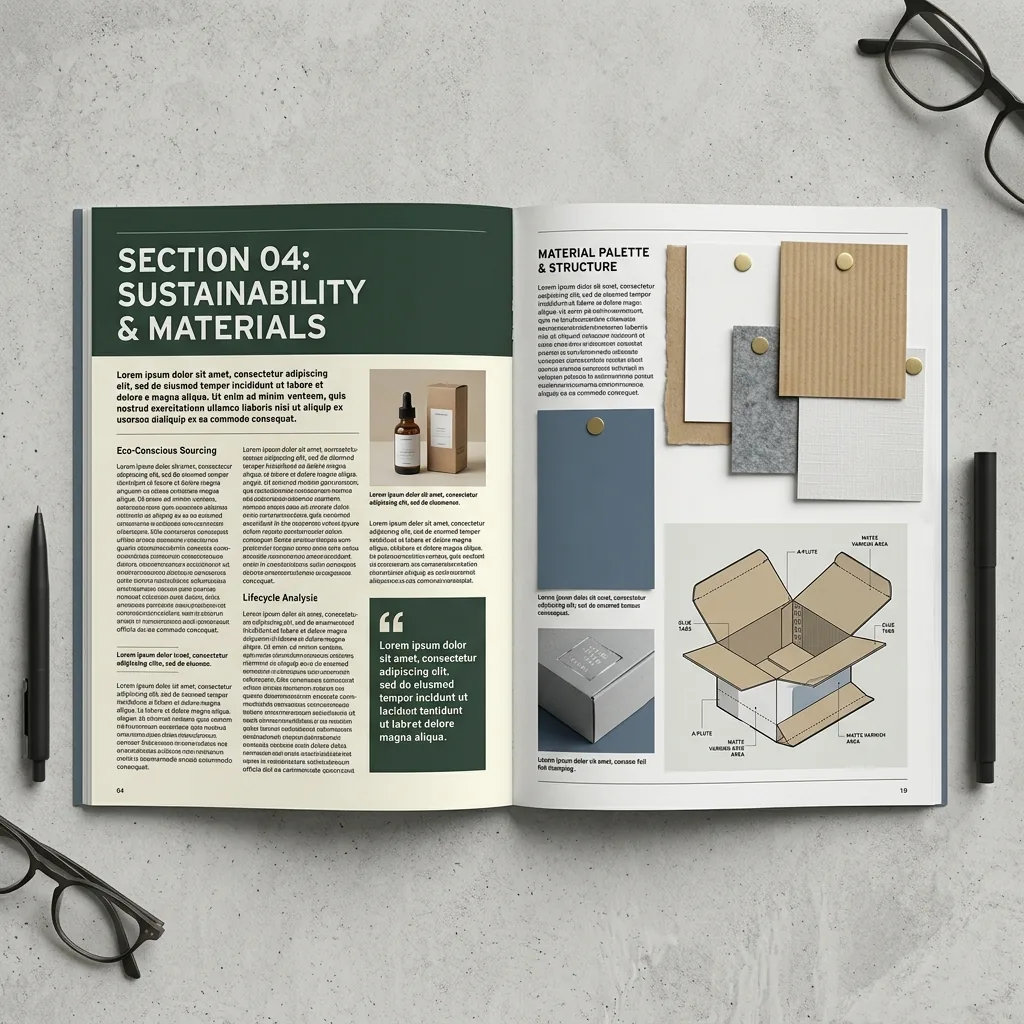
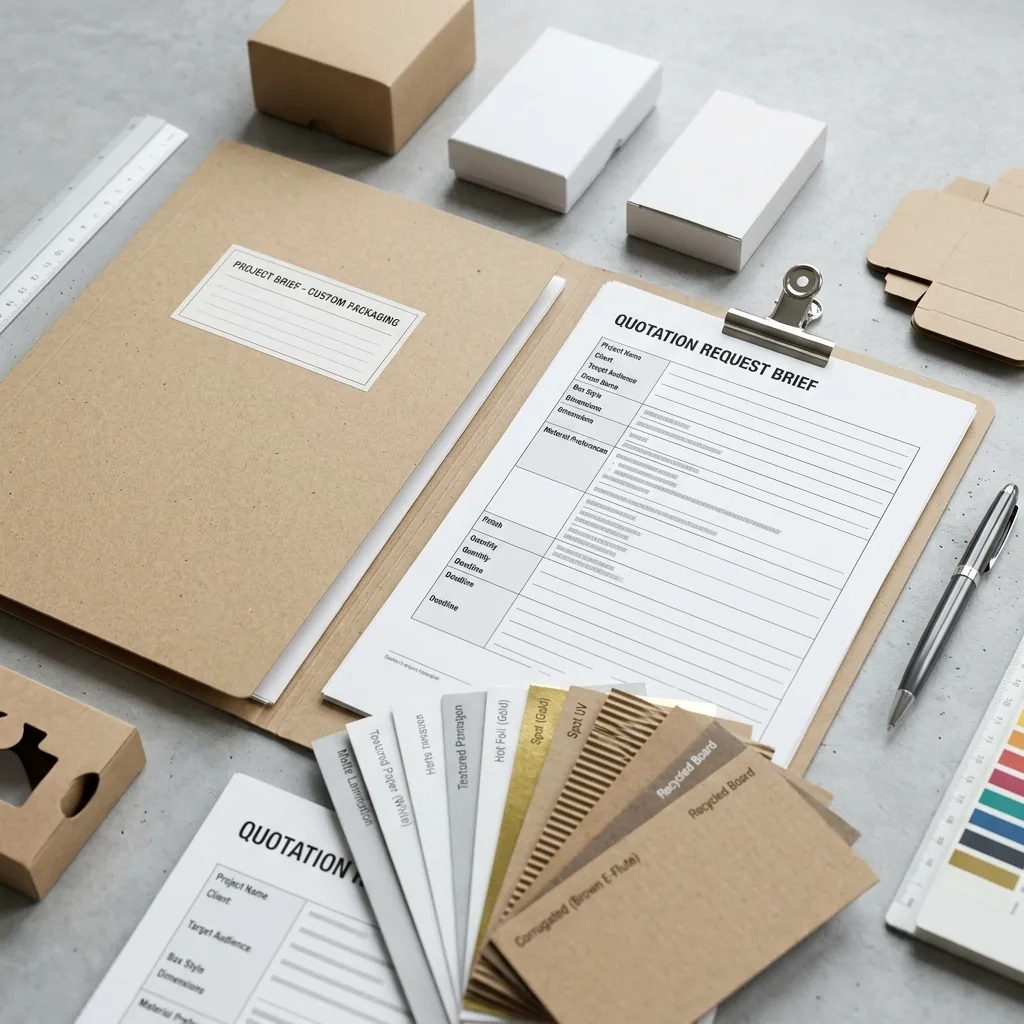
Matte lamination, gloss lamination, aqueous coating, varnish, and soft-touch finishes change both appearance and durability. Beauty and retail boxes often use matte or soft-touch surfaces for a calmer premium feel, while gloss can make color more vivid.
- ✓ Use matte or soft-touch for understated premium packaging.
- ✓ Use gloss or spot gloss when contrast and color pop matter.
- ✓ Review scuff risk, fingerprinting, recyclability goals, and finish cost together.
Production fit
A finish stack should still be easy to approve.
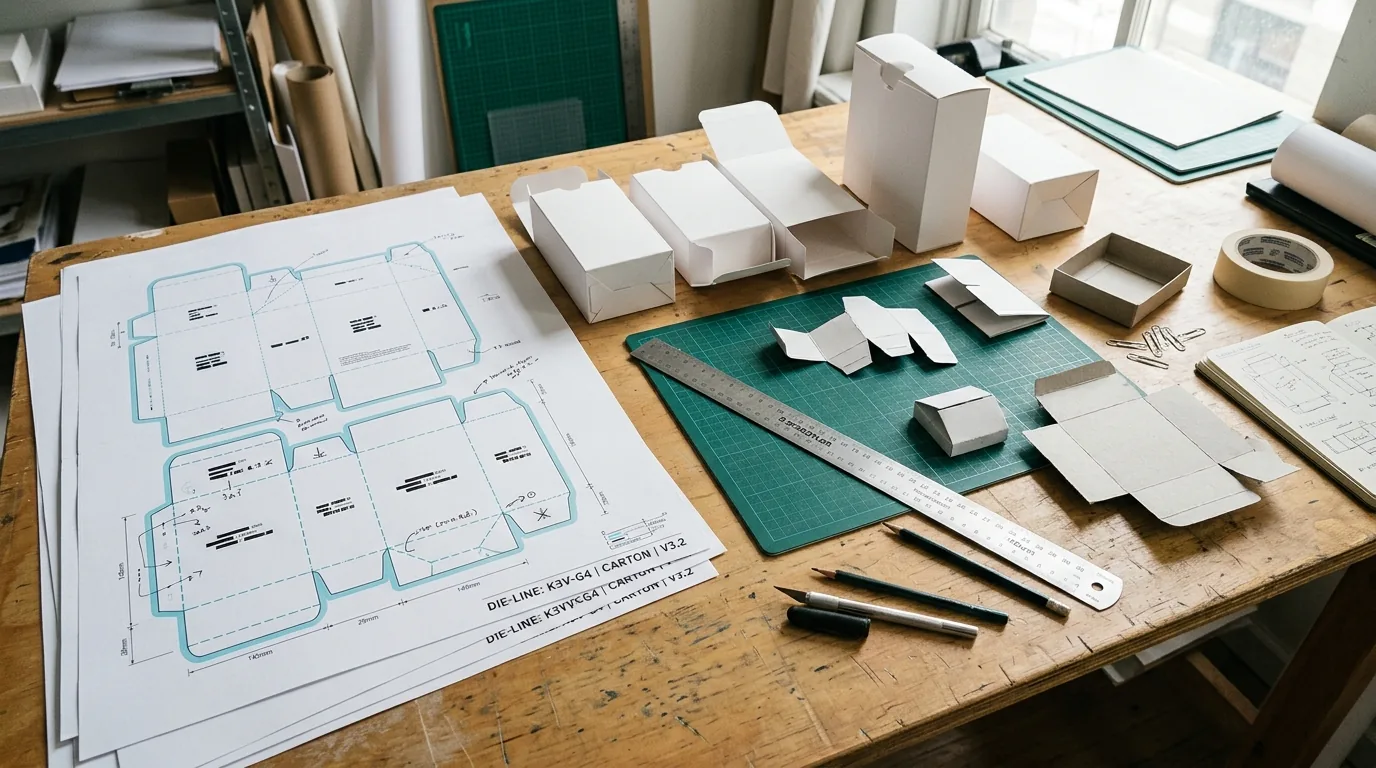
The best finish plan connects design intent with production reality. Too many effects can increase cost, setup time, and approval risk. A clear hierarchy usually performs better: one main finish, one supporting surface, and a material that carries both well.
- ✓ Decide which detail must be premium and which can stay simple.
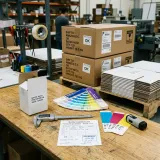
- ✓ Use physical samples when surface feel drives the purchase decision.
- ✓ Confirm finish compatibility with material, color, folding, and order quantity.