How to choose the right corrugated flute for your box.
F, E, B, C and A flutes do different jobs. This guide compares common single-wall and double-wall profiles so you can balance print quality, cushioning, stacking strength, packed weight and shipping risk.
Packaging structure, material, and production guidance
Start with the job
Flute is a performance choice, not just a thickness.
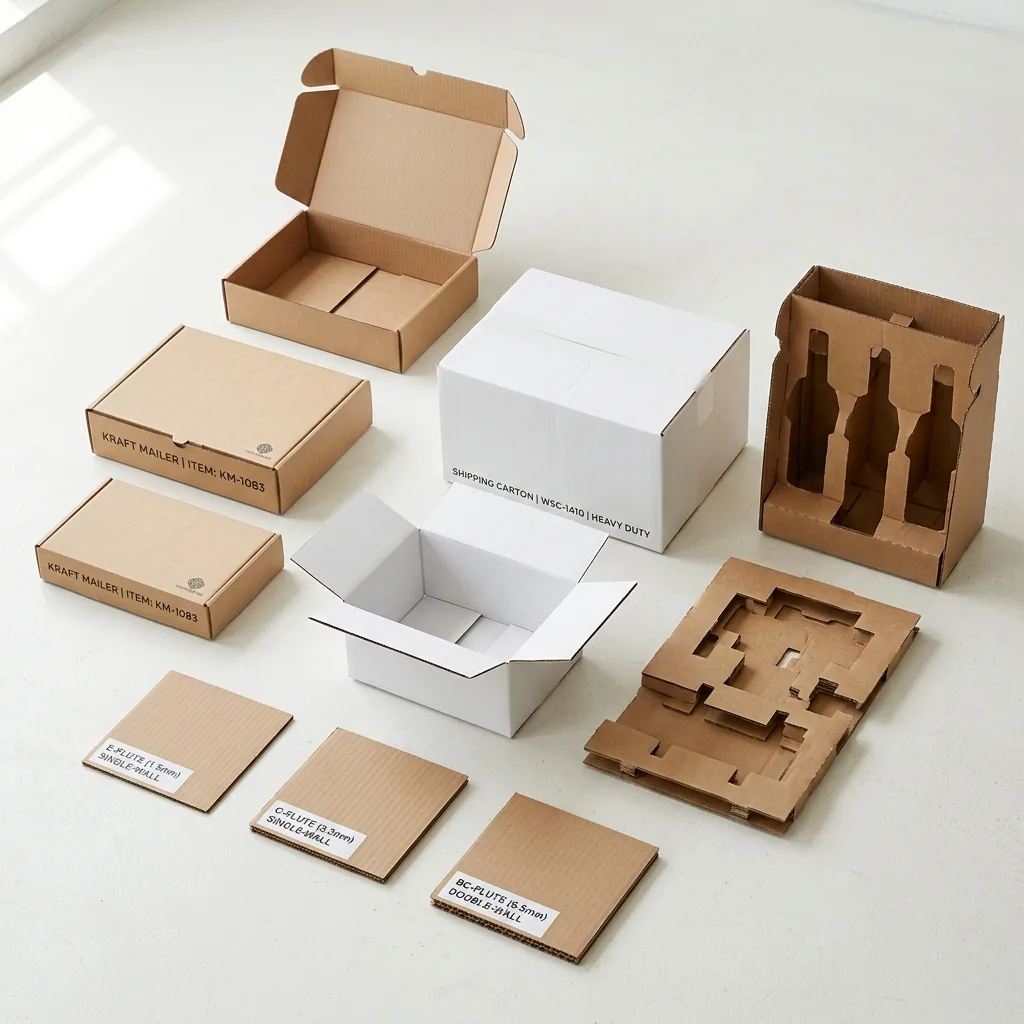
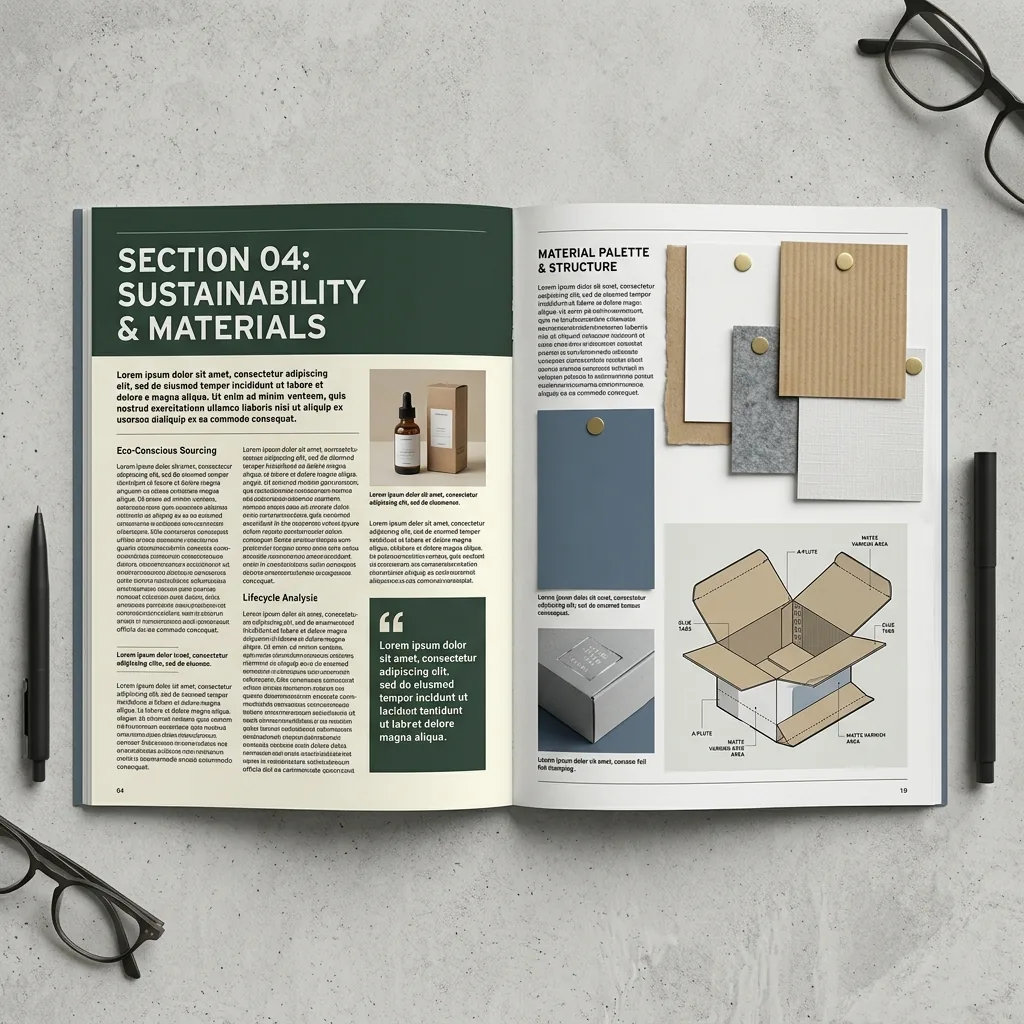
Corrugated board places a wave-shaped medium between flat liner papers. Larger flutes create deeper arches that absorb impact and add cushioning. Smaller, more frequent flutes create a flatter surface with better print detail and useful puncture resistance.
Print first
Start with F or E flute for refined graphics and compact retail packs.
Balanced shipping
Start with B or C flute for common mailers and shipping cartons.
Heavy transit
Review BC or AB double wall when load and route risk increase.
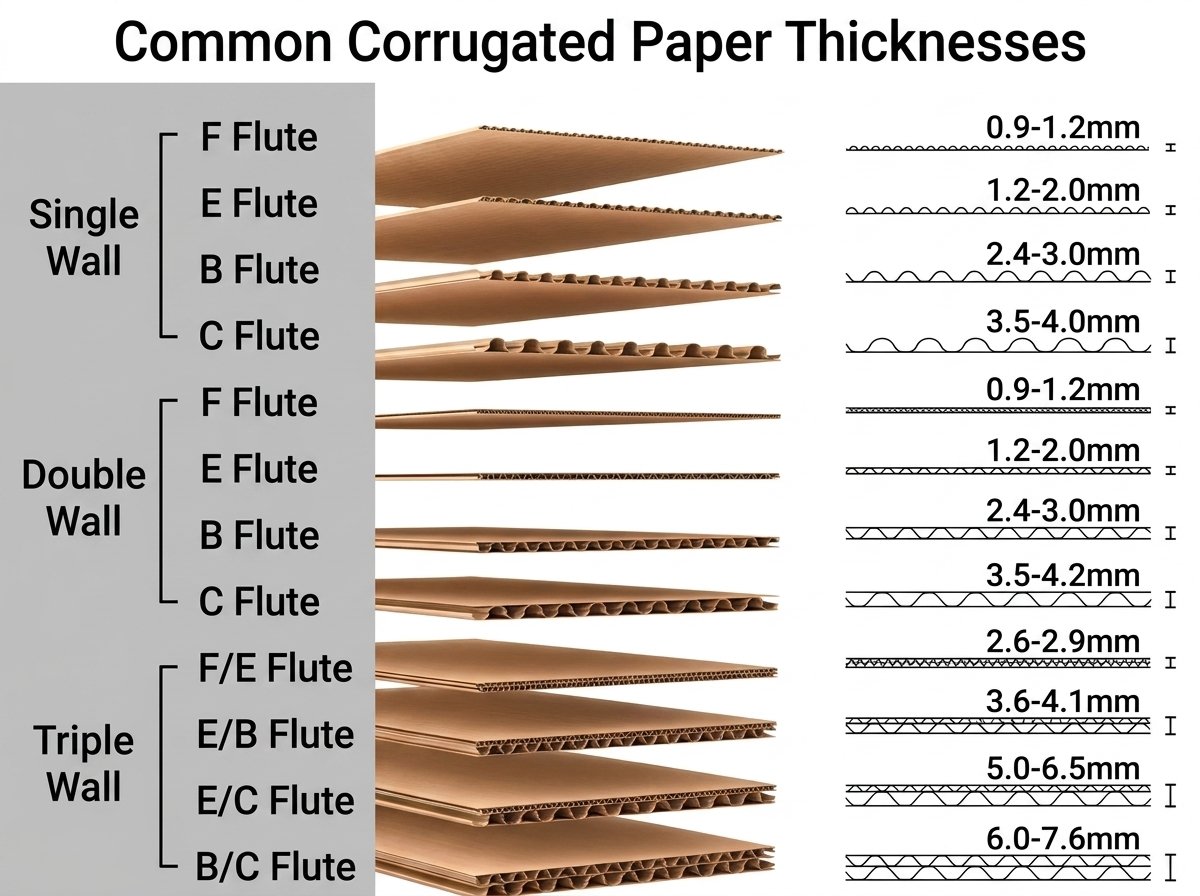
Flute size comparison
Compare common corrugated flute types.
The values below are typical industry ranges, not a final production specification. Finished caliper and flute count vary with the corrugator, paper combination, moisture and compression during converting.
| Flute | Typical height | Flutes per meter | Main advantage | Common uses |
|---|---|---|---|---|
| F flute | 0.6-1.0 mm | 120-140 | Best print surface | Small premium cartons, cosmetics, compact electronics |
| E flute | 1.1-2.0 mm | 90-96 | Thin with clean graphics | Retail boxes, beauty kits, lightweight mailers |
| B flute | 2.2-3.0 mm | 50-54 | Puncture and crush resistance | Partitions, displays, ecommerce and general shipping |
| C flute | 3.4-4.0 mm | 38-42 | Balanced cushion and stacking | Shipping cartons, fragile products, general outer cases |
| A flute | 4.5-5.0 mm | 32-36 | Maximum single-wall cushioning | Larger fragile items and protective transit packaging |
When one flute is not enough
EB flute
About 3.6-4.5 mmSmooth print surface plus improved stacking
Branded ecommerce boxes and retail-ready shipping
BC flute
About 5.6-7.0 mmStrong compression with useful cushioning
Heavy products, export cartons and warehouse stacking
AB flute
About 6.3-8.0 mmHigh cushion plus puncture resistance
Large, fragile or high-risk industrial shipments
A faster way to shortlist the board
| Packaging need | Start with | Confirm before ordering |
|---|---|---|
| High-quality graphics and a compact box | F or E flute | Product weight and corner protection |
| A practical ecommerce or general shipping box | B or C flute | Empty space, drop risk and stacking height |
| A heavy product or long export route | BC or AB double wall | Pallet pattern, humidity and edge crush target |
Board construction
Single wall and double wall solve different risks.
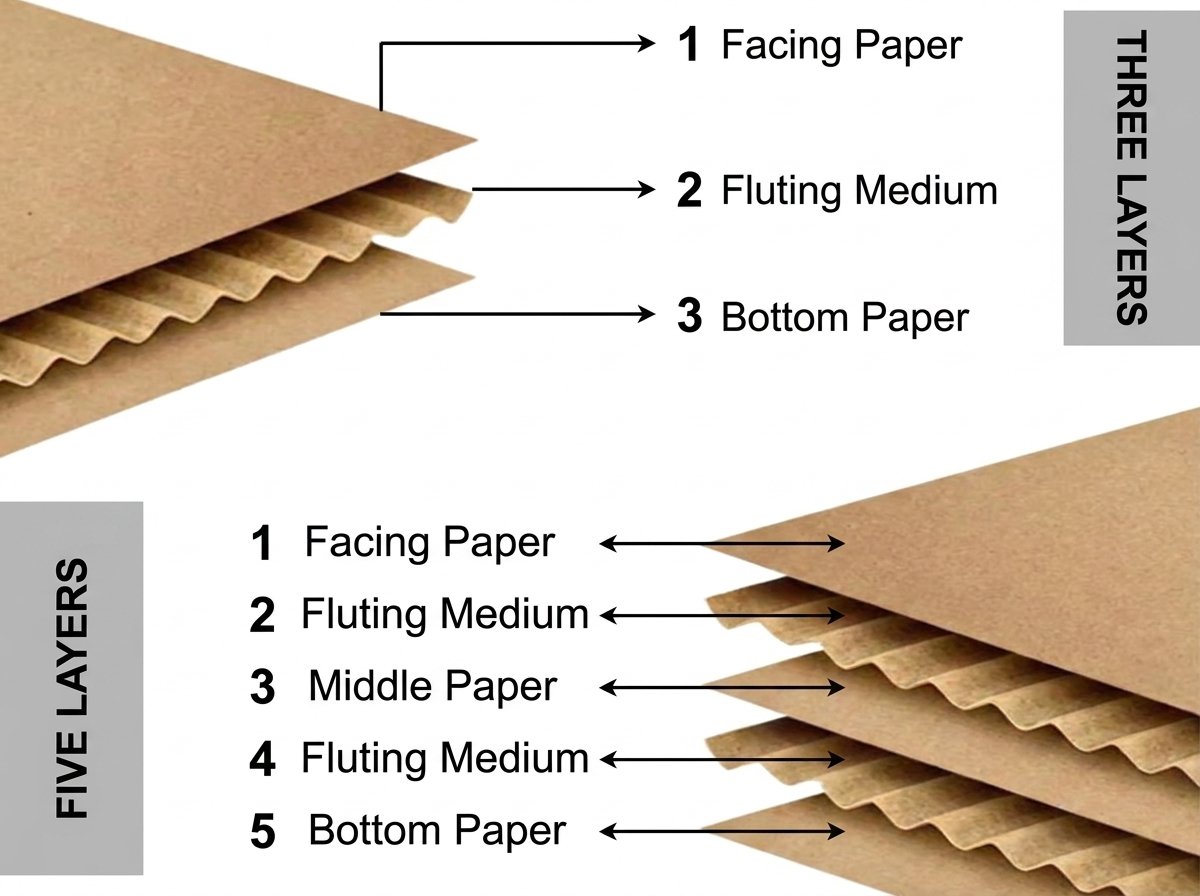
Single-wall board has three paper layers: two liners and one fluted medium. Double-wall board has five layers: three liners and two fluted mediums. Triple-wall construction adds a third medium for specialized industrial loads, but it is rarely the first choice for branded consumer packaging.
Before requesting a quote
Do not specify the box by flute letter alone.
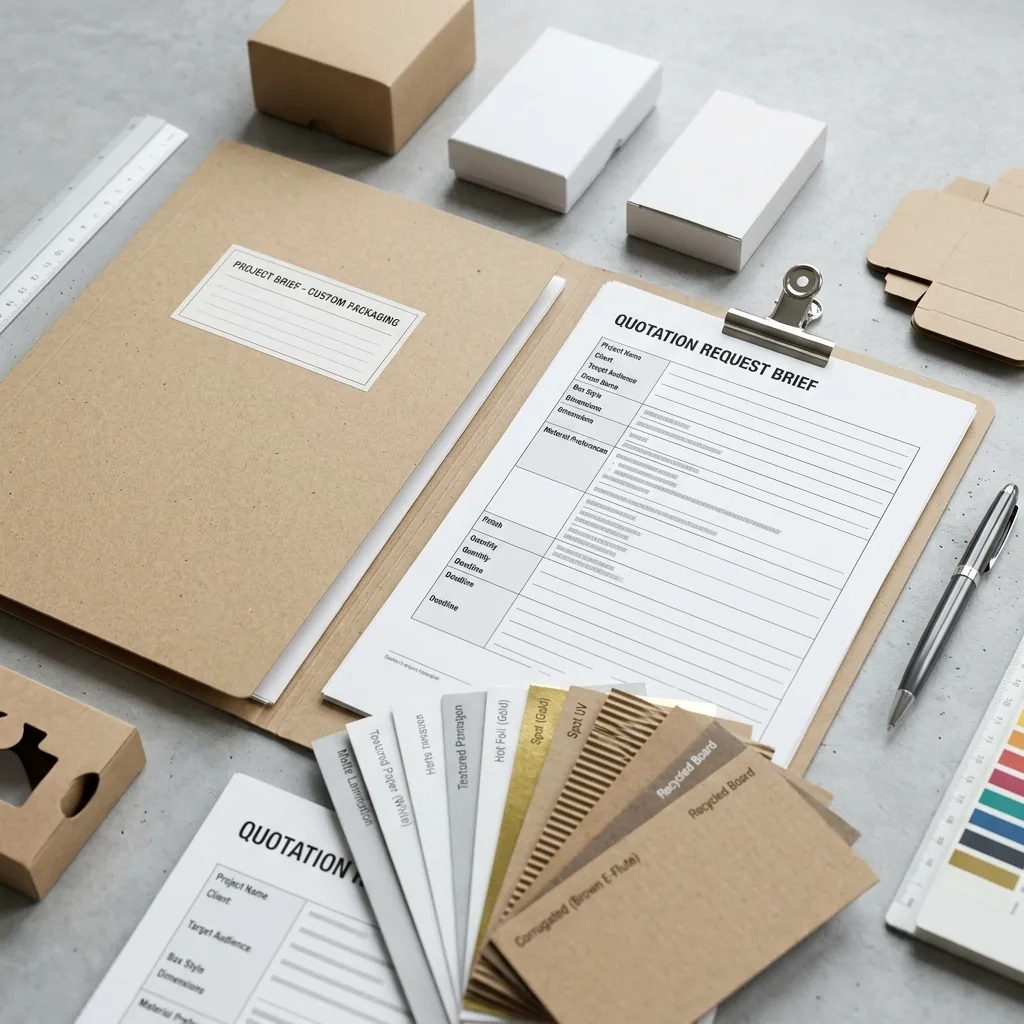
Two boards labeled "B flute" can perform differently. Ask the supplier to connect the flute profile to the complete board grade and the packed product.
For warehouse stacking, wholesale logistics, or export master cartons, match the board specification to the packed load on the custom RSC boxes product page.
- Packed product dimensions and total weight
- Single-wall or double-wall construction
- Liner and medium paper combination
- Finished board caliper tolerance
- Edge crush, burst or box compression target
- Shipping route, humidity and pallet pattern
Corrugated flute FAQ
Questions to settle before production.
Is a thicker flute always stronger?
No. Board strength also depends on liner and medium paper grades, fiber quality, moisture, flute formation and box design. A thicker profile may cushion better while a finer profile can offer better puncture resistance or print quality.
What is the difference between single wall and double wall?
Single-wall board uses two liners around one fluted medium, making three paper layers. Double-wall board combines two fluted mediums and three liners, making five paper layers for higher stacking and transit demands.
Which flute is best for printing?
F and E flutes normally provide the smoothest surface for fine graphics. B flute is also a practical print-and-strength compromise. Premium results can use litho-laminated print when direct corrugated printing is not sufficient.
Can flute type alone define a shipping specification?
No. Confirm finished board caliper, edge crush or burst target, paper combination, box dimensions, packed weight and test method with the supplier before production.