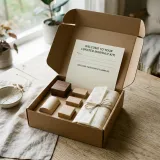
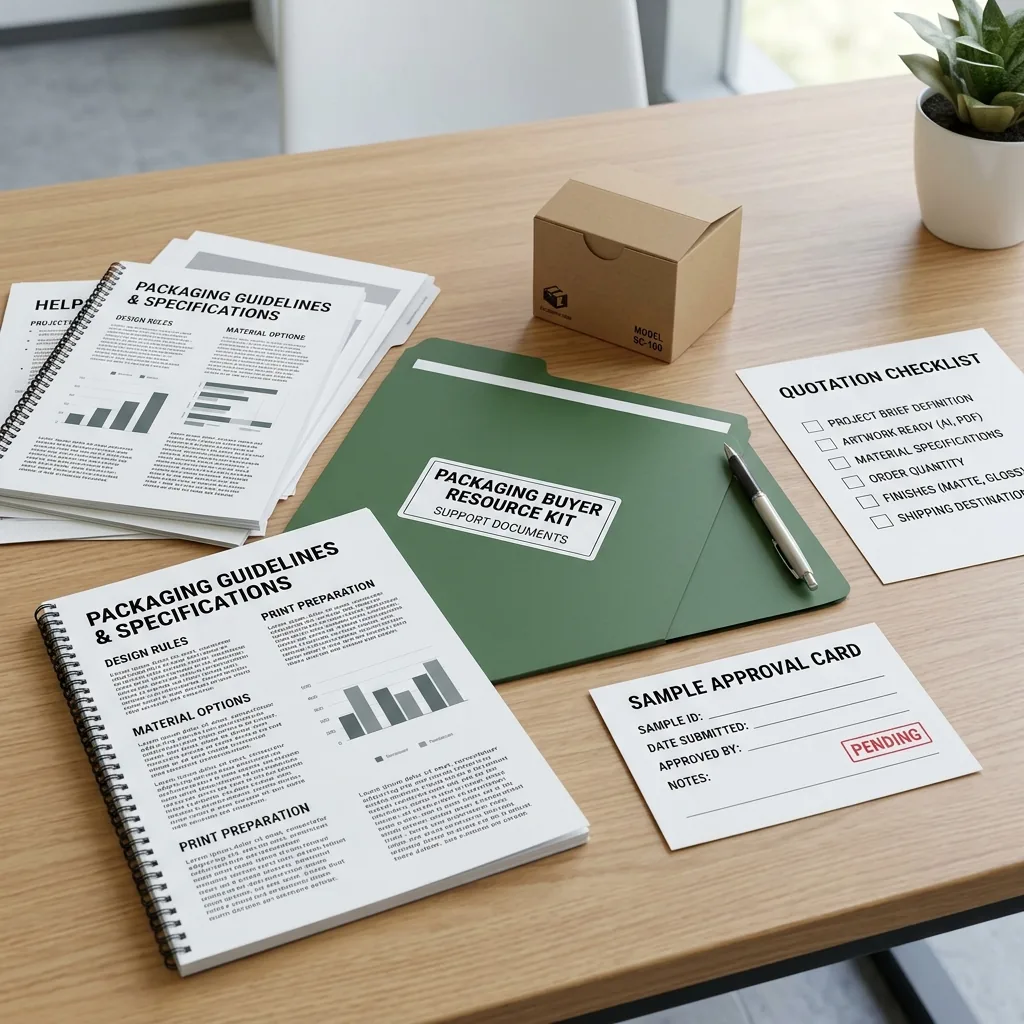
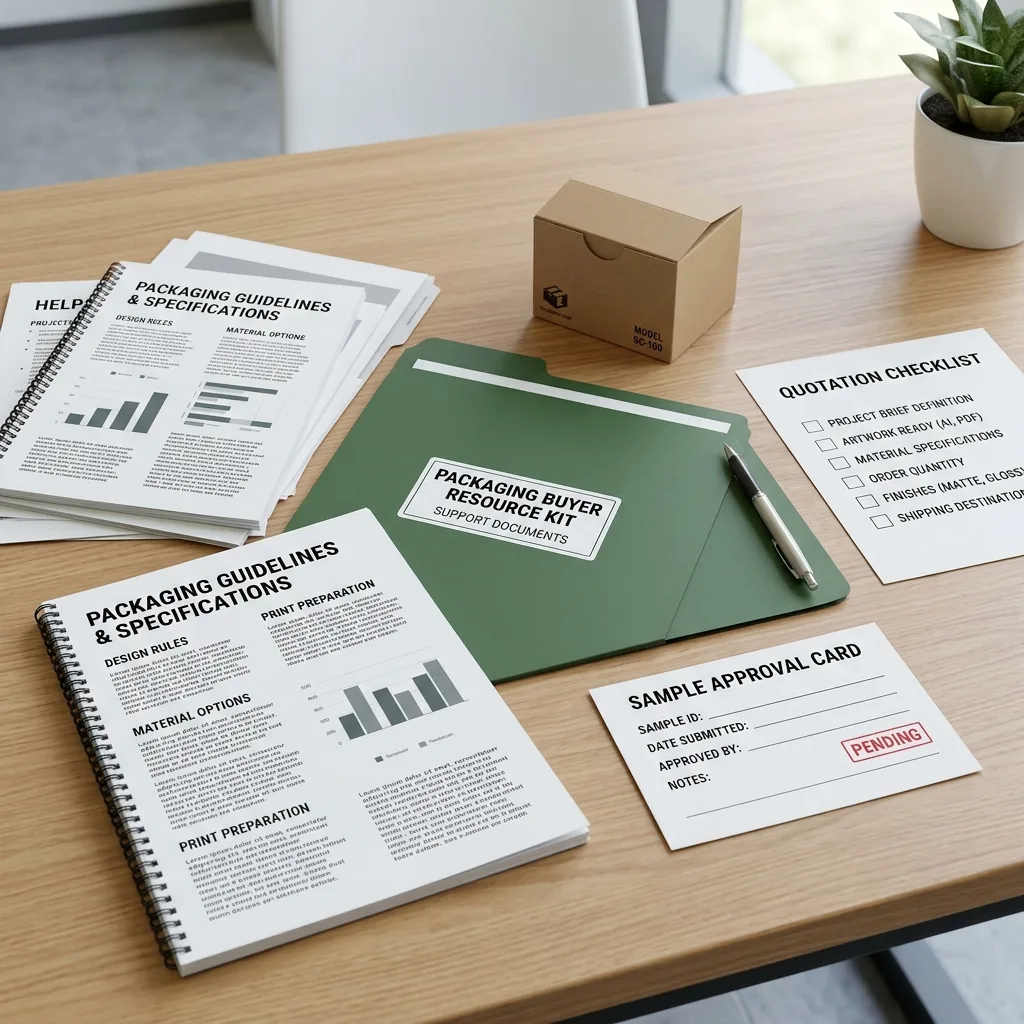
Custom packaging quote checklist for production-ready requests.
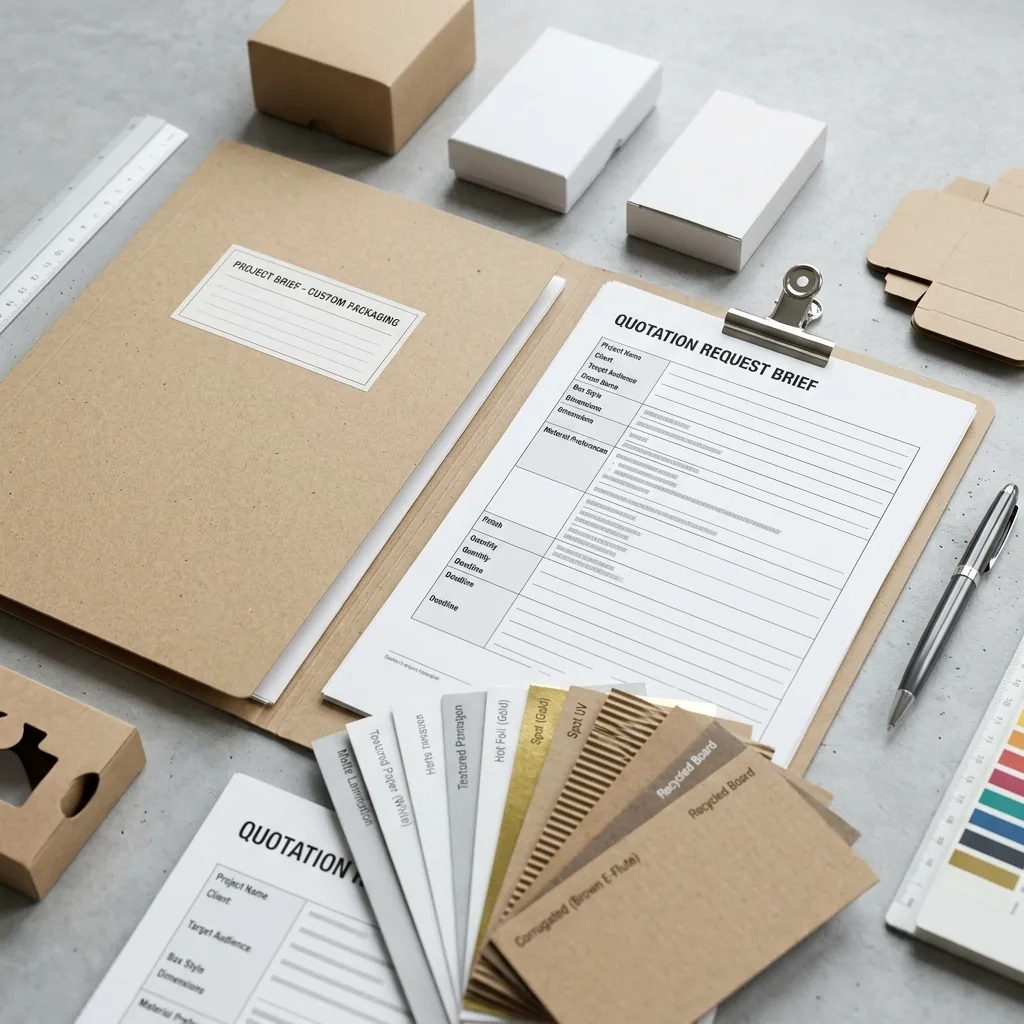
A strong quote request gives the supplier enough context to price the same package you actually want to produce. This guide helps buyers organize the details that affect custom packaging cost, sampling, tooling, and delivery.
Packaging structure, material, and production guidance

Start with product fit
Give the packaging team the product facts first.
The fastest way to get useful pricing is to define what the package must hold, protect, and display. Exact product dimensions, product weight, sales channel, packing method, and shipping environment help the supplier recommend the right box family instead of guessing from a reference photo.
- ✓ Measure length, width, height, and weight of the packed product.
- ✓ Share whether the package is for retail shelf, ecommerce shipping, gift presentation, or subscription kits.
- ✓ Mention fragile parts, leak risks, product orientation, and any insert or divider needs.
Structure and material
Choose a direction before asking for final price.
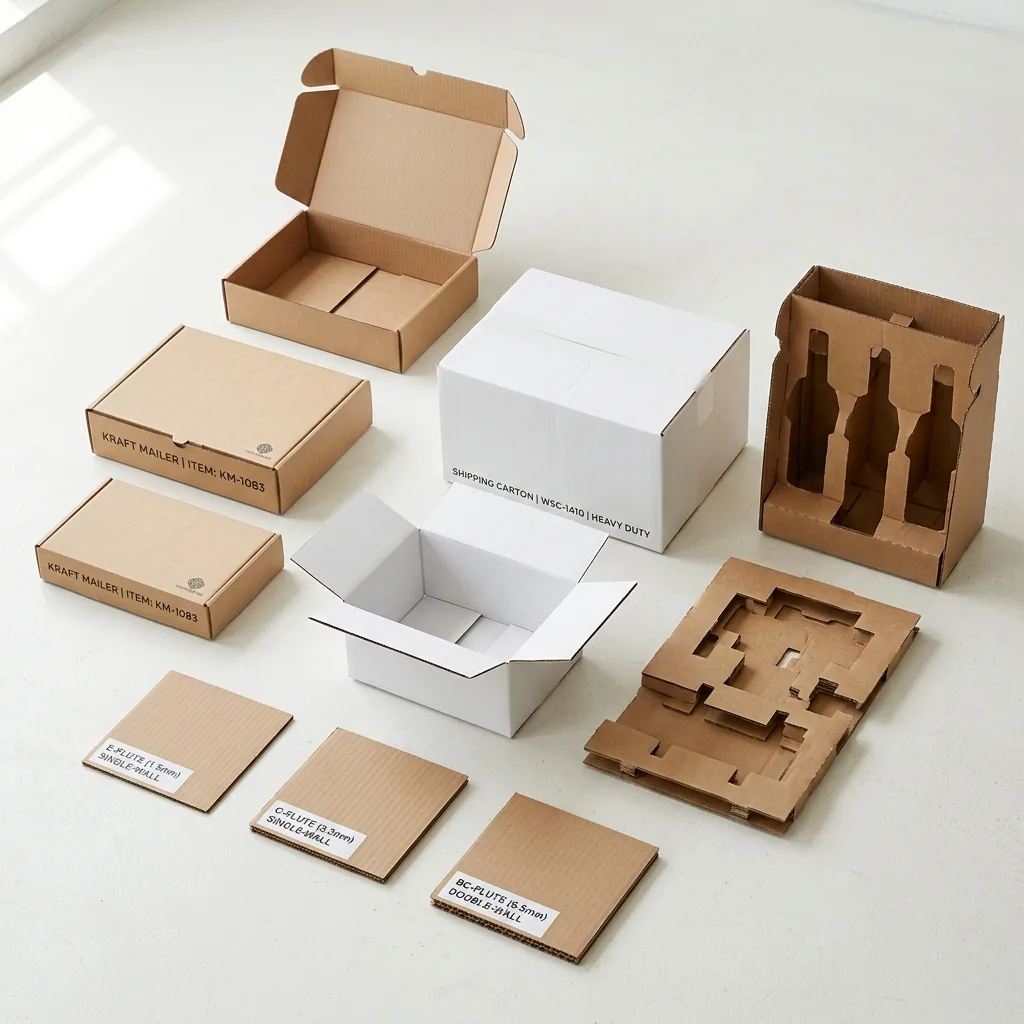
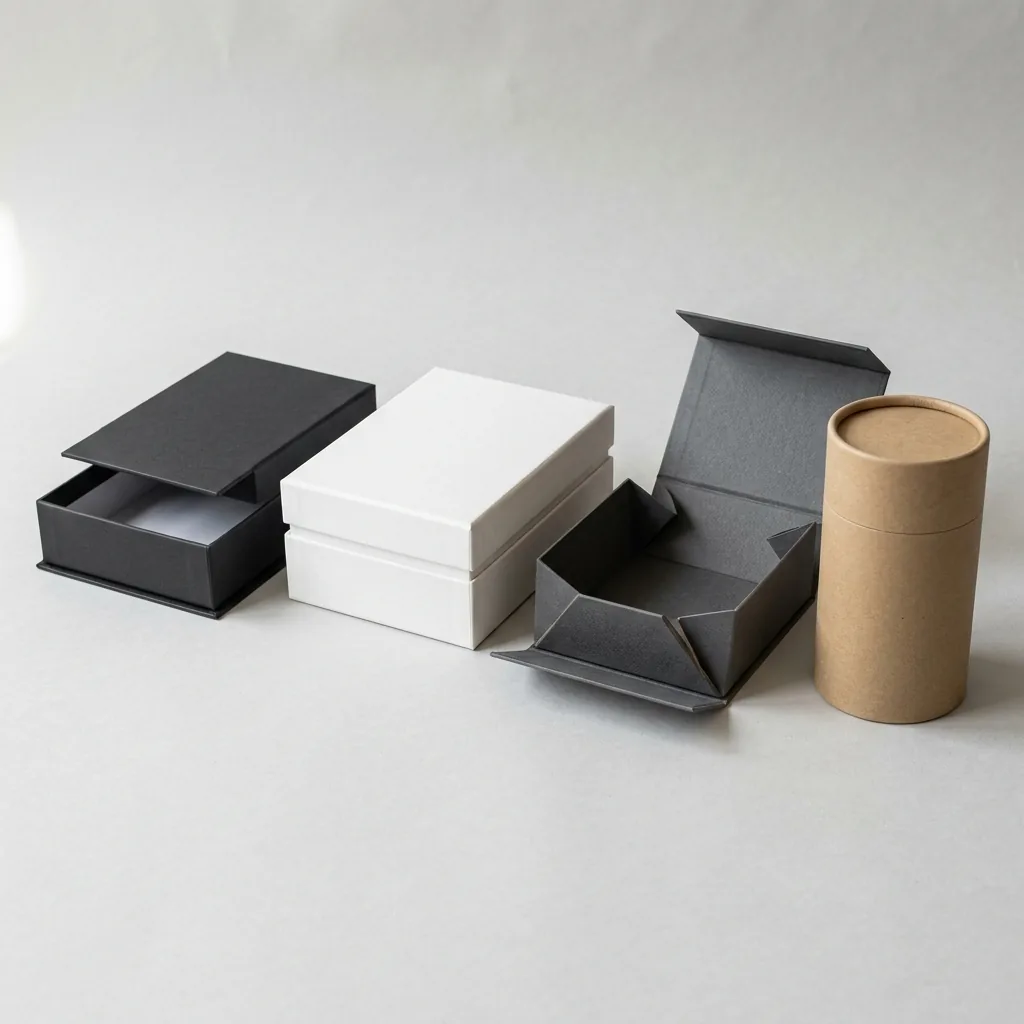
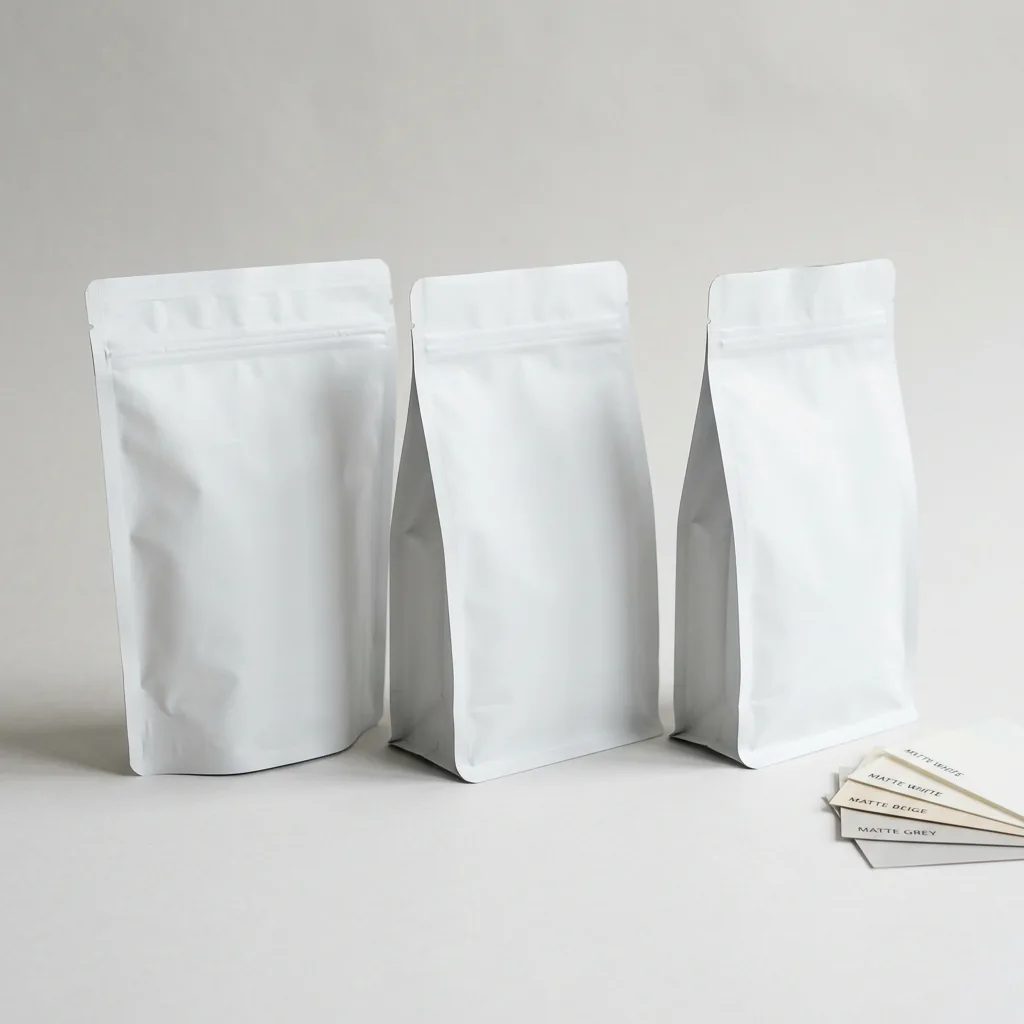
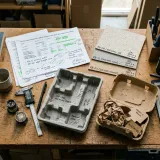
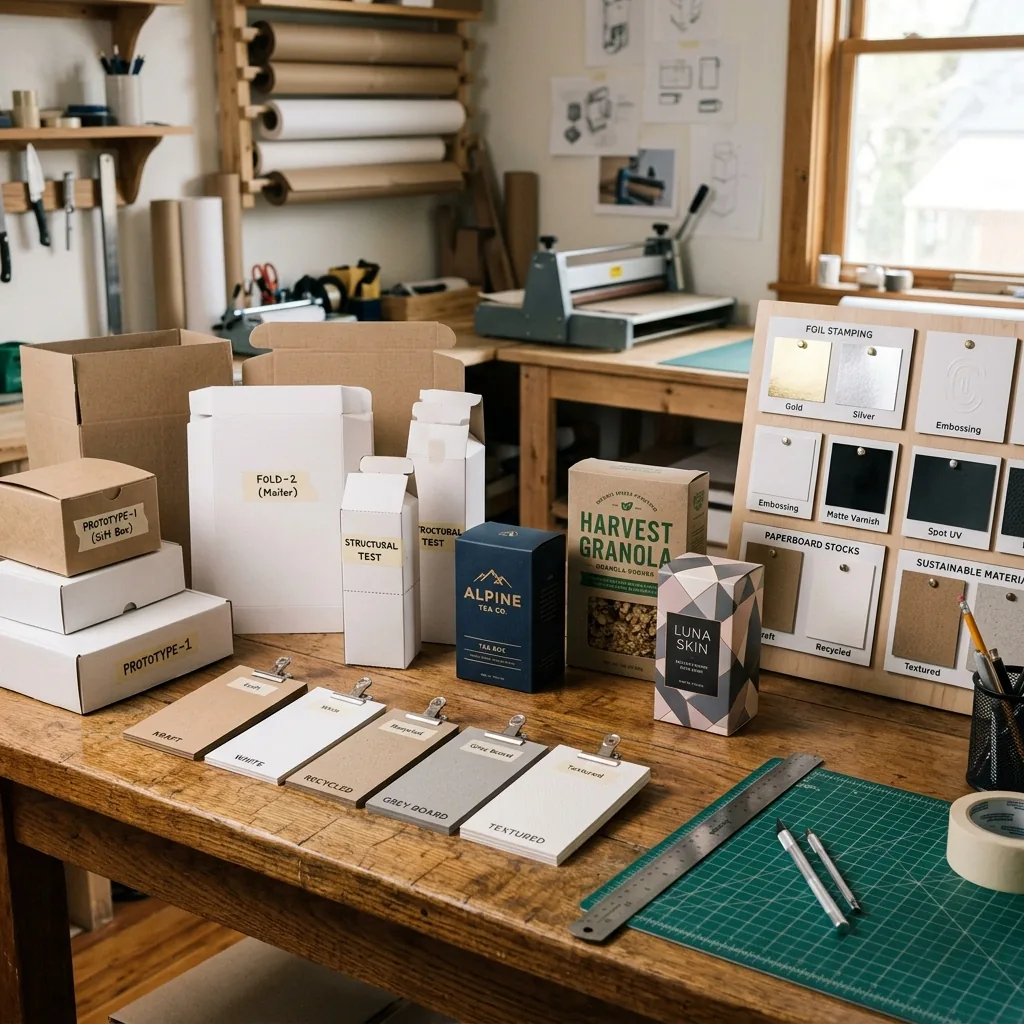
A folding carton, corrugated mailer, rigid box, sleeve, or flexible pouch can solve very different problems. Material thickness, board type, and insert choice also change cost and tooling. If you are not sure, send a target use case and ask for two practical routes rather than a single blind quote.
- ✓ Name the preferred structure or link to a similar product page.
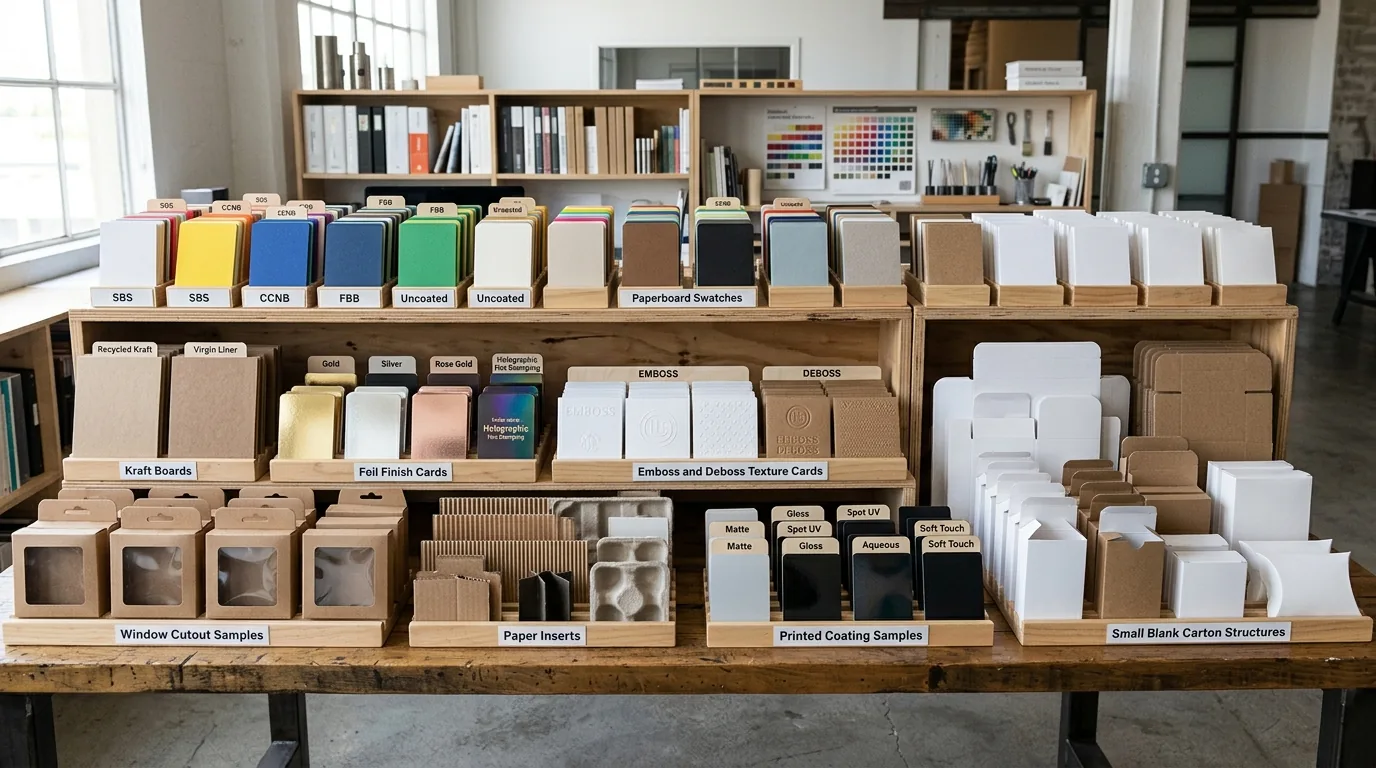
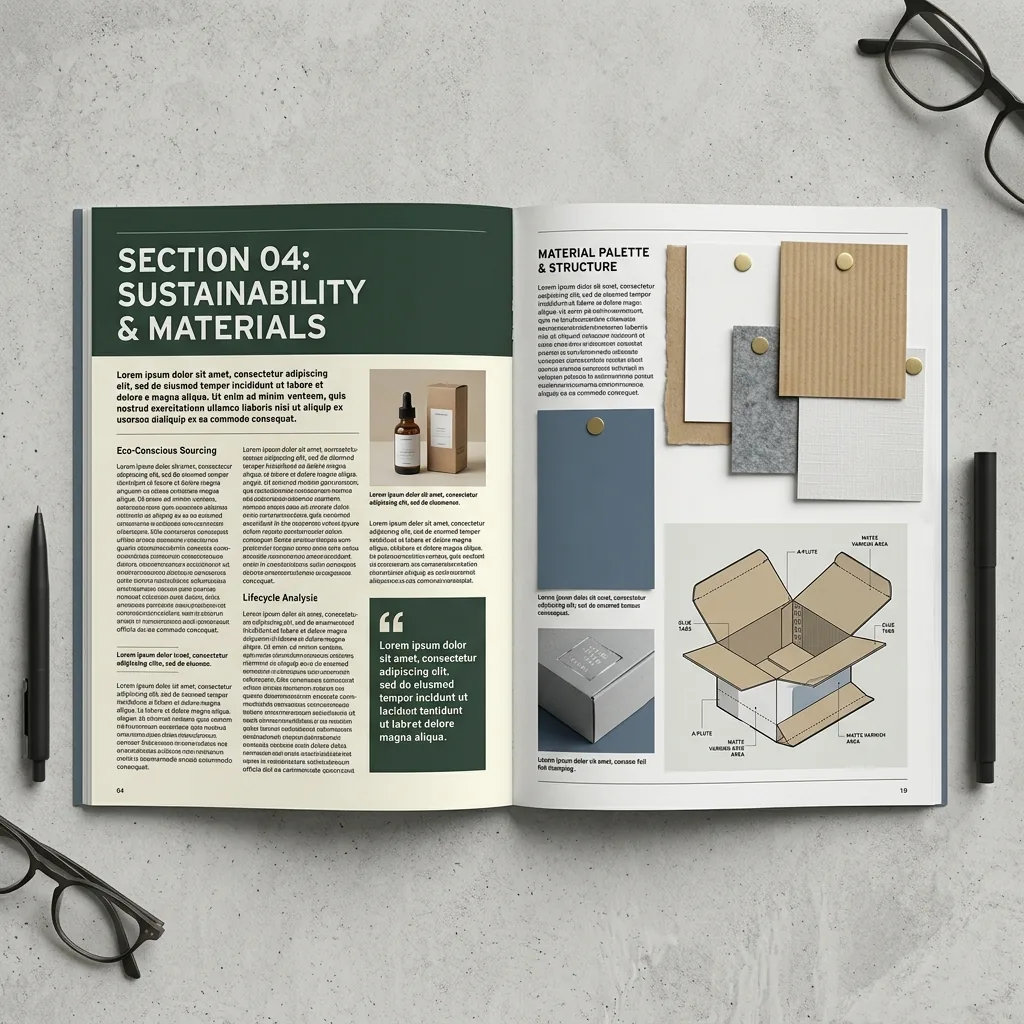
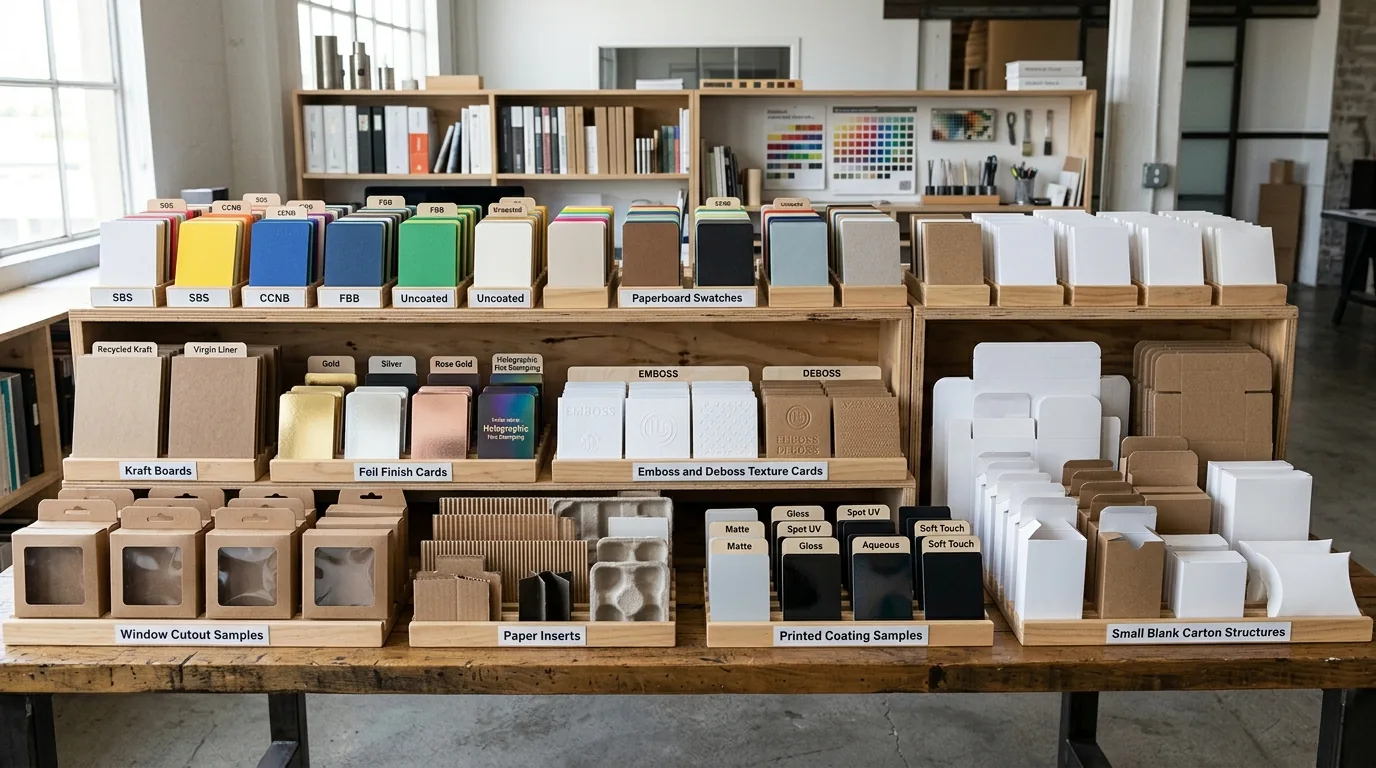
- ✓ List material preferences such as SBS paperboard, kraft, corrugated board, rigid board, or recycled board.
- ✓ Ask when the lower-cost option creates a real tradeoff in protection, presentation, or print quality.
Artwork and finish
Separate visual goals from production requirements.
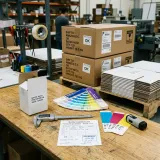
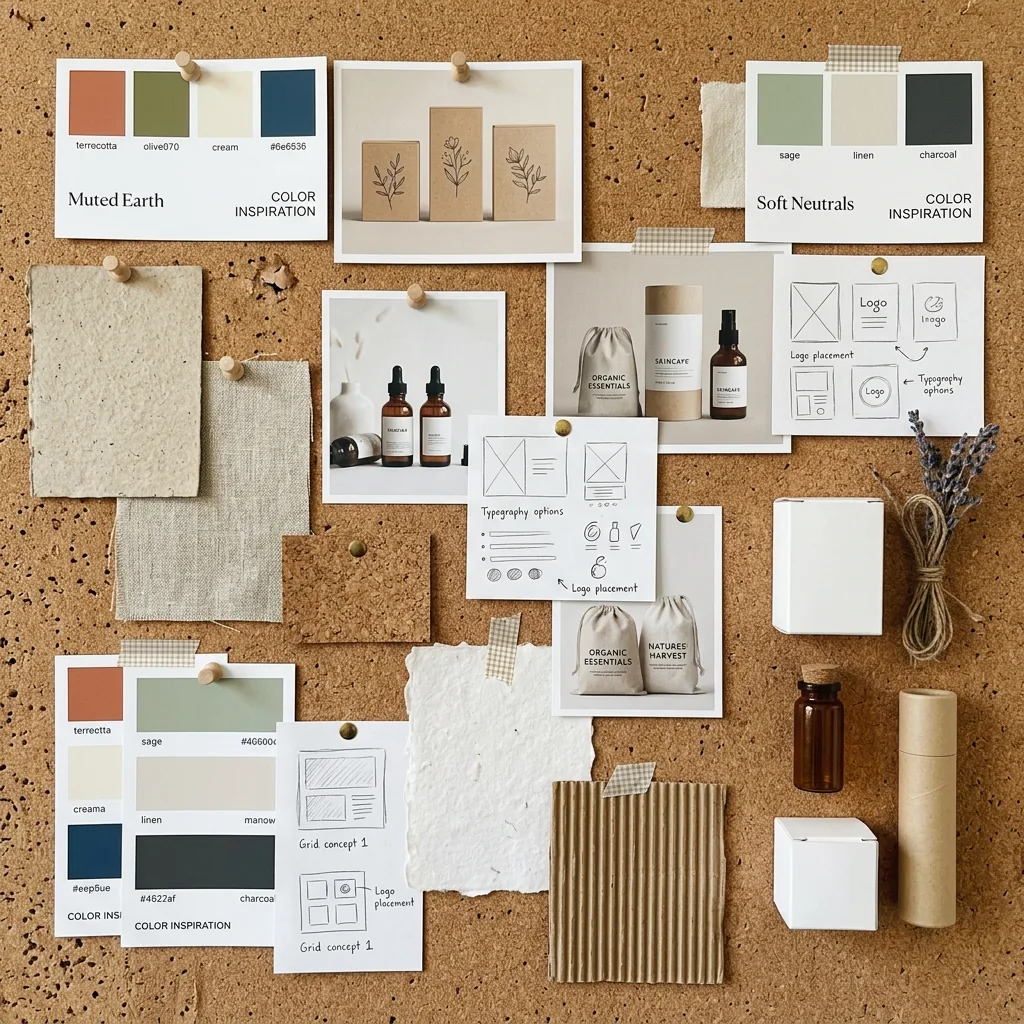
Packaging finishes can make a box feel premium, but they need to be quoted with the artwork and material in mind. Foil stamping, embossing, spot UV, soft-touch lamination, windows, and inserts all affect sample review and production setup.
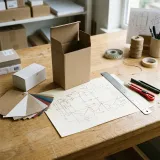
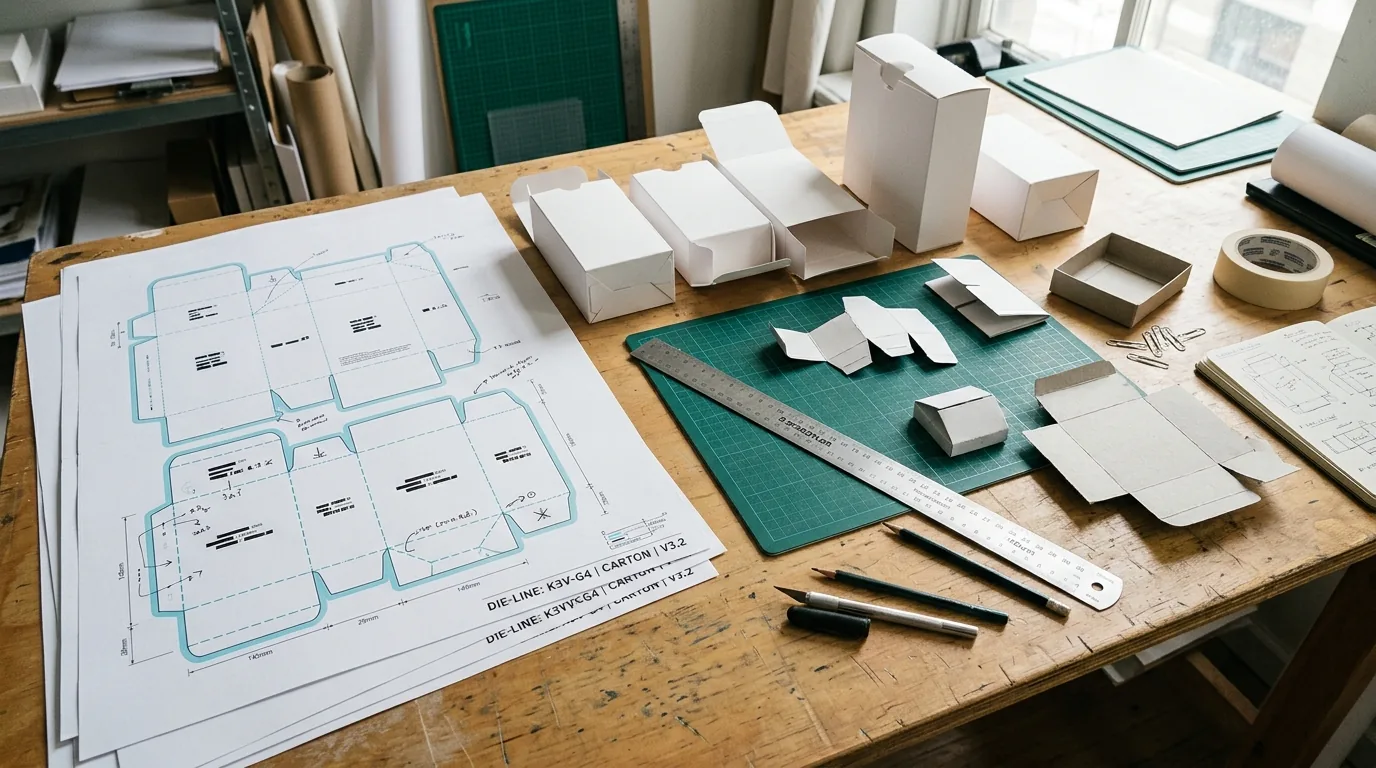
- ✓ Share logo files, brand colors, dielines if available, and reference packaging.
- ✓ Identify must-have finishes separately from nice-to-have effects.
- ✓ Ask whether each finish is suitable for the chosen board and order quantity.
Commercial details
MOQ, sample, and timeline decide the real quote path.
Quantity target, launch date, sample expectations, delivery country, and packing needs determine whether a project should move through a quick sample, a refined prototype, or a controlled production route. Buyers get clearer pricing when they share the buying context early.
- ✓ Provide target quantity and expected reorder volume if known.
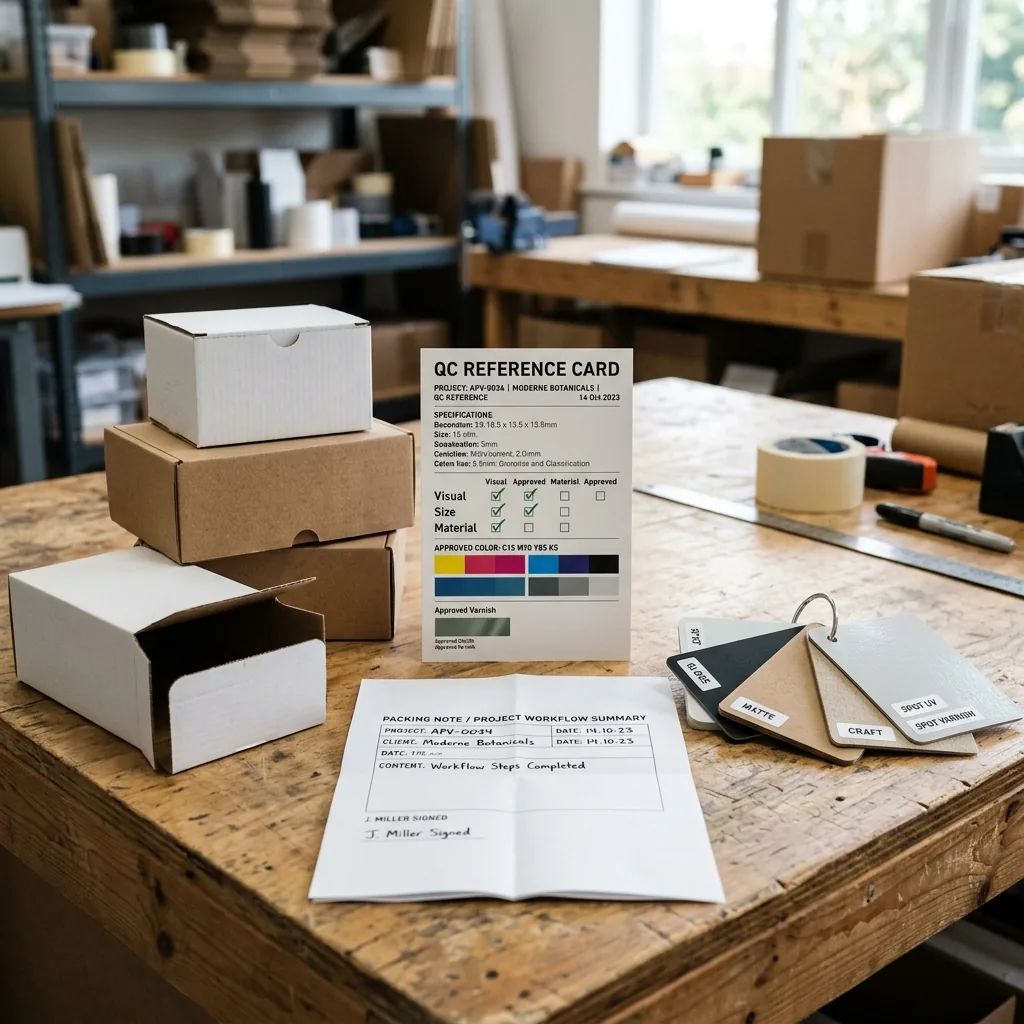
- ✓ Clarify whether you need a white sample, printed sample, pre-production sample, dropshipping, or bulk-order fulfillment.
- ✓ Include delivery location, deadline, and whether cartons need labeling or export support.