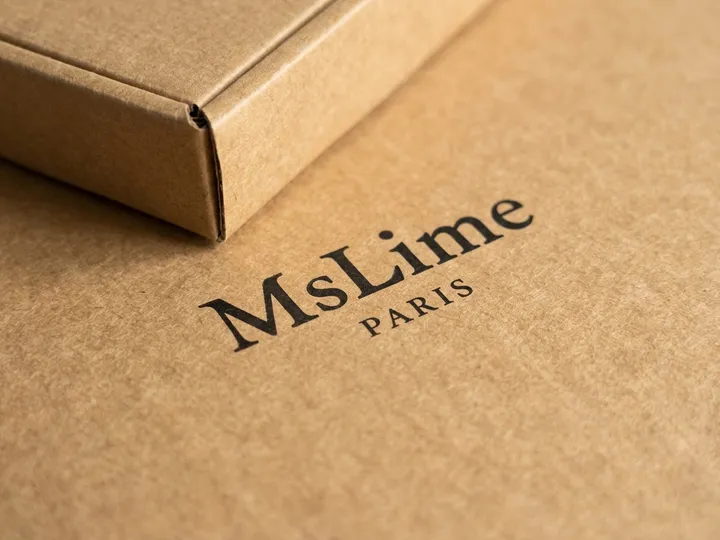
One-color print on kraft
Use this proof to review black density, fine text, edge registration, kraft texture, drying, rubbing, and the absence of a gloss film.
Zero wasted space. Save 20% on shipping.
Custom sizing. No die or setup fees.
Skip DIY. Free expert design support.
Tuck-top auto-bottom recycled mailer
Custom recycled corrugated mailer boxes using a tuck-top auto-bottom structure, natural kraft E-flute board, restrained black water-based printing, and an unlaminated paper surface for flat storage and fast fold-lock assembly.
Box structure
One-piece tuck-top auto-bottom mailer with folding self-lock base
Material route
Natural kraft E-flute corrugated board with visible secondary-fiber characteristics
Print and finish
Black one-color water-based print with no film lamination or added surface finish
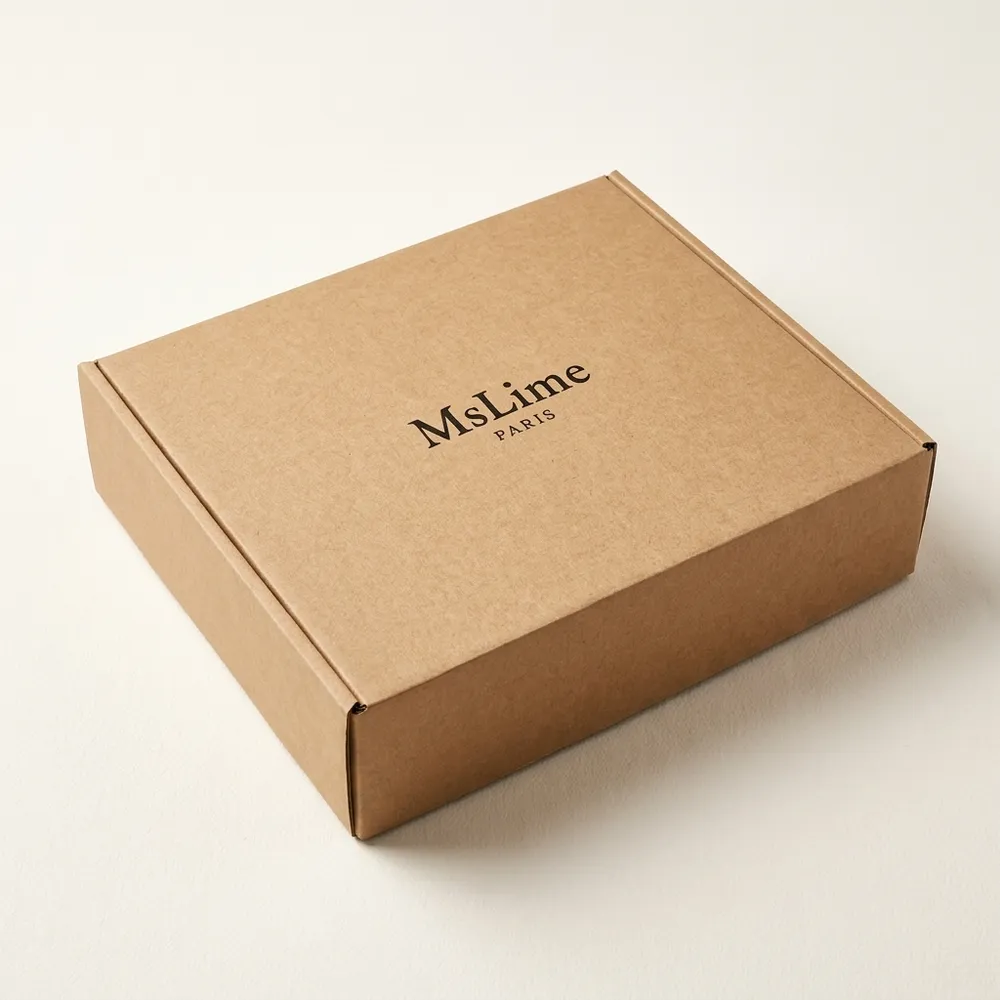
Visual proof points
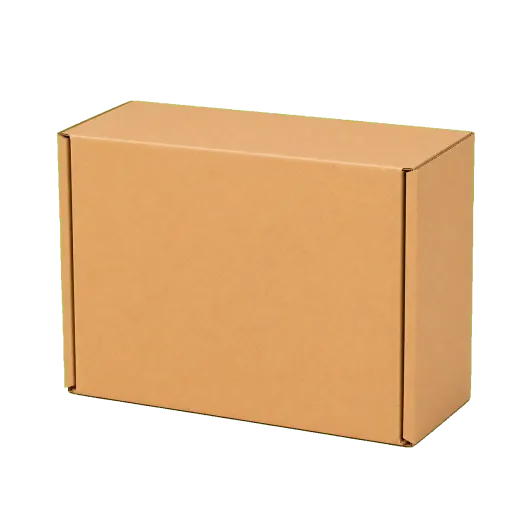
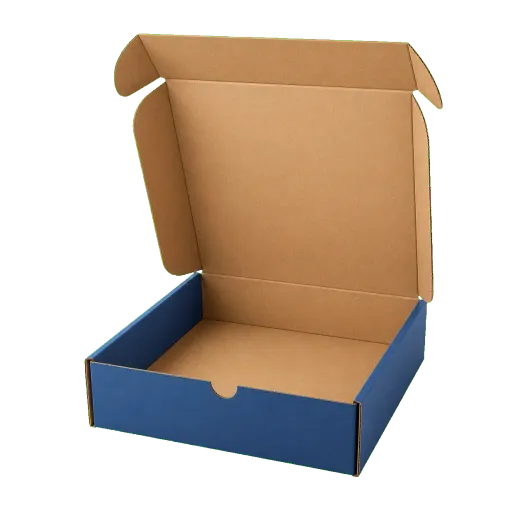
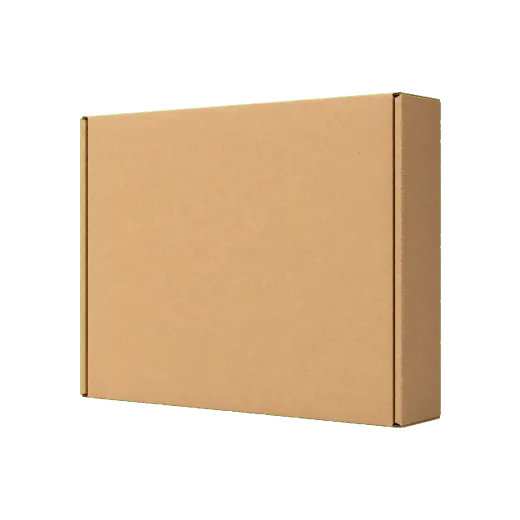
These views separate the purchasing decisions behind the box: closed presentation, open tray, unlaminated kraft surface, one-color print, visible E-flute edge, and the folding bottom-lock junction.
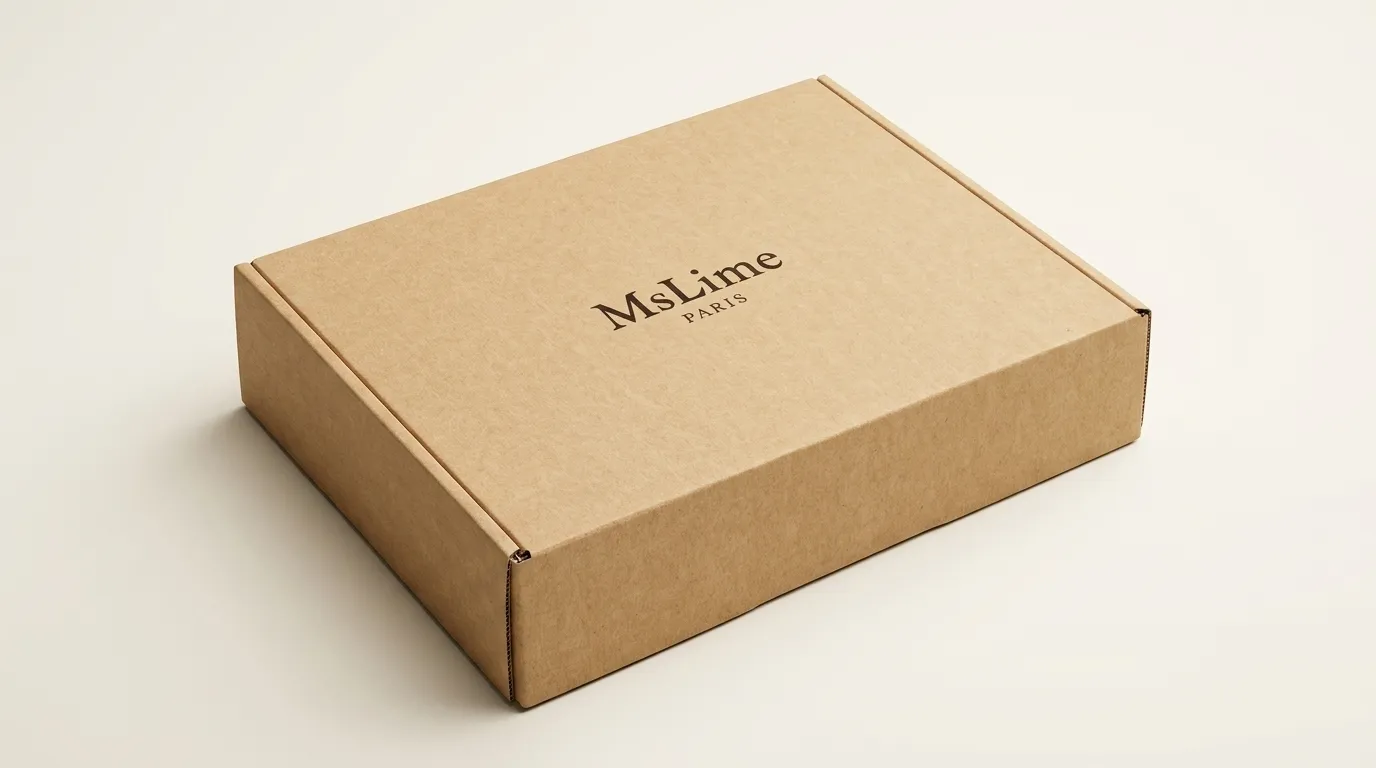
Landing page reference
The overview establishes the shallow footprint, front depth, tuck-top lid, kraft shade, black artwork, folded corners, and visible corrugated edge.
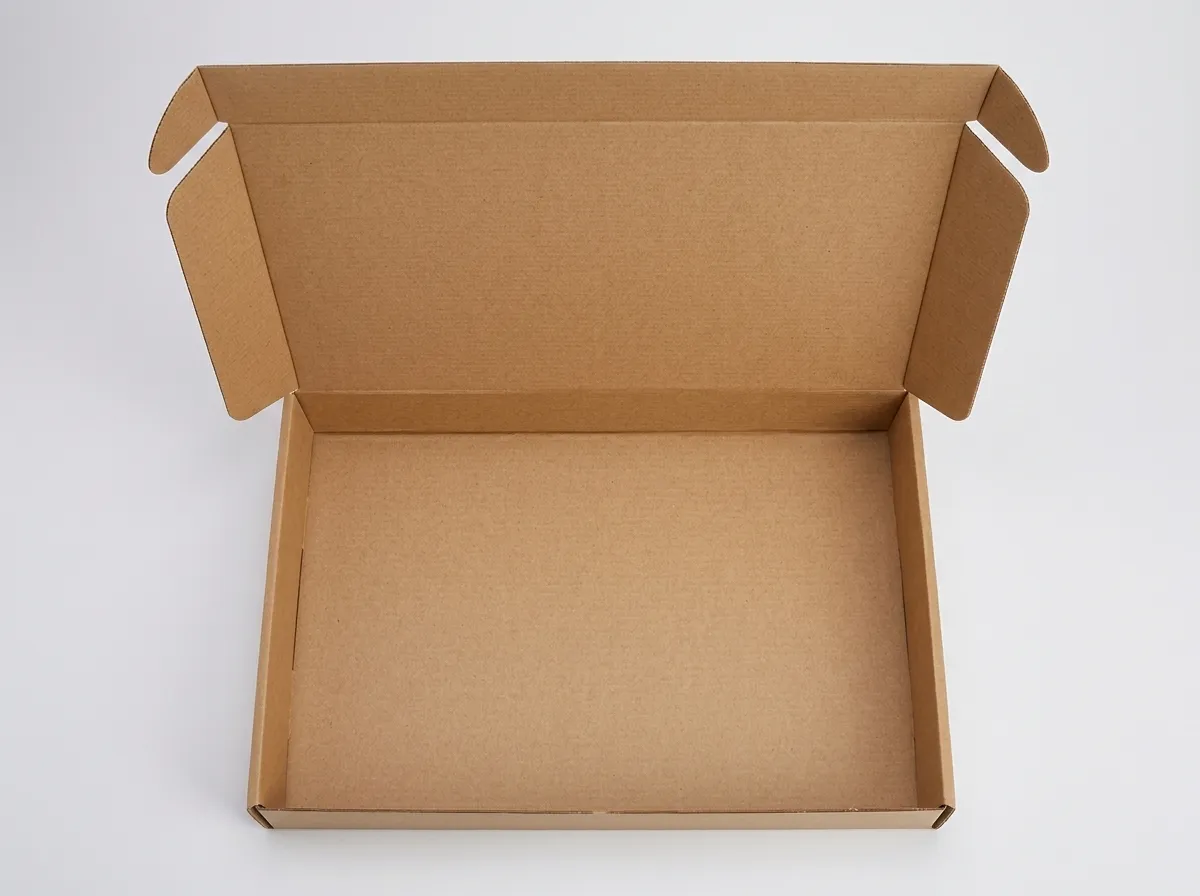
Structure reference
The open view shows the hinged lid, lid-side flaps, tray walls, plain kraft interior, and pack-out space without implying an insert.
Use this proof to review black density, fine text, edge registration, kraft texture, drying, rubbing, and the absence of a gloss film.
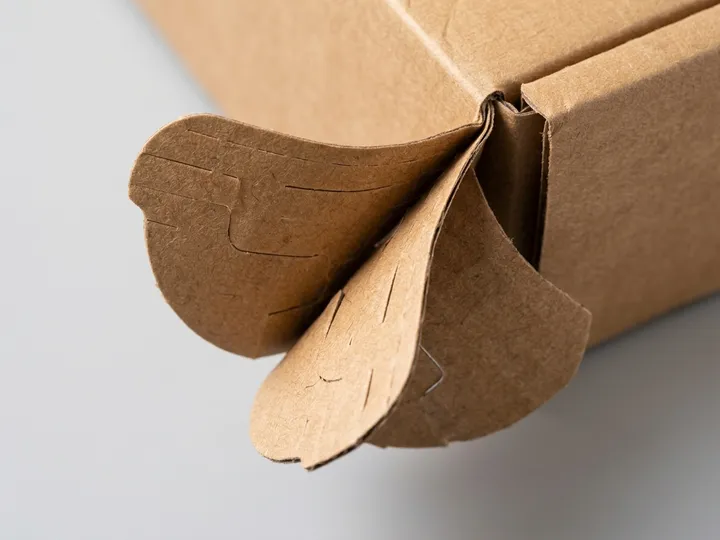
The close view isolates the curved tabs, layered folds, corner junction, and paper-only mechanical lock that need sample approval.
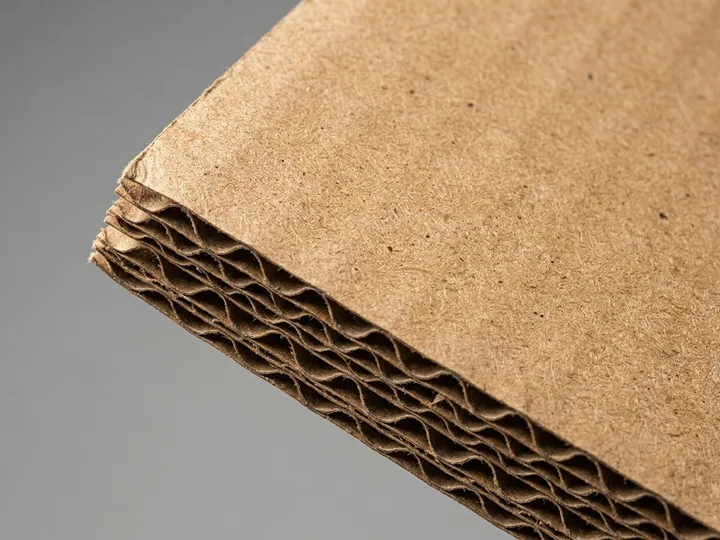
The macro view shows short visible fibers, small paper specks, uncoated kraft liner, and the flute edge; recycled content percentage still requires supplier documentation.
Customization options
Compare flute, board grade, print chemistry, and protective coating only after packed weight, moisture exposure, stacking, and the destination recovery system are known.
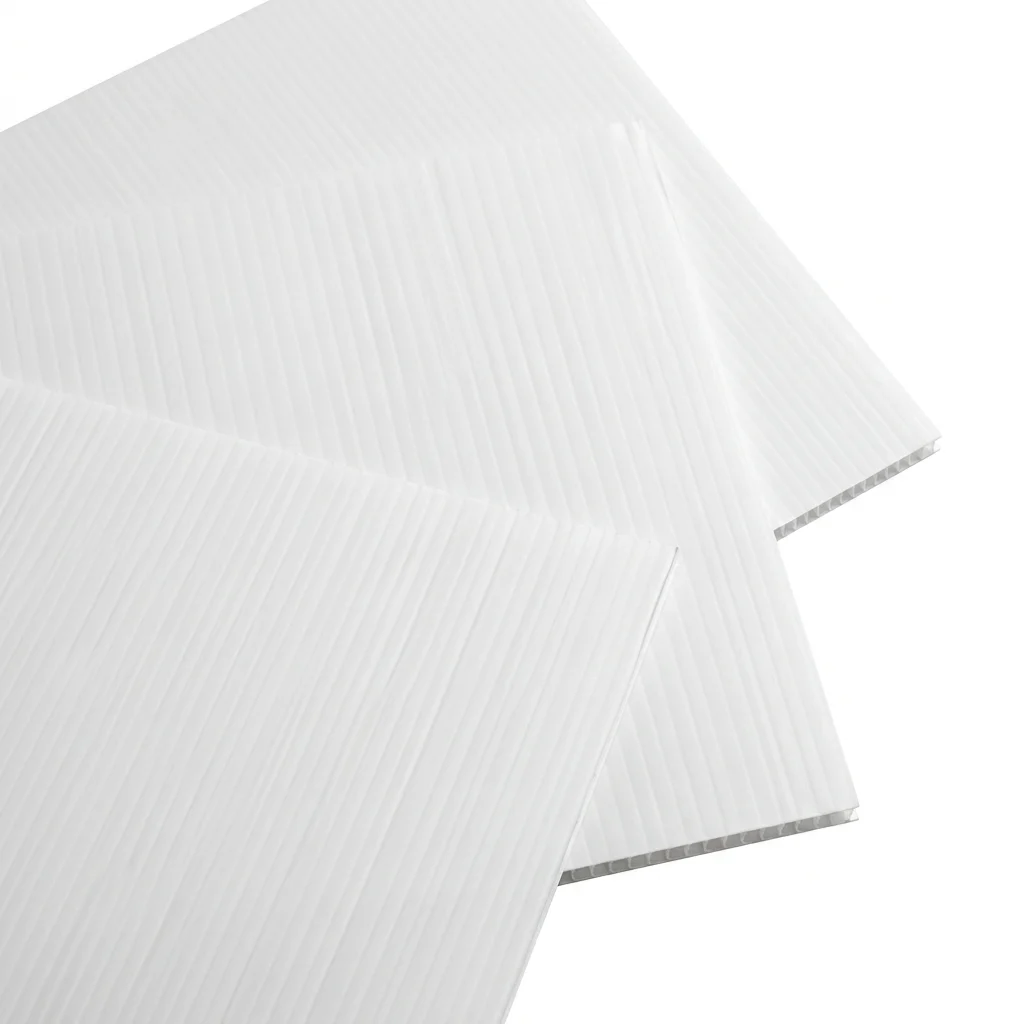
Material / Corrugated
Thin corrugated profile for retail mailers, display boxes, and cleaner graphics.
Review this option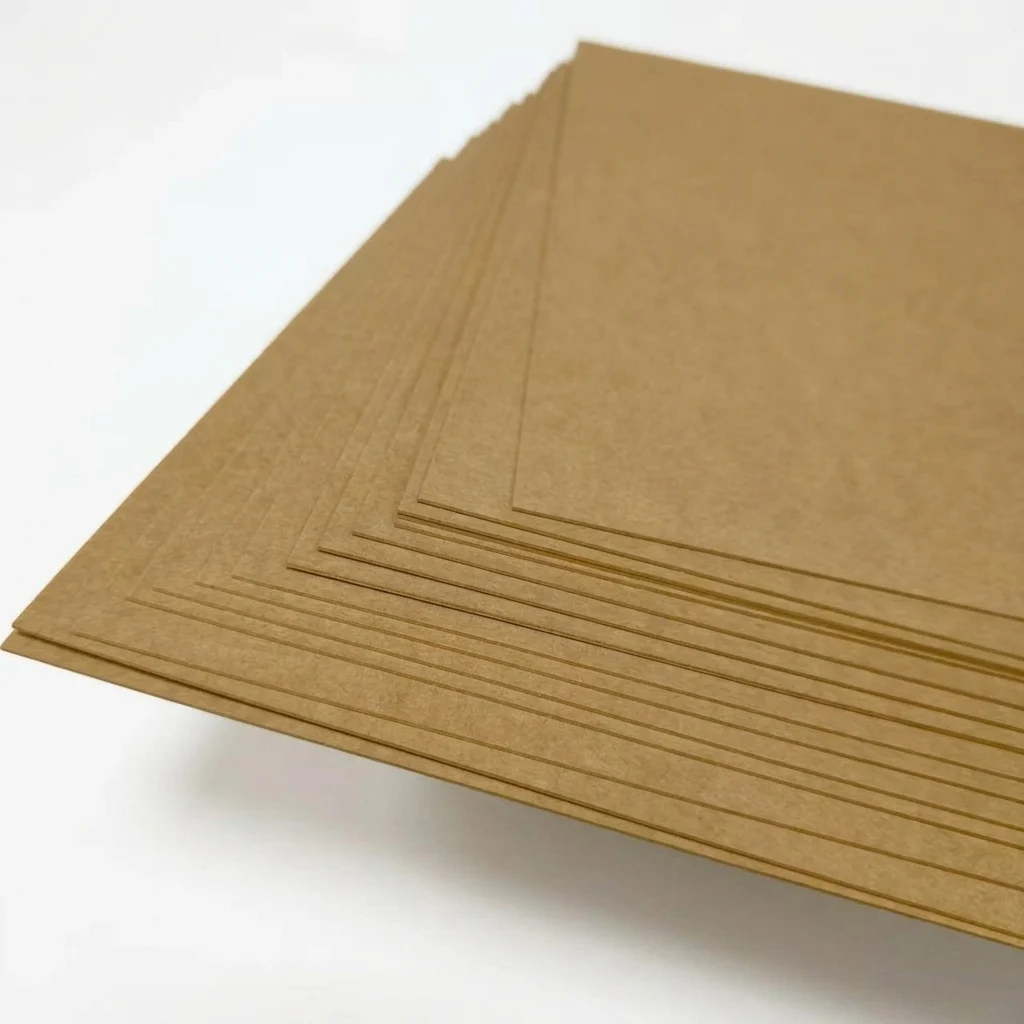
Material / Paperboard
Natural kraft board for earthy, recycled, and practical packaging programs.
Review this option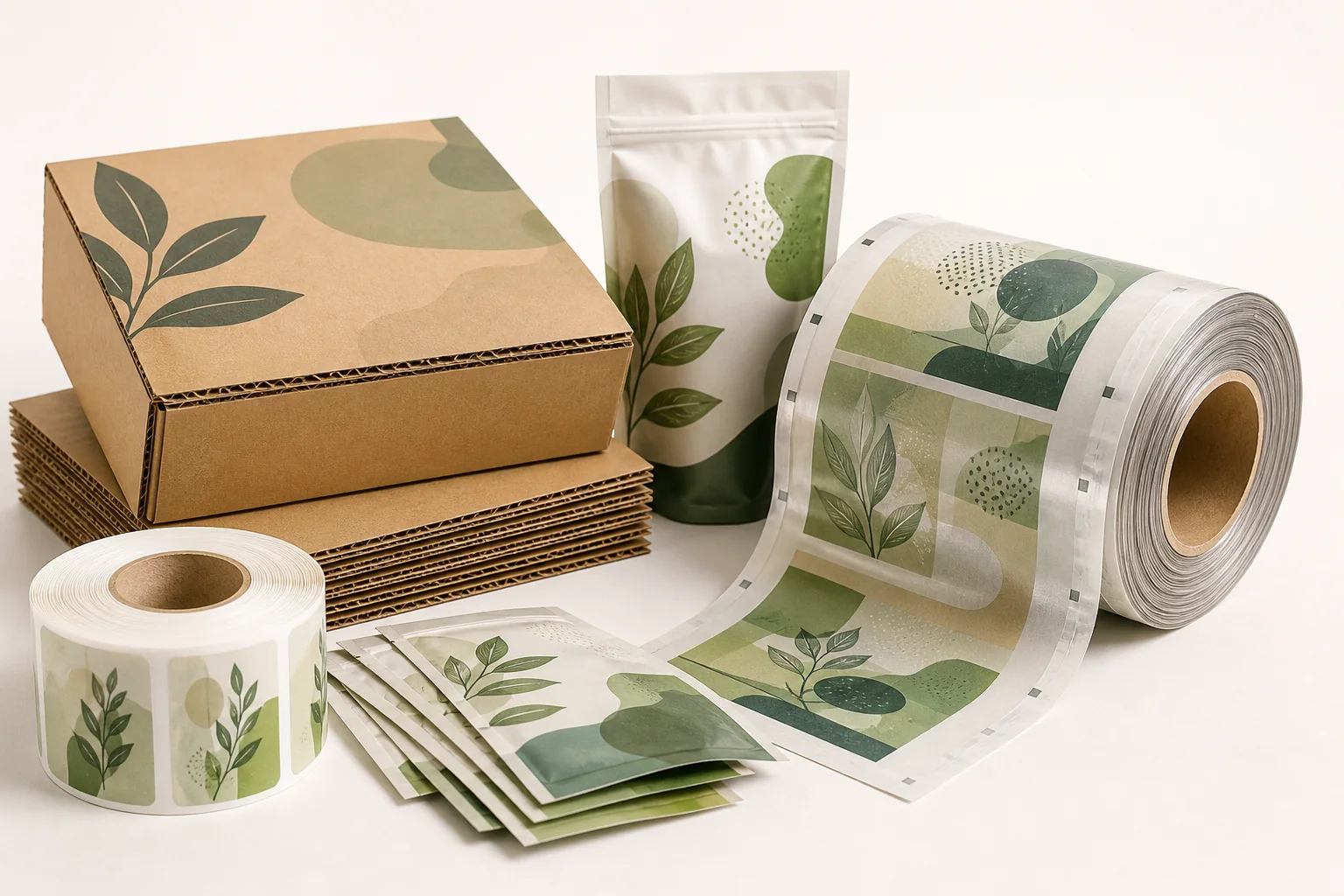
Printing / Print Method
Production print route commonly used for corrugated board, kraft mailers, and flexible packaging films.
Review this option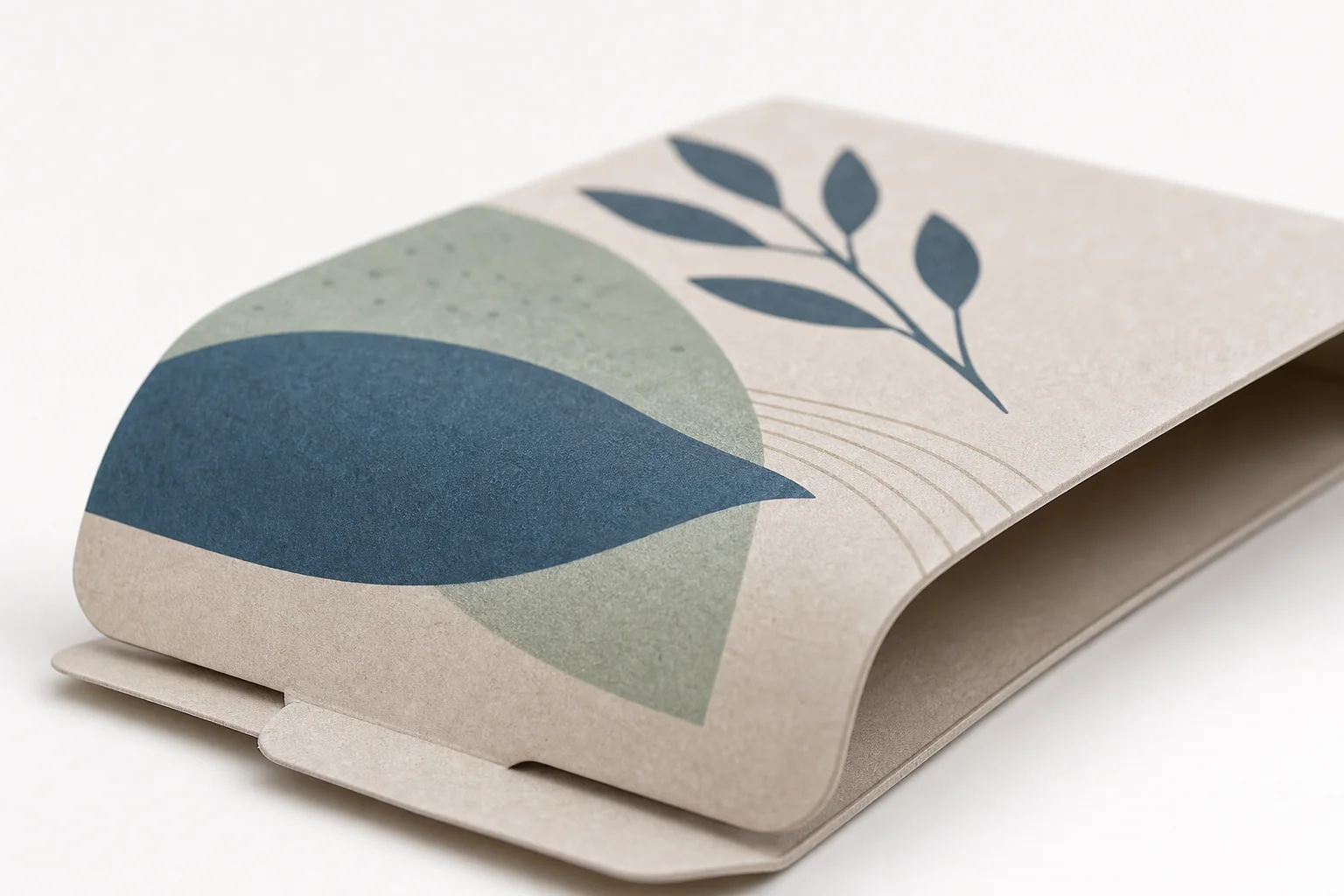
Printing / Ink System
Water-based ink system for packaging programs that prioritize cleaner print chemistry.
Review this option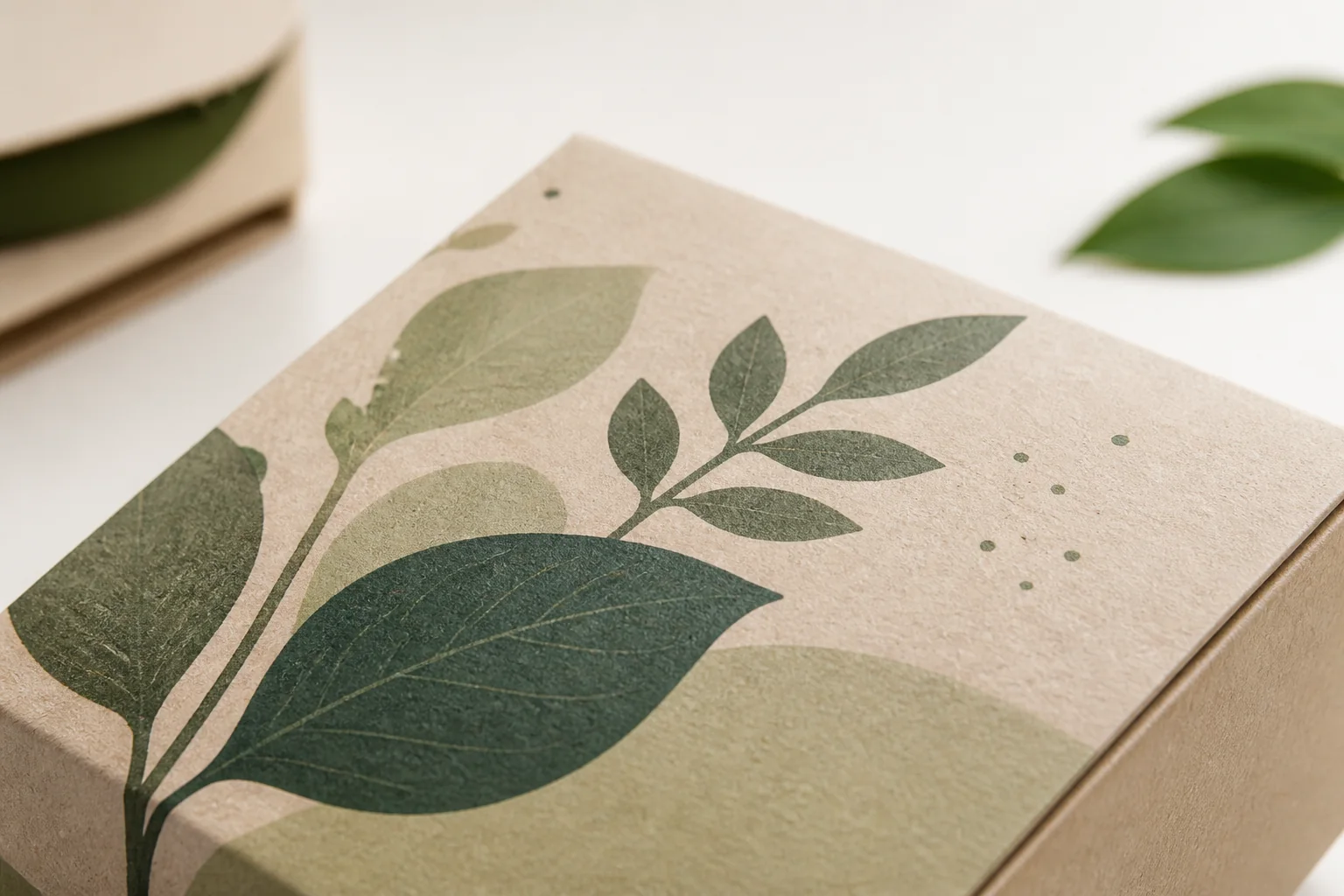
Printing / Ink System
Lower-impact ink route commonly used for paper packaging and retail cartons.
Review this option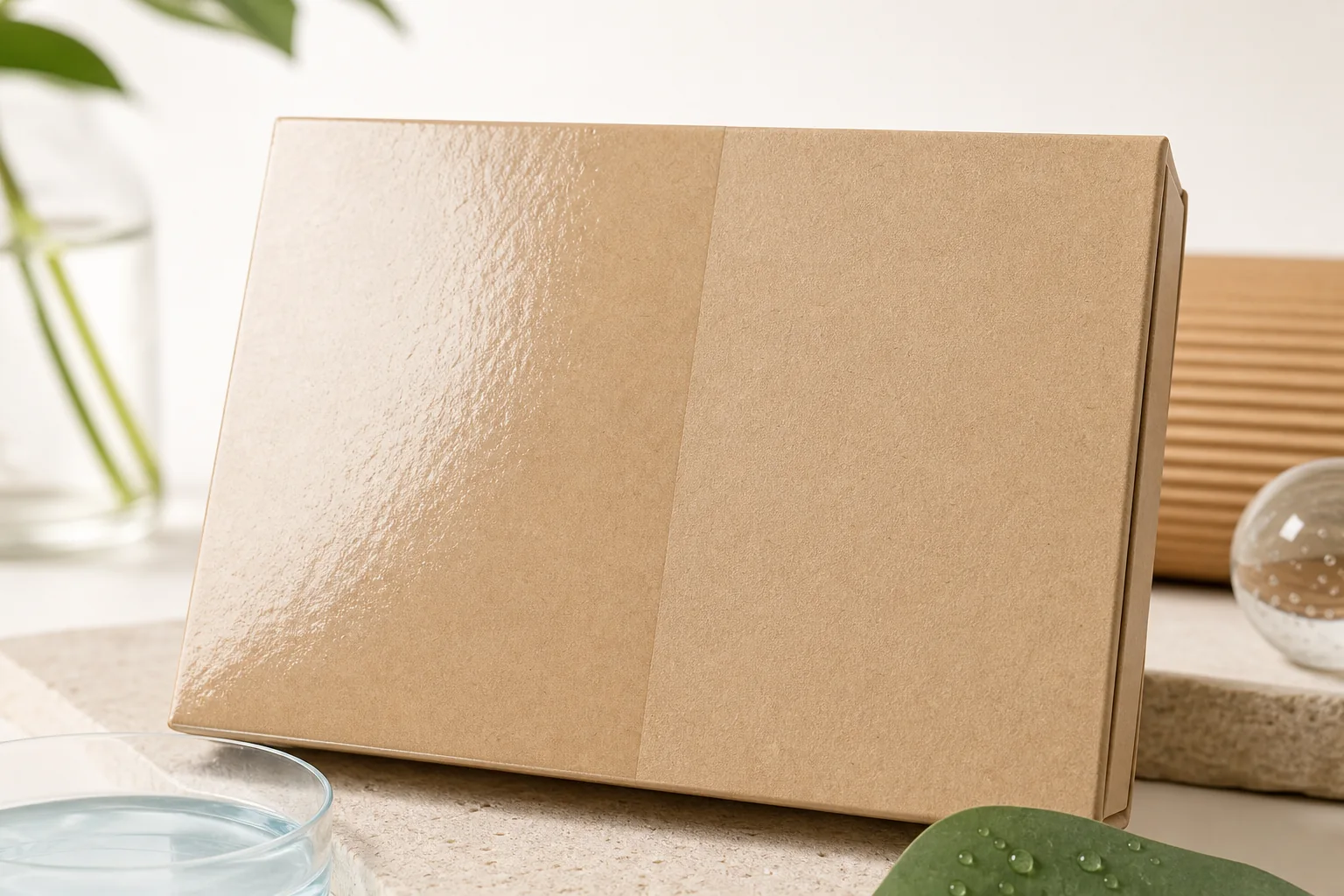
Finishing / Surface
Water-based protective coating for everyday cartons and printed paper surfaces.
Review this optionPrint and finish route
The material story depends on recycled corrugated board, low ink coverage, and no plastic film. Fiber strength, moisture resistance, glue performance, and claim documentation need separate approval.
The box retains a natural paper texture and avoids adding a plastic film layer to the visible paper construction.
Confirm recycled content, adhesive, labels, contamination limits, and local recovery acceptance before making market claims.
Restrained black artwork keeps ink coverage low while maintaining a clear logo on the brown board.
Proof density, fine text, drying, transfer, rubbing, score cracking, and production consistency.
The reference omits film lamination, foil, UV, embossing, and other decorative post-finishing.
Add protection only when a handling or moisture test demonstrates the need and document its effect on recovery.
Artwork element
Production route
Effect on this box
Proofing check
Black lid logo
One-color water-based flexographic or approved direct printing
Simple dark branding on the natural kraft face.
Approve black density, small letters, score clearance, rubbing, and batch-to-batch kraft variation.
Tuck top and tray walls
Die cutting, creasing, folding, and erection test
Creates a connected opening and shallow protective tray.
Test lid alignment, side-flap entry, wall squareness, closing force, and repeat opening.
Auto-bottom junction
Layered die-cut tabs and folding self-lock assembly
Forms the base mechanically during erection without requiring the packer to apply glue.
Confirm assembly sequence, lock engagement, bottom flatness, load behavior, and production tolerances.
Specification summary
The images establish the visual and structural baseline. Exact recycled content, liner weights, flute profile, dimensions, load capacity, moisture performance, quantity, and delivery condition require supplier documents and converted samples.
Packaging type
Custom recycled corrugated mailer boxes for apparel, accessories, flat goods, subscription packs, lightweight kits, and ecommerce orders
Structure
One-piece tuck-top auto-bottom corrugated mailer with hinged lid, lid-side flaps, tray walls, and folding self-lock bottom tabs
Board baseline
Natural kraft E-flute corrugated board showing secondary-fiber surface characteristics; recycled content percentage requires mill or supplier documentation
Print route
Low-coverage black one-color water-based or approved direct-print ink on the natural kraft liner
Finish route
No plastic film lamination and no foil, spot UV, embossing, or decorative post-finishing
Supply format
One-piece die-cut blank planned for flat storage and fold-lock erection; final pre-gluing and delivery condition follow the approved drawing
Material limitation
Recycled fibers may offer lower strength and moisture resistance than an all-virgin kraft route, so the packed application requires testing
Main price drivers
Finished size, packed weight, recycled board grade, ink coverage, bottom-lock conversion, quantity, tests, and delivery destination
Buyer decisions
Recycled fiber can reduce demand for virgin pulp, but its shorter fibers and moisture sensitivity can change compression, fold endurance, and closure performance. Select board by testing rather than appearance alone.
Internal length, width, and depth
Product dimensions and packed weight
Target quantity
Artwork file
Required recycled-content documentation
Retail or parcel route
Moisture and stacking exposure
Delivery destination
Recycled E-flute kraft
Paper-recovery programs and lightweight shallow mailers
Strength and moisture performance can be lower than all-virgin kraft board
Higher-grade recycled liner
Projects needing better compression with documented recycled content
Adds material cost and supplier-document review
Virgin kraft reinforcement route
Higher loads or demanding handling conditions
Reduces the recycled-fiber share and changes the material claim
Aqueous coating if required
Extra rub or light moisture protection without film lamination
Coating formulation and local repulpability still require review
Also suitable for
Proof before mass production
Board documentation: Records liner and medium grades, recycled-content evidence, weights, flute profile, and supplier claim language.
Converted structure sample: Checks auto-bottom erection, base flatness, tab engagement, lid closure, wall squareness, fit, and packing speed.
Packed performance test: Checks compression, moisture exposure, corners, labels, tape, opening, and arrival condition on the intended route.
Sampling and production path
Treat recycled content, E-flute build, bottom-lock geometry, ink, adhesive, packed weight, master carton, and delivery route as one production system.
1
Share packed dimensions, weight, SKU range, quantity, destination, recovery expectations, and required recycled-content documents.
2
Compare recycled liner and medium grades, flute, weights, visible surface, compression needs, moisture exposure, and supplier evidence.
3
Test fold sequence, tab engagement, bottom flatness, wall shape, lid closure, loading, removal, and packing speed.
4
Approve black ink, kraft variation, fine text, scores, rubbing, labels, tape, compression, and the intended fulfillment workflow.
5
Confirm dieline, board grade, recycled-content statement, ink, adhesive, packing condition, quantity, QC checks, and destination.
Structure reference
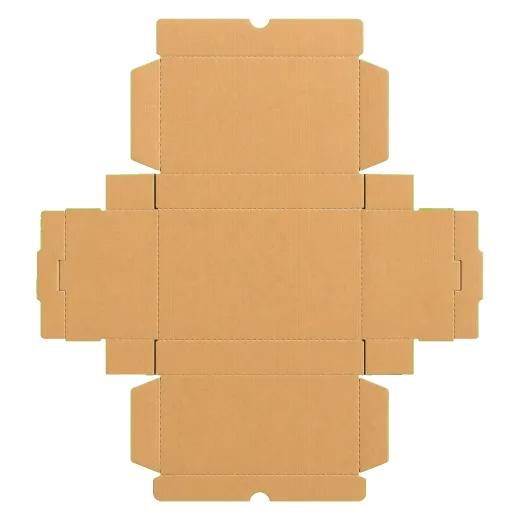
The hinged tuck top creates the main opening while layered bottom tabs form a mechanical self-lock during erection. Validate both systems around the selected recycled board and packed load.
The folding base is designed to lock as the box is erected, reducing manual bottom assembly compared with loose flap sequences.
The one-piece die-cut structure can be planned for compact inbound storage before packers fold it into the finished mailer.
The reference shows corrugated paper without visible plastic lamination, foam, or a plastic tray, while final adhesives and labels still require review.
Structure baseline
One-piece tuck-top E-flute mailer with an integrated folding auto-bottom lock and no separately specified insert.
Material direction
Natural recycled kraft-faced corrugated board, with fiber content and board performance confirmed through supplier documentation and samples.
Decoration direction
Low-coverage black water-based one-color printing on an unlaminated surface without decorative post-finishing.
Quote inputs
Finished size, product weight, artwork, quantity, recycled-content document needs, route, exposure, tests, and destination.
Details to prepare for factory review
Internal length, width, and depth
Product dimensions and packed weight
Target quantity
Artwork file
Required recycled-content documentation
Retail or parcel route
Moisture and stacking exposure
Delivery destination
Production FAQ
It is a one-piece corrugated mailer with a hinged tuck-top lid and layered bottom tabs designed to lock as the box is erected. The converted sample should confirm the exact folding sequence, bottom flatness, closure hold, and packed-load behavior.
Visible short fibers and paper specks can support a recycled-board hypothesis, but they do not prove the recycled percentage. Request paper-mill or supplier documentation for liner and medium grades, recycled content, weights, and applicable claim wording.
It can be. Repeatedly recycled fibers are generally shorter, which may reduce compression, tear, fold endurance, and moisture performance. The required board grade should be selected through packed testing rather than by color or appearance alone.
Film changes a simple paper-based pack into a paper-plastic composite and can make fiber recovery more difficult. The unlaminated route should still be checked for scuffing, ink rub, labels, tape, and the real moisture environment.
The unlaminated paper-dominant construction is intended to support fiber recovery, but actual acceptance depends on inks, adhesives, labels, contamination, and local collection and repulping facilities. Confirm the destination market before making an unconditional claim.
Send internal dimensions, product size and packed weight, quantity, artwork, required recycled-content documents, shipping or retail route, moisture and stacking exposure, required tests, and delivery destination.
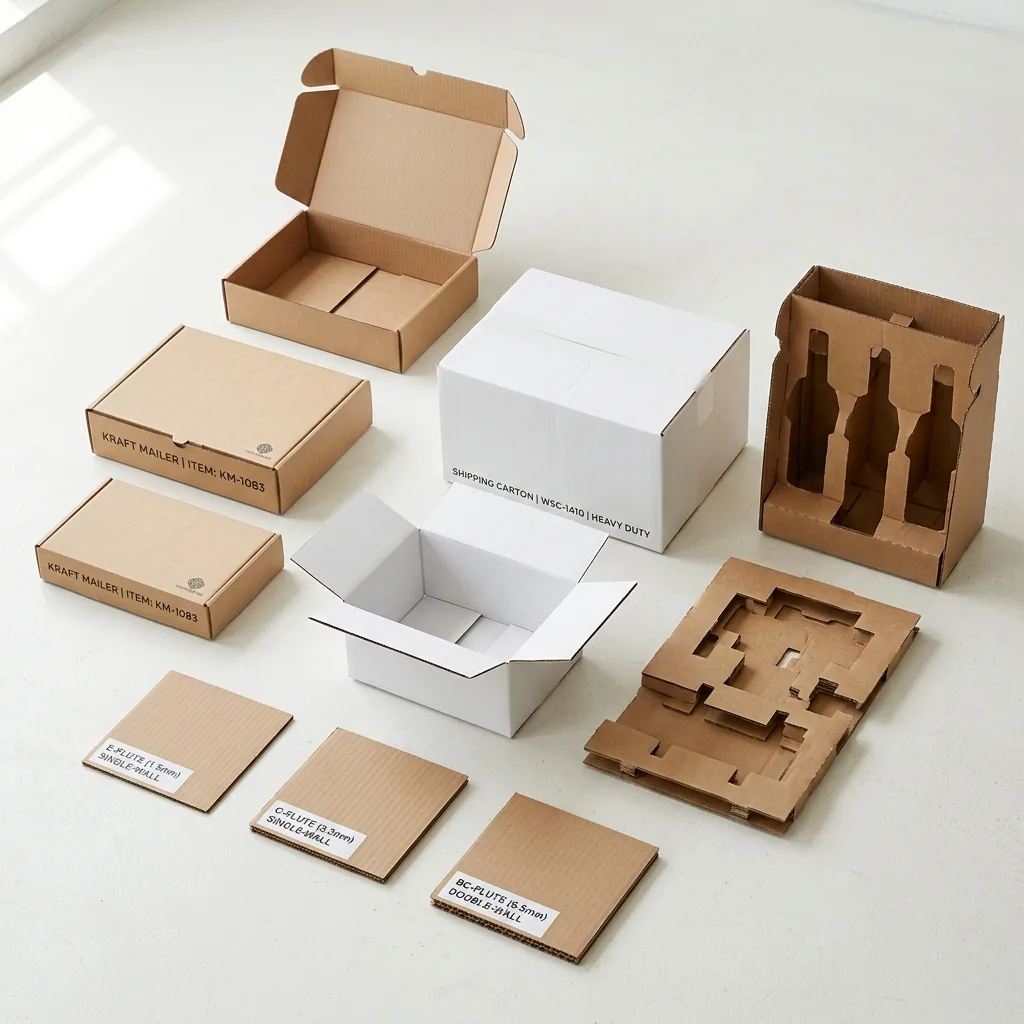 Corrugated Boxes Choose the corrugated box route by shipping risk, product weight, print needs, insert fit, and the opening experience your customer should receive.
 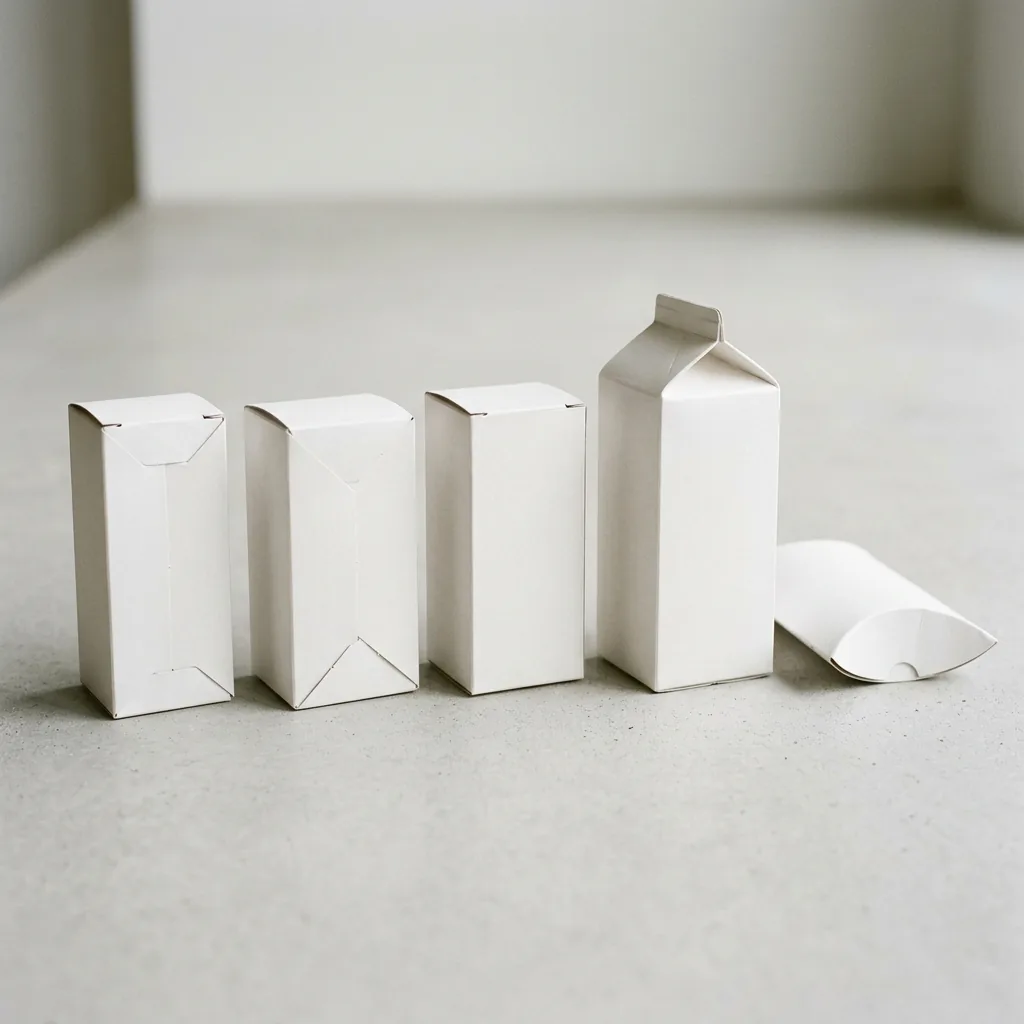 Folding Cartons Compare paperboard carton styles by structure, product fit, material, print area, and production use before choosing a quote-ready packaging path.
 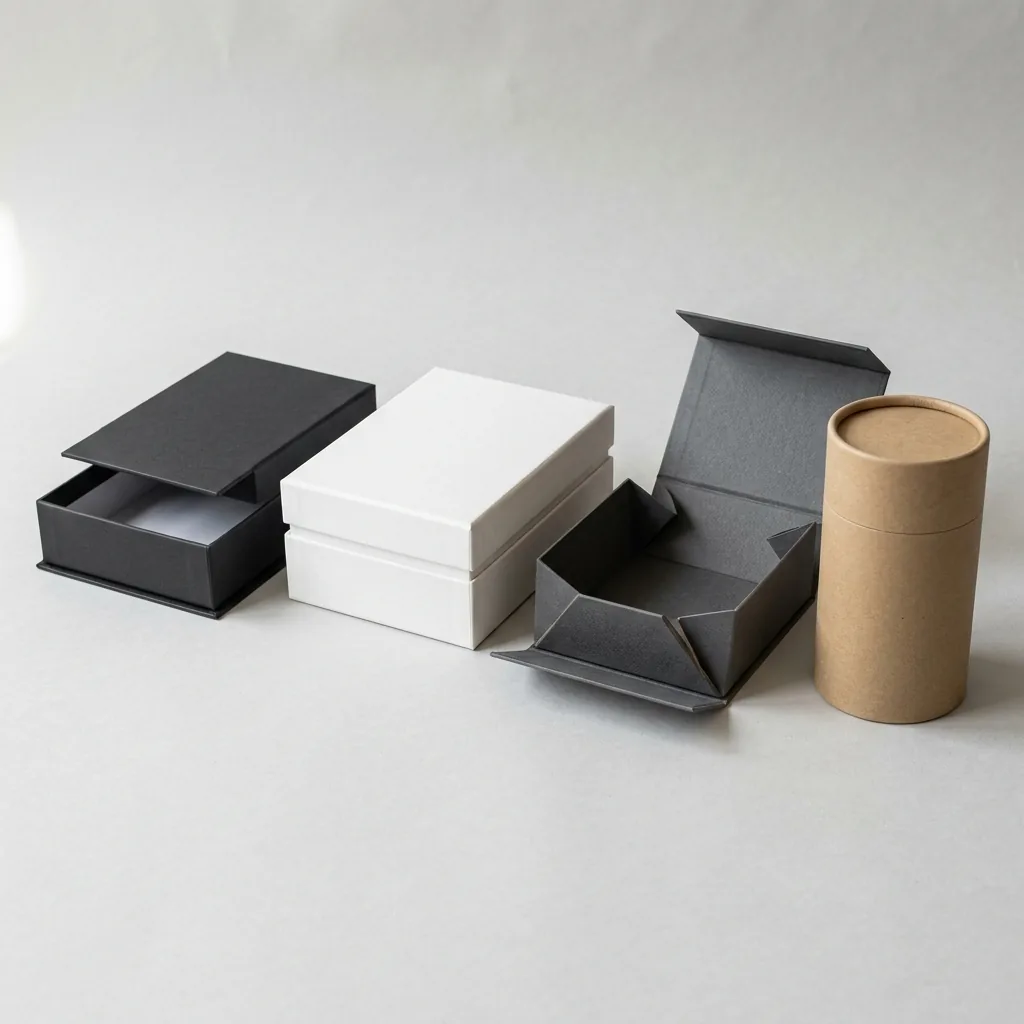 Rigid Boxes Choose rigid boxes when the packaging needs a stronger gift-box feel, durable presentation, premium surface finishing, and a more controlled opening experience.
 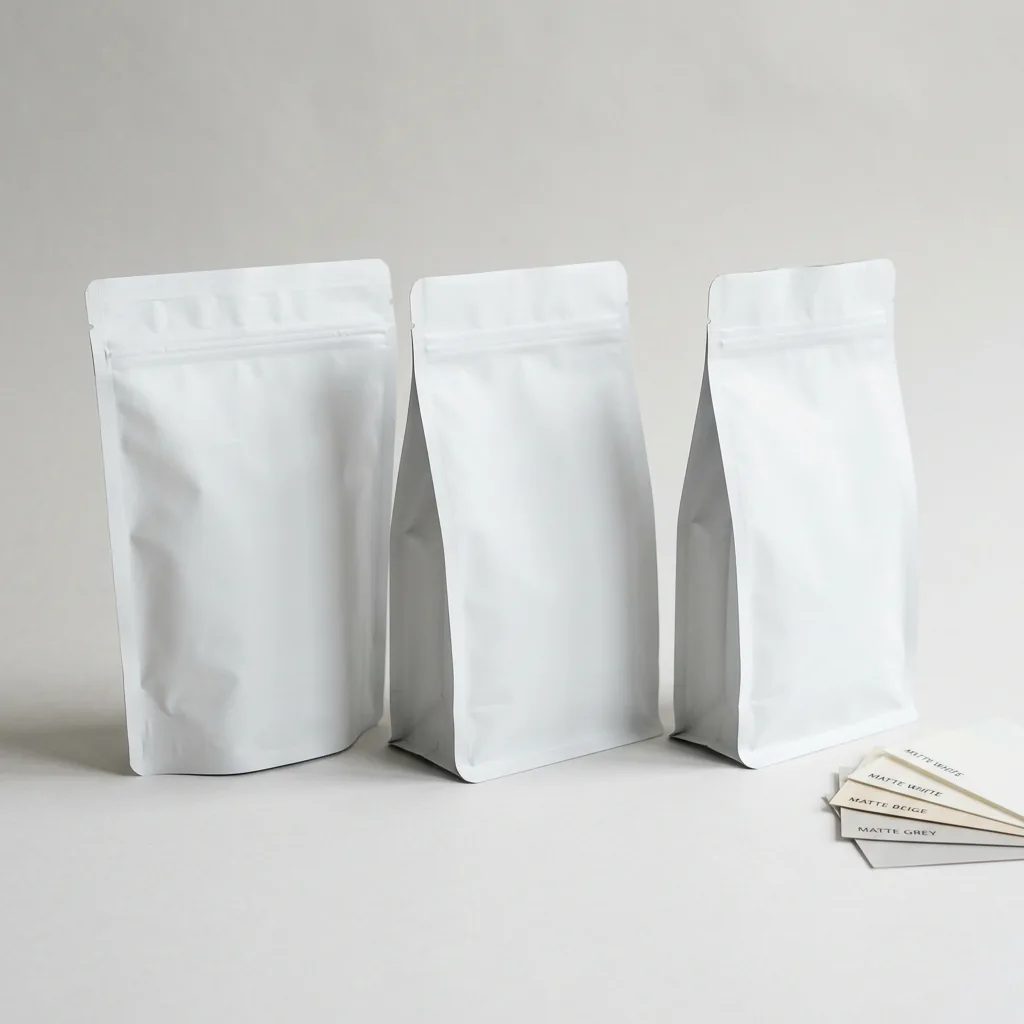 Flexible Pouches Use custom pouches when the packaging needs to stay light, portable, resealable, shelf-friendly, or efficient for food, refills, masks, samples, and pet products.
 Product structures
Option Library
Browse materials, print methods, finishes, inserts, and packaging features before choosing a structure.
Browse all options Cosmetics & Skincare Packaging routes for skincare launches, beauty refill sets, cosmetic retail units, and premium PR kits.
  Food & Beverage Packaging Packaging routes for coffee pods, tea, cookies, confectionery, bakery products, snacks, and gift assortments.
  Apparel & Fashion Mailer, pouch, wrap, and gift-ready packaging directions for fashion and lifestyle products.
  Subscription Boxes Packaging ideas for recurring kits, campaign boxes, sample programs, and DTC launch testing.
  Eco-Friendly Packaging Paper-based structures, recycled boards, FSC options, and lower-plastic packaging paths.
 Solution paths
Solution paths
Solution paths
Solution paths
Solution paths
Inspiration Library
Get inspired by browsing creative packaging concepts and see how brands from your industry are designing their packaging.
Browse inspiration library Services overview Compare design, customization, production, and eco support before choosing a project route. Packaging Design Turn a product idea into packaging that is ready for sampling, shelf presentation, and production.
  Packaging Customization Dial in every detail, from board choice and finish to window cutouts, inserts, openings, and small functional touches.
  Packaging Production Move from approved sample to reliable production with global sourcing, low minimums, and pricing built for growing brands.
  Eco Support Build packaging with clearer sustainability choices, including FSC paper, recycled board, soy-based ink, and plastic-reduction options.
Download 2000+ Templates & Dielines
2000+ customizable packaging templates and dielines, with 3D mockups. 100% customizable. 100% downloadable.
Learn more BLOG Read packaging ideas, buyer guides, and material explainers for custom projects.
  Case Studies Review detailed packaging structures, materials, finishes, fit checks, and production decisions.
  Help Center Find answers for artwork, quotes, samples, production timing, and delivery support. Inspiration Library Browse packaging concepts, industry examples, and launch-ready design directions.
  Terms & Conditions Review project, ordering, production, delivery, and website usage terms.
  Privacy Policy See how customer details, quote inquiries, and project information are handled.
Help Center
Get practical answers before you request a quote, from artwork files and sampling steps to production timing, shipping notes, and packaging project details.
Visit help center About YATBRAND Learn how we support custom packaging projects from planning to production.
  Contact Us Share product details, quantities, timelines, and custom packaging goals. Request a quote Send size, quantity, material, artwork, and timeline details for a quote-ready review.
  Our Approach See how packaging guidance, samples, production control, and delivery details work together. Quality & Production Review how sampling, production, inspection, and delivery support fit together.
YATBRAND LLC
Custom packaging support for brands that need structure guidance, material options, sampling, quality review, and delivery coordination.
Learn about YATBRAND
Packaging specialist
Ask about structure, materials, samples, or quote details.