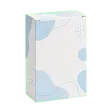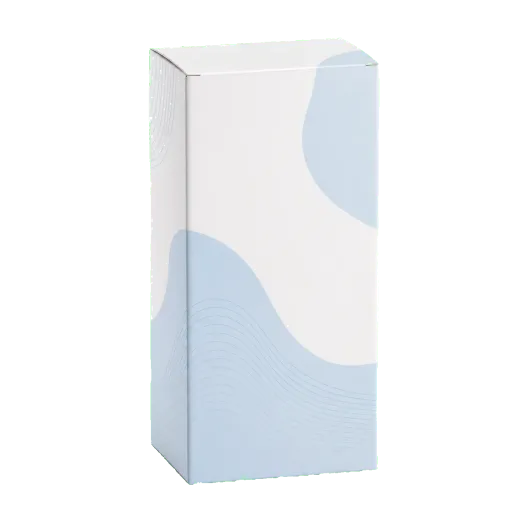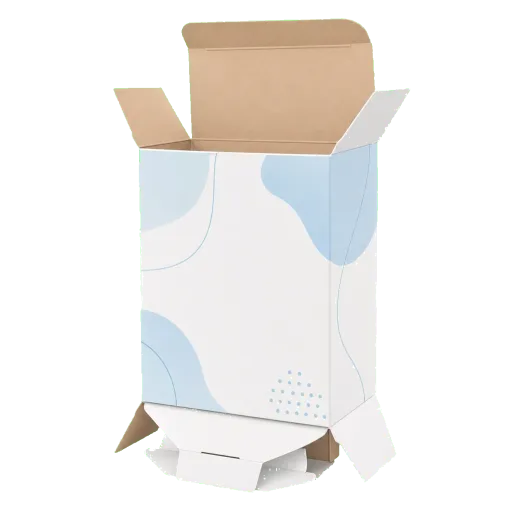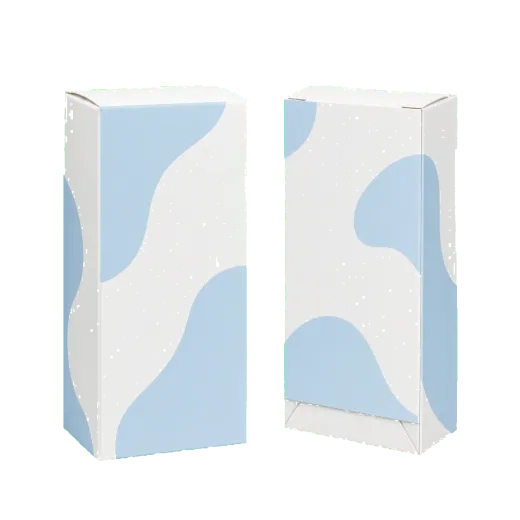
CMYK print and gloss film
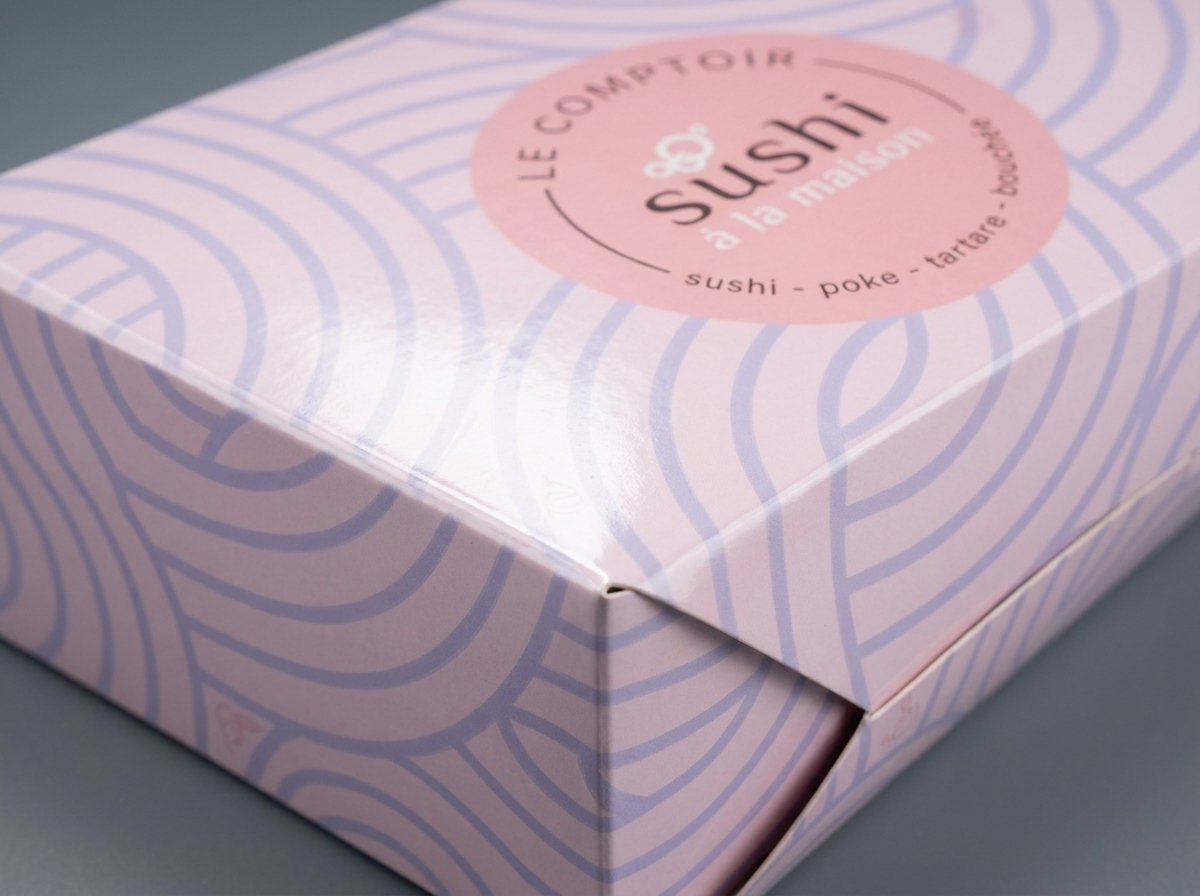
Use the folded-edge view to check artwork registration, color consistency, reflective gloss level, and whether the laminate performs cleanly at scores.
Zero wasted space. Save 20% on shipping.
Custom sizing. No die or setup fees.
Skip DIY. Free expert design support.
Bakery packaging / window auto-bottom carton
Custom bakery boxes with PET windows combine flat-packed, pre-glued auto-bottom carton construction with a large product-viewing window, full-color artwork, and gloss lamination. Plan the final box around the primary wrap, baked-good dimensions, grease exposure, packing speed, and destination-market requirements.
Structure
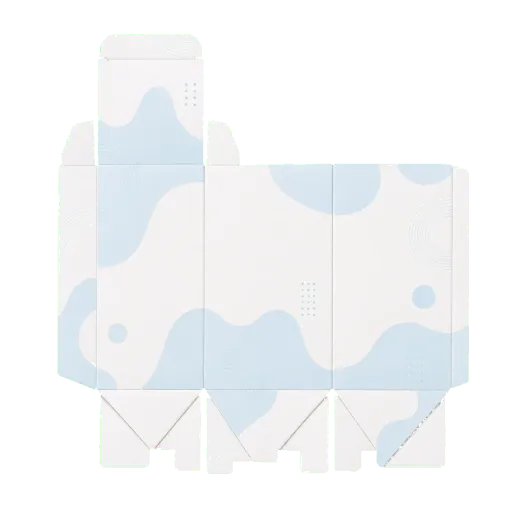
Pre-glued auto-bottom folding carton, supplied flat and opened for fast setup
Window route
Die-cut viewing aperture with clear PET patch as the preferred food-packaging film option
Finish direction
Offset CMYK print with gloss BOPP lamination for a wipeable, bright surface
Visual proof points
The supplied image set documents the closed carton profile, glossy printed exterior, large rectangular window, clear film edge, and empty interior. It does not prove a specific bakery product fit, direct-contact approval, film gauge, or automatic-bottom glue pattern; validate these with the final dieline and physical sample.
Landing page reference
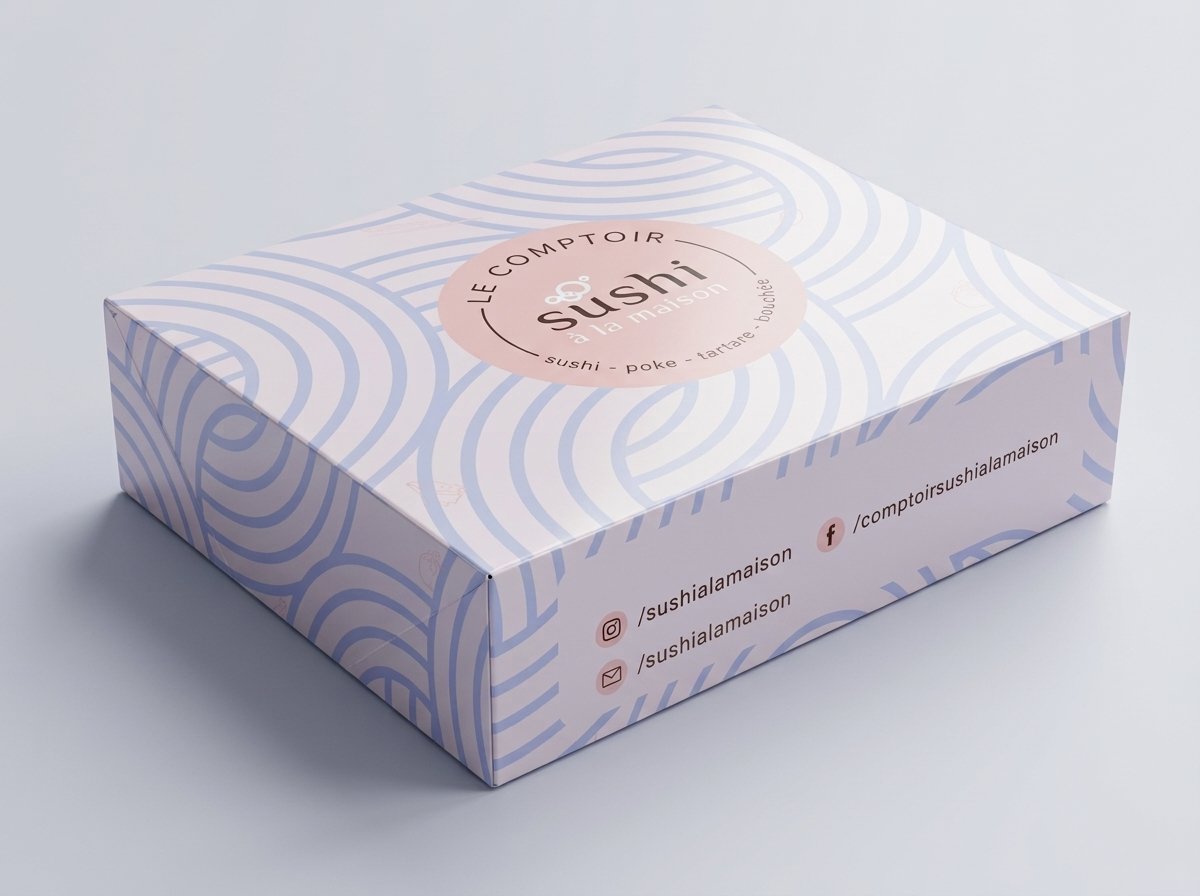
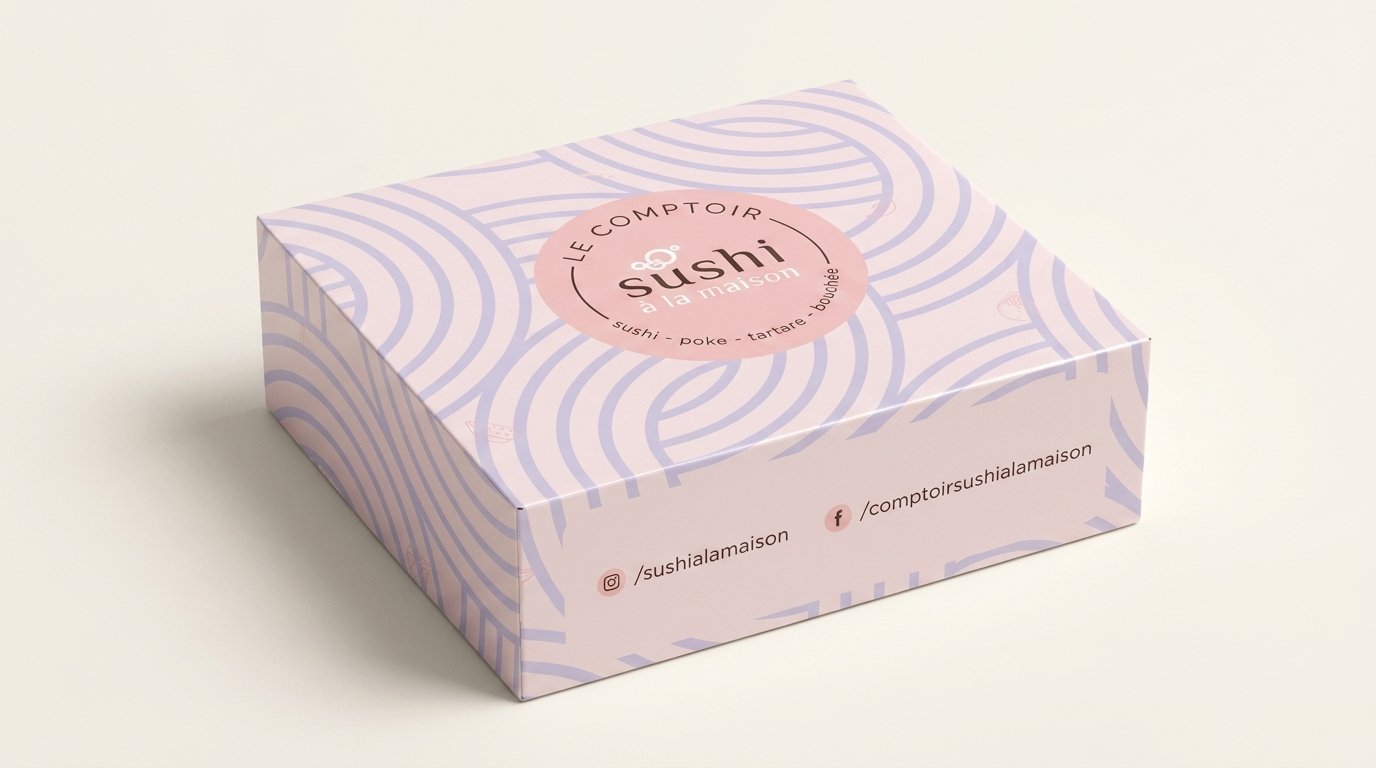
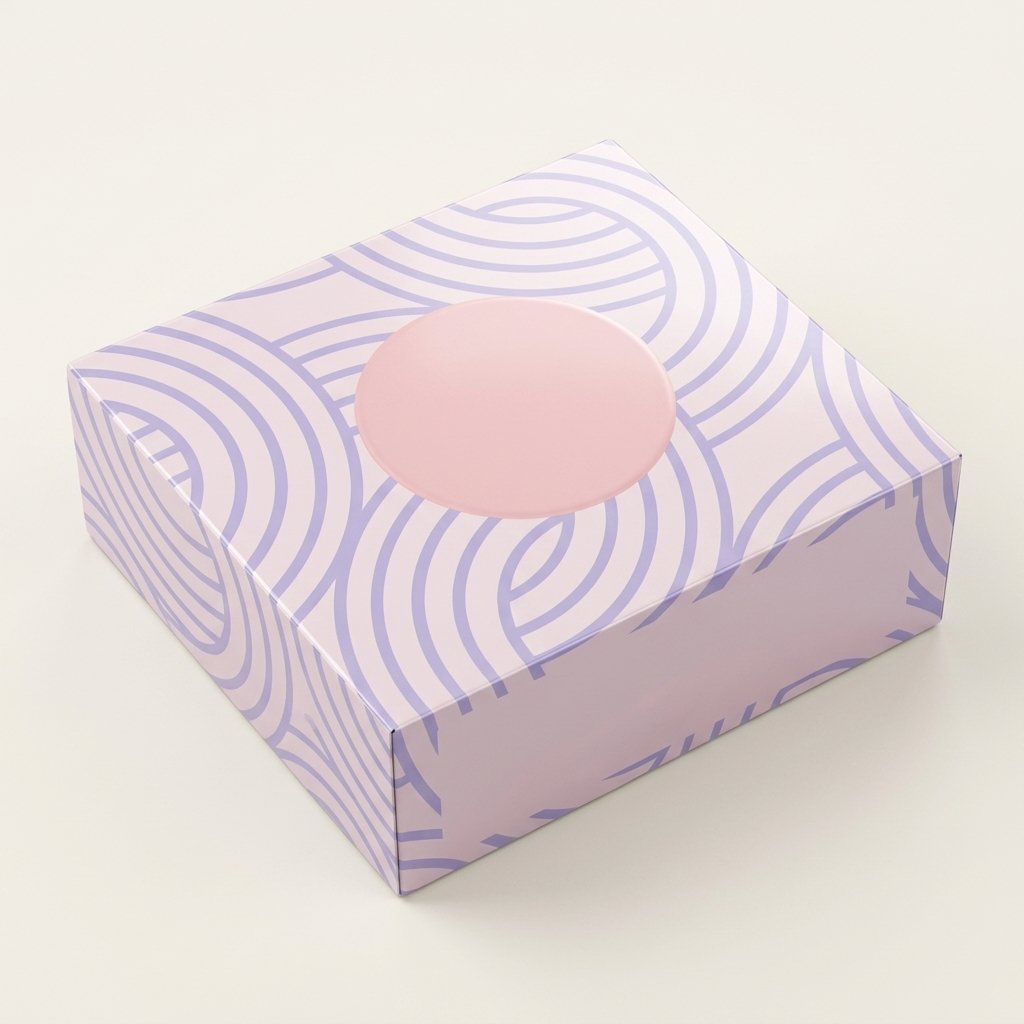
Review the wide closed-panel format, pale wave artwork, glossy surface, and the relationship between the closed and windowed carton presentations.
Structure reference
The reference clearly shows a broad rectangular window and folded carton walls. Confirm actual product clearance, patch position, and window strength with the chosen box size.
Use the folded-edge view to check artwork registration, color consistency, reflective gloss level, and whether the laminate performs cleanly at scores.
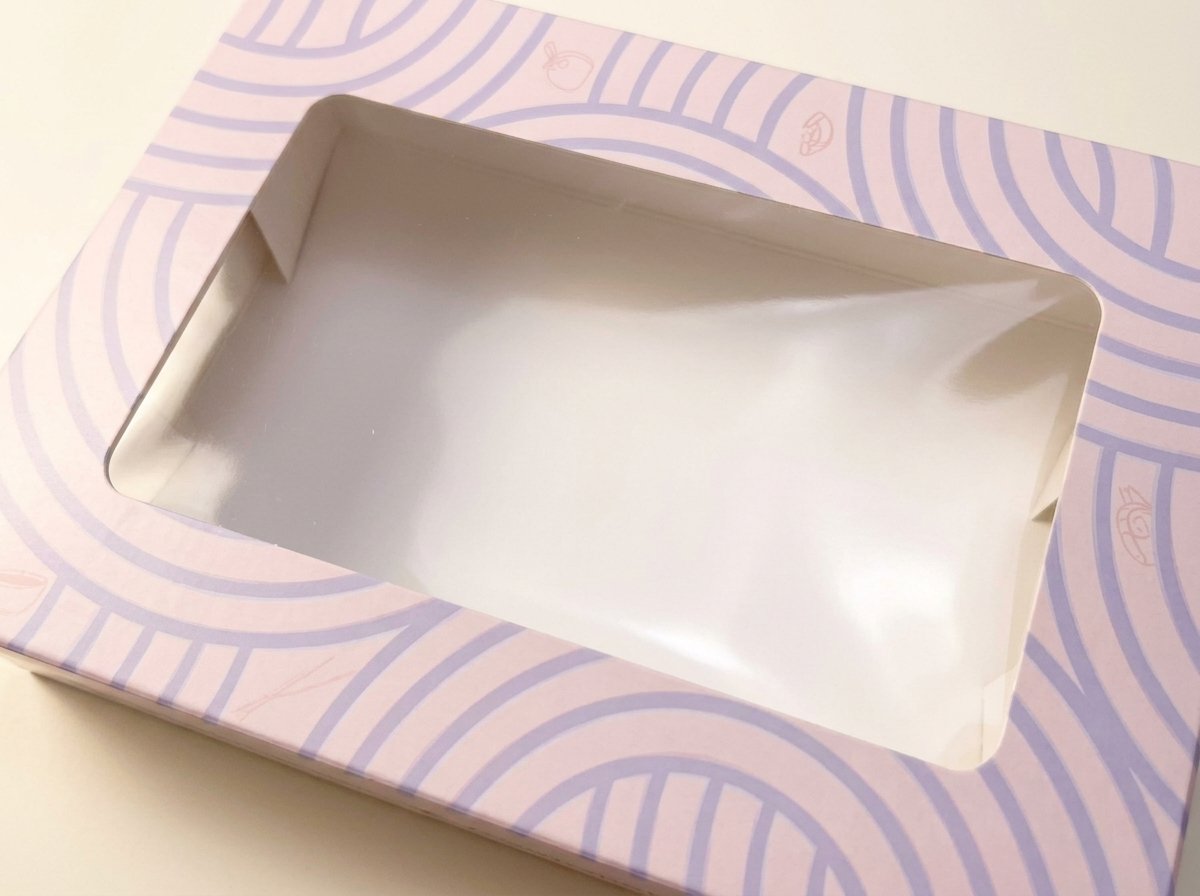
The close view proves a smooth transparent window behind the printed border. Confirm PET film, adhesive, film thickness, and final food-contact boundary for the market.
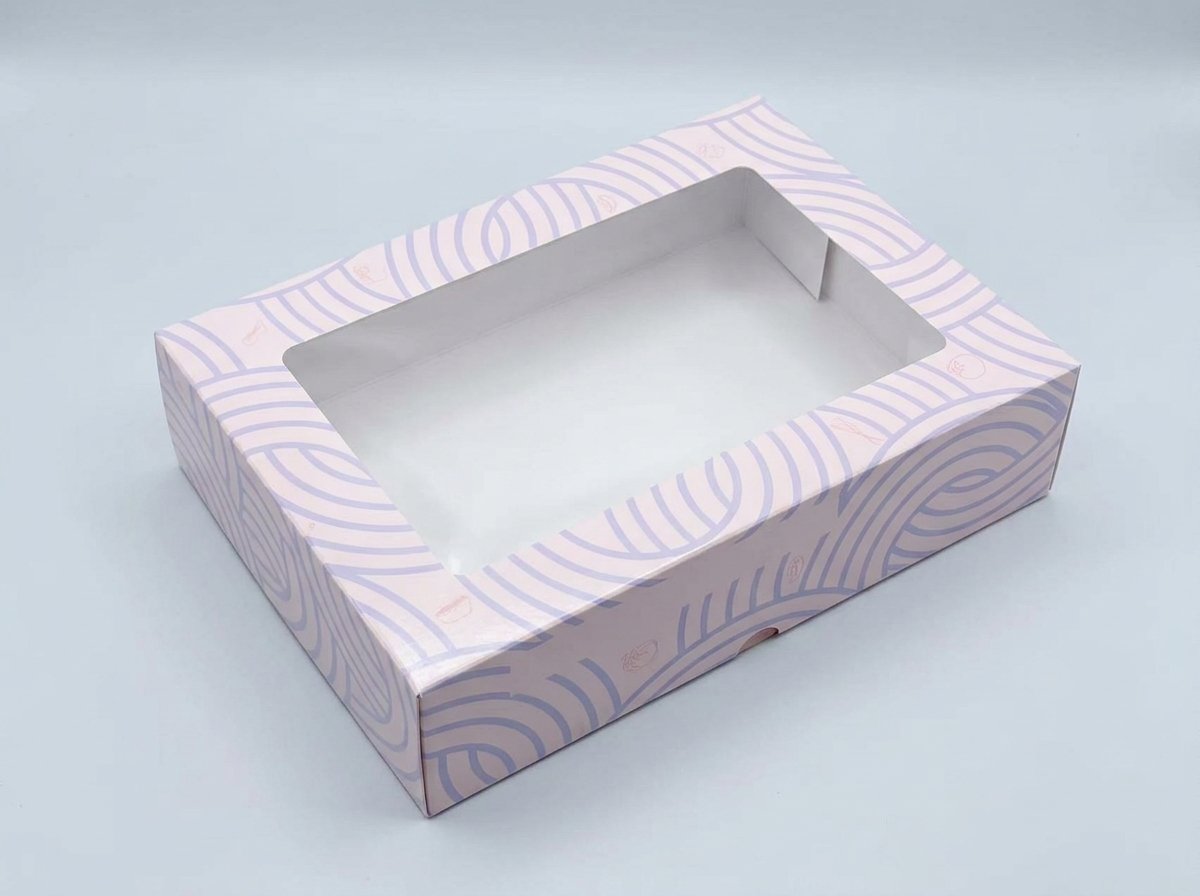
The open empty carton shows a white board interior and broad product-viewing area. Final product loading direction and any liner or tray should follow the actual bakery item.
Customization options
Select the board, print, gloss laminate, die-cut window, and patch film together. The final food-contact route depends on whether the carton holds a separately wrapped product or needs material documentation for its actual use.
Material / Paperboard
Single-side coated white board with a clean print face and a natural reverse side.
Review this option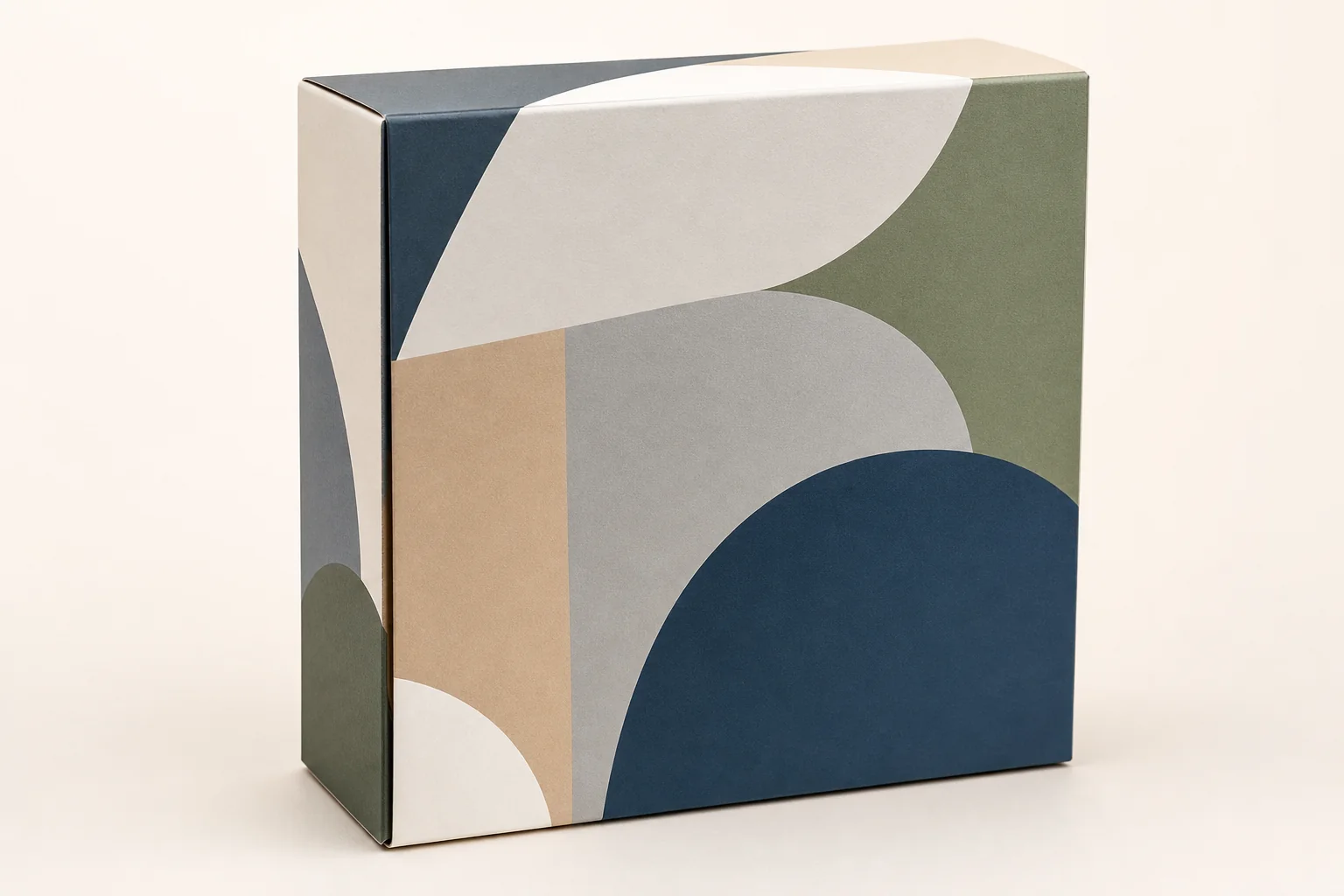
Printing / Print Method
Four-color offset printing for detailed artwork and consistent production quality.
Review this option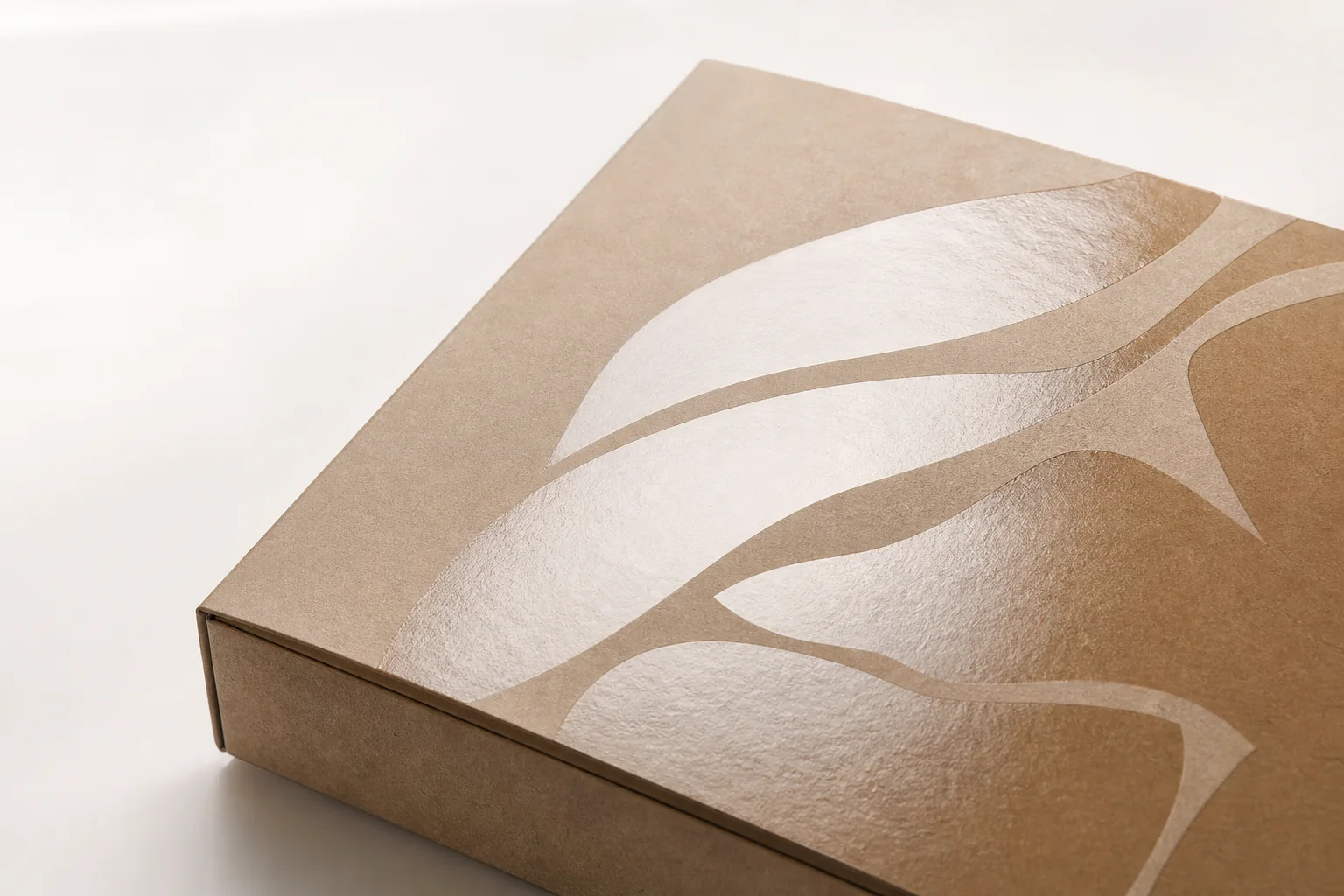
Finishing / Surface
Reflective protective film for brighter color and a polished retail feel.
Review this option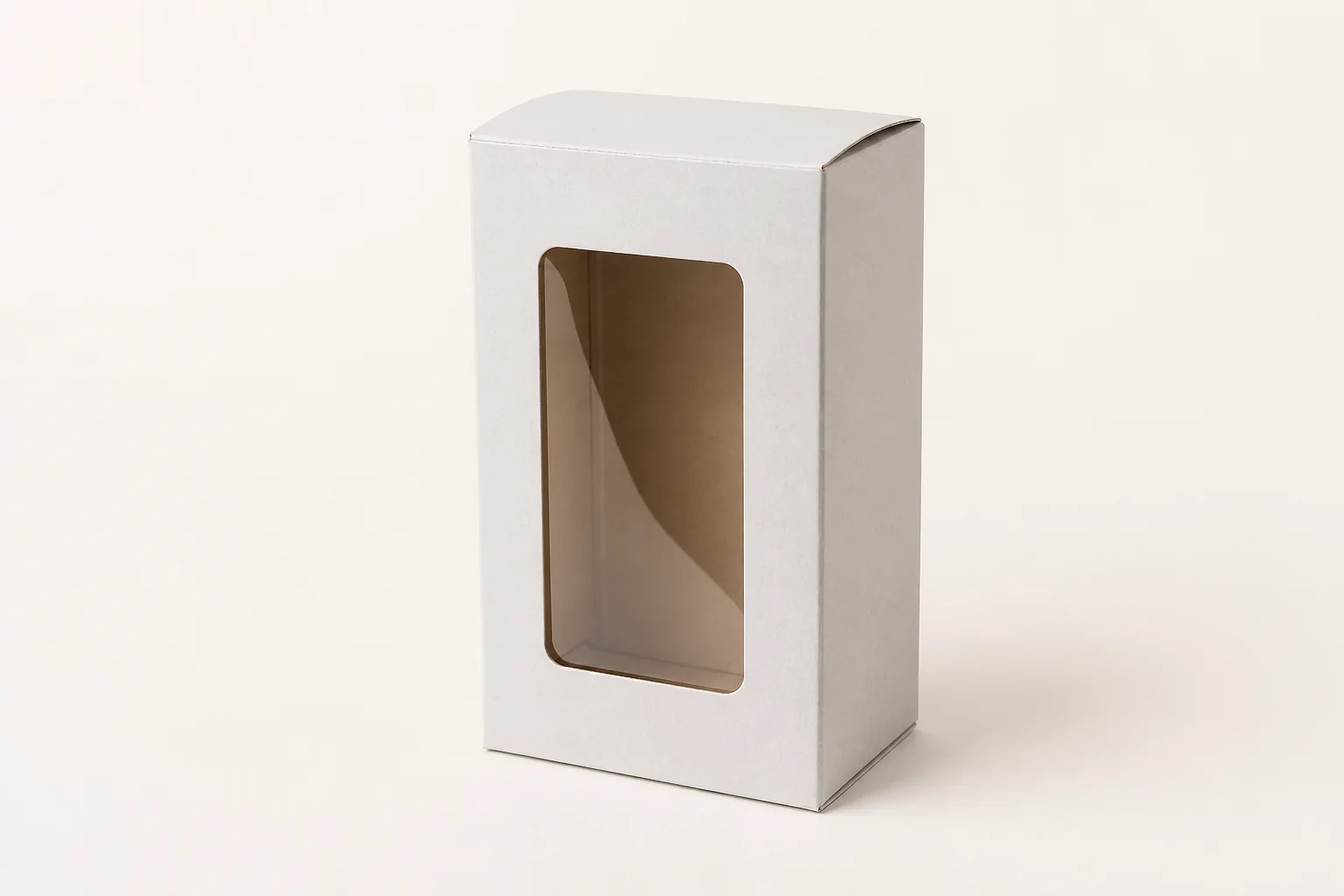
Finishing / Structural
Shaped product window, often paired with clear PET or PVC patching film.
Review this option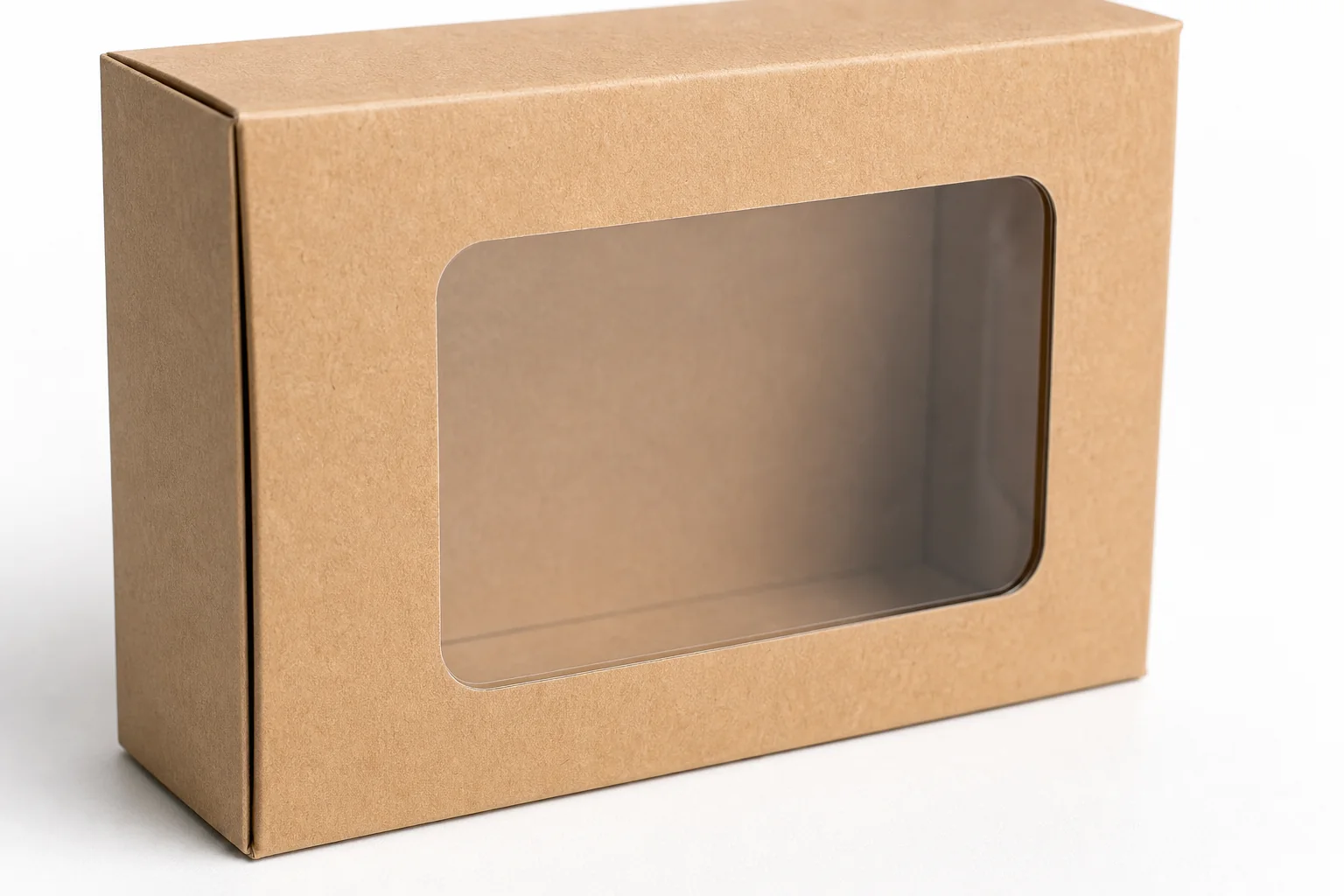
Finishing / Structural
Clear film patched behind a window cutout so the product can show through cleanly.
Review this optionPrint and finish route
This reference is a lightweight, artwork-led folding carton: full-color offset printing and a glossy protective film provide the visual direction, while a clear window lets the packed bakery item remain visible. It does not show foil, embossing, debossing, or a matte finish.
The repeating pale pink and lavender curve artwork is produced as a printed carton surface rather than a separate label.
Proof color, small copy, barcode areas, artwork continuity, and clearance from scores, glue areas, and window cut lines.
The reference has a bright, reflective laminated surface that suits bakery programs where handling marks and visible grease are practical concerns.
Test rub, crease cracking, oil marking, patch adhesion, and expected appearance after filling and counter handling.
A die-cut aperture paired with clear PET film provides product visibility while retaining a printed paperboard border.
Confirm the window shape, film gauge, adhesive area, condensation behavior, product clearance, and destination requirements.
Artwork element
Production route
Effect on this box
Proofing check
Pastel wave artwork
Offset CMYK on coated white paperboard
Continuous full-color graphics across the lid and side panels.
Keep key artwork away from score lines, window cuts, glue flaps, and the auto-bottom base.
Glossy exterior
Gloss BOPP lamination after print
A bright, protective film surface for high-color bakery graphics.
Approve gloss level, fold response, scuff resistance, oil-mark appearance, and film behavior around the window patch.
Product viewing area
Die-cut aperture with clear PET patch
Visible product area framed by the printed carton.
Test film clarity, patch adhesion, product clearance, window stiffness, and any required material documentation.
Brand mark or seasonal SKU
Printed carton panel or separate pressure-sensitive label
Either integrated artwork or a lower-changeover label area for SKU variations.
Confirm label size, placement, adhesive suitability, barcode scan area, and clearance from the window edge.
Specification summary
This is a planning baseline based on the supplied images and your product brief. The exact board, contact status, grease resistance, PET film, adhesive, dimensions, tolerances, and finished strength need approval against the actual bakery product and destination market.
Packaging type
Custom bakery folding carton with an optional large clear product-viewing window
Box structure
Pre-glued auto-bottom carton with top closure, supplied flat for storage and opened for filling
Board baseline
250–350gsm single-side coated white paperboard; final grade follows box size, packed weight, and converter testing
Interior direction
Reference shows a white paperboard interior; any liner, tray, or primary wrap is specified separately
Window baseline
Clear PET patch behind a die-cut aperture; PET is preferred over PVC when a food-packaging film route is required
Print route
Full-color offset CMYK artwork, with optional separate round pressure-sensitive label for changing brand or SKU information
Surface finish
Gloss BOPP lamination; no foil, embossing, or debossing is shown in the supplied reference
Flat-pack value
Cartons ship and store flat before assembly, reducing volume compared with pre-formed rigid packaging
Quote drivers
Finished size, packed weight, board grade, print coverage, laminate, window dimensions, PET film, primary wrap, quantity, packing method, and destination
Buyer decisions
The auto-bottom route improves setup speed and flat storage, but it is not a substitute for confirming product fit and handling. Start with the real baked item—especially its maximum height, grease condition, primary wrap, temperature at packing, and required visibility—then approve the finished construction.
Bakery item dimensions and maximum height
Filled weight and product count
Primary wrap or direct-contact boundary
Warm or cooled packing condition
Target box size and loading direction
Window size and PET preference
Artwork or label route
Quantity and delivery destination
Coated white paperboard with gloss film
Bright full-color bakery graphics and a reflective protective surface
Confirm board stiffness, fold behavior, grease exposure, and the final material route with a physical sample
Clear PET window patch
Visible pastries, sushi, desserts, cookies, and bakery assortments
Window geometry, film gauge, patch glue, and the actual contact boundary need product- and market-specific approval
Printed carton plus label area
Multiple seasonal SKUs or brands that need lower artwork changeover cost
Label adhesion and placement must avoid the window edge, folds, and barcode-scanning issues
No-window closed carton
Products where a full printed surface or enclosed presentation matters more than product visibility
Removes the window-material decision but also removes the in-pack visual cue
Also suitable for
Proof before mass production
Structural sample: Checks auto-bottom setup, top closure, flat-pack storage, box squareness, product loading, and base support with the real filled weight.
Window sample: Checks PET clarity, patch adhesion, aperture strength, film wrinkles, product clearance, and behavior after packing.
Finish proof: Checks CMYK color, laminate gloss, fold cracking, scuff resistance, oil marking, and artwork alignment around cut and score lines.
Sampling and production path
The practical order is fit first, structure second, then print and finish. This keeps the visible window and glossy artwork aligned with a carton that can be packed efficiently in the real bakery workflow.
1
Measure length, width, maximum height, packed weight, product count, primary wrap, grease level, and whether the product is warm or cooled when packed.
2
Engineer the auto-bottom panels, top closure, glue areas, window aperture, PET patch area, loading direction, and clearances around the real product.
3
Test flat storage, quick opening, base lock, squareness, product loading, lid closure, window stability, and removal access using real or representative product.
4
Review color, gloss, artwork registration, score-line cracking, film rub, oil marking, and window-edge finish on the selected board.
5
Lock the approved sample, materials, artwork, label route, packing count, shipping carton, quality checks, and delivery destination.
Structure reference
A pre-glued auto-bottom lets the carton move from a flat shipping format to a formed base quickly during packing. It supports a more efficient repeat-fill workflow than a hand-locked bottom, while the large window gives the bakery item a visible shelf-facing presentation.
The pre-glued base forms during opening, reducing the repetitive folding steps needed before a bakery item is loaded.
Folding cartons can be packed flat before filling, which helps reduce storage and freight volume versus pre-formed rigid packaging.
The large patch window combines product visibility with a broad printed border for branding, flavor cues, and product information.
Structure baseline
Pre-glued auto-bottom folding carton with top closure, supplied flat for efficient storage and manual setup.
Window baseline
Large die-cut viewing aperture with a clear PET patch; confirm film and adhesive requirements for the actual product and market.
Print and finish
Full-color offset CMYK with gloss BOPP lamination; optional separate label area for variable branding or SKU information.
Factory review inputs
Real product dimensions, packed weight, product temperature at packing, primary wrap, window preference, artwork, quantity, destination, and required documents.
Details to prepare for factory review
Bakery item dimensions and maximum height
Filled weight and product count
Primary wrap or direct-contact boundary
Warm or cooled packing condition
Target box size and loading direction
Window size and PET preference
Artwork or label route
Quantity and delivery destination
Production FAQ
Send the product’s length, width, maximum height, packed weight, count, primary wrap or contact boundary, warm or cooled packing condition, target box size, window preference, artwork, quantity, delivery destination, and any required documentation.
A pre-glued auto-bottom can open into shape faster than a hand-locked base, supporting repeat packing. The real product weight, carton dimensions, glue pattern, and base hold should still be confirmed with a converted sample.
For this food-packaging direction, PET is the preferred window-film option. The final choice must be confirmed against the actual product, contact boundary, local requirements, and supplier documentation; do not rely on the window alone as proof of compliance.
The supplied reference uses a glossy laminated surface. It can help the printed carton remain presentable around routine handling and light oil exposure, but the actual coating or film must be tested with the product and packing workflow.
That depends on the exact food-contact route, board, inks, coating, window film, adhesive, destination requirements, and supplier documents. Confirm these before making a direct-contact claim; a separate primary wrap or liner may be appropriate.
Yes. A closed carton can use the same general auto-bottom approach while replacing the die-cut aperture and patch with a full printed panel. Final artwork and structure should be revised as one dieline rather than simply covering the window.
They are normally supplied flat, then opened and packed at the bakery or fulfillment site. Confirm the flat-pack orientation, setup sequence, packing count, and secondary shipping carton with the converter.
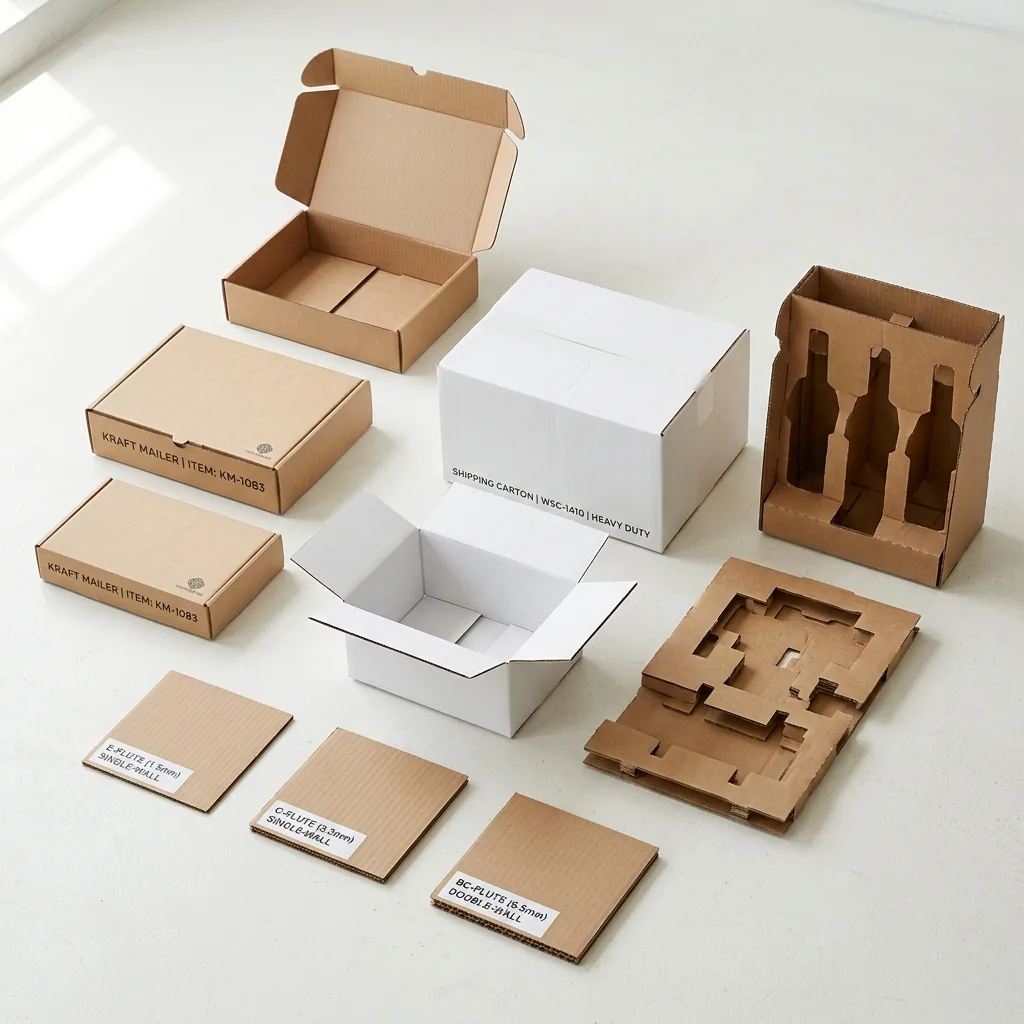 Corrugated Boxes Choose the corrugated box route by shipping risk, product weight, print needs, insert fit, and the opening experience your customer should receive.
 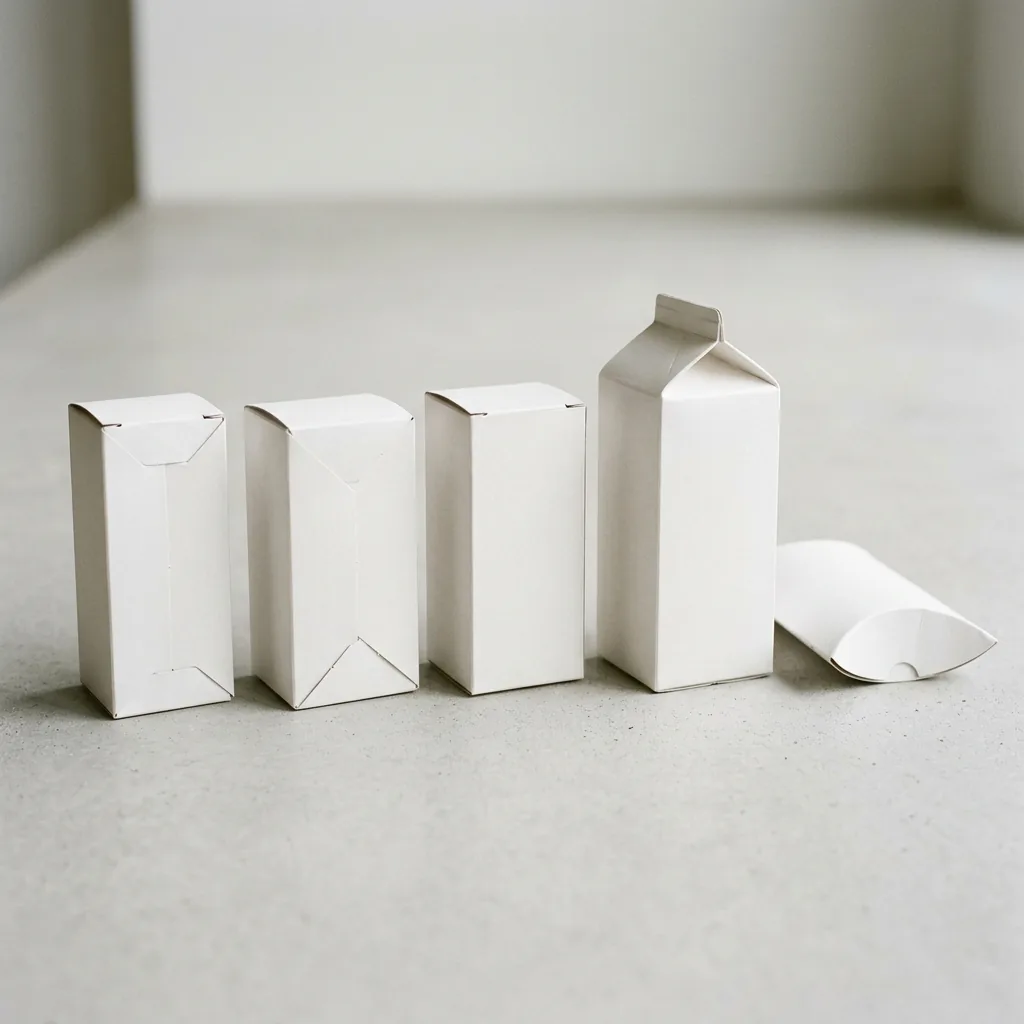 Folding Cartons Compare paperboard carton styles by structure, product fit, material, print area, and production use before choosing a quote-ready packaging path.
 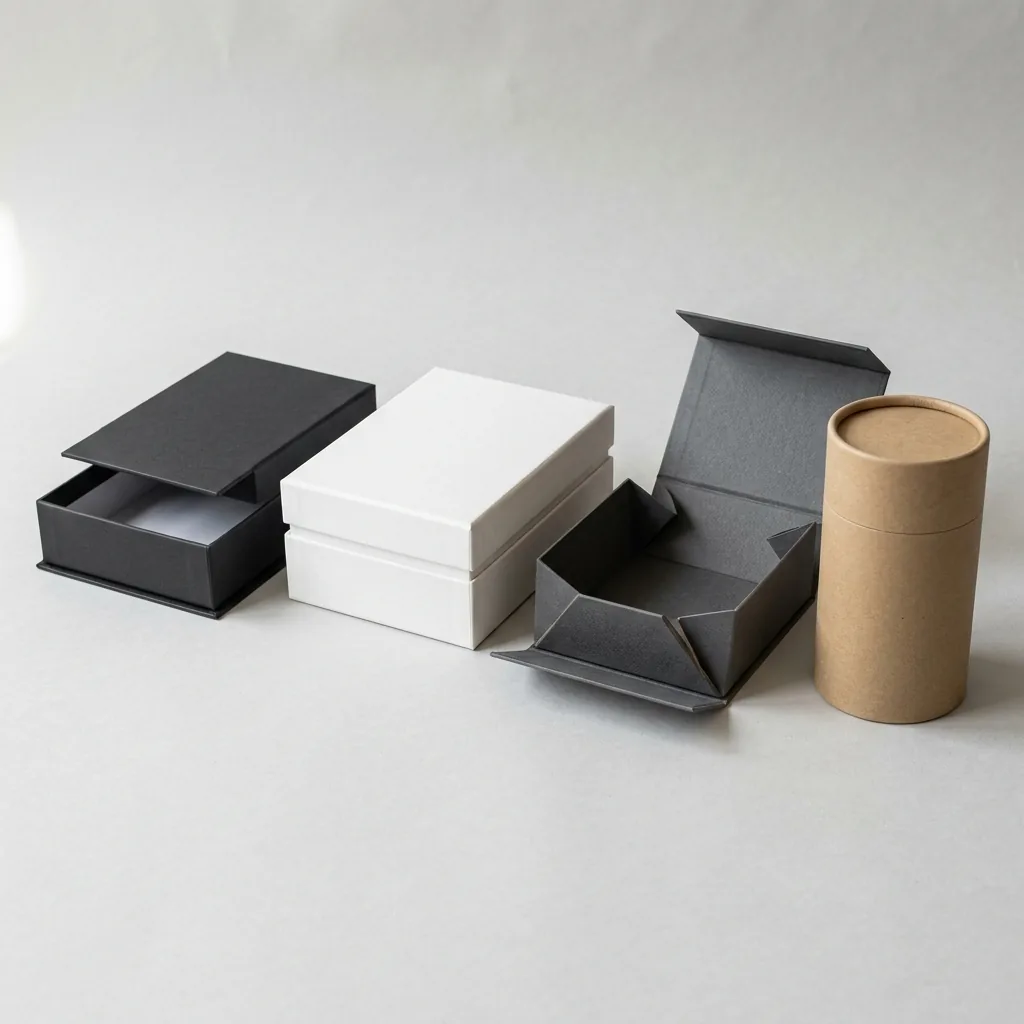 Rigid Boxes Choose rigid boxes when the packaging needs a stronger gift-box feel, durable presentation, premium surface finishing, and a more controlled opening experience.
 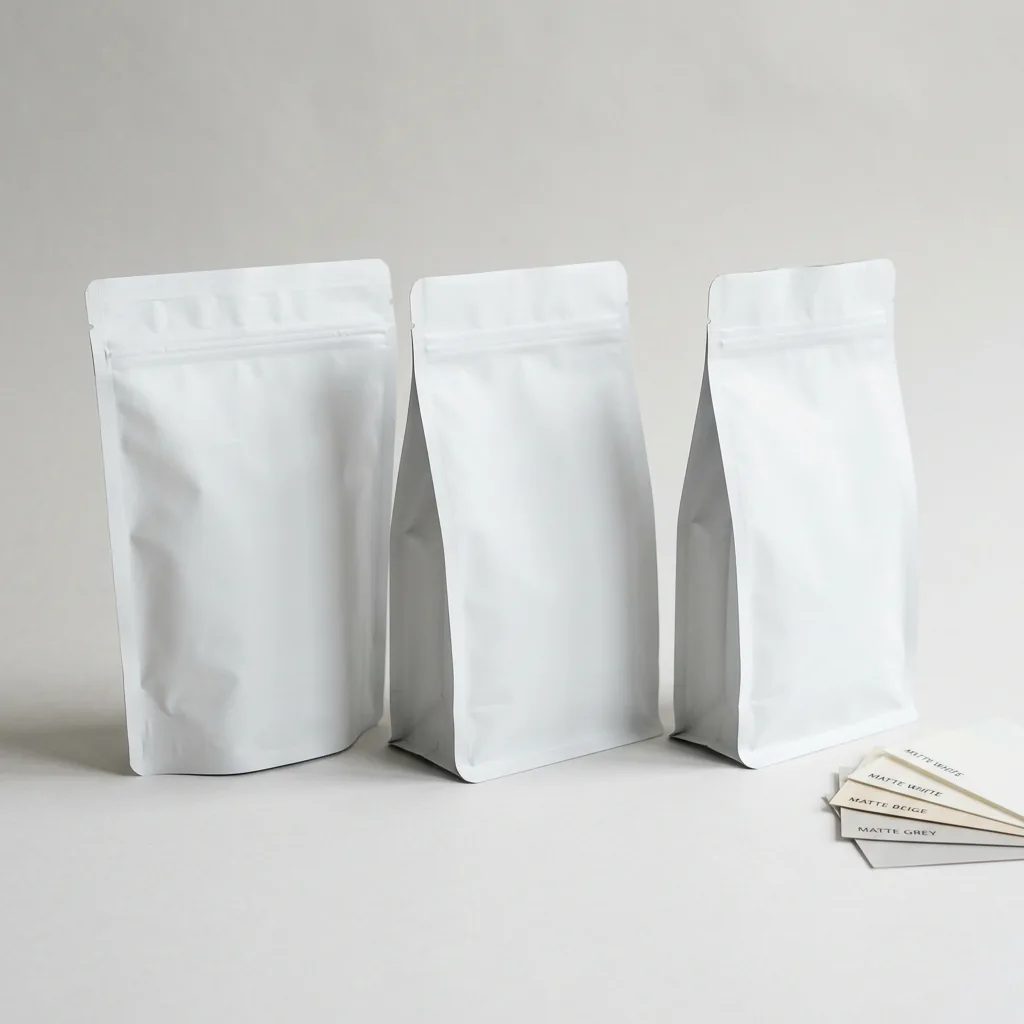 Flexible Pouches Use custom pouches when the packaging needs to stay light, portable, resealable, shelf-friendly, or efficient for food, refills, masks, samples, and pet products.
 Product structures
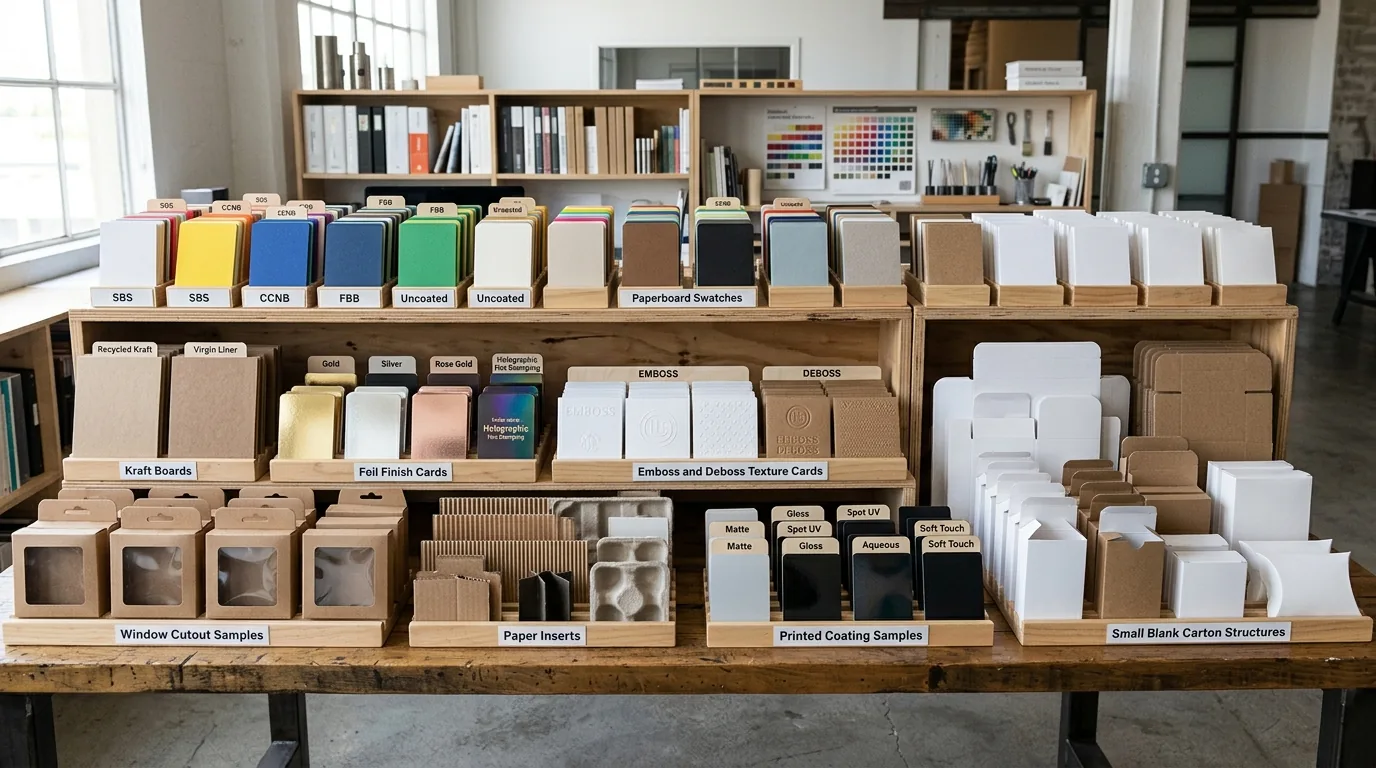
Option Library
Browse materials, print methods, finishes, inserts, and packaging features before choosing a structure.
Browse all options Cosmetics & Skincare Packaging routes for skincare launches, beauty refill sets, cosmetic retail units, and premium PR kits.
  Food & Beverage Packaging Packaging routes for coffee pods, tea, cookies, confectionery, bakery products, snacks, and gift assortments.
  Apparel & Fashion Mailer, pouch, wrap, and gift-ready packaging directions for fashion and lifestyle products.
  Subscription Boxes Packaging ideas for recurring kits, campaign boxes, sample programs, and DTC launch testing.
  Eco-Friendly Packaging Paper-based structures, recycled boards, FSC options, and lower-plastic packaging paths.
 Solution paths
Solution paths
Solution paths
Solution paths
Solution paths
Inspiration Library
Get inspired by browsing creative packaging concepts and see how brands from your industry are designing their packaging.
Browse inspiration library Services overview Compare design, customization, production, and eco support before choosing a project route. Packaging Design Turn a product idea into packaging that is ready for sampling, shelf presentation, and production.
  Packaging Customization Dial in every detail, from board choice and finish to window cutouts, inserts, openings, and small functional touches.
  Packaging Production Move from approved sample to reliable production with global sourcing, low minimums, and pricing built for growing brands.
  Eco Support Build packaging with clearer sustainability choices, including FSC paper, recycled board, soy-based ink, and plastic-reduction options.
Download 2000+ Templates & Dielines
2000+ customizable packaging templates and dielines, with 3D mockups. 100% customizable. 100% downloadable.
Learn more BLOG Read packaging ideas, buyer guides, and material explainers for custom projects.
 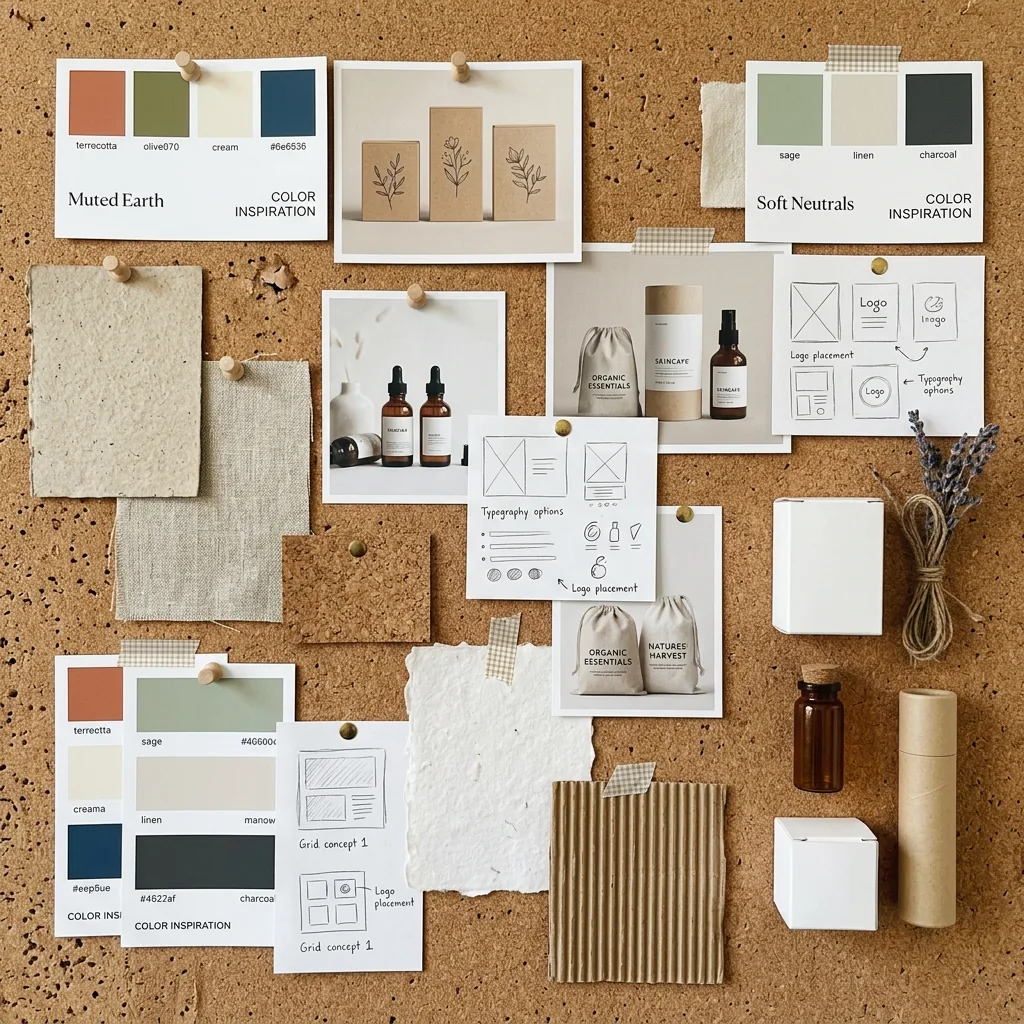 Case Studies Review detailed packaging structures, materials, finishes, fit checks, and production decisions.
 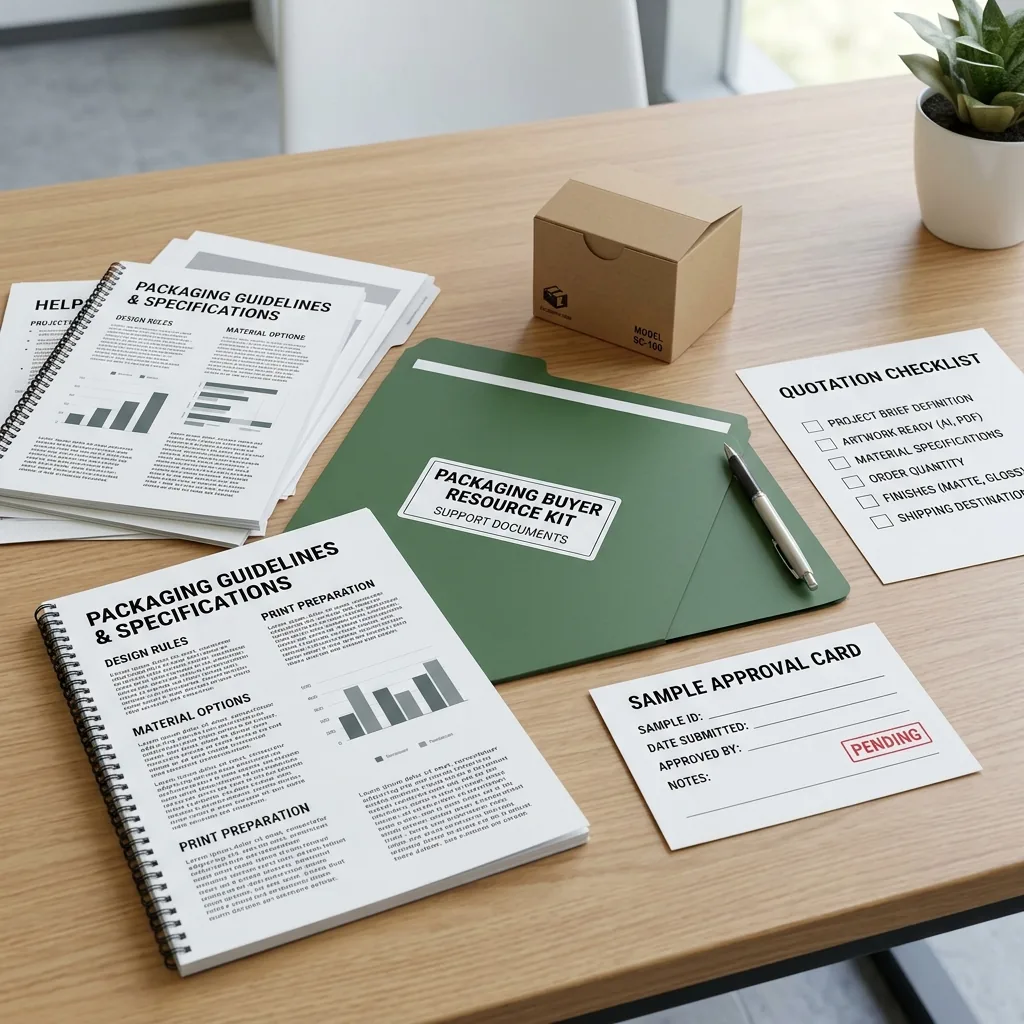 Help Center Find answers for artwork, quotes, samples, production timing, and delivery support. Inspiration Library Browse packaging concepts, industry examples, and launch-ready design directions.
 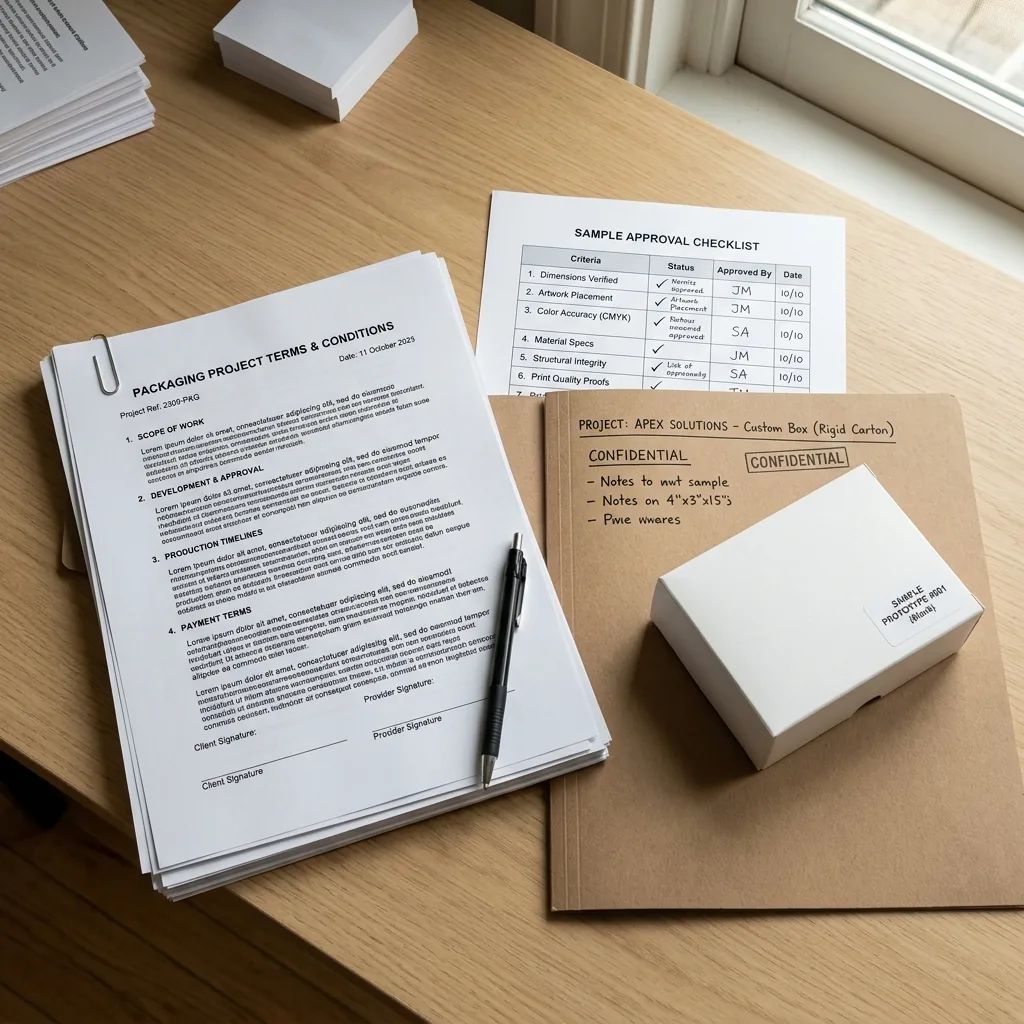 Terms & Conditions Review project, ordering, production, delivery, and website usage terms.
 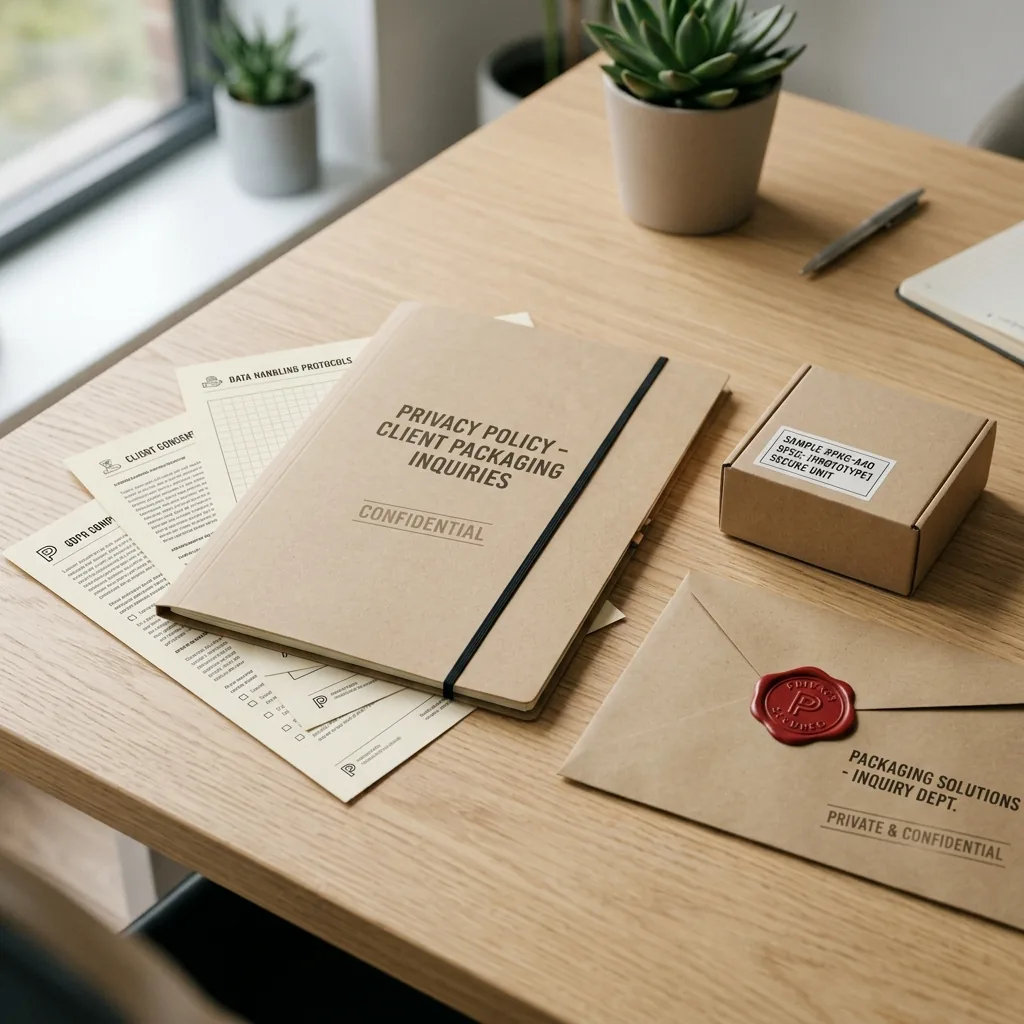 Privacy Policy See how customer details, quote inquiries, and project information are handled.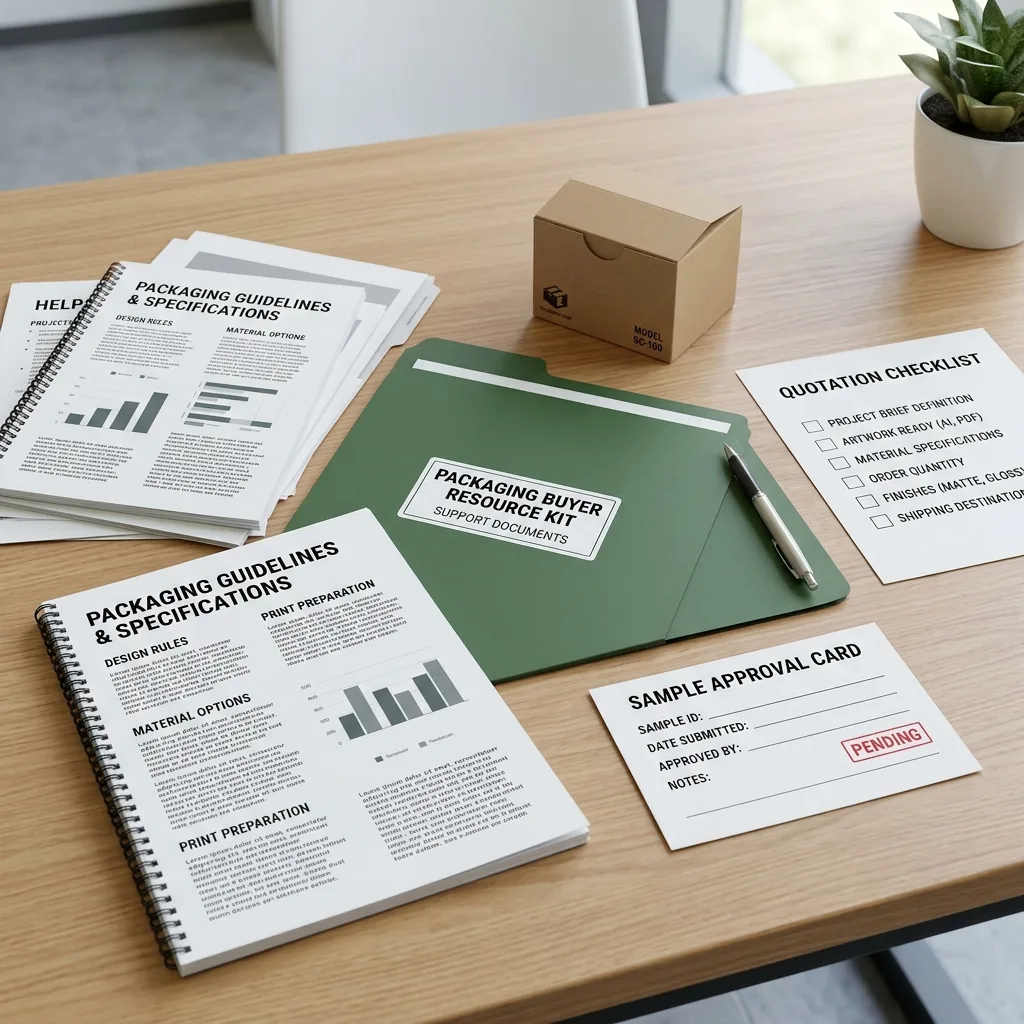
Help Center
Get practical answers before you request a quote, from artwork files and sampling steps to production timing, shipping notes, and packaging project details.
Visit help center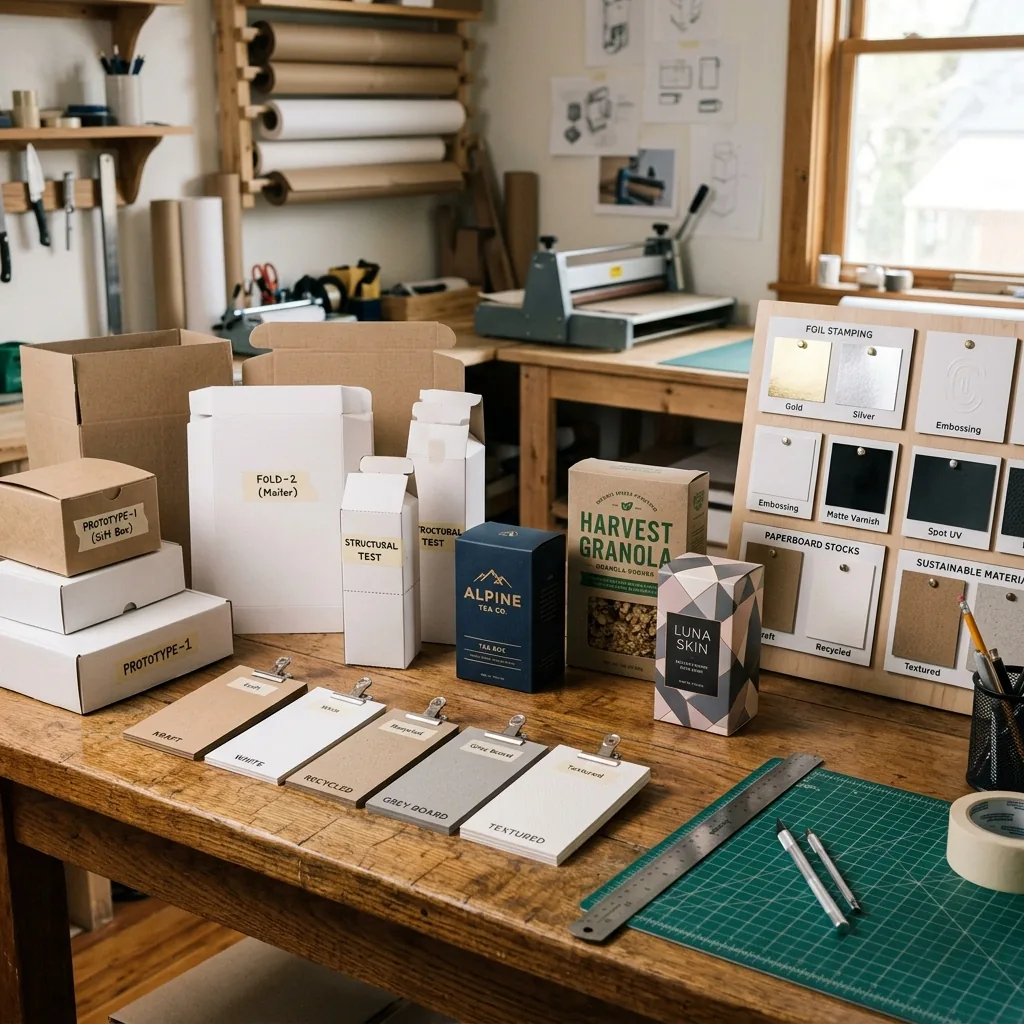 About YATBRAND Learn how we support custom packaging projects from planning to production.
 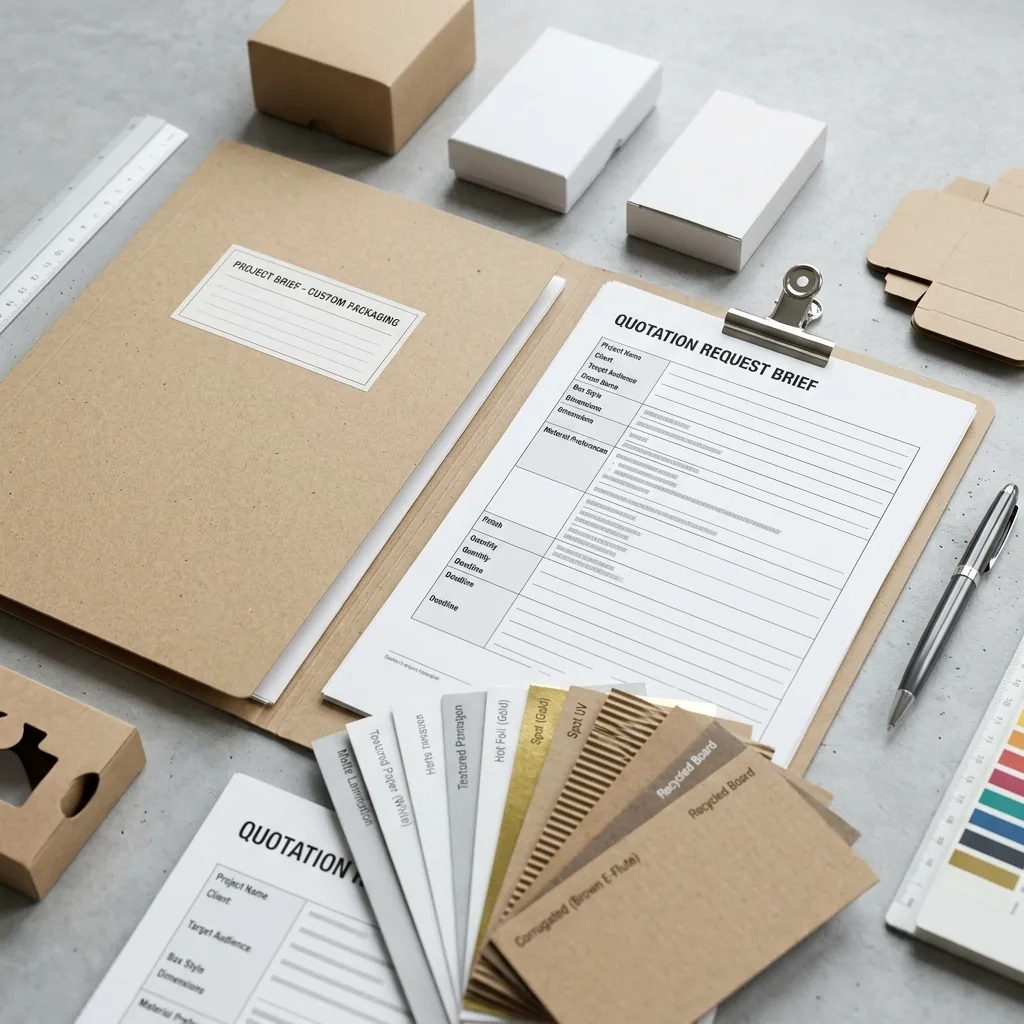 Contact Us Share product details, quantities, timelines, and custom packaging goals. Request a quote Send size, quantity, material, artwork, and timeline details for a quote-ready review.
 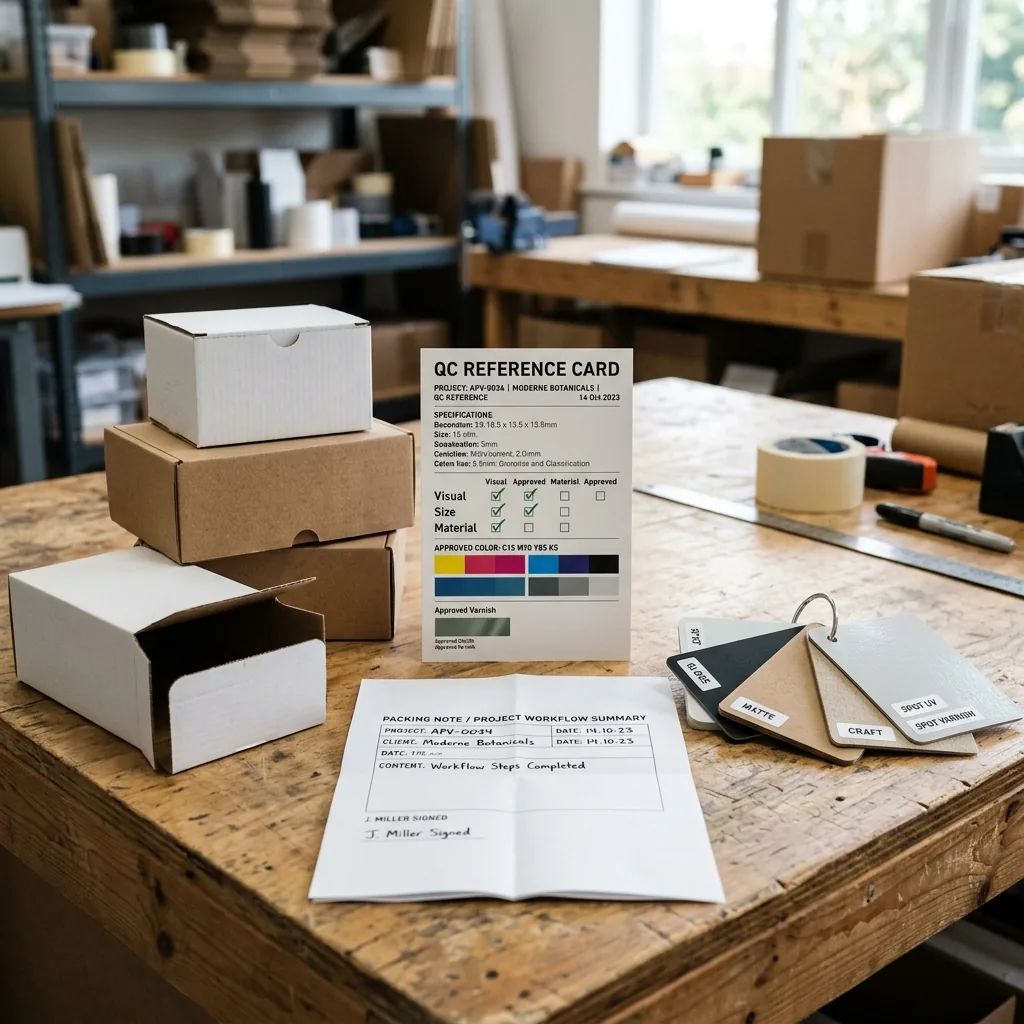 Our Approach See how packaging guidance, samples, production control, and delivery details work together. Quality & Production Review how sampling, production, inspection, and delivery support fit together.
YATBRAND LLC
Custom packaging support for brands that need structure guidance, material options, sampling, quality review, and delivery coordination.
Learn about YATBRAND
Packaging specialist
Ask about structure, materials, samples, or quote details.