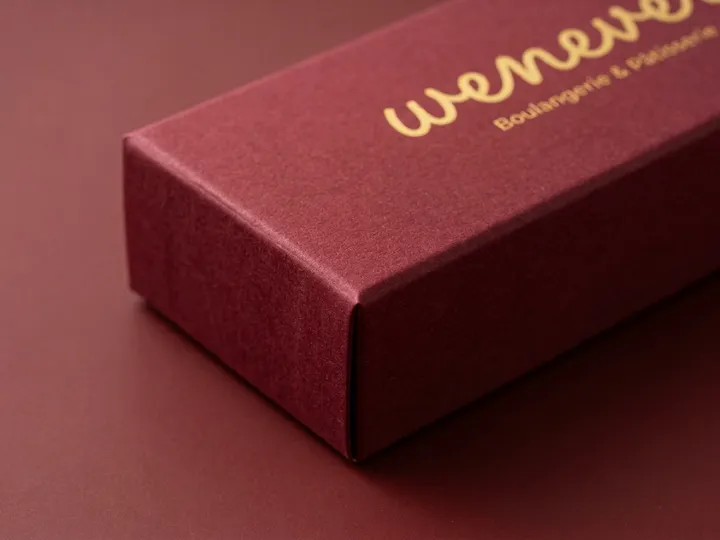
Gold foil on burgundy lid
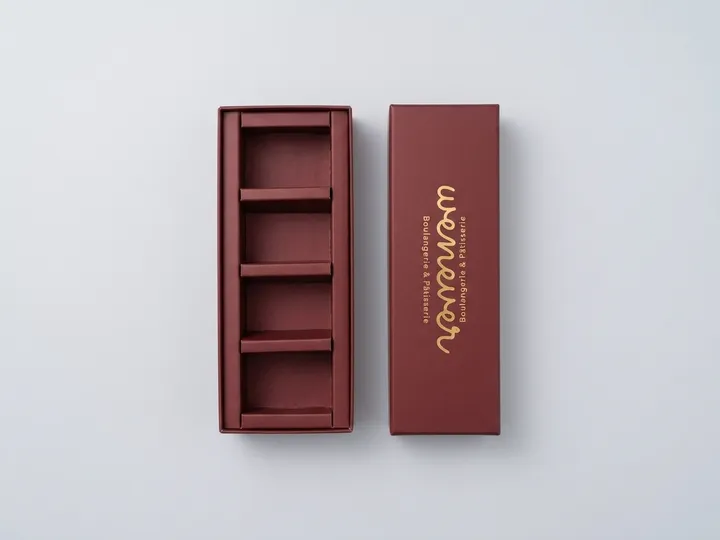
The logo uses a restrained metallic-gold effect against the burgundy surface. Approve foil shade, registration, adhesion, fine-script detail, rub resistance, and its clearance from folded lid edges.
Zero wasted space. Save 20% on shipping.
Custom sizing. No die or setup fees.
Skip DIY. Free expert design support.
Chocolate packaging · telescopic paperboard box
Custom two-piece chocolate boxes built as long telescopic lid-and-base paperboard boxes, with a matte burgundy surface, gold foil English lid artwork, and a folded integrated divider that holds a four-piece confectionery presentation without a separate plastic tray.
Box structure
Separate telescopic lid and base made from lightweight paperboard, not a greyboard rigid box
Surface route
Burgundy specialty-paper direction with a matte surface, gold foil logo, and optional matte film review
Divider direction
One-piece folded paperboard divider forming four visible confectionery cells
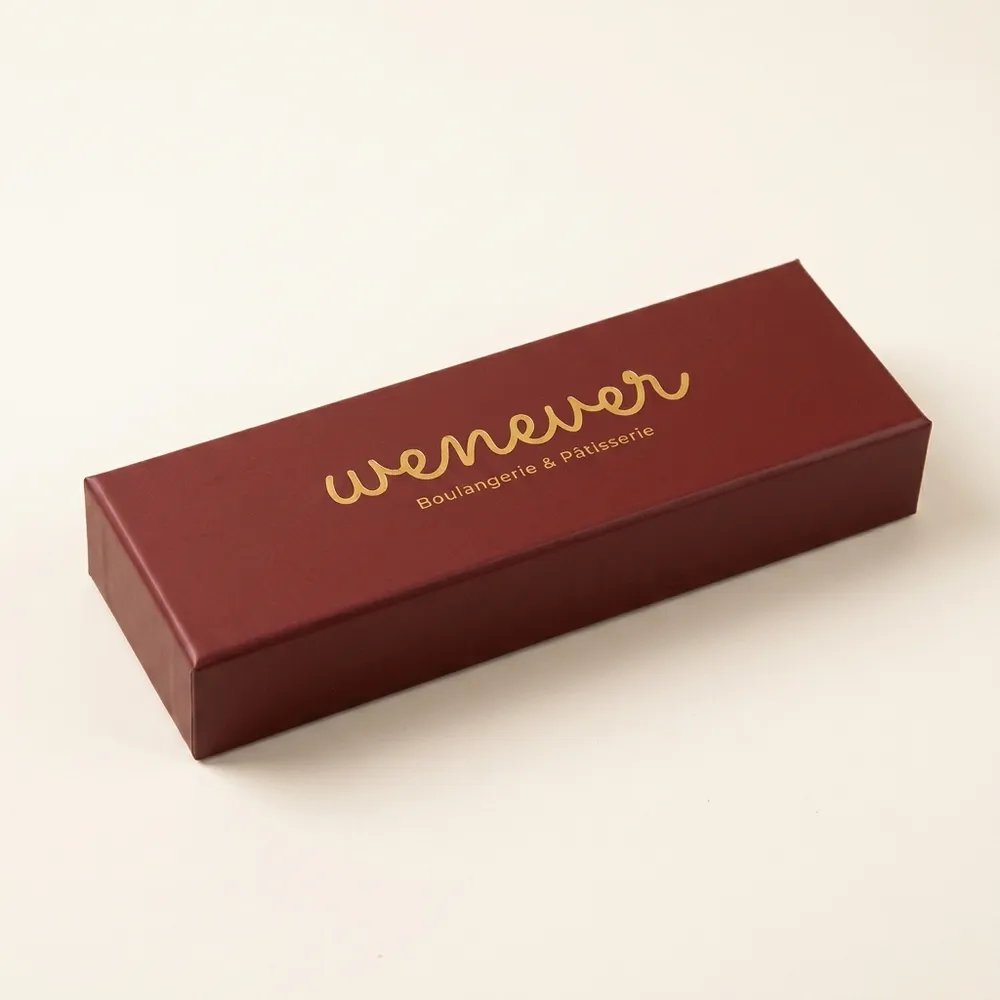
Visual proof points
The supplied images prove a long burgundy lid-and-base box, gold English lid artwork, an empty four-cell folded divider, and a four-piece chocolate arrangement. Final paper grade, film use, box dimensions, piece count, primary wraps, and food-contact requirements must follow the approved pack-out.
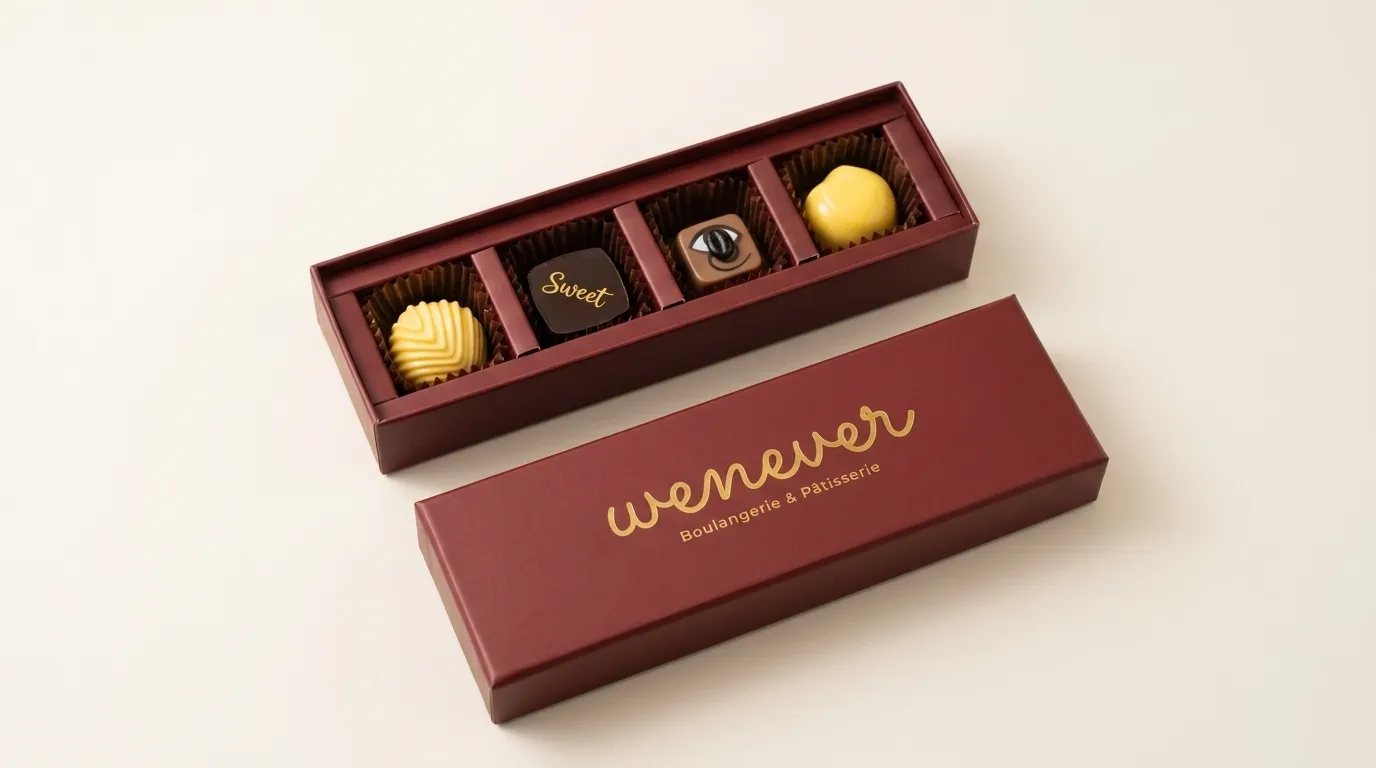
Landing page reference
The wide view shows the independent lid and base, long shallow proportion, burgundy color route, four-position layout, and hand-packed gift presentation.
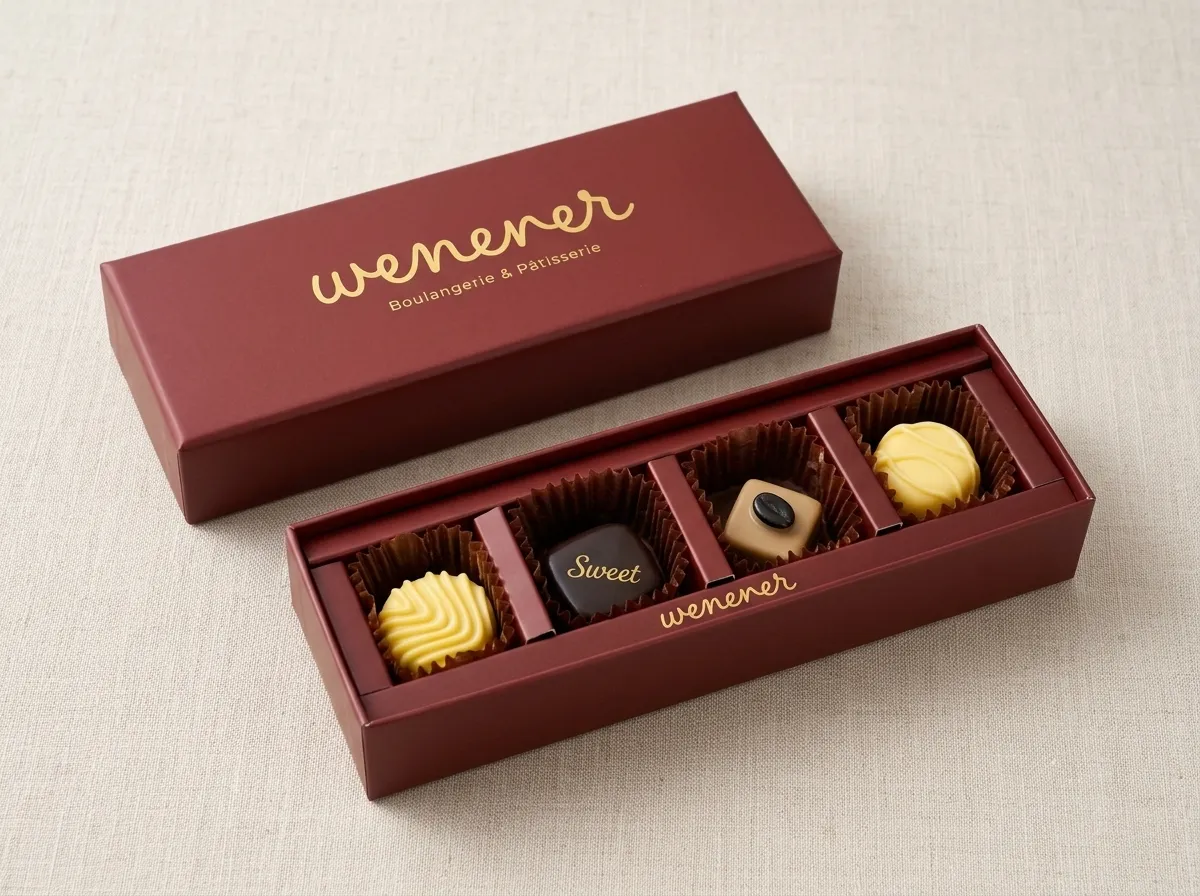
Structure reference
The open view confirms a separate lift-off lid and paperboard base rather than a hinged or magnetic structure. Confirm lid fit, base depth, loading sequence, and finished clearance with a converted sample.
The logo uses a restrained metallic-gold effect against the burgundy surface. Approve foil shade, registration, adhesion, fine-script detail, rub resistance, and its clearance from folded lid edges.
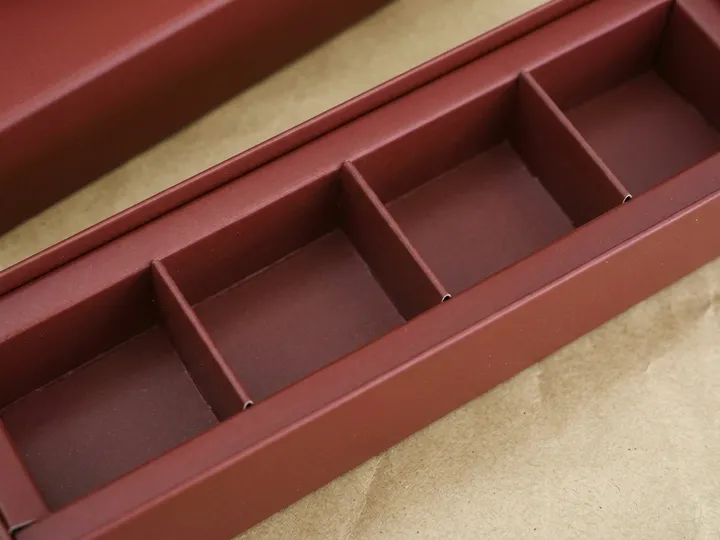
The interior divider is formed from matching paperboard rather than a separate PVC or flocked tray. Verify the actual piece width, height, primary wrap, cell strength, and removal access before locking the die-cut.
The supplied arrangement shows four individually presented chocolates in the divider. Use real confectionery samples to confirm spacing, movement, loading speed, lid clearance, and whether a four- or six-piece layout is needed.
Customization options
Start with the actual confectionery size and primary wrap, then choose the paperboard, burgundy color route, gold foil artwork, matte surface treatment, lid depth, and integrated divider layout.
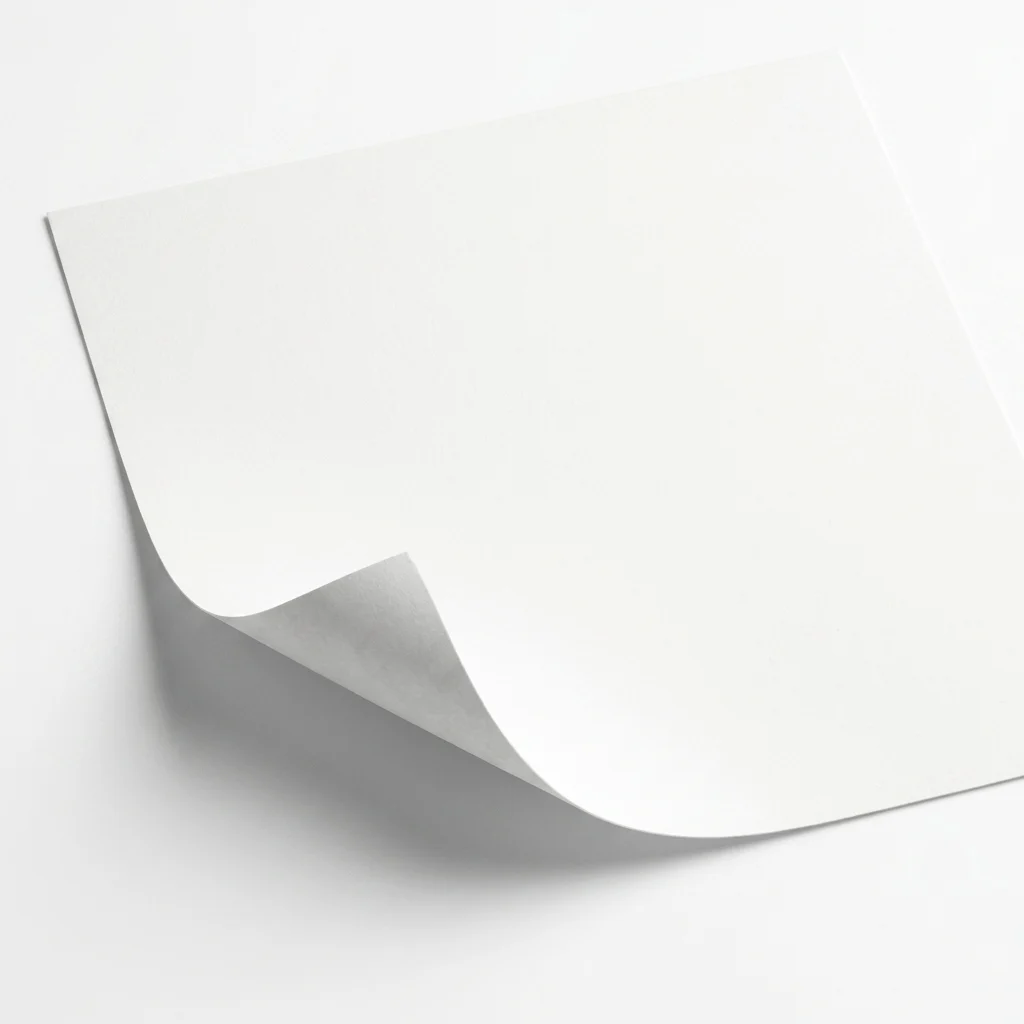
Material / Paperboard
Single-side coated white board with a clean print face and a natural reverse side.
Review this option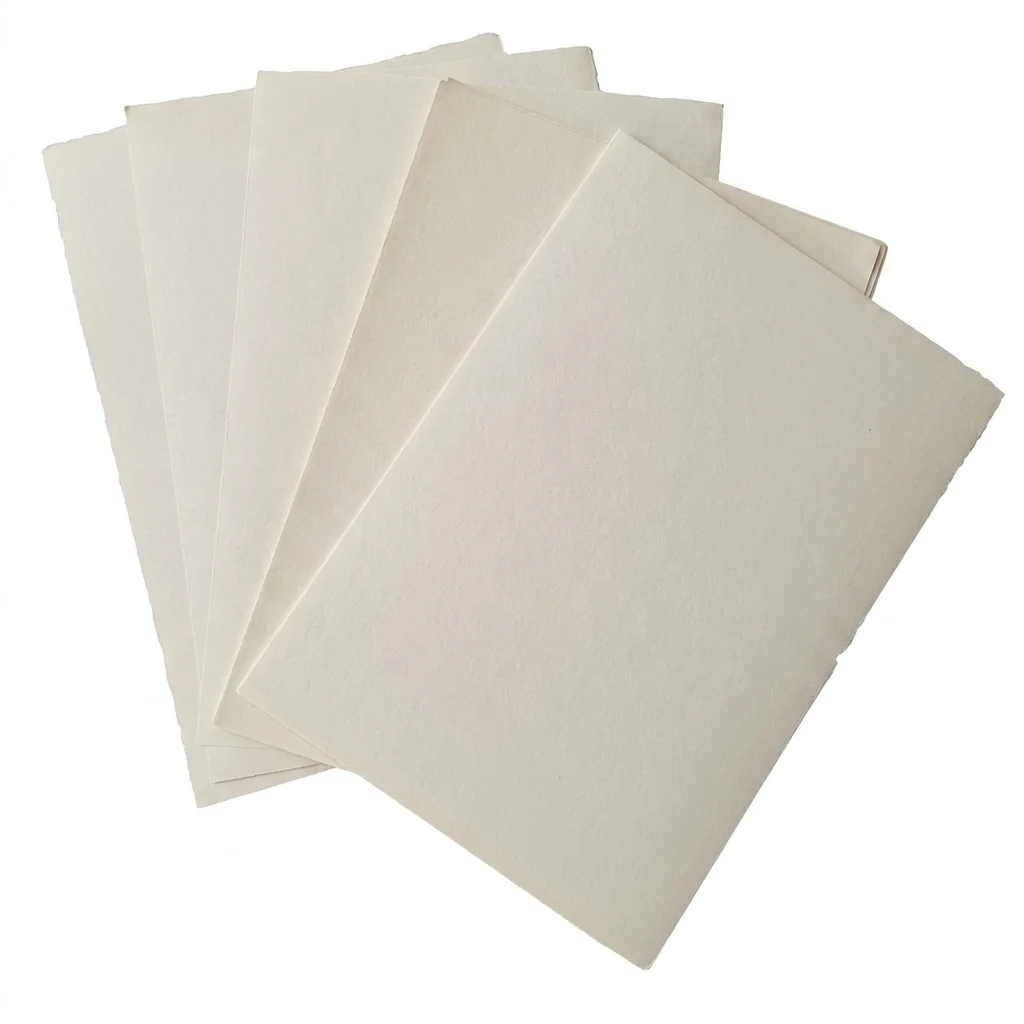
Material / Paperboard
Double-side coated board when both inside and outside panels need a refined surface.
Review this option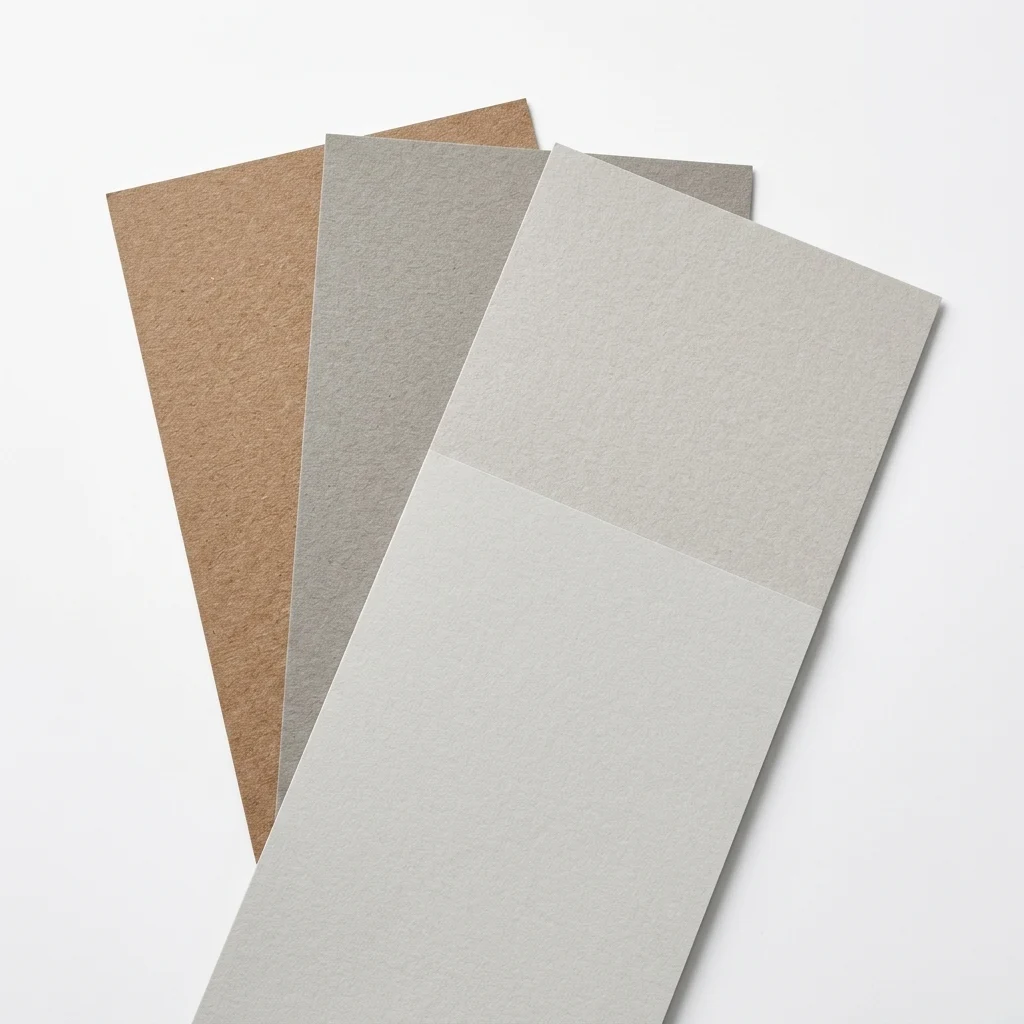
Material / Art Paper
Pearlescent, tactile, or textured paper for a more expressive premium surface.
Review this option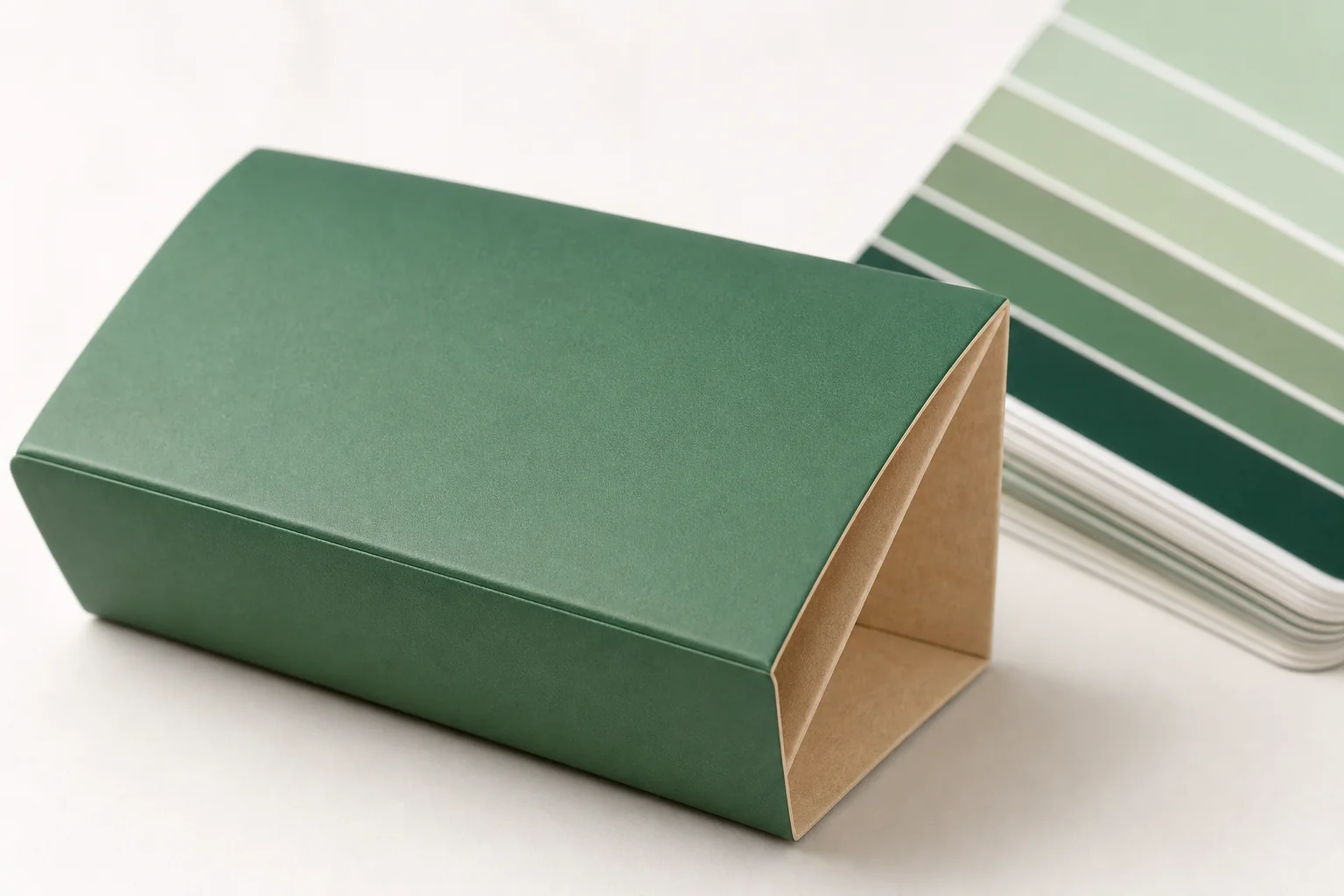
Printing / Print Method
Spot color printing for strict brand color control and high-end customization.
Review this option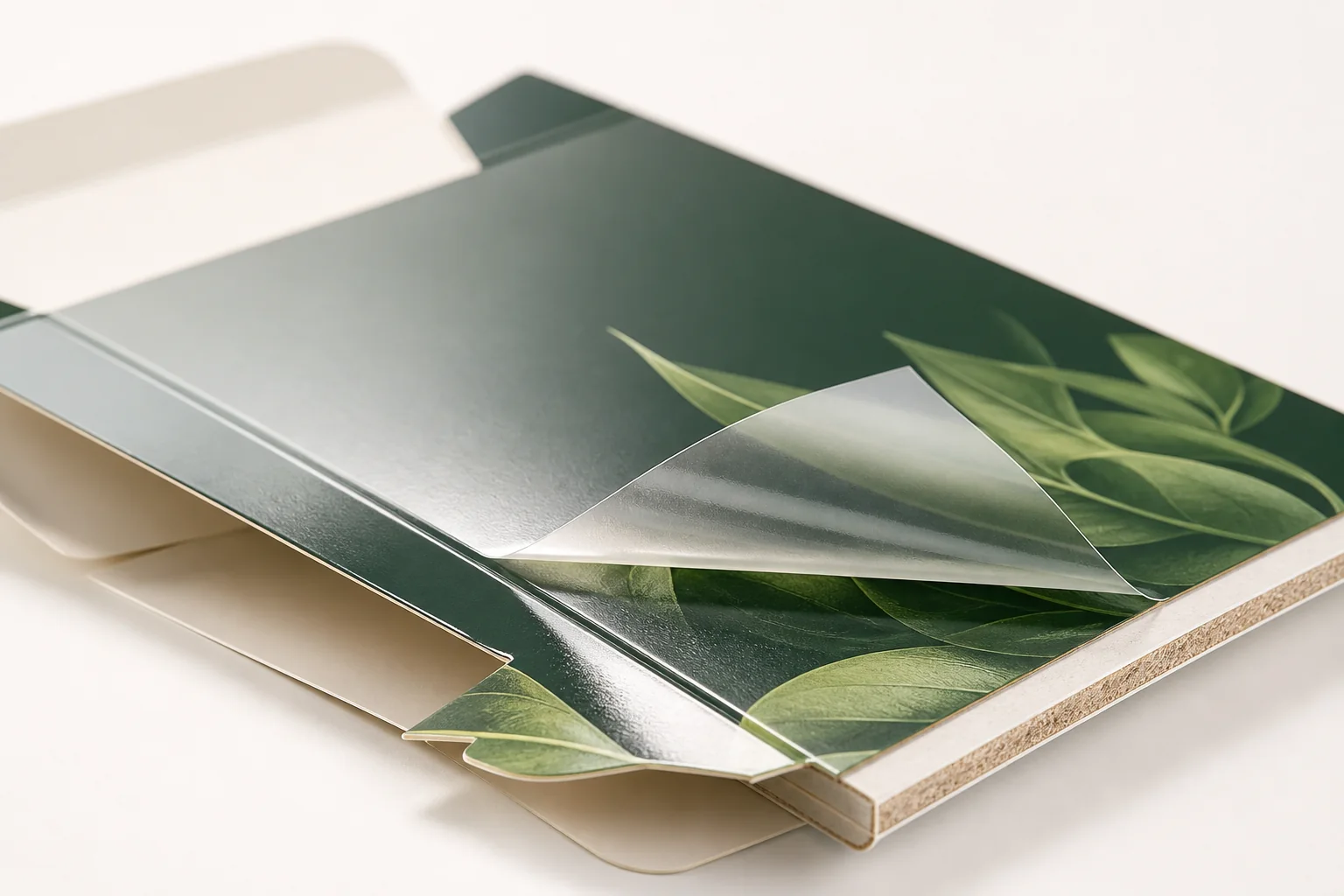
Finishing / Surface
Low-sheen film finish for a calm premium surface with added protection.
Review this option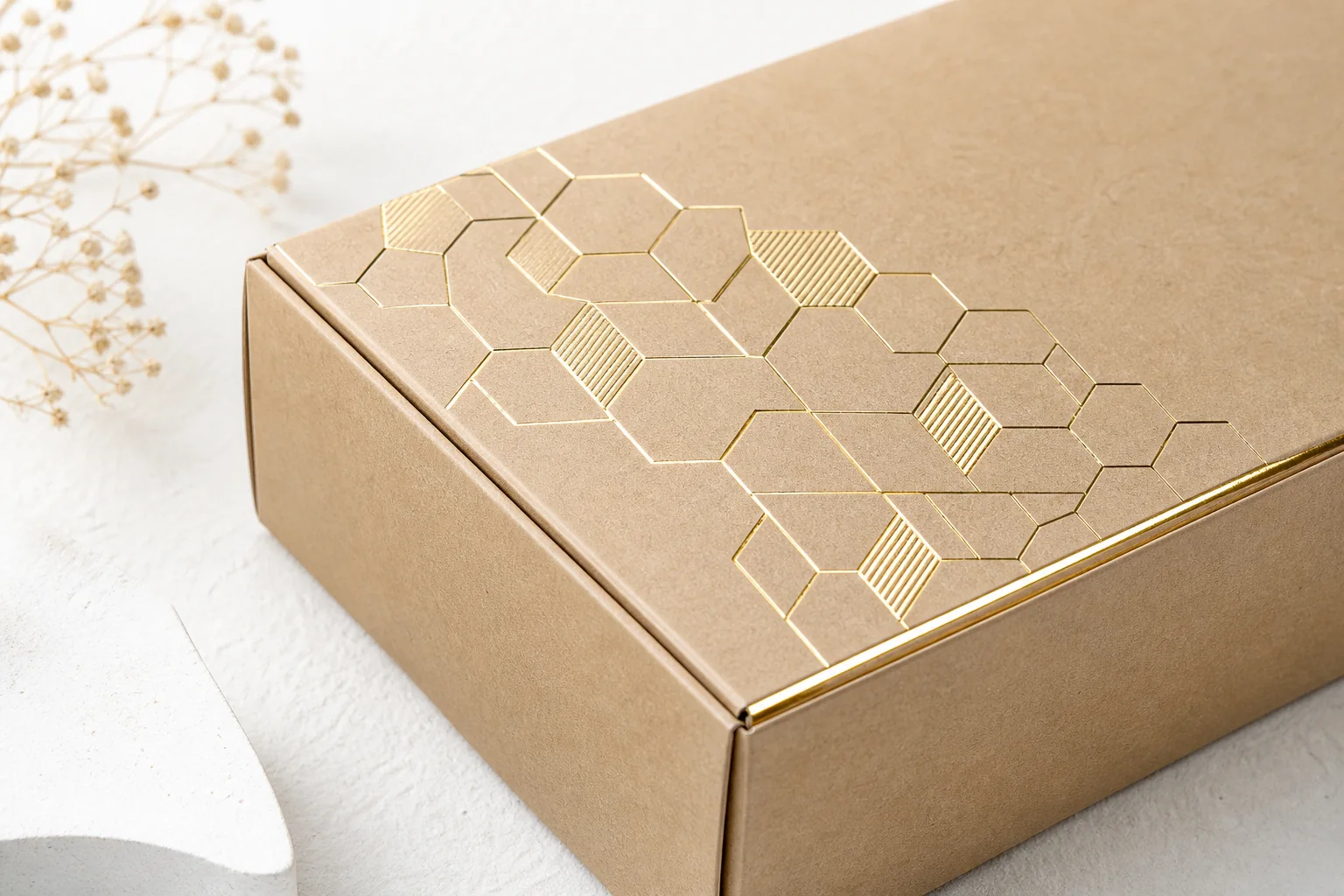
Finishing / Visual
Metallic foil detail in gold, silver, rose gold, or custom colors for premium marks.
Review this optionPrint and finish route
The supplied direction is intentionally minimal: a matte burgundy field and gold foil English artwork. It does not show UV, embossing, magnets, or a separate plastic tray, so the print, foil, folds, and divider should be sampled together.
A solid burgundy paperboard or specialty-paper direction gives the long box a restrained bakery-gift character without complex graphics.
Approve paper shade, surface feel, color consistency, scuff response, score cracking, lid corners, and whether a matte film is needed for the selected material.
Gold foil creates the sole high-contrast brand mark on the otherwise solid-color lid.
Confirm foil tone, script legibility, minimum line weight, registration, adhesion, rubbing, and clearance from lid folds and panel edges.
The matching divider folds from paperboard to create individual positions without tooling for a separate plastic tray.
Test die-cut and fold accuracy, partition stiffness, piece size, paper cup or primary-wrap compatibility, loading sequence, removal, and loaded movement.
Artwork element
Production route
Effect on this box
Proofing check
Burgundy box body
Burgundy specialty paper or printed paperboard, die-cutting, scoring, folding, and gluing for separate lid and base
Creates a long telescopic paperboard box without a mounted greyboard core.
Confirm board caliper, color, fold cracking, glued corners, lid fit, base squareness, and expected handling conditions.
Gold English logo
Hot foil stamping on the flat lid panel before final folding and gluing
Adds a clean metallic brand mark without UV, embossing, or additional artwork layers.
Approve vector files, foil color, fine type, die pressure, registration, adhesion, and edge clearance on the finished board.
Four-cell divider
Die-cut and folded matching paperboard assembled into the base
Creates a paper-based multi-cell presentation without a separate plastic insert mold.
Confirm actual confectionery dimensions, primary wraps, divider height, cell count, partition strength, loading labor, removal, and lid clearance.
Matte surface route
Native matte specialty surface or an approved matte-lamination route
Keeps the burgundy presentation low-sheen and visually quiet.
Compare the chosen route for fingerprinting, scuffing, foil adhesion, fold behavior, material separation, and surface protection during packing.
Specification summary
This specification reflects the supplied telescopic paperboard design, not a rigid greyboard gift box. Final dimensions, board grade, divider geometry, foil, film, primary packaging, indirect-contact documentation, packing, and destination requirements need approval before production.
Packaging type
Custom long two-piece chocolate box for four-piece, six-piece, or similarly compact confectionery assortments
Box structure
Separate telescopic lid and base made from folded paperboard; no hinge, magnet, or mounted greyboard core shown in the supplied design
Paperboard direction
250–300gsm coated white board or matte burgundy specialty-paper direction; final caliper depends on finished span, product weight, and lid fit testing
Exterior appearance
Solid burgundy matte surface with gold English foil logo; no UV or embossing shown in the supplied design
Surface protection
A matte lamination route can be evaluated for fingerprint and scuff management; the final finish must be sampled with the selected board and foil
Divider reference
Matching folded paperboard divider with four visible cells; final count, cell geometry, and partition height follow the real confectionery pack-out
Tray approach
Integrated paperboard divider instead of a separate PVC, flocked plastic, or EVA tray; no separate insert tooling is assumed
Confectionery boundary
Treat the box and divider as presentation packaging unless the approved primary wrap and contact route state otherwise
Quote drivers
Finished size, paperboard, burgundy color route, foil area, matte finish, lid depth, divider die-cut, cell count, quantity, packing, shipper, and destination
Buyer decisions
This paperboard telescopic format keeps the presentation compact and avoids a separate plastic tray, but its divider relies on accurate product geometry. Lock the primary wrap and piece dimensions first, then test the loaded cells, lift-off lid, and packing speed before releasing foil and finish production.
Finished box dimensions or target layout
Chocolate dimensions, height, and filled weight
Primary wrap or paper cup details
Four-piece, six-piece, or other final count
Divider cell layout and removal direction
Burgundy color and logo vector files
Gold foil and matte surface preference
Quantity, packing method, destination, and shipper needs
250gsm paperboard baseline
Compact, light confectionery presentation with efficient material use
Lid fit, wall stiffness, divider performance, and scuff response still need testing with the filled box
300gsm paperboard route
A longer span, deeper base, or a more substantial hand-packed presentation
Adds material use and can change scoring, folding, glued corners, lid tolerance, and packing behavior
Matte burgundy specialty-paper direction
A pre-colored low-sheen surface with minimal artwork and French-style bakery presentation
Paper availability, foil response, scuffing, color variation, and folding behavior must be physically approved
Integrated folded paperboard divider
Cost-conscious separation for stable individually wrapped confectionery without a separate plastic tray
Needs accurate cell engineering; it is not a substitute for deep protective cushioning in parcel transit
Also suitable for
Proof before mass production
Paperboard structure sample: Checks lid fit, base depth, corner glue, squareness, long-panel bowing, divider assembly, and efficient hand pack-out.
Filled confectionery fit test: Checks real product dimensions, primary wraps or cups, cell clearance, movement, removal, loaded weight, lid clearance, and presentation consistency.
Burgundy and foil proof: Checks board shade, matte surface, gold foil color, registration, fine script, adhesion, fold cracking, scuff marks, and packing protection.
Sampling and production path
The production path should prove the divider and lift-off lid with real confectionery before premium foil is released. This protects pack-out speed while keeping the lightweight paperboard structure aligned with the final presentation.
1
Document every chocolate, count, dimensions, filled weight, primary wrap or paper cup, loading orientation, removal direction, and handling sensitivity.
2
Set the inner dimensions, lid depth and clearance, board caliper, glued-corner logic, divider cell geometry, partition height, and packing sequence.
3
Test assembly speed, lid fit, four- or six-piece loading, cell stability, product movement, removal access, stackability, and outer-shipper requirements.
4
Approve board or specialty-paper shade, matte finish, gold foil tone, logo position, fine-artwork definition, adhesion, folds, and scuff resistance.
5
Confirm approved sample, dieline, materials, artwork, foil die, inspection points, quantity, packing method, outer cartons, delivery destination, and document requirements.
Structure reference
This is a lighter two-piece paperboard chocolate box, not a greyboard rigid or magnetic box. Use the final confectionery pack-out to tune the separate lid, folded base, gold foil, and integrated divider while preserving simple hand assembly.
Box type
Explore candy and chocolate box options
A separate lid and base allow confectionery to be loaded into the open divider before the finished lid is placed over the presentation.
The folded paperboard divider creates individual positions without a PVC, flocked, or EVA insert, helping avoid separate insert tooling for this light gift format.
The slim telescopic form gives a four- or six-piece assortment a compact bakery-gift presentation while reserving the lid for simple gold foil branding.
Structure baseline
Separate telescopic lid and base folded from paperboard, with no hinge, magnet, or greyboard core in the supplied direction.
Surface baseline
Burgundy matte paperboard or specialty-paper direction with a gold English foil lid mark and no UV or embossing.
Divider baseline
Matching folded paperboard grid forming four visible cells; final count and dimensions follow the approved confectionery pack-out.
Factory review
Box dimensions, real samples, primary-wrap boundary, board, color target, foil art, finish, divider drawing, quantity, packing, shipper, destination, and required documents.
Details to prepare for factory review
Finished box dimensions or target layout
Chocolate dimensions, height, and filled weight
Primary wrap or paper cup details
Four-piece, six-piece, or other final count
Divider cell layout and removal direction
Burgundy color and logo vector files
Gold foil and matte surface preference
Quantity, packing method, destination, and shipper needs
Production FAQ
The supplied design is a telescopic lid-and-base paperboard box: the long lid lifts away from a separate folded base. It is not a magnetic book box and does not use a mounted greyboard rigid core.
The direction is a 250–300gsm coated white board or a matte burgundy specialty-paper route, with final board choice subject to the finished size, lid fit, divider performance, and sample approval.
No separate PVC, flocked plastic, or EVA tray is shown. The supplied base uses a folded integrated paperboard divider. Its cell dimensions and strength must be engineered around the real chocolates and their primary wrap.
Yes. The photographed divider proves a four-cell layout, while a six-cell or other count can be engineered after each chocolate dimension, height, primary wrap, removal space, and lid clearance are confirmed with samples.
The visual direction is gold foil on the burgundy lid. Approve foil shade, line weight, registration, adhesion, and rub performance on the actual selected paperboard or specialty-paper stock.
The surface may be a naturally matte specialty paper or a matte-laminated paperboard route. Compare both during sampling for foil adhesion, fingerprinting, scuffing, crease behavior, and the intended material route.
Do not assume direct-contact suitability from the presentation box alone. Confirm primary wraps, paper cups, board, foil, adhesives, inks, and any required indirect- or direct-contact documentation for the actual product and destination market.
Send target box size or product layout, every confectionery dimension and filled weight, primary wraps, final count, divider preference, artwork, burgundy color target, foil and finish preferences, quantity, packing method, shipper needs, destination, and document requirements.
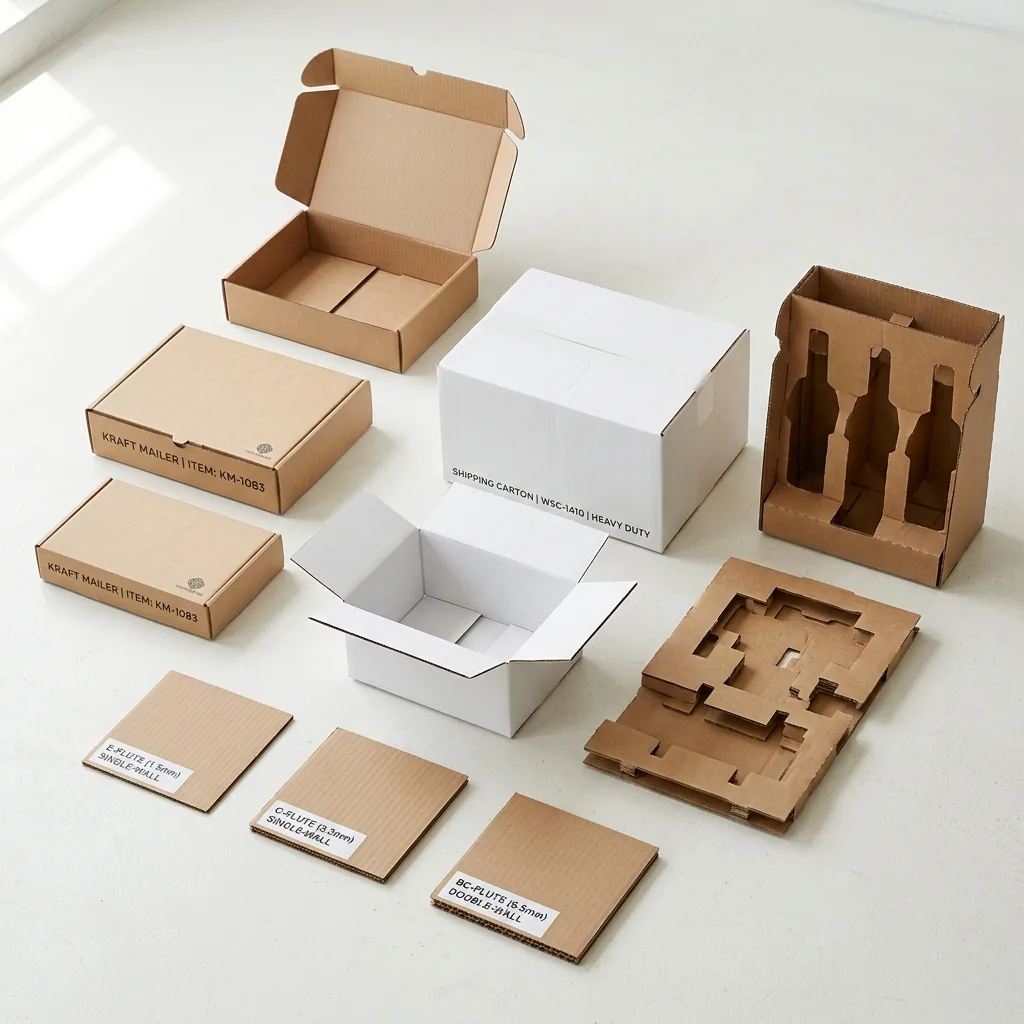 Corrugated Boxes Choose the corrugated box route by shipping risk, product weight, print needs, insert fit, and the opening experience your customer should receive.
 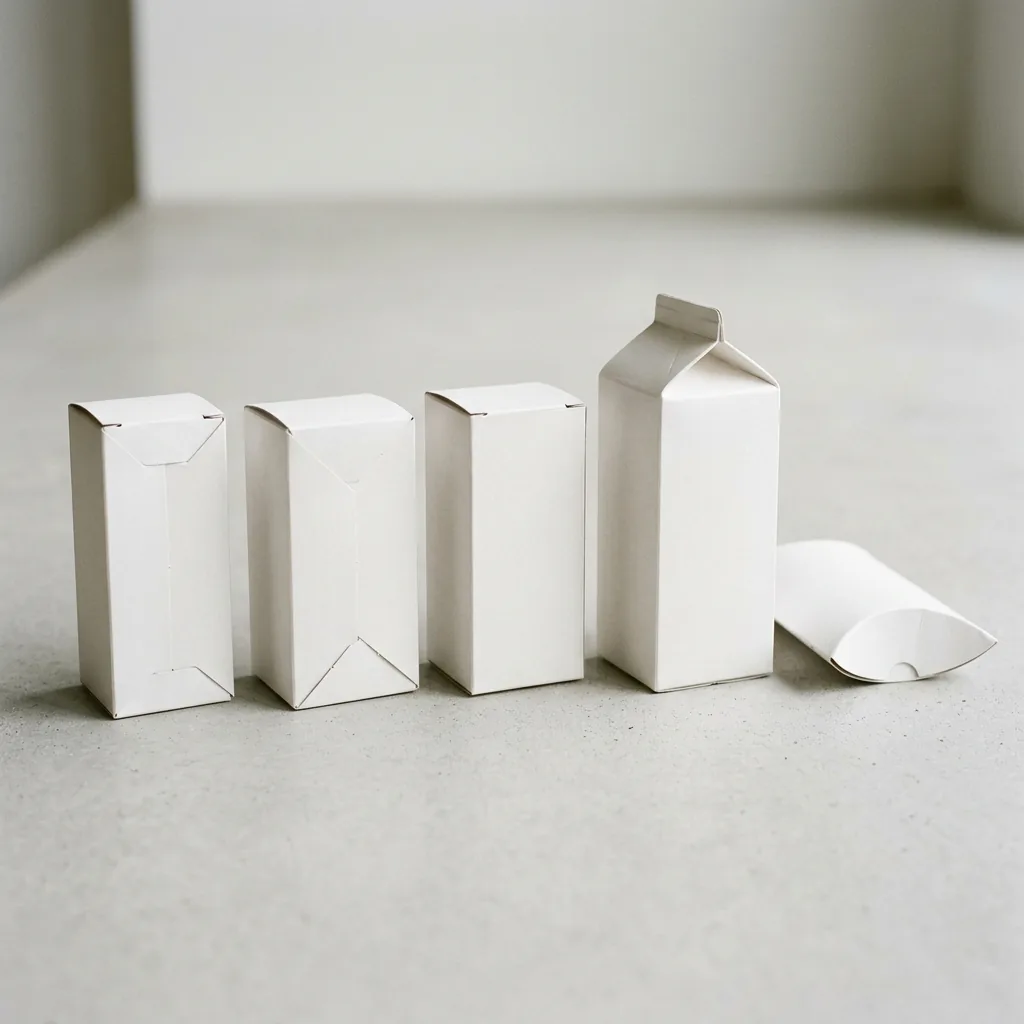 Folding Cartons Compare paperboard carton styles by structure, product fit, material, print area, and production use before choosing a quote-ready packaging path.
 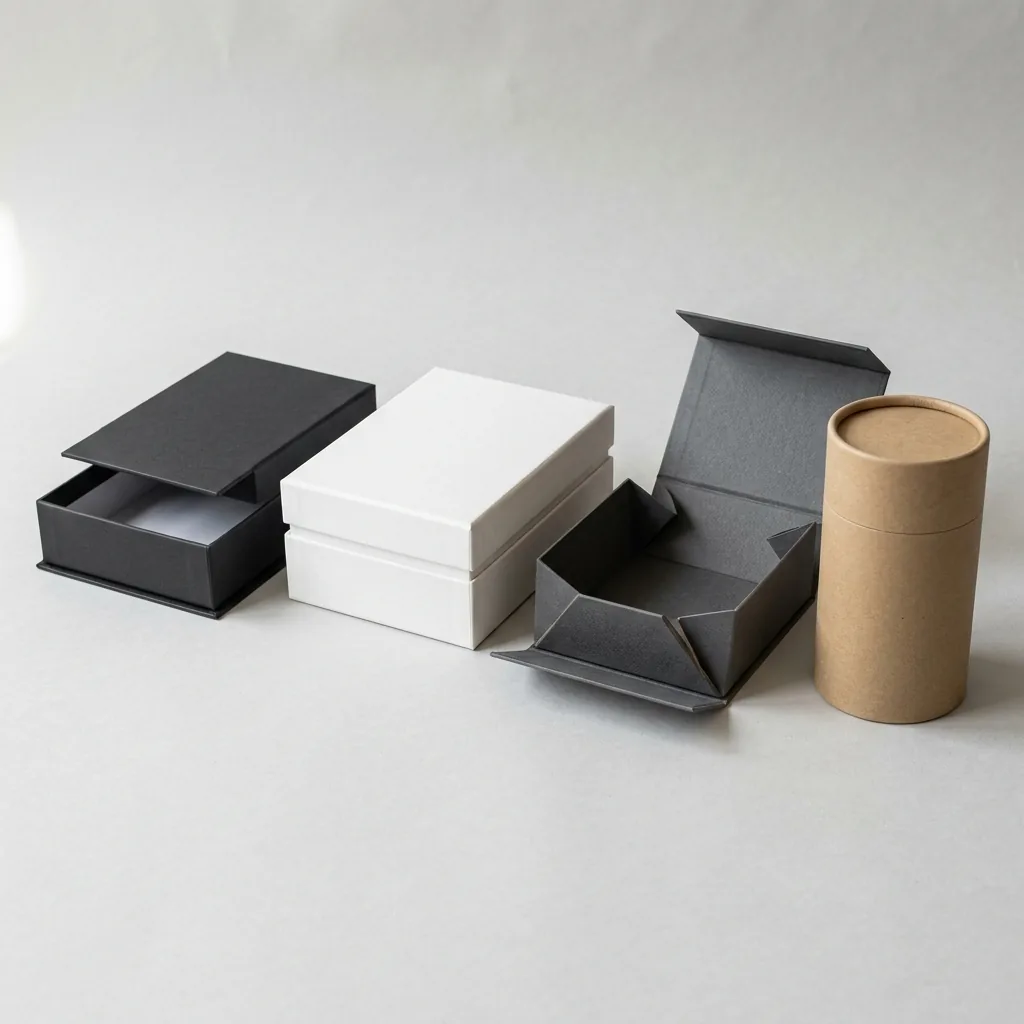 Rigid Boxes Choose rigid boxes when the packaging needs a stronger gift-box feel, durable presentation, premium surface finishing, and a more controlled opening experience.
 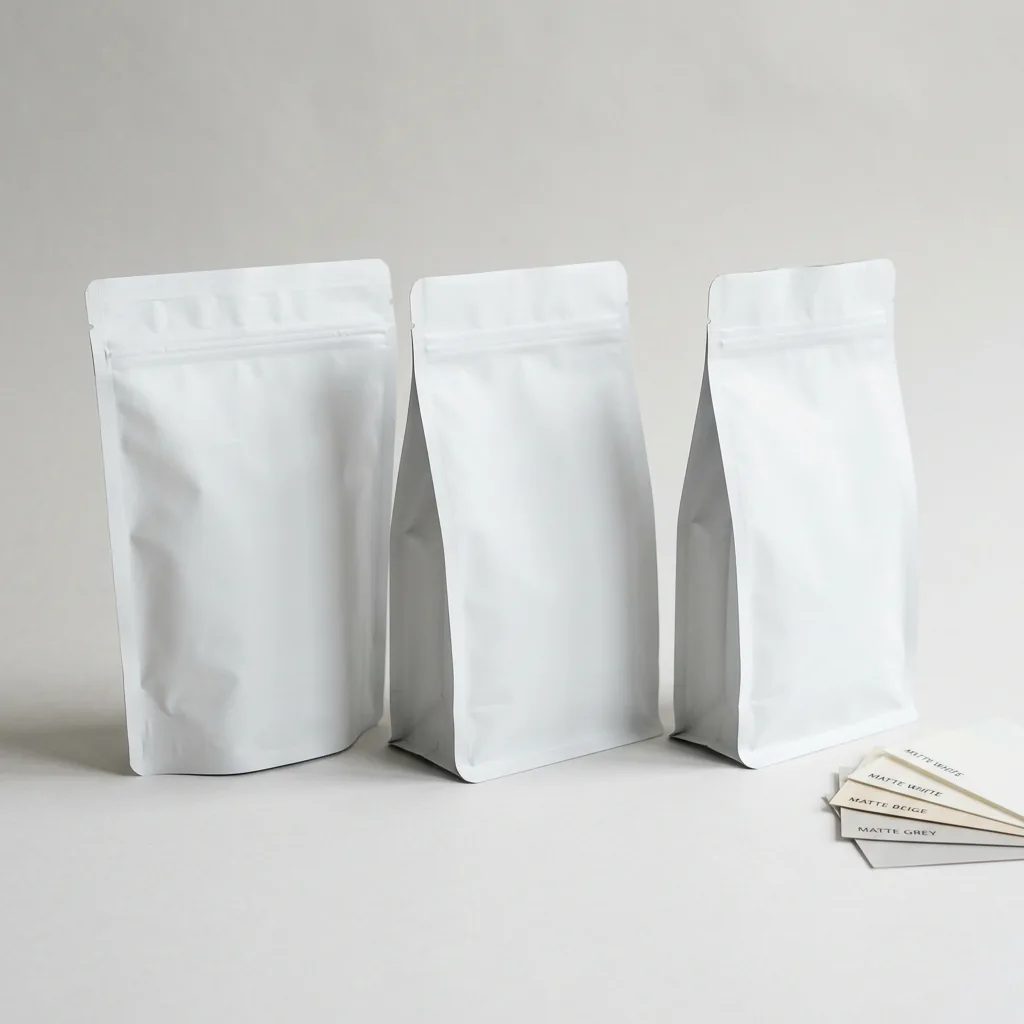 Flexible Pouches Use custom pouches when the packaging needs to stay light, portable, resealable, shelf-friendly, or efficient for food, refills, masks, samples, and pet products.
 Product structures
Option Library
Browse materials, print methods, finishes, inserts, and packaging features before choosing a structure.
Browse all options Cosmetics & Skincare Packaging routes for skincare launches, beauty refill sets, cosmetic retail units, and premium PR kits.
  Food & Beverage Packaging Packaging routes for coffee pods, tea, cookies, confectionery, bakery products, snacks, and gift assortments.
  Apparel & Fashion Mailer, pouch, wrap, and gift-ready packaging directions for fashion and lifestyle products.
  Subscription Boxes Packaging ideas for recurring kits, campaign boxes, sample programs, and DTC launch testing.
  Eco-Friendly Packaging Paper-based structures, recycled boards, FSC options, and lower-plastic packaging paths.
 Solution paths
Solution paths
Solution paths
Solution paths
Solution paths
Inspiration Library
Get inspired by browsing creative packaging concepts and see how brands from your industry are designing their packaging.
Browse inspiration library Services overview Compare design, customization, production, and eco support before choosing a project route. Packaging Design Turn a product idea into packaging that is ready for sampling, shelf presentation, and production.
  Packaging Customization Dial in every detail, from board choice and finish to window cutouts, inserts, openings, and small functional touches.
  Packaging Production Move from approved sample to reliable production with global sourcing, low minimums, and pricing built for growing brands.
  Eco Support Build packaging with clearer sustainability choices, including FSC paper, recycled board, soy-based ink, and plastic-reduction options.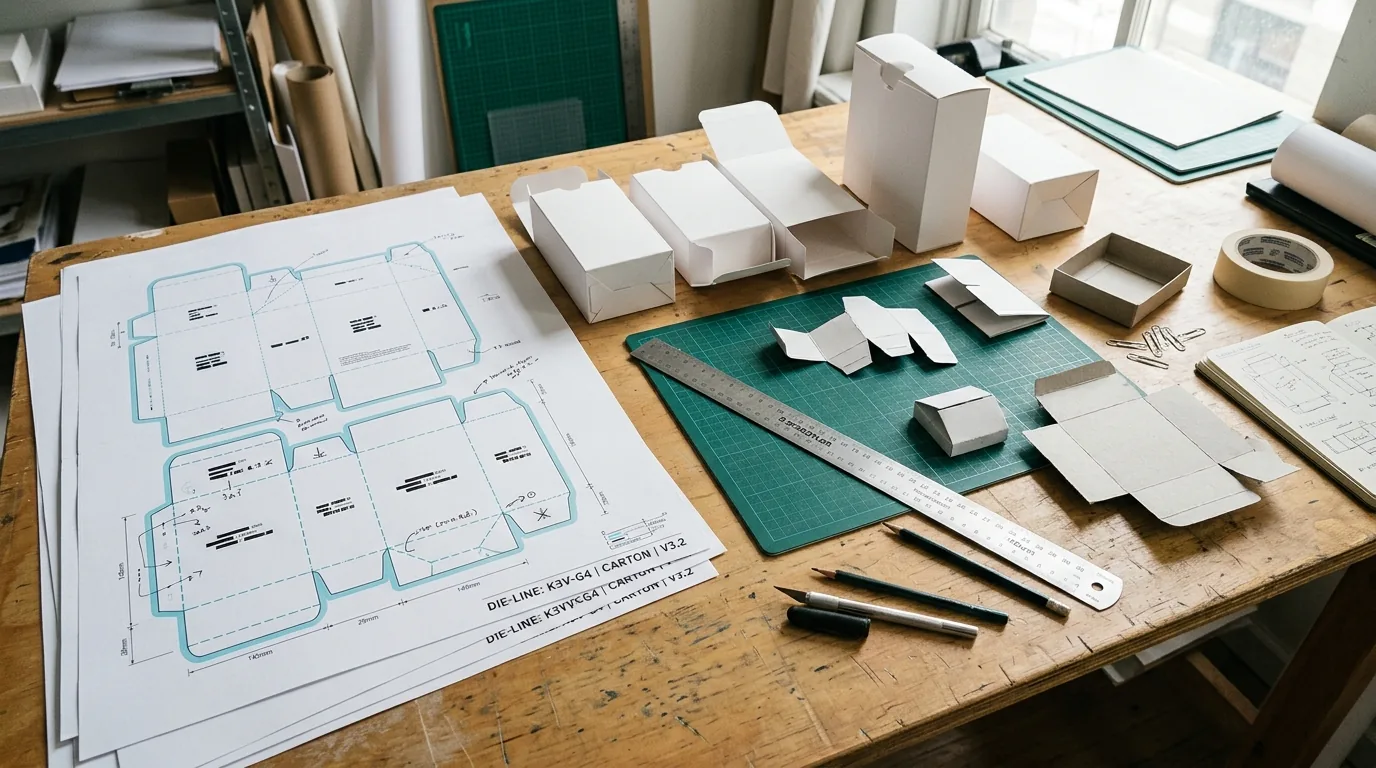
Download 2000+ Templates & Dielines
2000+ customizable packaging templates and dielines, with 3D mockups. 100% customizable. 100% downloadable.
Learn more BLOG Read packaging ideas, buyer guides, and material explainers for custom projects.
  Case Studies Review detailed packaging structures, materials, finishes, fit checks, and production decisions.
  Help Center Find answers for artwork, quotes, samples, production timing, and delivery support. Inspiration Library Browse packaging concepts, industry examples, and launch-ready design directions.
  Terms & Conditions Review project, ordering, production, delivery, and website usage terms.
  Privacy Policy See how customer details, quote inquiries, and project information are handled.
Help Center
Get practical answers before you request a quote, from artwork files and sampling steps to production timing, shipping notes, and packaging project details.
Visit help center About YATBRAND Learn how we support custom packaging projects from planning to production.
  Contact Us Share product details, quantities, timelines, and custom packaging goals. Request a quote Send size, quantity, material, artwork, and timeline details for a quote-ready review.
  Our Approach See how packaging guidance, samples, production control, and delivery details work together. Quality & Production Review how sampling, production, inspection, and delivery support fit together.
YATBRAND LLC
Custom packaging support for brands that need structure guidance, material options, sampling, quality review, and delivery coordination.
Learn about YATBRAND
Packaging specialist
Ask about structure, materials, samples, or quote details.