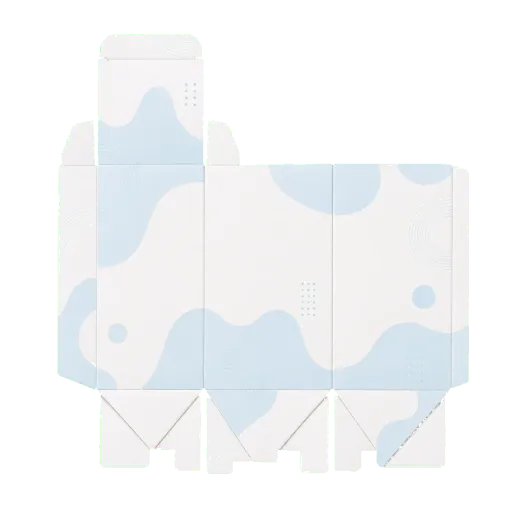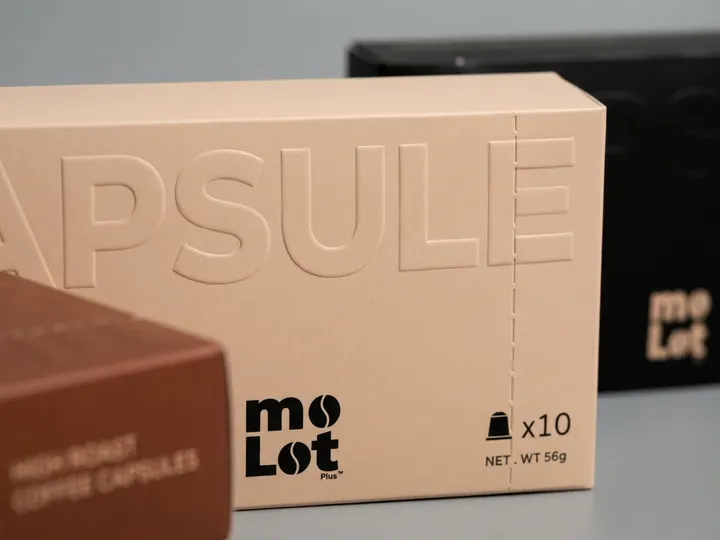
Large blind embossing
Approve emboss depth, edge definition, board stretching, and alignment where the raised lettering approaches the vertical perforation.
Zero wasted space. Save 20% on shipping.
Custom sizing. No die or setup fees.
Skip DIY. Free expert design support.
Coffee packaging · 10-capsule retail carton
Plan custom coffee pod boxes around a 10-capsule layout, flat-packed paperboard construction, fast auto-lock bottom setup, tear-open front access, and finish routes ranging from blind embossing to soft-touch lamination and optional PET windows.
Pack format
Long horizontal folding carton sized around 10 compatible coffee capsules
Structure route
Pre-glued auto-lock bottom, hinged top panel, and perforated tear-open front
Material direction
250–300gsm coated white paperboard or approved specialty paper; no corrugated flute

Visual proof points
The supplied images show the closed retail form, opened display state, perforated front access, embossed surface, and a real 10-capsule arrangement. These are the points to verify before a production dieline and physical sample are approved.
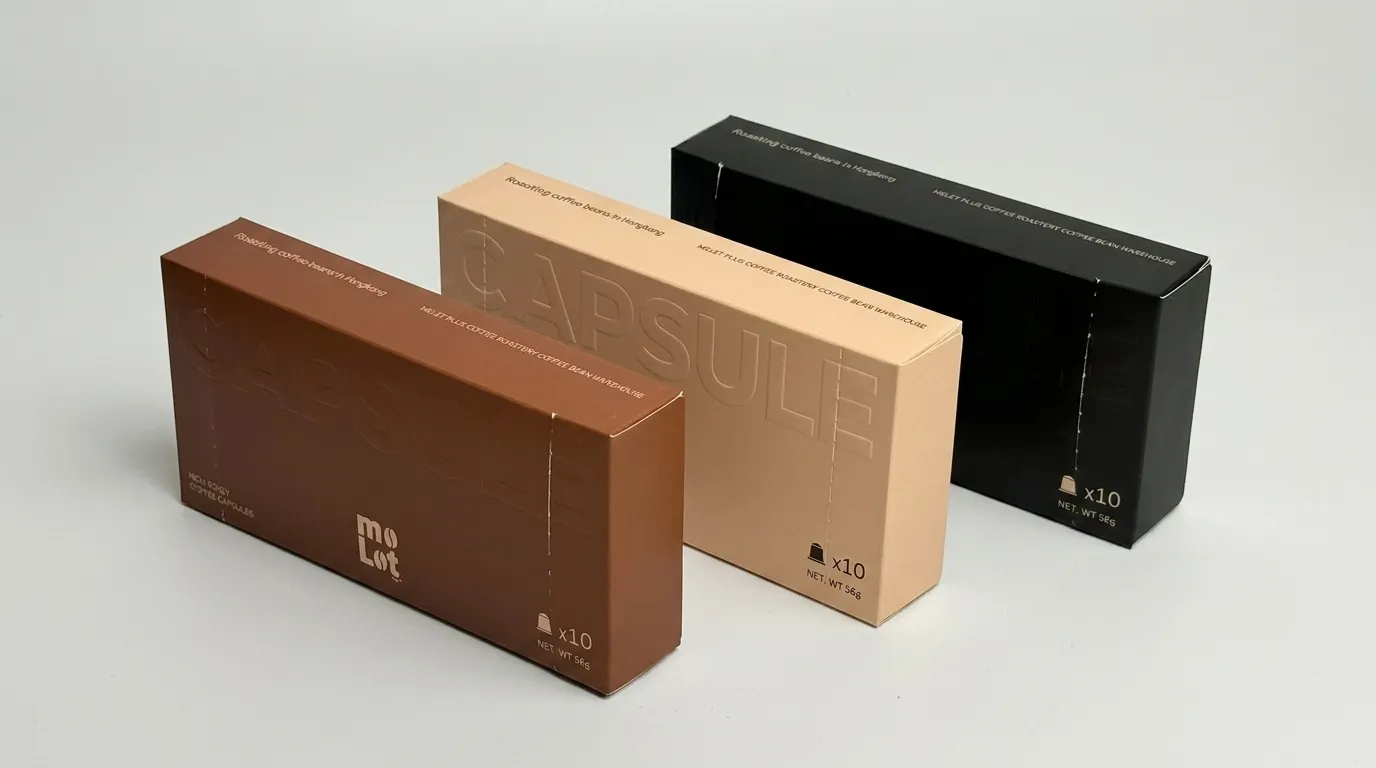
Landing page reference
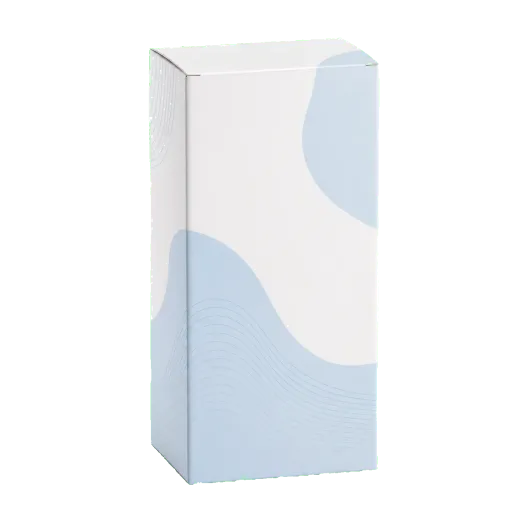
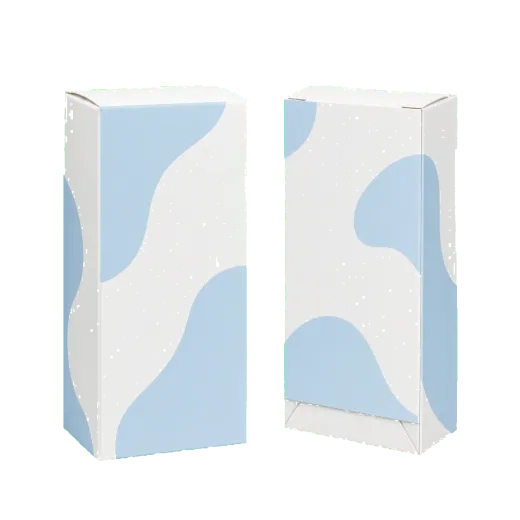
Compare the long shelf profile, panel depth, color variants, embossed artwork alignment, and score placement across the three closed cartons.
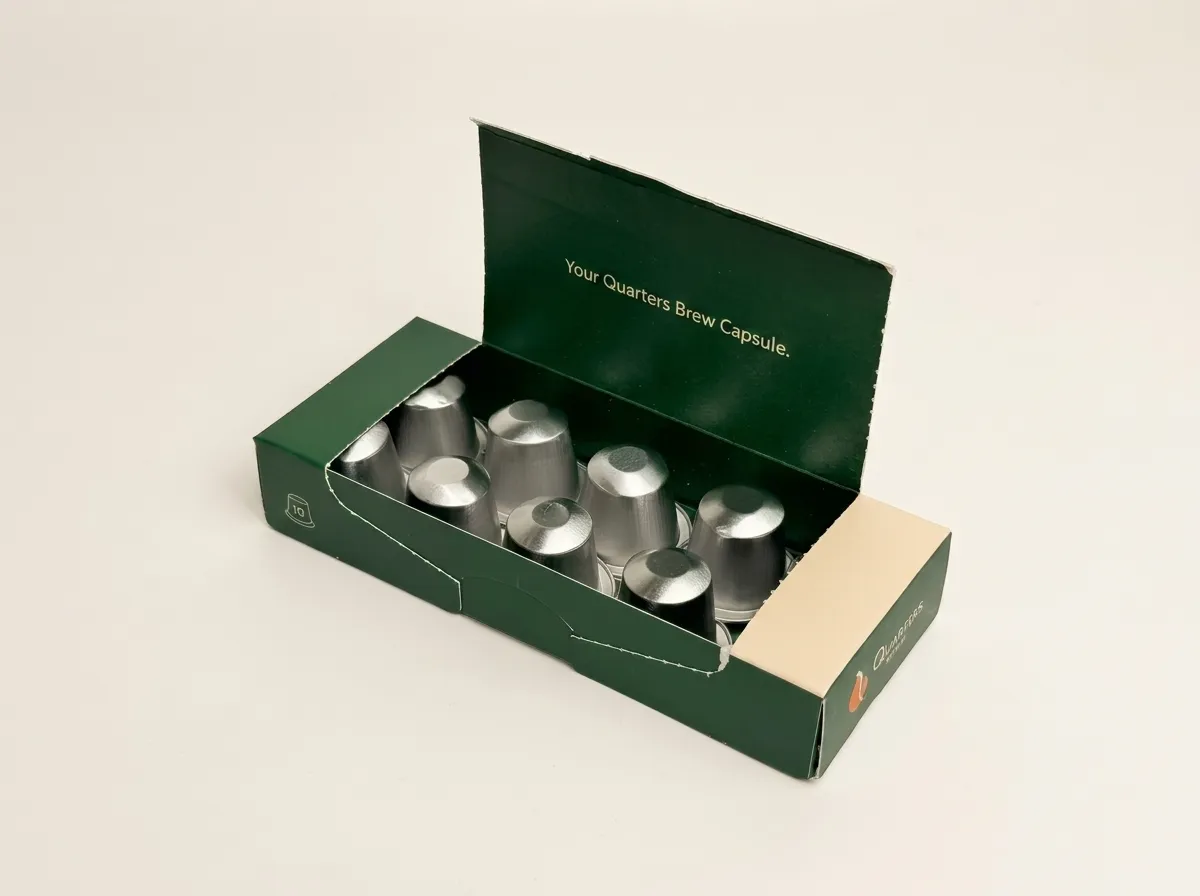
Structure reference
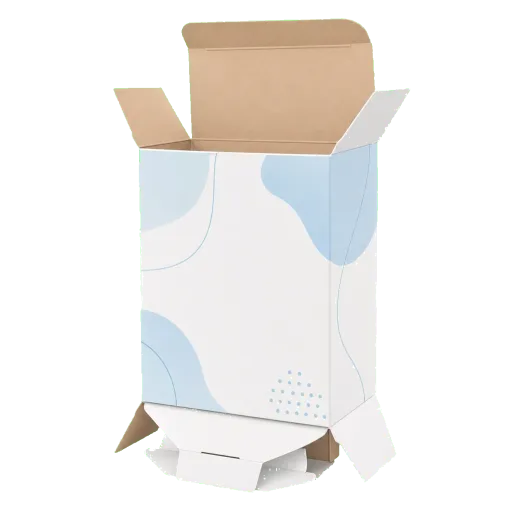
The opened view proves the hinged lid and tear-away front presentation. The automatic bottom construction still needs a separate dieline and base-lock sample check.
Approve emboss depth, edge definition, board stretching, and alignment where the raised lettering approaches the vertical perforation.
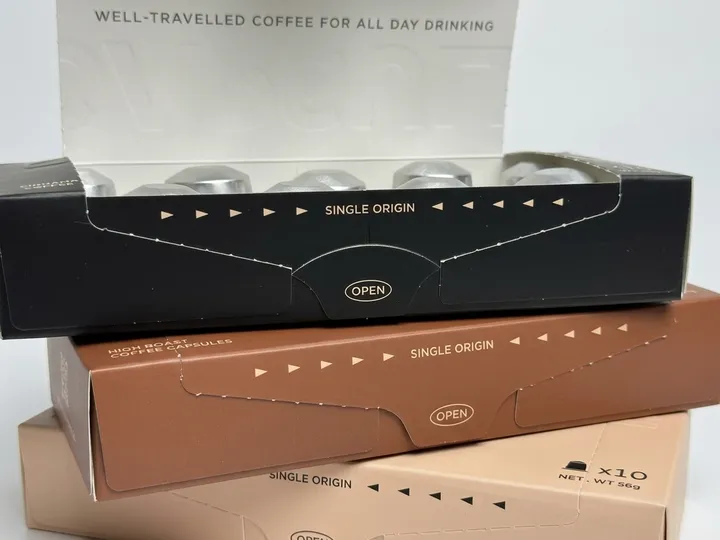
Check perforation strength, pull-tab access, tear direction, front-wall appearance, and whether opening remains controlled without loose fibers.
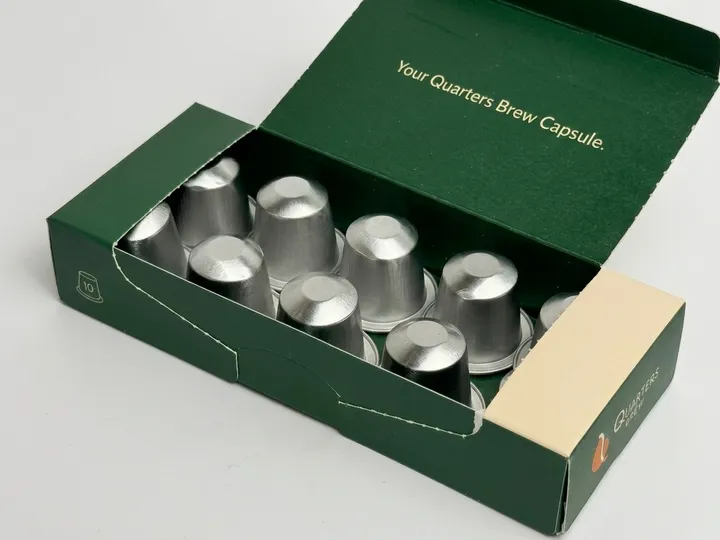
Use real filled capsules to approve row spacing, lid clearance, removal access, movement, packed weight, and loading speed before production.
Customization options
Choose the board, print system, tactile finish, display window, and tear-open route as one production specification rather than treating each finish independently.
Material / Paperboard
Single-side coated white board with a clean print face and a natural reverse side.
Review this option
Printing / Print Method
Four-color offset printing for detailed artwork and consistent production quality.
Review this option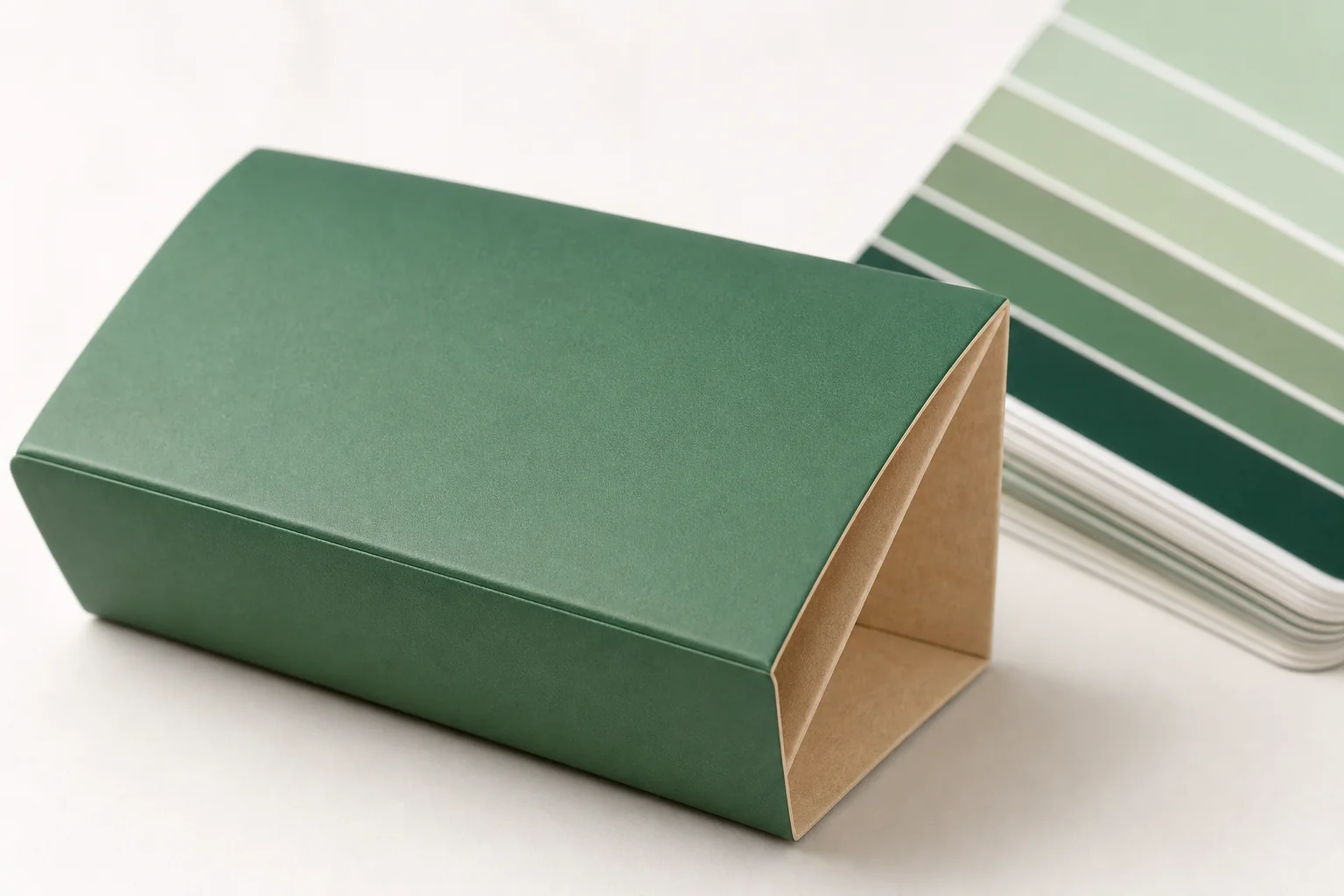
Printing / Print Method
Spot color printing for strict brand color control and high-end customization.
Review this option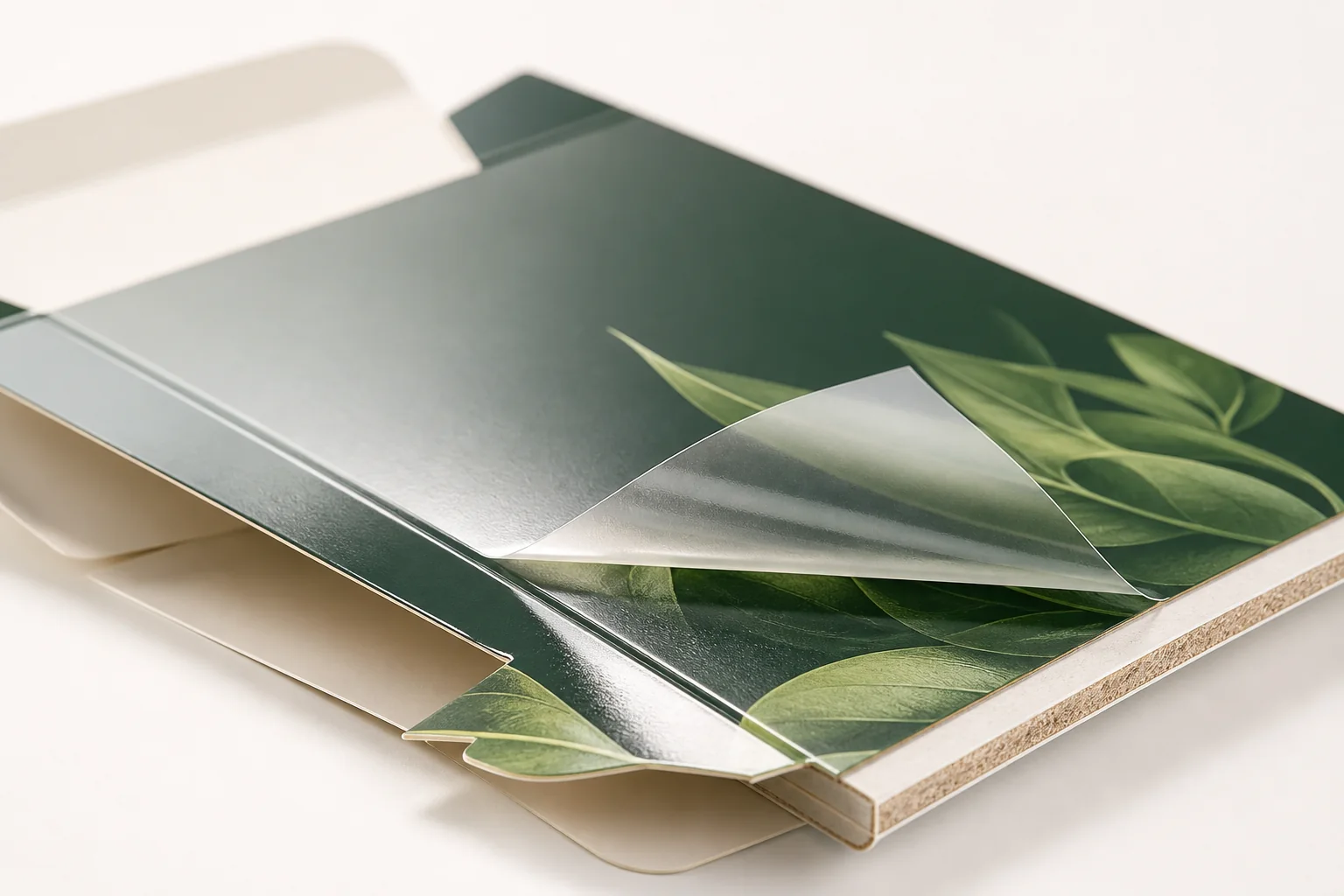
Finishing / Surface
Low-sheen film finish for a calm premium surface with added protection.
Review this option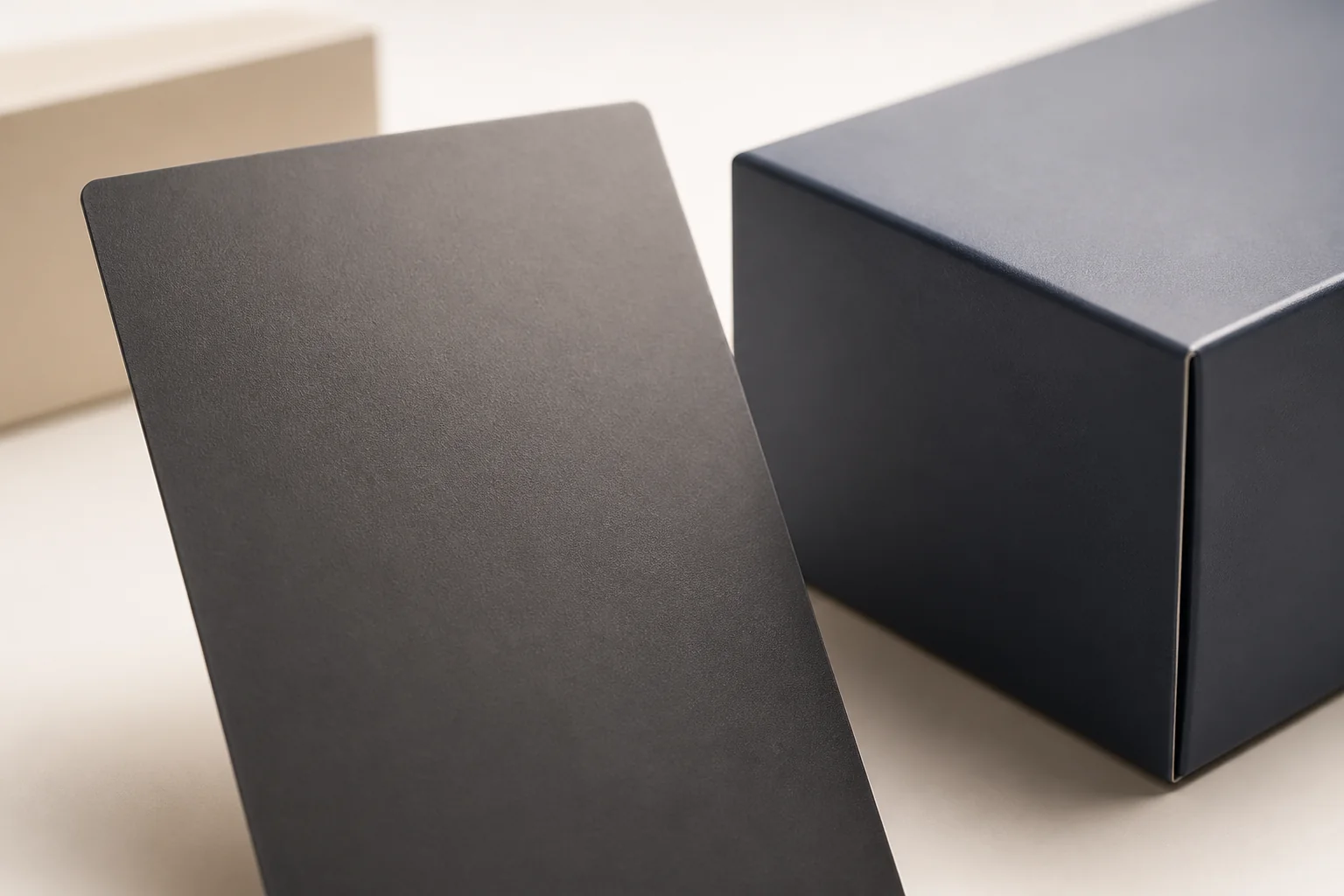
Finishing / Surface
Velvety film finish for cosmetic, wellness, gift, and premium unboxing projects.
Review this option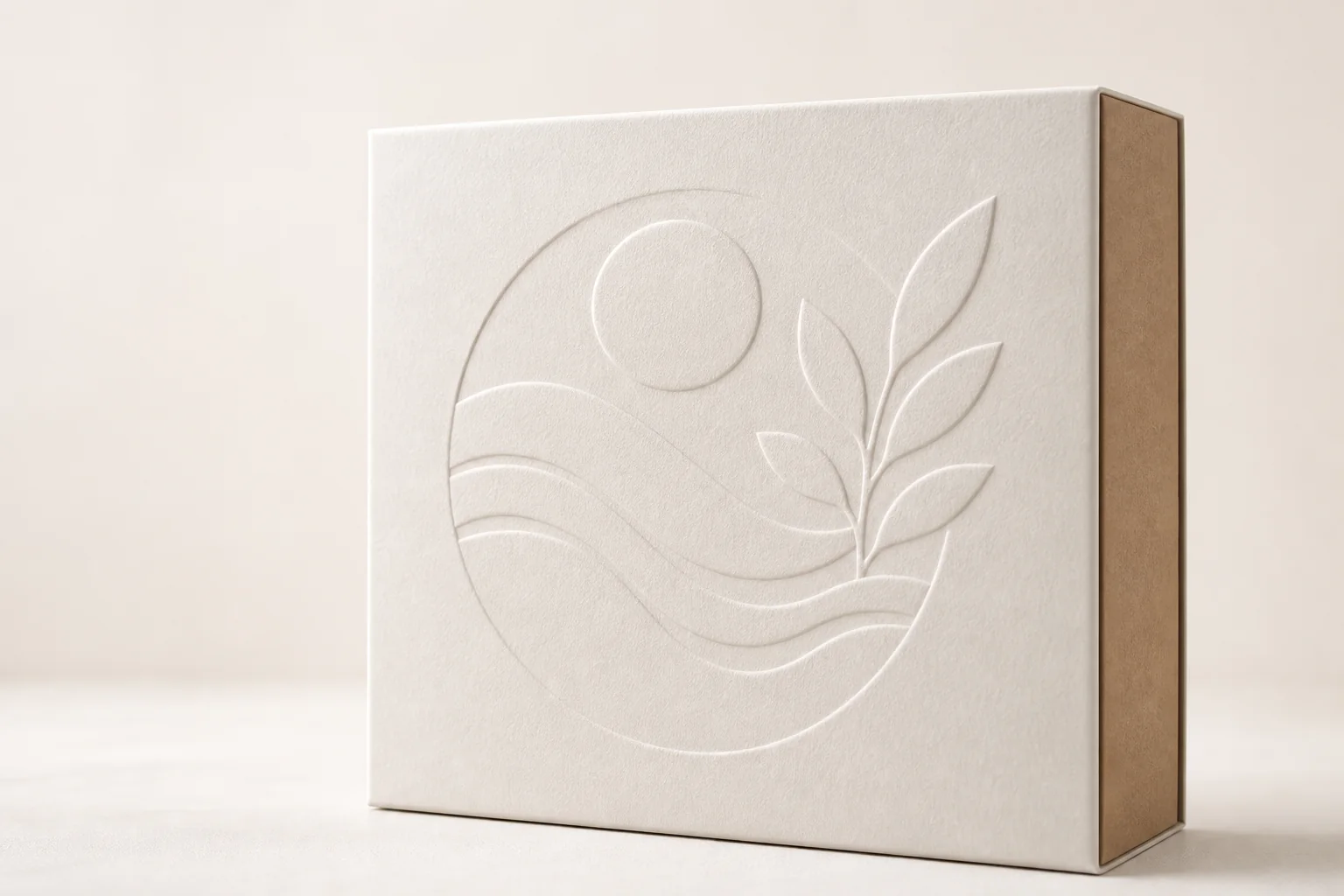
Finishing / Visual
Raised detail that adds tactile emphasis to logos or decorative artwork.
Review this option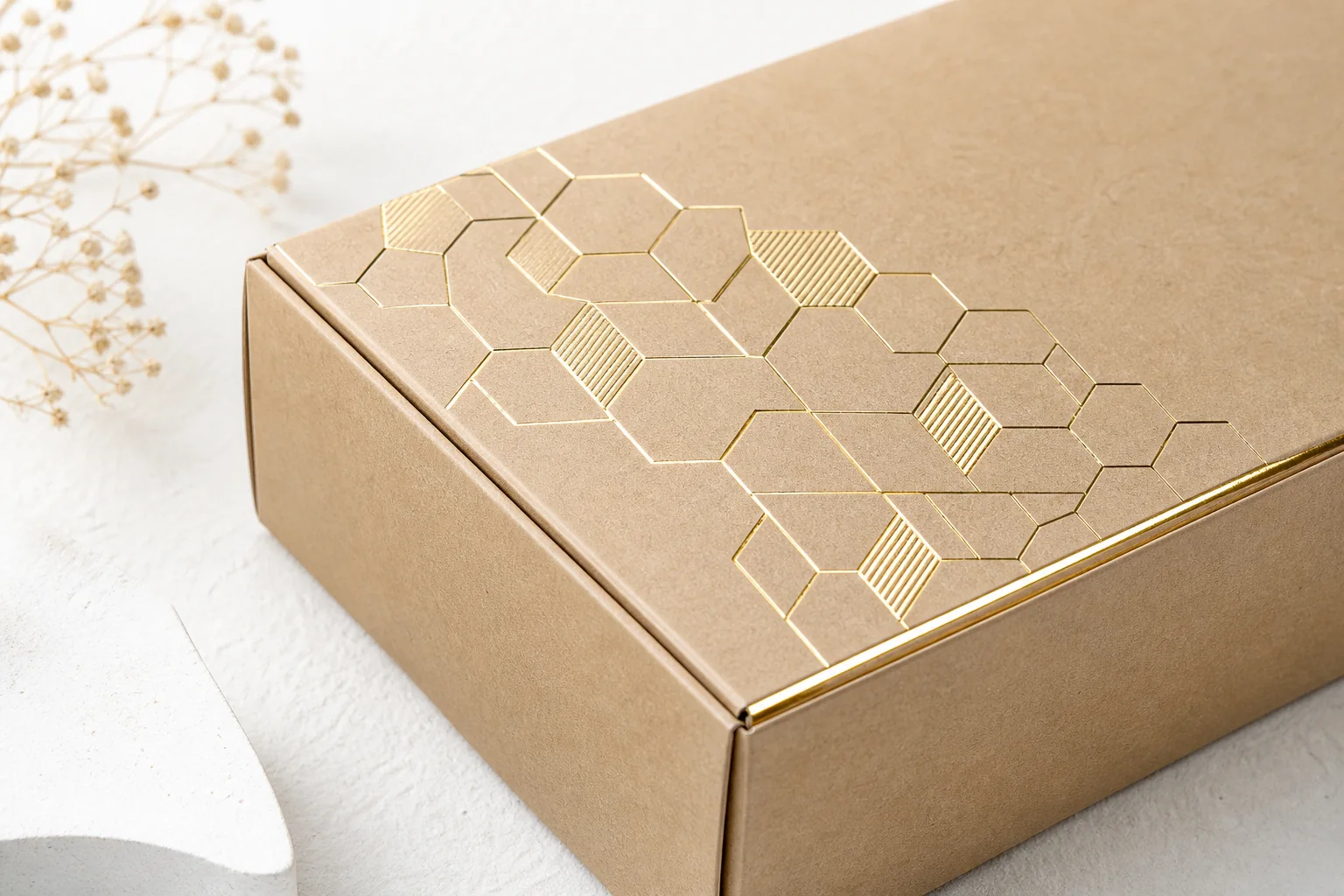
Finishing / Visual
Metallic foil detail in gold, silver, rose gold, or custom colors for premium marks.
Review this option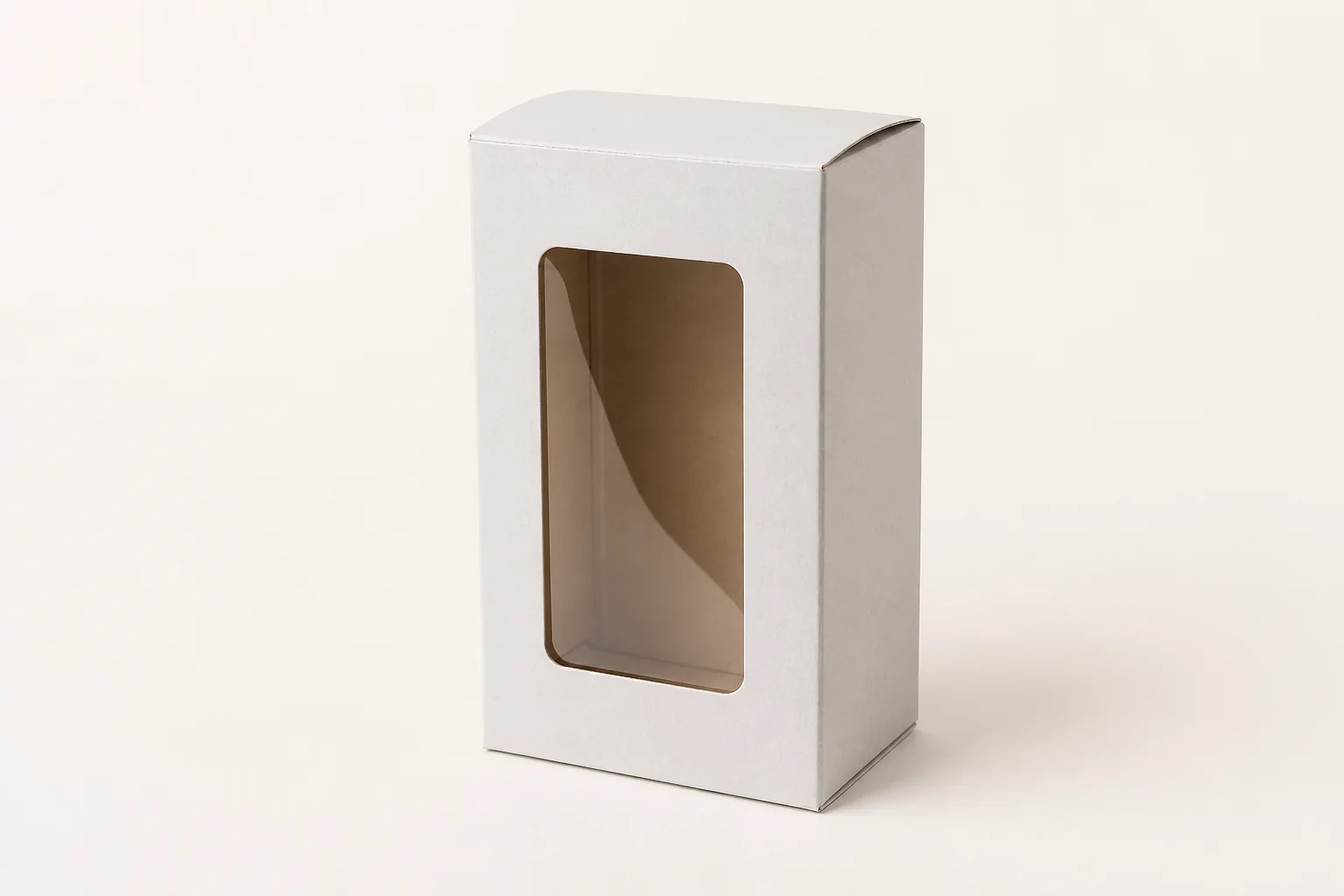
Finishing / Structural
Shaped product window, often paired with clear PET or PVC patching film.
Review this option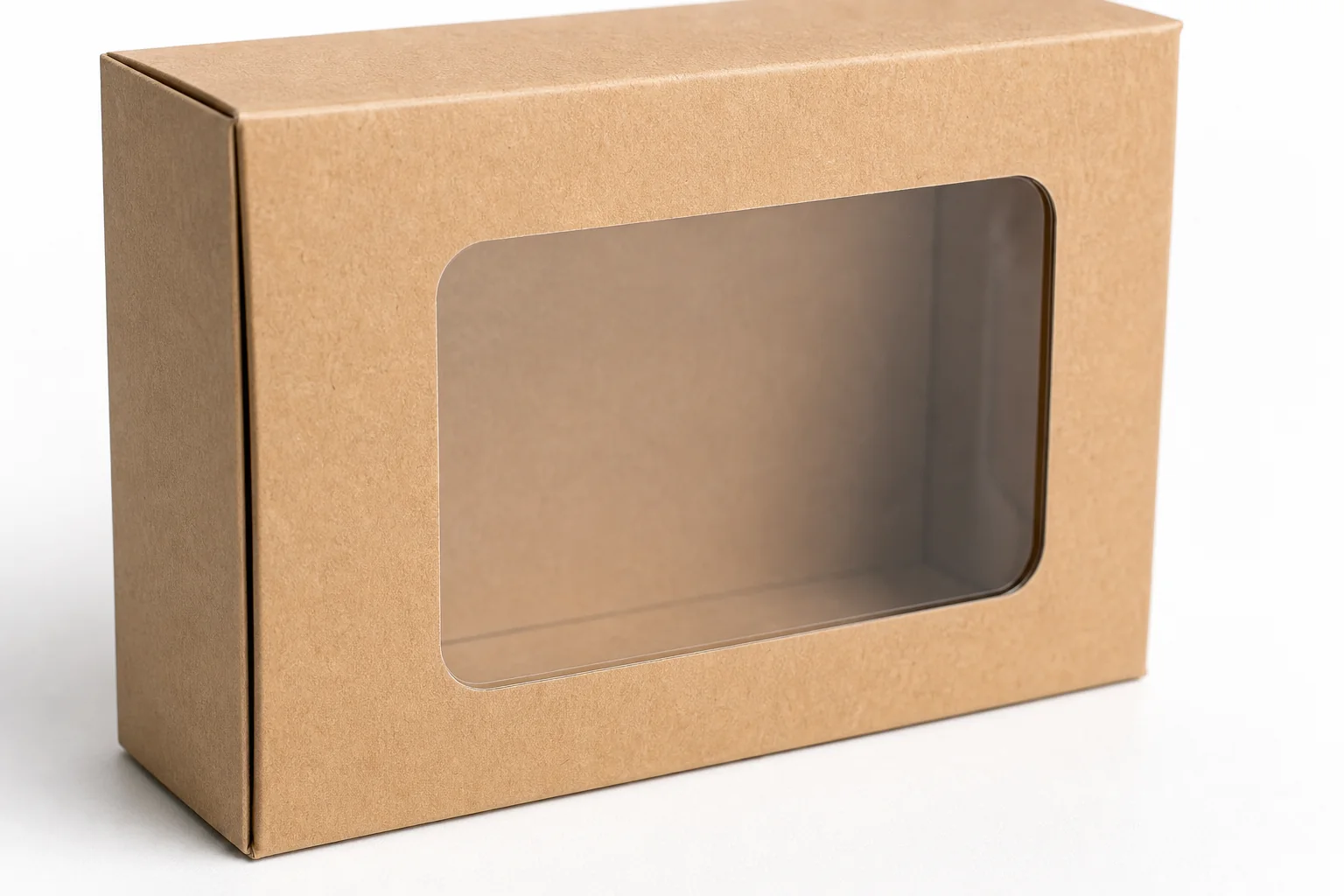
Finishing / Structural
Clear film patched behind a window cutout so the product can show through cleanly.
Review this optionPrint and finish route
This carton combines large quiet color fields with tactile branding and functional perforations. Artwork and finishing must stay coordinated with score lines, glue areas, tear paths, and any optional PET window.
Large raised CAPSULE lettering creates a tone-on-tone focal point without adding ink to the relief.
Approve emboss depth, counter pressure, cracking risk, and clearance from the tear perforation on the selected board.
A low-sheen finish supports the black, beige, and brown color system while reducing distracting surface reflection.
Compare matte film, soft-touch film, or an approved coating route for rub resistance, fingerprints, fold behavior, and material goals.
Logos, capsule counts, opening cues, and fine information can use restrained foil or controlled spot colors.
Proof small-copy legibility, foil registration, color consistency, and finish clearance around scores and perforations.
Artwork element
Production route
Effect on this box
Proofing check
Large CAPSULE artwork
Blind embossing
Raised tone-on-tone branding across the presentation panel.
Keep relief depth and fine edges stable without weakening the perforated opening path.
Black, beige, or brown background
Offset CMYK or Pantone spot color
Broad color coverage across the long carton panels.
Approve color targets on the final paperboard and compare fold-edge cracking on dark variants.
Logo and specification copy
Offset print with optional foil accent
Clear brand mark, capsule count, roast or variant information.
Keep small text clear of scores, tear lines, glue zones, and bottom-lock panels.
Opening cue
Die-cut tab plus perforation
A visible start point for controlled consumer opening.
Test pull force and fiber tear with the chosen board, coating, and lamination.
Optional product window
Die-cut aperture plus PET window patch
Allows capsule color or arrangement to be visible before opening.
Confirm window shape, film gauge, patch glue area, capsule clearance, and market-specific material requirements.
Specification summary
Use these specifications as a planning baseline. Final dimensions, tolerances, paper grade, finishes, and compliance documents must follow the actual capsules, filling method, destination market, and approved sample.
Packaging type
Custom coffee pod boxes for a 10-capsule retail or refill pack
Box structure
Long horizontal paperboard folding carton with pre-glued auto-lock bottom, hinged lid, and perforated tear-open front
Material baseline
250–300gsm coated white paperboard; specialty kraft or light-brown tactile paper may be evaluated as alternatives
Board construction
Single-layer folding carton without corrugated flute or mounted liner
Capsule layout
Reference pack shows ten aluminum capsules; final cavity and clearance follow supplied capsule samples or drawings
Print routes
Offset CMYK or Pantone spot colors with inside-lid printing when required
Finish routes
Blind embossing, matte lamination, soft-touch lamination or coating, and optional foil accents
Window option
Optional die-cut opening with a clear PET patch after product visibility and material requirements are confirmed
Opening feature
Pre-cut pull tab and perforated tear path tested on the final board and finish stack
Quote drivers
Finished dimensions, board grade, print coverage, emboss area, foil, window patch, perforation, quantity, packing method, and delivery destination
Buyer decisions
A visually similar carton can behave differently when capsule diameter, packed weight, board stiffness, lamination, perforation pitch, or filling sequence changes. Quote the complete pack-out rather than only the exterior size.
Capsule diameter and height
Ten-capsule loading arrangement
Filled capsule weight
Finished box dimensions or target fit
Artwork and color references
Board and finish preference
Window or no-window route
Quantity and delivery destination
Coated white paperboard
Clean color control, detailed print, embossing, and broad retail graphics
Final caliper and stiffness must be tested around the long panel span
Specialty tactile paper
Natural beige or brown presentation with restrained artwork
Ink density, emboss edge, rub resistance, and batch shade need physical proofing
Matte lamination
Low-glare protection and stable dark-color presentation
Film changes fold, tear, and material-recovery considerations
Coating without film
Projects comparing a lower-plastic surface route
May provide less scuff, fingerprint, and deep-color protection than film
Also suitable for
Proof before mass production
Dieline review: Confirms auto-lock panels, glue zones, lid hinge, perforation, artwork clearance, and optional window patch area.
Converted sample: Checks setup speed, bottom lock, lid alignment, tear force, capsule fit, panel bowing, and opening presentation.
Finish proof: Compares color, emboss depth, foil registration, coating feel, rub resistance, and cracking at scores.
Sampling and production path
The production path should validate structure and filling before premium finishes are locked. This protects the tear-open experience and keeps artwork aligned with the converted carton.
1
Confirm capsule diameter, height, filled weight, count, orientation, loading sequence, removal space, and whether a divider or locator is actually needed.
2
Set the long-panel dimensions, auto-lock base, hinged lid, glue zones, pull tab, perforation path, dust control, and optional window position.
3
Test flat storage, one-push setup, bottom hold, ten-capsule loading, panel bowing, lid closure, opening force, and capsule access.
4
Review full color fields, emboss relief, foil or small copy, matte or soft-touch surface, fold cracking, and perforation behavior together.
5
Confirm approved sample, artwork version, board, finish stack, flat-pack orientation, packing count, outer cartons, inspection points, and delivery requirements.
Structure reference
Use the auto-bottom family as the closest production reference for the pre-glued base. The photographed lid and perforated front are product-specific features that must be engineered into the final dieline rather than assumed from a standard catalog box.
A pre-glued base can open into shape faster than a hand-locked bottom, which is useful when repeated ten-capsule packs are loaded by hand.
The hinged lid and perforated front convert a closed shelf carton into an accessible capsule presentation after purchase.
Long uninterrupted panels support variant color, roast information, capsule count, tactile embossing, and clear opening cues.
Structure baseline
A pre-glued auto-lock bottom folding carton with a hinged top panel and consumer tear-open front, supplied flat for packing.
Fit baseline
Ten capsules in the approved row arrangement, with clearance verified using real filled samples or an accurate dimensional drawing.
Finish baseline
Offset color with optional blind embossing, foil, matte or soft-touch finish, inside print, and PET window patch.
Factory review
Dimensions, capsule samples, packed weight, artwork, quantity, filling sequence, finish selection, destination, and required documents.
Details to prepare for factory review
Capsule diameter and height
Ten-capsule loading arrangement
Filled capsule weight
Finished box dimensions or target fit
Artwork and color references
Board and finish preference
Window or no-window route
Quantity and delivery destination
Production FAQ
Send capsule diameter, height, filled weight, count and arrangement, target box dimensions if known, artwork, board and finish preferences, window requirements, quantity, packing method, delivery destination, and any required supplier or market documents.
The reference pack shows ten capsules in a long horizontal carton. Compatibility must still be confirmed using your actual filled capsules or an accurate dimensional drawing because rim diameter, height, and packed arrangement can vary.
The main benefit is packing speed and repeatable setup rather than heavy-load strength. A pre-glued base can form quickly during filling, but the final lock geometry and glue pattern should be approved through a converted sample.
Yes. A die-cut window with a clear PET patch can be evaluated when capsule visibility is important. Window size, film, adhesive area, capsule clearance, finish compatibility, and destination-market material requirements must be confirmed before production.
Test the final paperboard, coating or lamination, perforation pitch, pull-tab shape, opening force, fiber tear, loose debris, and appearance after opening. A plain uncoated prototype will not predict the behavior of every finished construction.
Yes. Large blind embossing is visible in the supplied reference. The sample should confirm relief depth, edge definition, board stretching, panel flatness, and clearance from scores and perforations.
The page treats this carton as secondary retail packaging around sealed capsules. Any aroma, oxygen, moisture, food-contact, or shelf-life requirement must be validated for the capsule and its primary packaging rather than assumed from the paper carton.
This structure is normally planned for flat storage and shipment before filling. Confirm the packed-flat orientation, base glue, setup method, filling sequence, and outer-carton quantity during sampling.
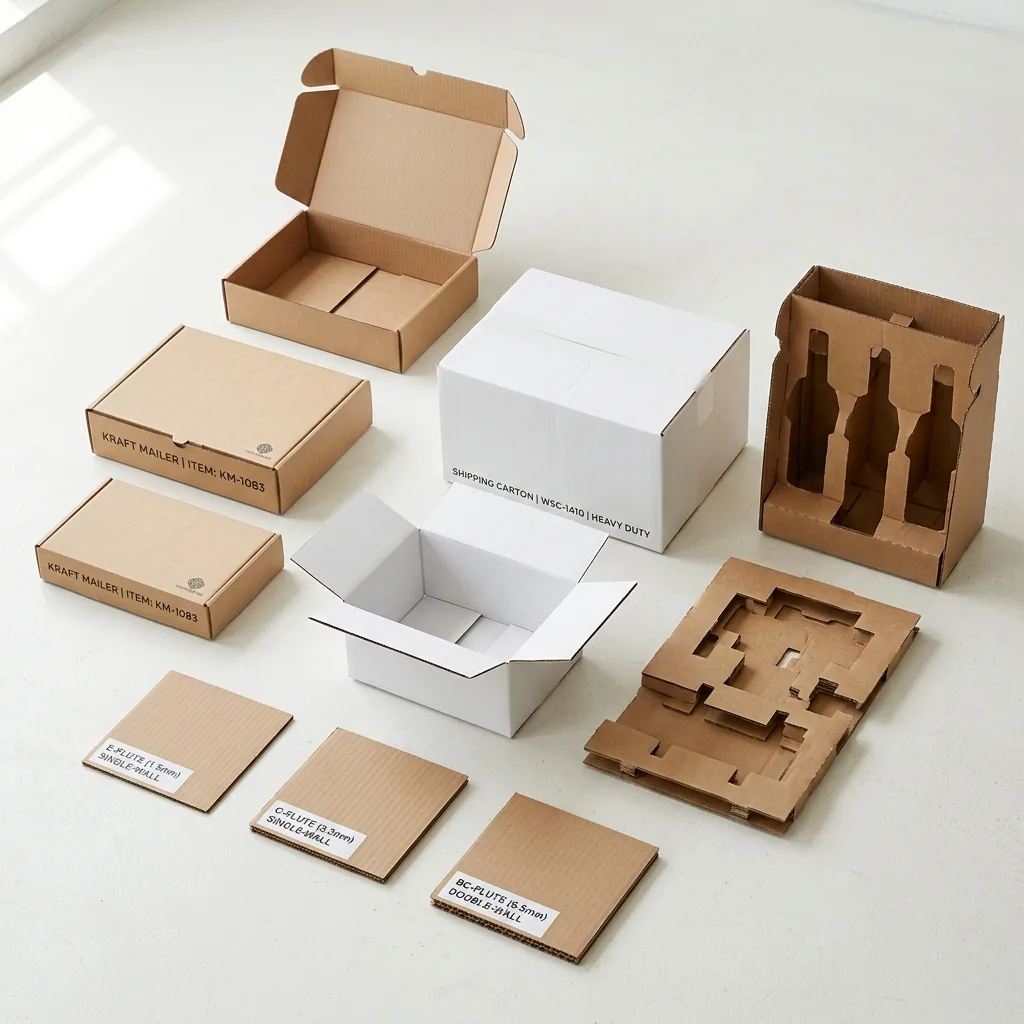 Corrugated Boxes Choose the corrugated box route by shipping risk, product weight, print needs, insert fit, and the opening experience your customer should receive.
 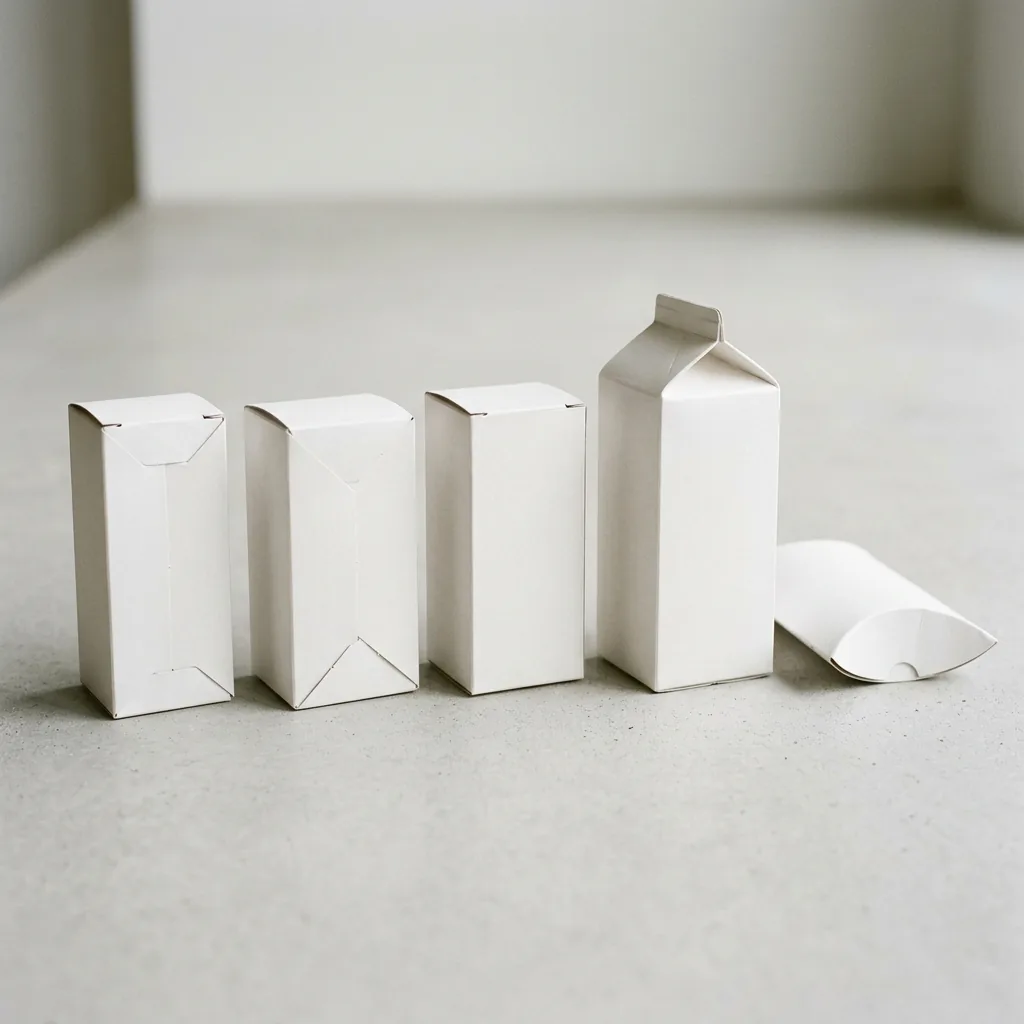 Folding Cartons Compare paperboard carton styles by structure, product fit, material, print area, and production use before choosing a quote-ready packaging path.
 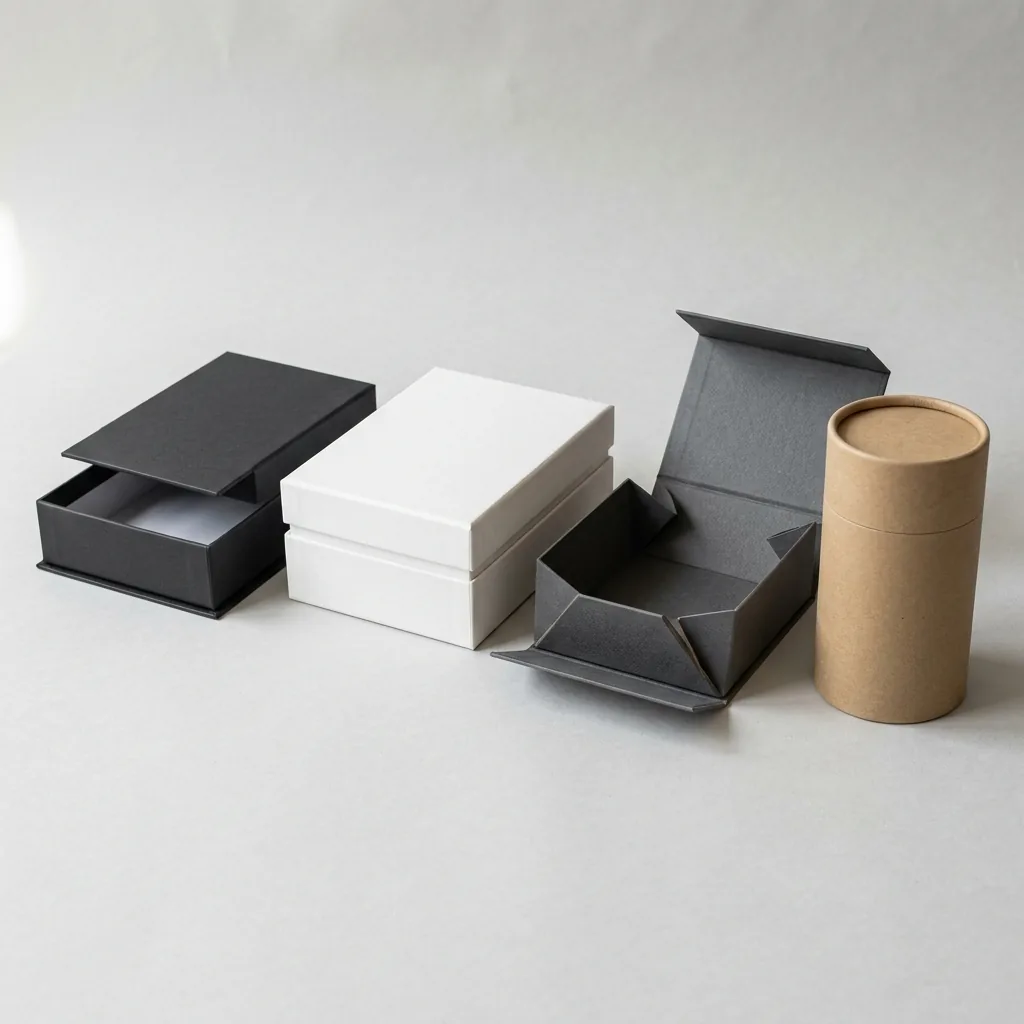 Rigid Boxes Choose rigid boxes when the packaging needs a stronger gift-box feel, durable presentation, premium surface finishing, and a more controlled opening experience.
 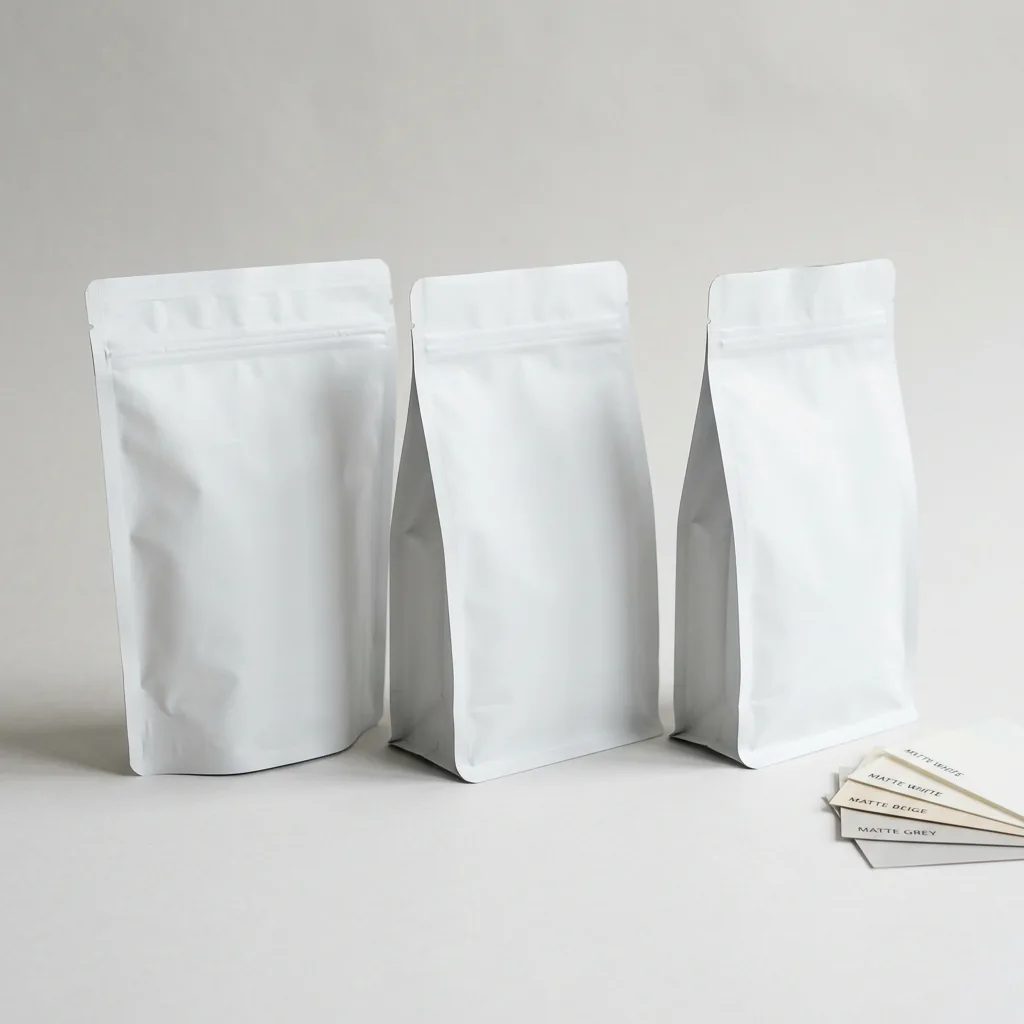 Flexible Pouches Use custom pouches when the packaging needs to stay light, portable, resealable, shelf-friendly, or efficient for food, refills, masks, samples, and pet products.
 Product structures
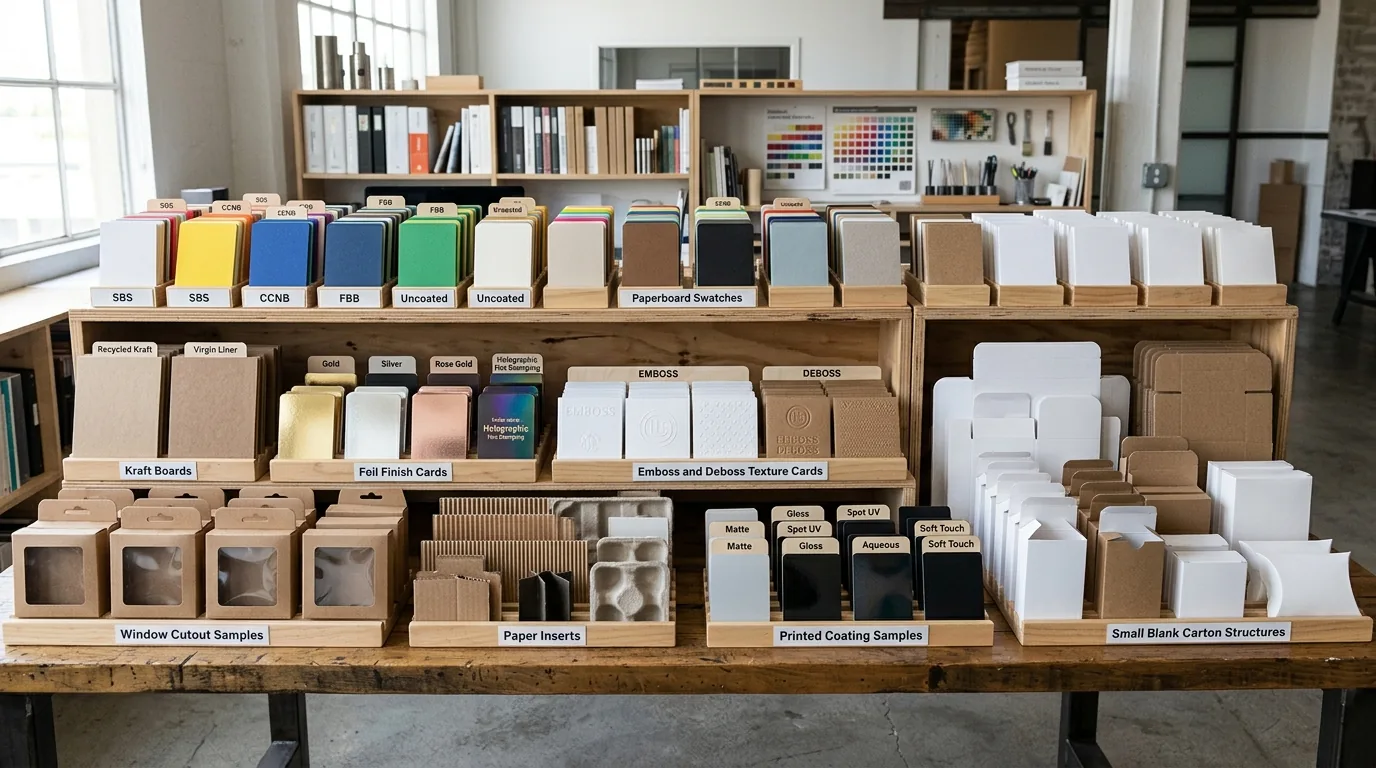
Option Library
Browse materials, print methods, finishes, inserts, and packaging features before choosing a structure.
Browse all options Cosmetics & Skincare Packaging routes for skincare launches, beauty refill sets, cosmetic retail units, and premium PR kits.
 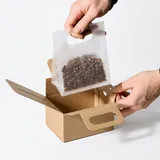 Food & Beverage Packaging Packaging routes for coffee pods, tea, cookies, confectionery, bakery products, snacks, and gift assortments.
  Apparel & Fashion Mailer, pouch, wrap, and gift-ready packaging directions for fashion and lifestyle products.
 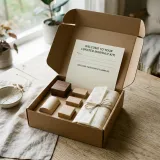 Subscription Boxes Packaging ideas for recurring kits, campaign boxes, sample programs, and DTC launch testing.
 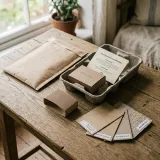 Eco-Friendly Packaging Paper-based structures, recycled boards, FSC options, and lower-plastic packaging paths.
 Solution paths
Solution paths
Solution paths
Solution paths
Solution paths
Inspiration Library
Get inspired by browsing creative packaging concepts and see how brands from your industry are designing their packaging.
Browse inspiration library Services overview Compare design, customization, production, and eco support before choosing a project route. Packaging Design Turn a product idea into packaging that is ready for sampling, shelf presentation, and production.
 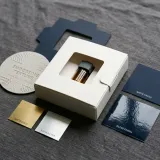 Packaging Customization Dial in every detail, from board choice and finish to window cutouts, inserts, openings, and small functional touches.
 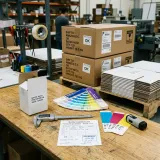 Packaging Production Move from approved sample to reliable production with global sourcing, low minimums, and pricing built for growing brands.
 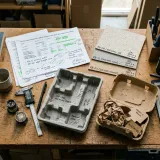 Eco Support Build packaging with clearer sustainability choices, including FSC paper, recycled board, soy-based ink, and plastic-reduction options.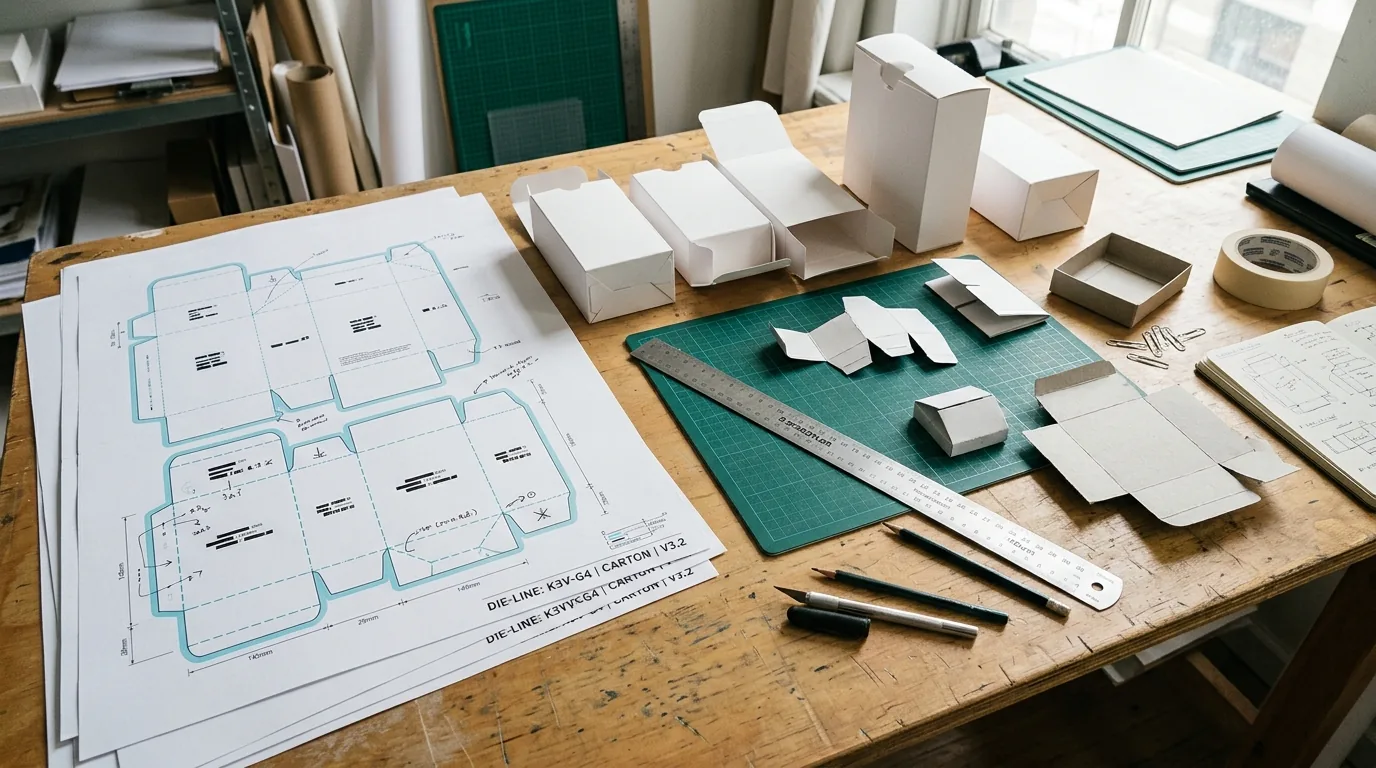
Download 2000+ Templates & Dielines
2000+ customizable packaging templates and dielines, with 3D mockups. 100% customizable. 100% downloadable.
Learn more BLOG Read packaging ideas, buyer guides, and material explainers for custom projects.
  Case Studies Review detailed packaging structures, materials, finishes, fit checks, and production decisions.
 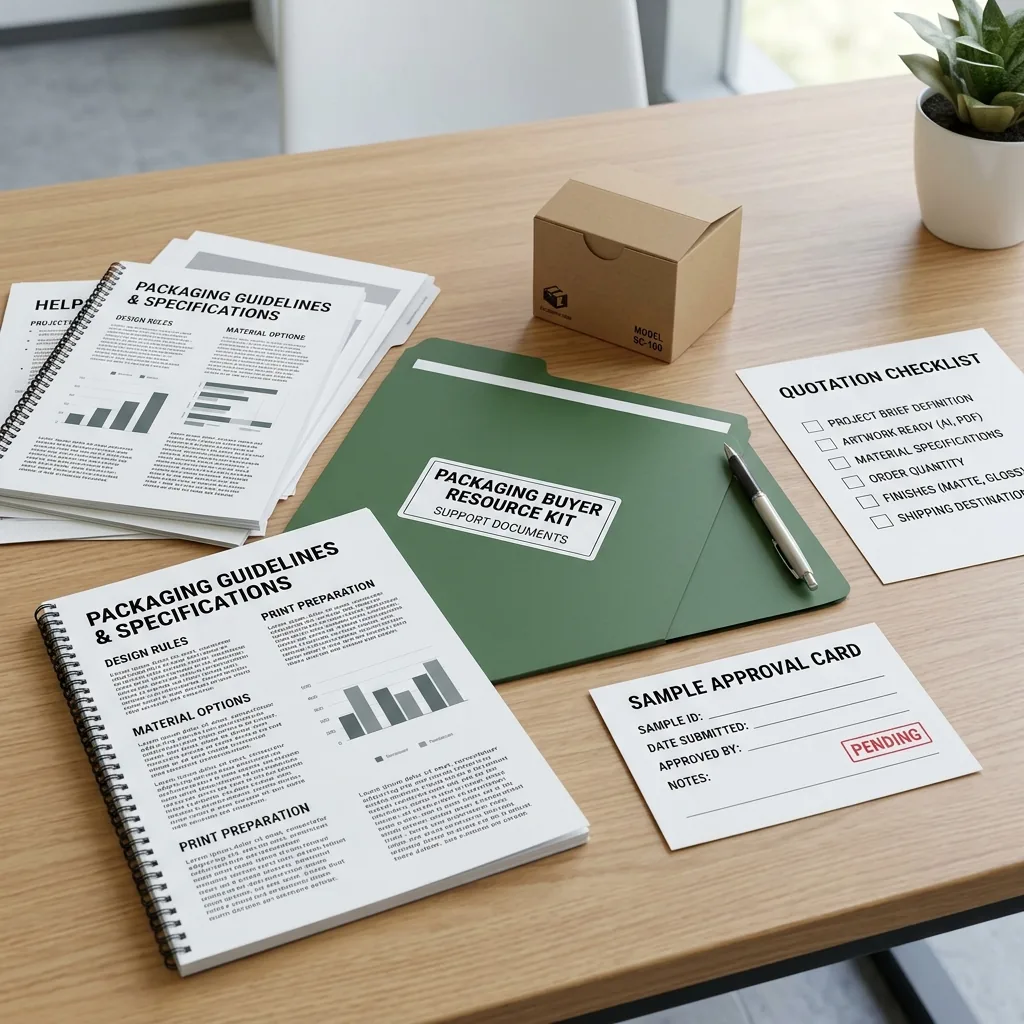 Help Center Find answers for artwork, quotes, samples, production timing, and delivery support. Inspiration Library Browse packaging concepts, industry examples, and launch-ready design directions.
 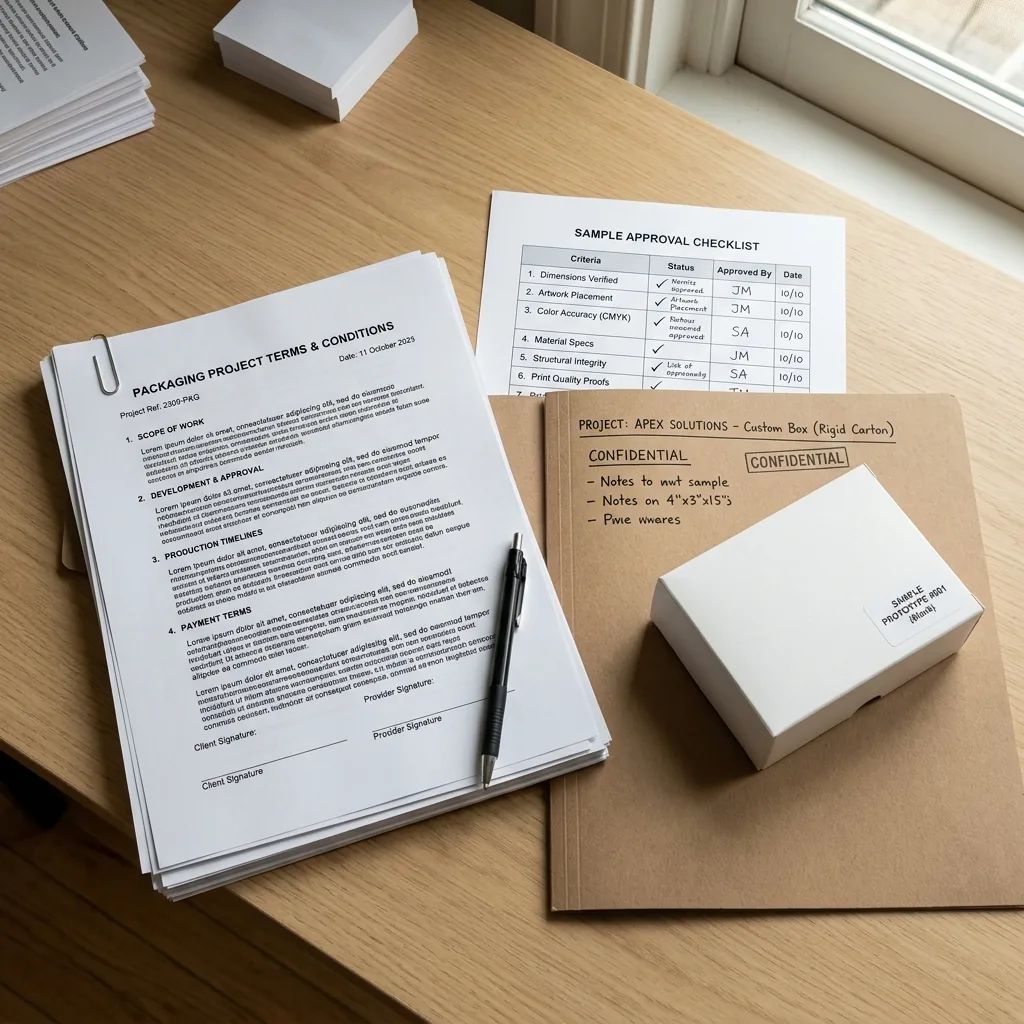 Terms & Conditions Review project, ordering, production, delivery, and website usage terms.
  Privacy Policy See how customer details, quote inquiries, and project information are handled.
Help Center
Get practical answers before you request a quote, from artwork files and sampling steps to production timing, shipping notes, and packaging project details.
Visit help center About YATBRAND Learn how we support custom packaging projects from planning to production.
  Contact Us Share product details, quantities, timelines, and custom packaging goals. Request a quote Send size, quantity, material, artwork, and timeline details for a quote-ready review.
 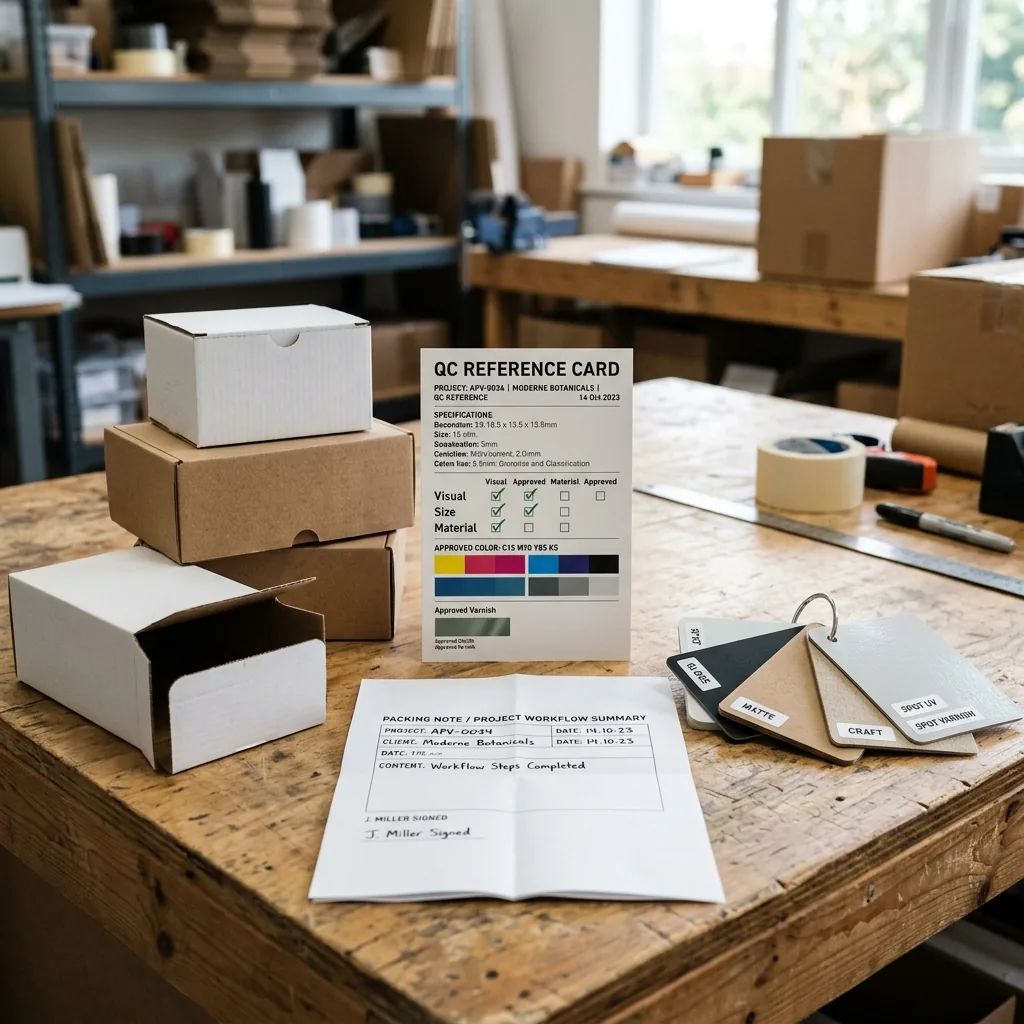 Our Approach See how packaging guidance, samples, production control, and delivery details work together. Quality & Production Review how sampling, production, inspection, and delivery support fit together.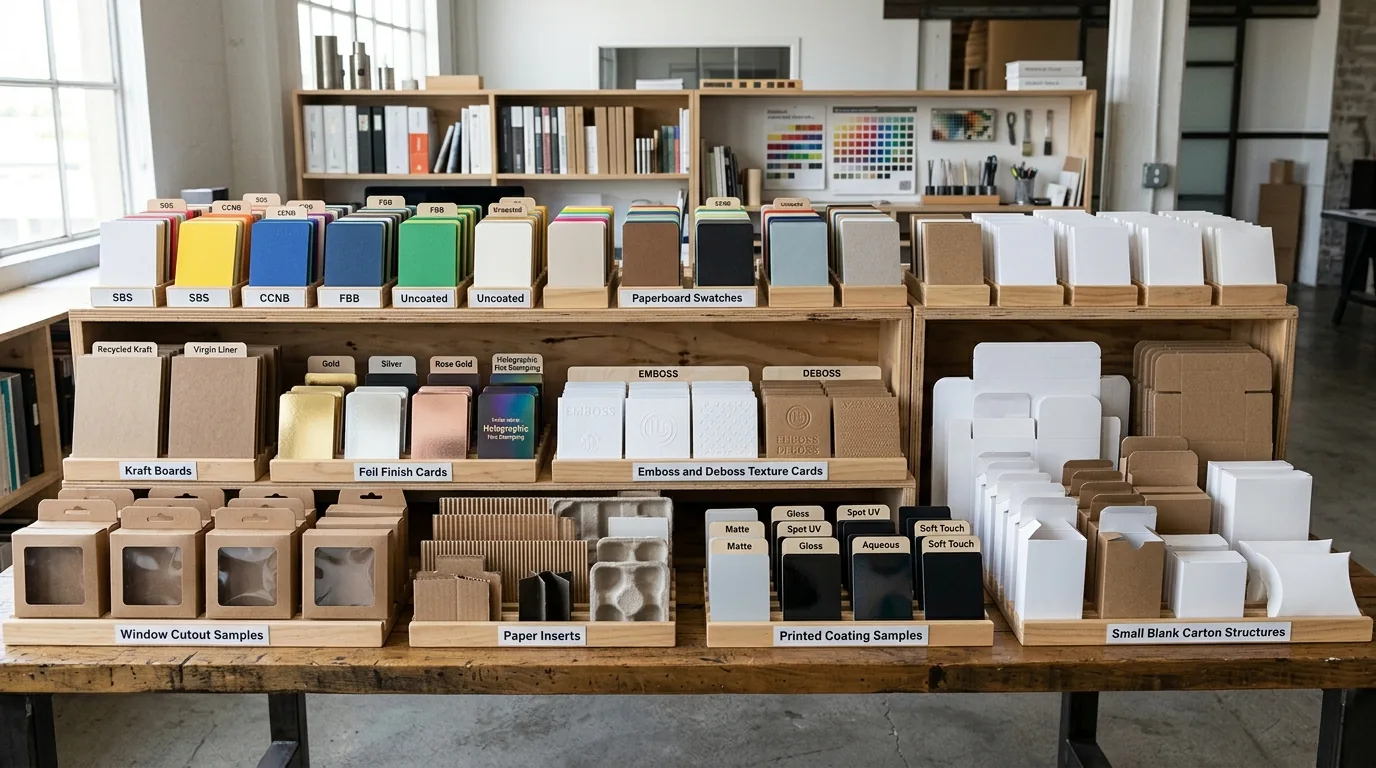
YATBRAND LLC
Custom packaging support for brands that need structure guidance, material options, sampling, quality review, and delivery coordination.
Learn about YATBRAND
Packaging specialist
Ask about structure, materials, samples, or quote details.