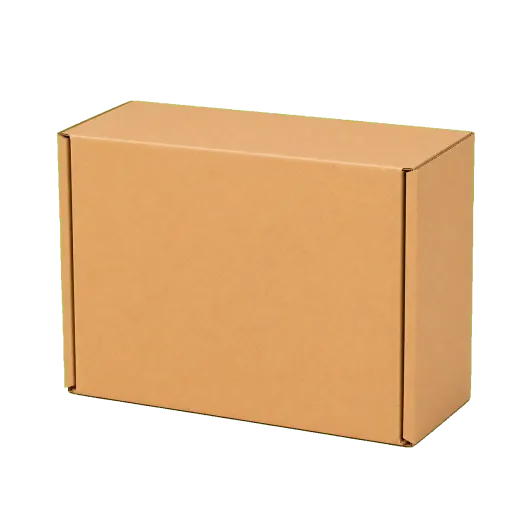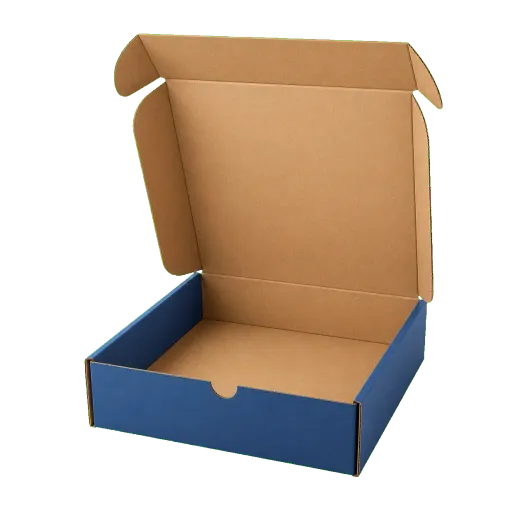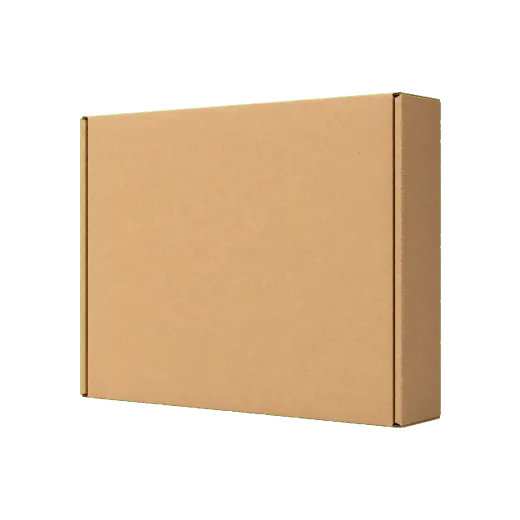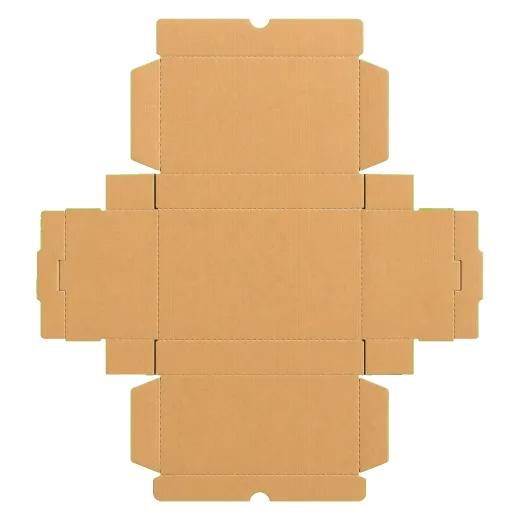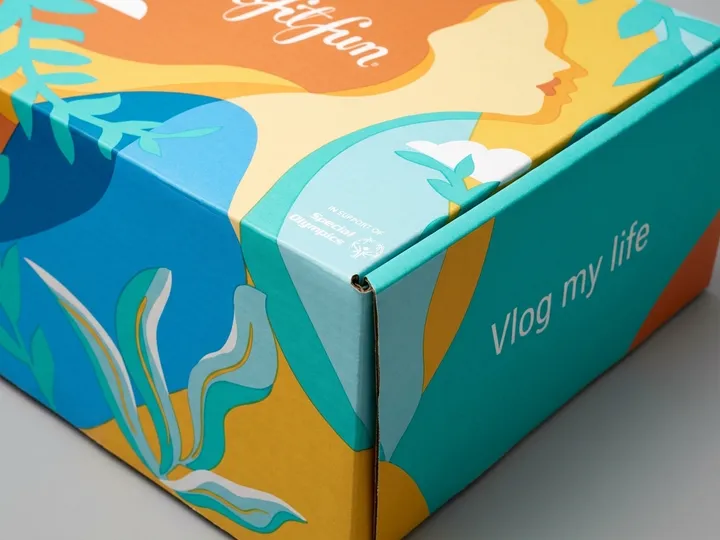
Artwork across folds and edges
This close view helps buyers review color transitions, registration near scores, exposed corrugated edges, corner alignment, and possible rubbing at the locking area.
Zero wasted space. Save 20% on shipping.
Custom sizing. No die or setup fees.
Skip DIY. Free expert design support.
Printed corrugated subscription mailer
Custom monthly subscription boxes built around a full-color corrugated mailer, contrasting printed interior, flexible tissue pack-out, and recurring production controls for product mixes that may change from one shipment to the next.
Box structure
One-piece corrugated mailer with hinged lid, side wings, and front lock
Artwork route
Detailed full-color outside print with a contrasting blue interior
Pack-out focus
Minimum and maximum monthly assortments tested before production
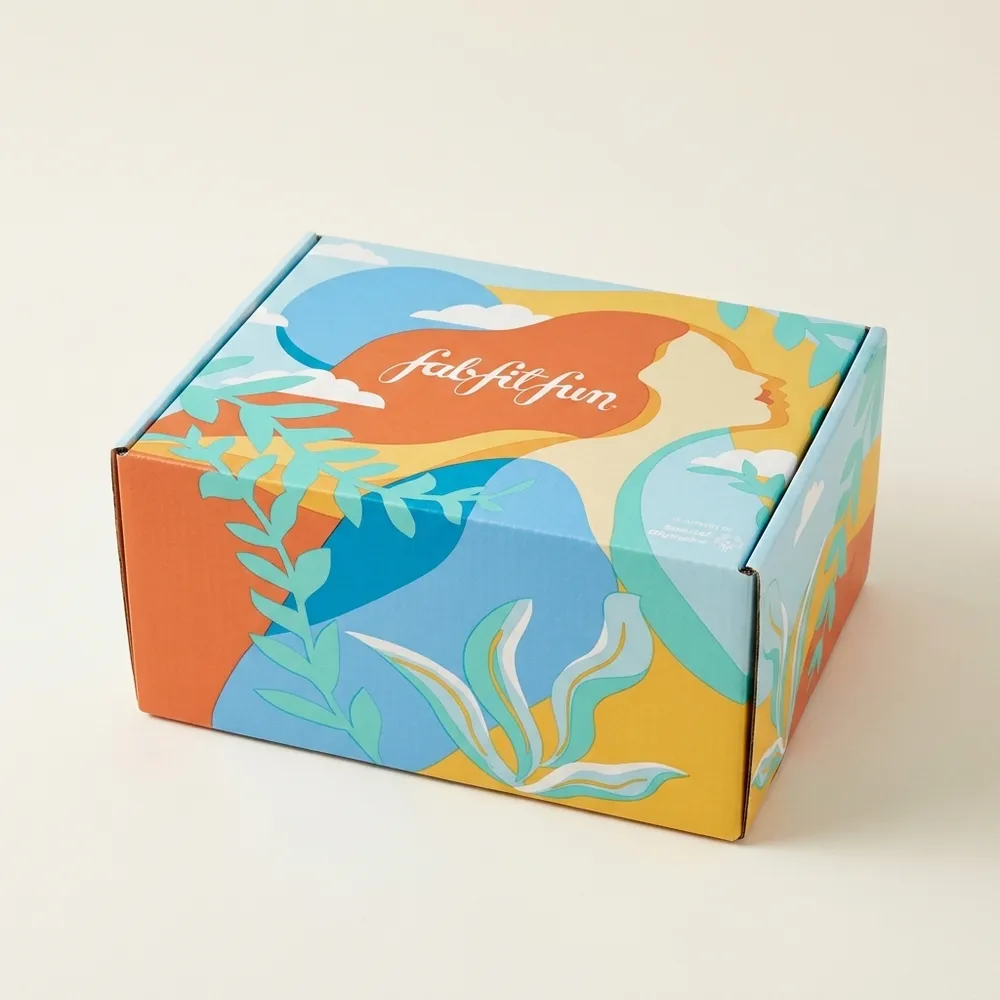
Visual proof points
These five views separate the decisions behind the reference box: closed proportions, opening structure, color across folds, visible corrugated edges, and clearance around a varied product assortment.
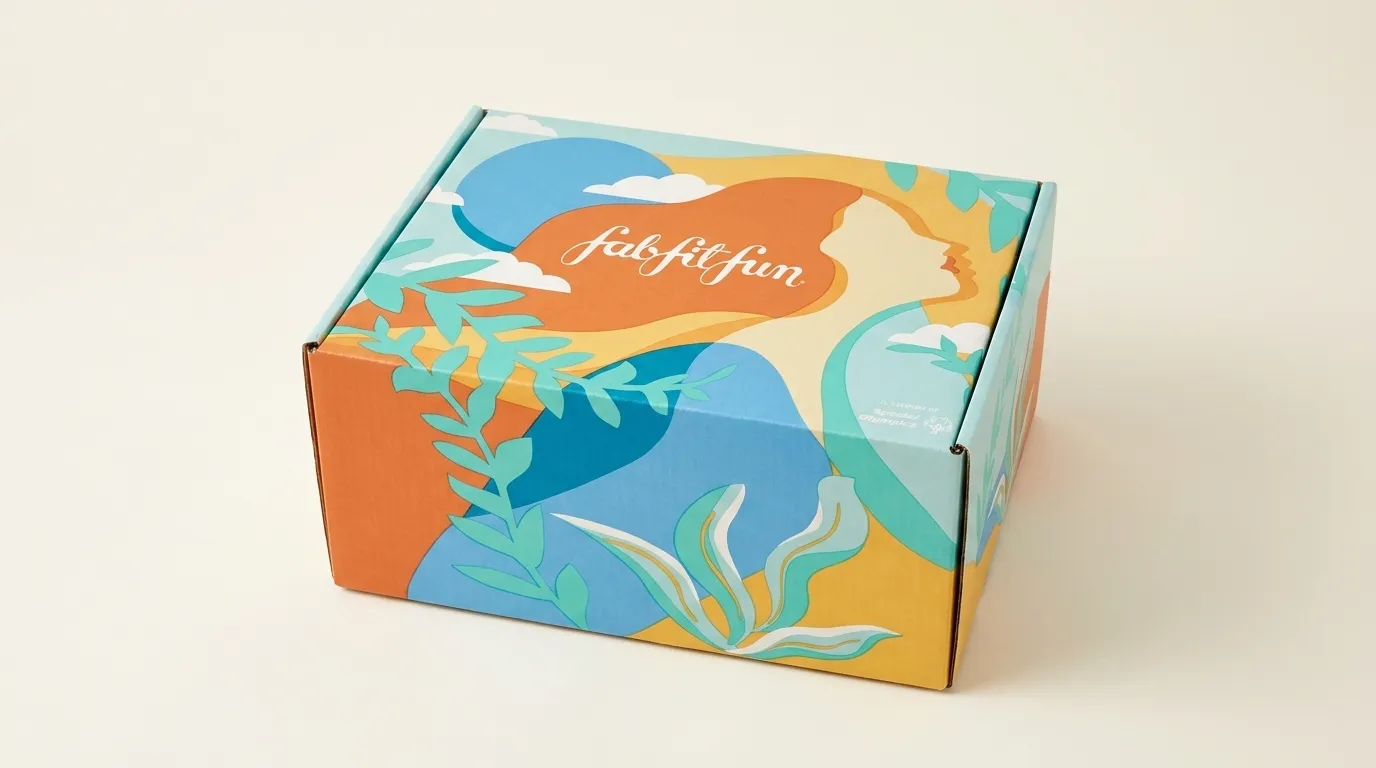
Landing page reference
The closed view establishes the broad lid, front depth, side panels, locking corners, and full exterior artwork area buyers should approve before recurring production.
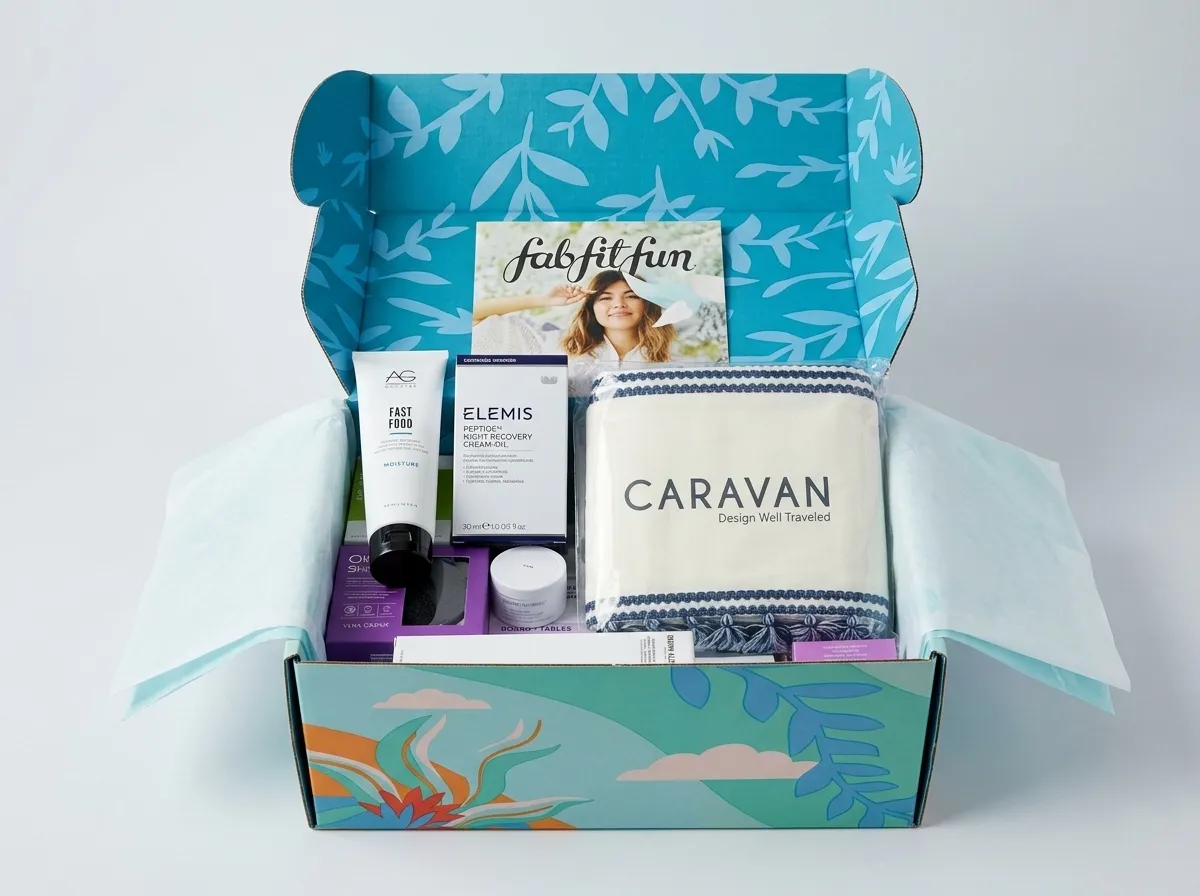
Structure reference
The open view shows the hinged lid, rounded side wings, folded tray walls, tissue, and mixed product arrangement. It is a reference pack-out, not a fixed insert specification.
This close view helps buyers review color transitions, registration near scores, exposed corrugated edges, corner alignment, and possible rubbing at the locking area.
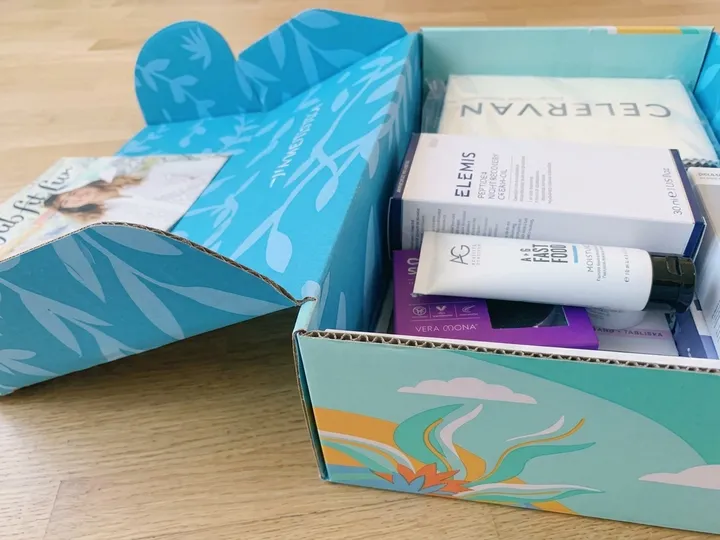
The supported angle isolates the visible corrugated edge, side wing, front wall, and lid transition that should be checked for closing force and repeated-opening wear.
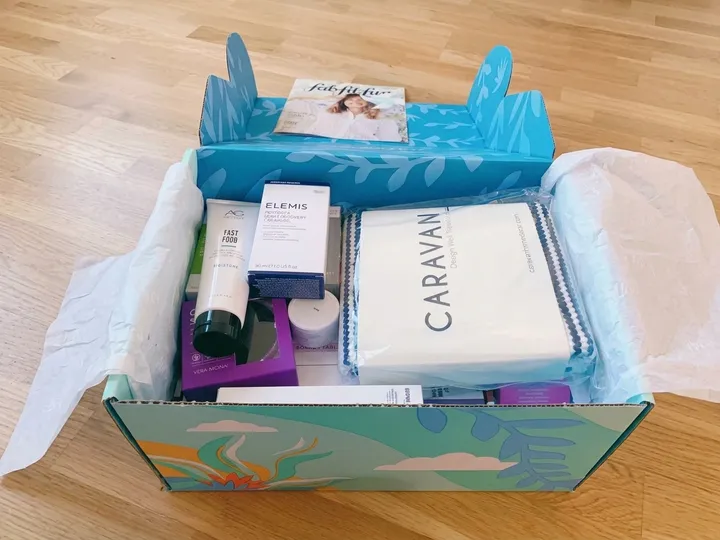
The varied pack-out demonstrates why the smallest and largest planned monthly assortments should both be tested for movement, tissue allowance, lid clearance, removal, and packing speed.
Customization options
Compare the flute, detailed print route, direct-print alternative, surface protection, and optional corrugated support after the real product range and shipping route are known.
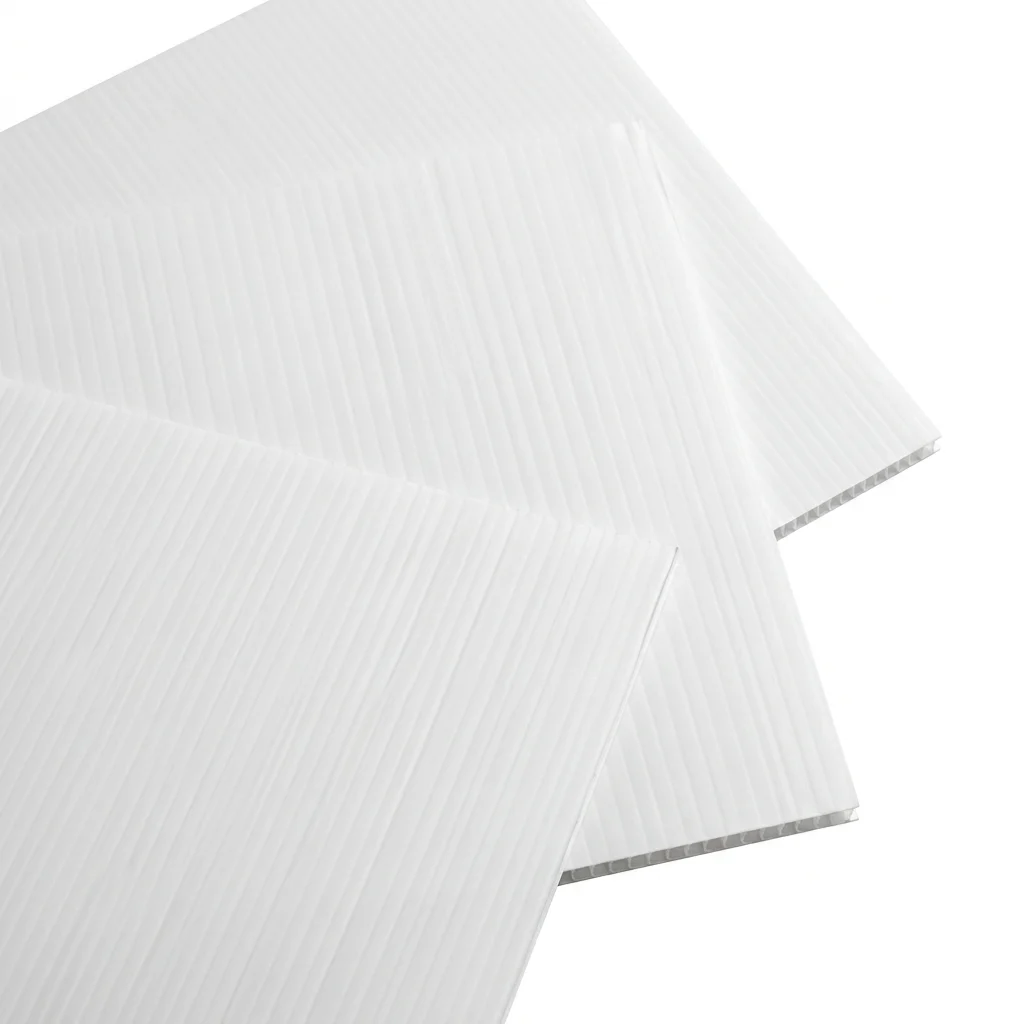
Material / Corrugated
Thin corrugated profile for retail mailers, display boxes, and cleaner graphics.
Review this option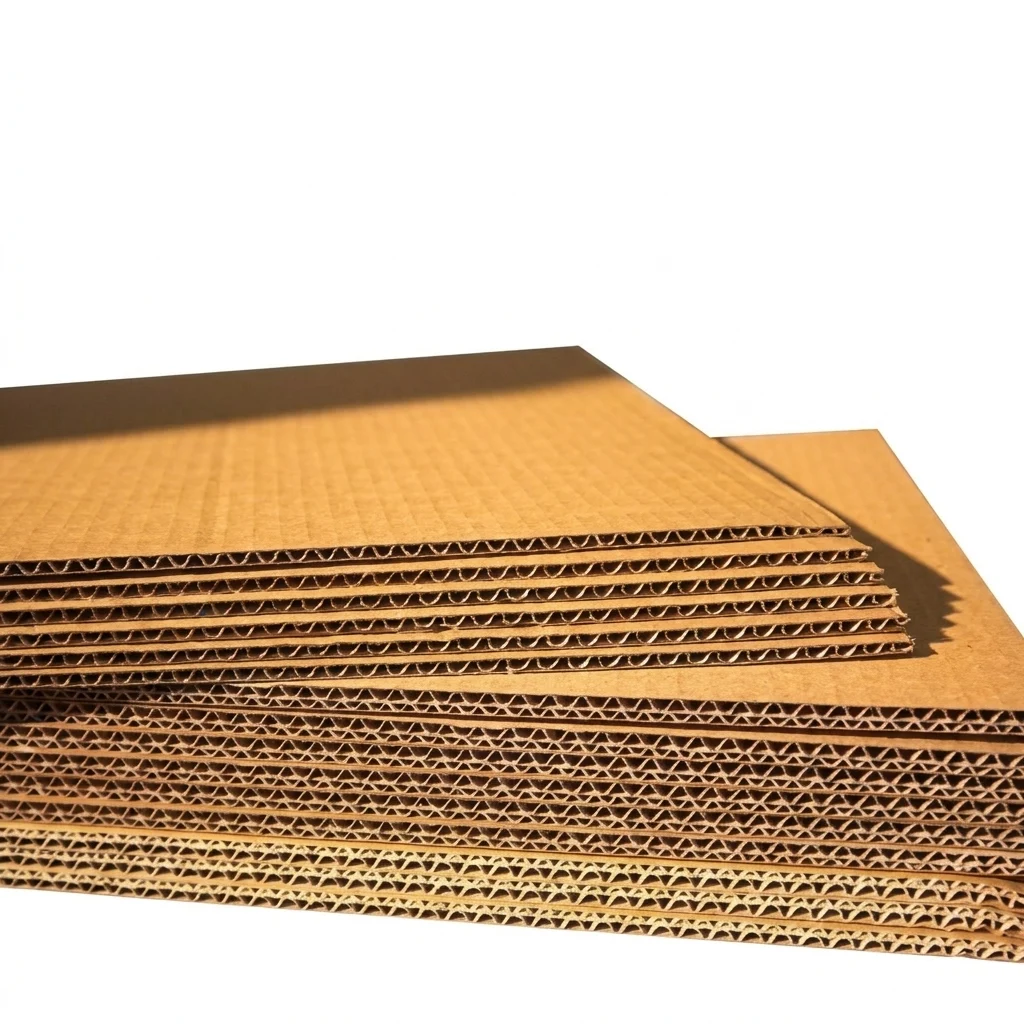
Material / Corrugated
Stronger flute choice for protective shipping boxes and heavier carton builds.
Review this option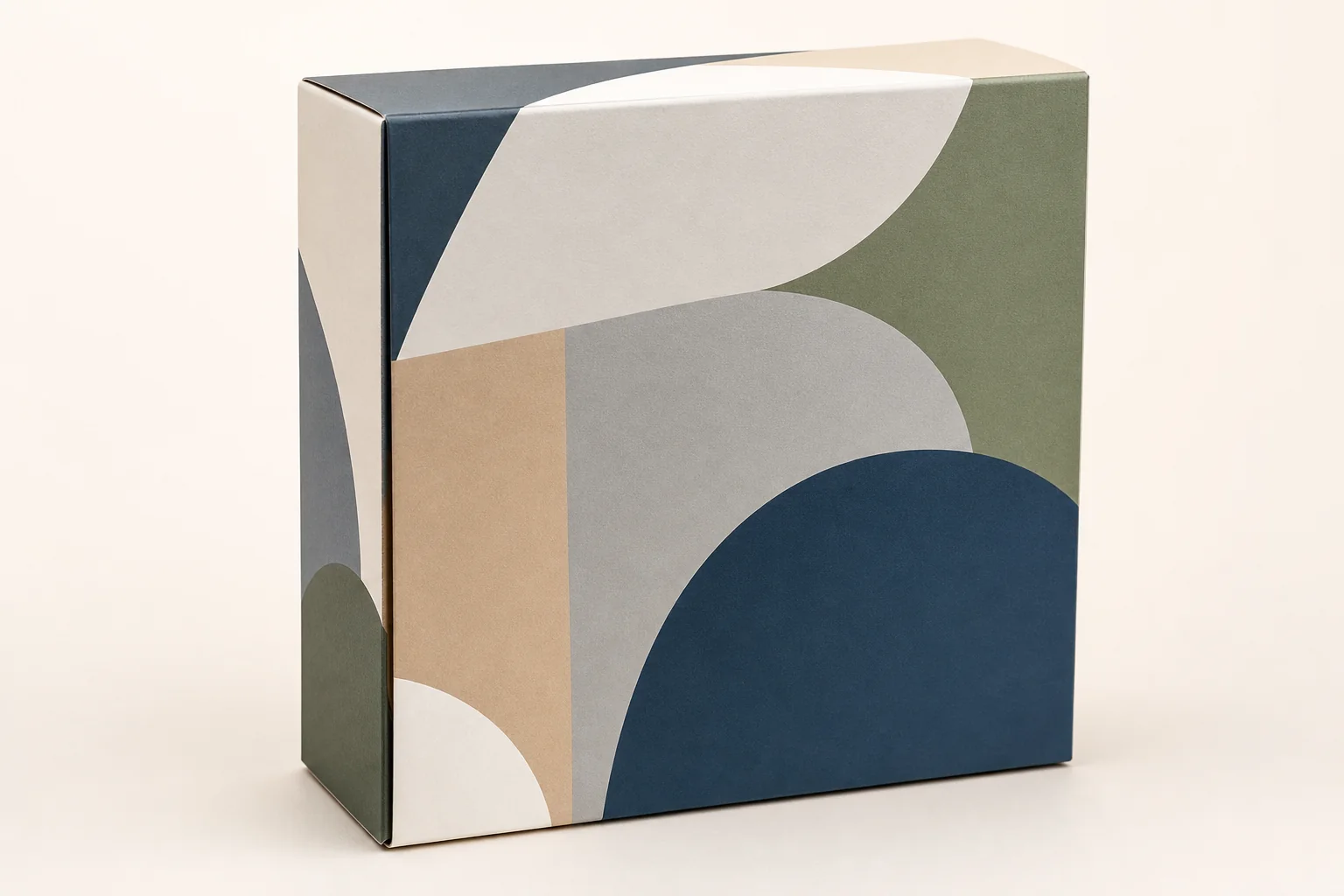
Printing / Print Method
Printed sheet laminated to corrugated board when mailers or displays need sharper retail graphics.
Review this option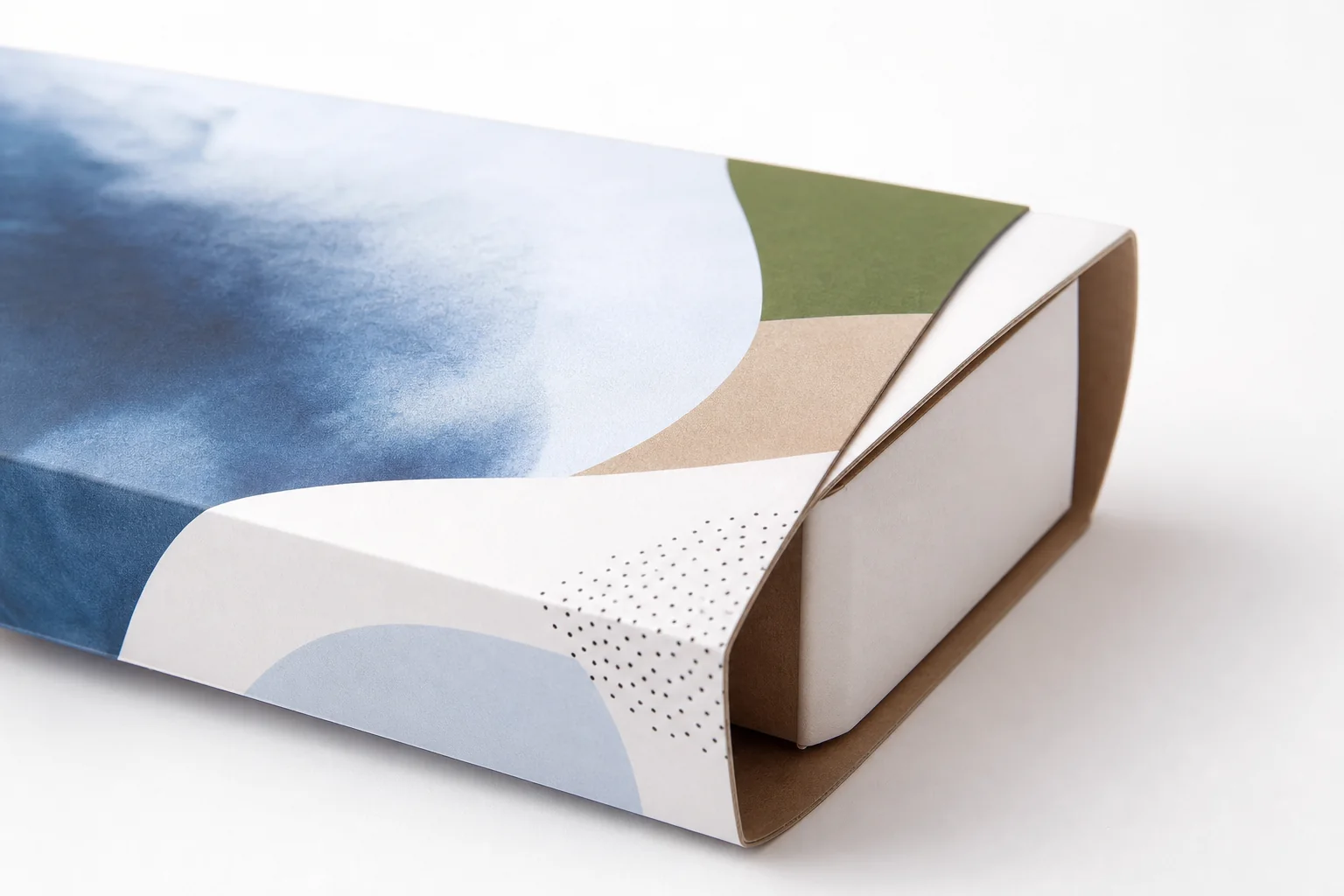
Printing / Print Method
Short-run print path for samples, seasonal artwork, pilot launches, and low MOQs.
Review this option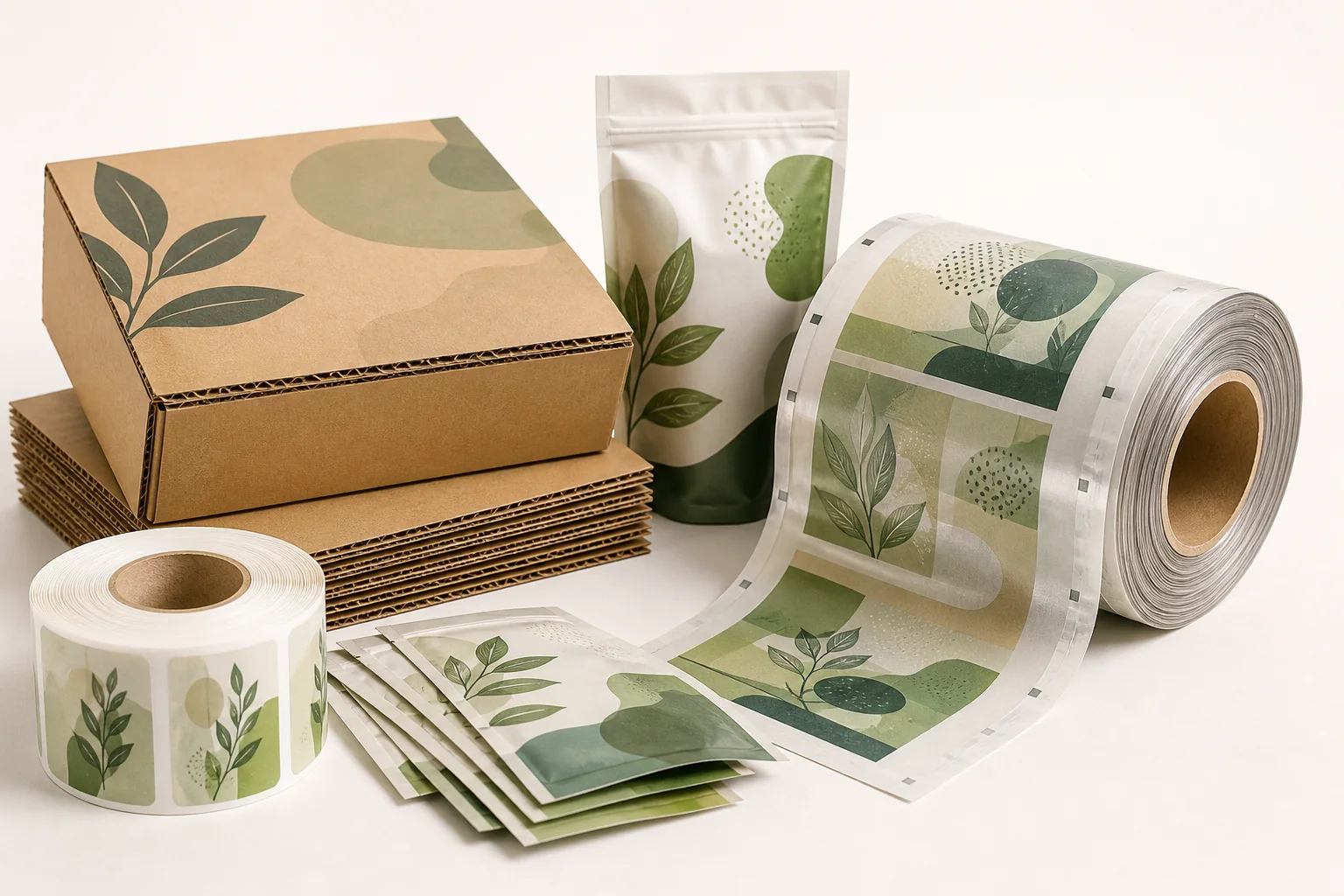
Printing / Print Method
Production print route commonly used for corrugated board, kraft mailers, and flexible packaging films.
Review this option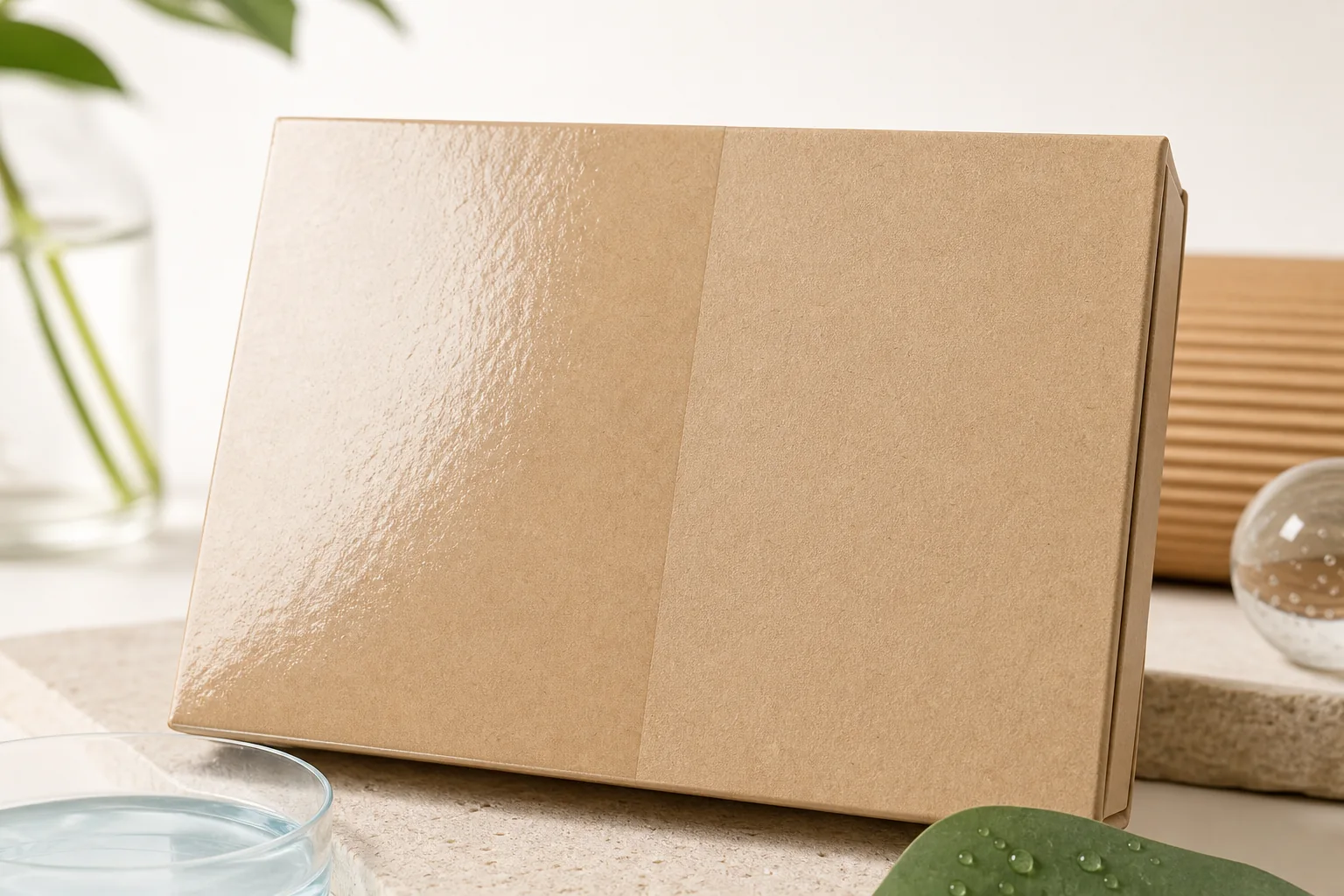
Finishing / Surface
Water-based protective coating for everyday cartons and printed paper surfaces.
Review this option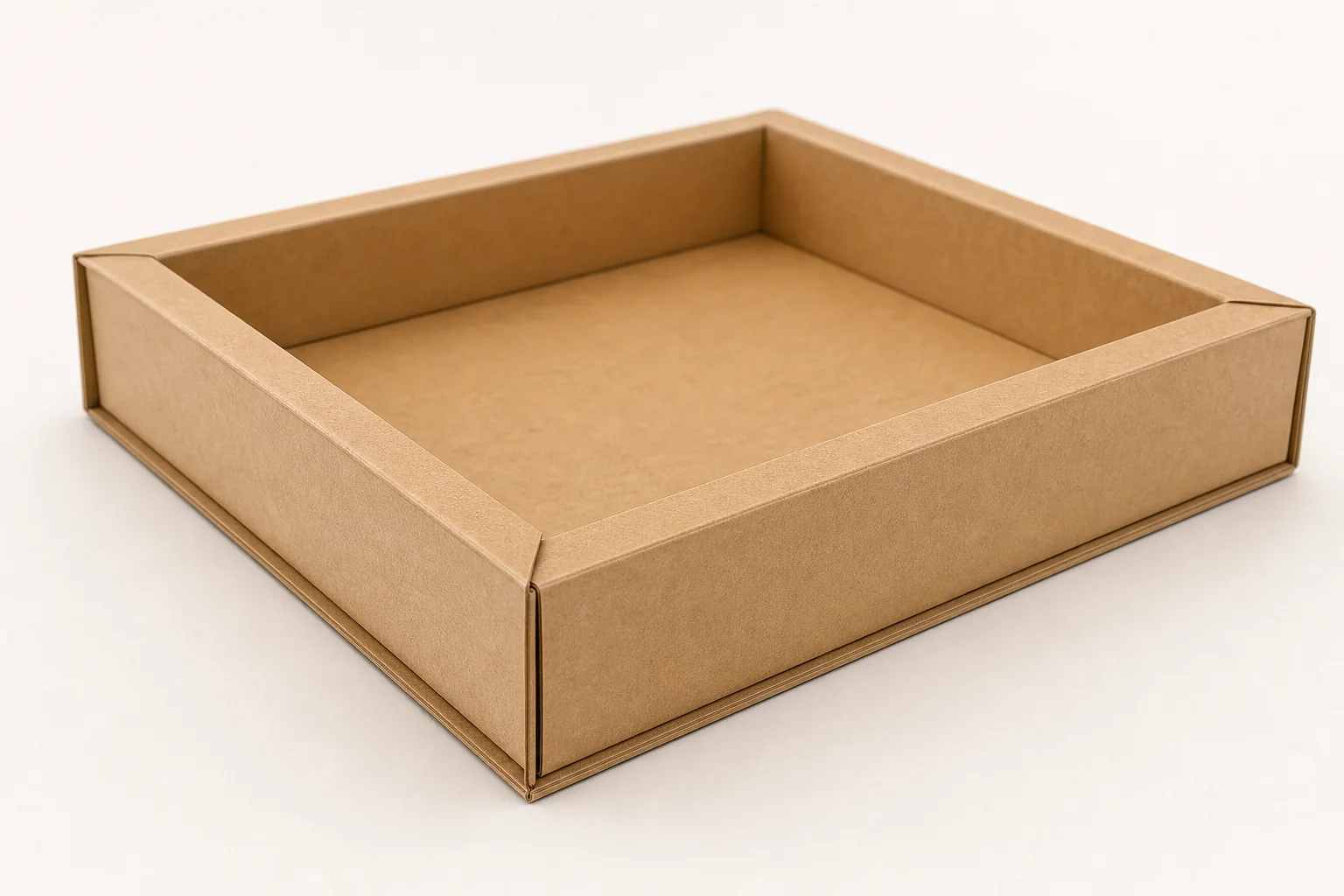
Inserts / Accessories & Linings
Custom-cut corrugated support for heavier products, kits, and ecommerce protection.
Review this optionPrint and finish route
The illustrated design uses broad color coverage across the lid, front, sides, and interior, so proofing must address registration, fold behavior, rubbing, liner alignment, and repeat color from one monthly run to the next.
A litho-laminated print route can carry the layered illustration and broad color areas across visible panels.
Approve the physical color target, sheet-to-board registration, score clearance, corner alignment, rubbing, and batch consistency.
The blue interior extends the reveal across the inner lid, side wings, and tray walls without requiring a separate rigid presentation box.
Check inside color, English copy, glue areas, liner bond, fold cracking, ink transfer, and tissue contact on a converted sample.
Aqueous coating or another approved surface route may help manage scuffing while preserving the intended color and paper feel.
Compare rub resistance, sheen, fold performance, label adhesion, recyclability goals, and total cost before specification.
Artwork element
Production route
Effect on this box
Proofing check
Lid and front illustration
Offset CMYK litho lamination or approved equivalent
Detailed recurring brand artwork across the largest visible panels.
Keep faces, logos, fine copy, and color boundaries clear of scores, locking cuts, labels, and rub-prone corners.
Blue interior artwork
Printed inner liner or direct-print route confirmed by proof
Creates a coordinated opening reveal around the product assortment.
Approve color, copy orientation, liner alignment, bubbles, edge registration, fold cracking, and ink transfer.
Mailer scores and locking areas
Die cutting, creasing, gluing, and erection trial
Keeps the lid aligned and the folded walls square through packing and closing.
Test closing force, tab wear, score quality, corner compression, repeated opening, and the final shipping closure.
Recurring artwork versions
Controlled file naming, proof approval, and production release
Separates evergreen box artwork from monthly cards, labels, or campaign versions.
Confirm version count, quantities, approval owners, obsolete-stock risk, and the release calendar.
Specification summary
The visible form and artwork direction are established. Final dimensions, flute, liner weights, print process, surface route, packing support, closure, volume, and performance remain subject to sample approval.
Packaging type
Custom monthly subscription boxes for recurring DTC assortments, beauty and wellness programs, curated kits, refills, and changing product drops
Structure
One-piece corrugated mailer with hinged lid, rounded side wings, folded tray walls, and front locking panel as visibly shown
Board baseline
A visible corrugated board construction; the exact flute, liner weights, caliper, compression target, and packed performance require physical sampling
Artwork direction
Full-coverage multicolor exterior artwork with a contrasting blue printed interior and English brand copy
Print route
Litho-laminated offset print is a plausible route for detailed artwork; digital or flexographic alternatives should be compared by quantity and proof standard
Interior packing
Tissue and flexible placement for mixed products; no fixed insert is established by the reference and any divider or support must follow the real assortment
Monthly planning
Size the box against the smallest and largest intended product mixes, then control empty space, movement, packing sequence, and dimensional freight
Approval route
Dieline review, converted color sample, minimum-and-maximum pack-out trials, closure test, and route-specific transit validation
Main price drivers
Finished size, packed weight, board build, print coverage, inside print, artwork changes, insert route, order quantity, packing format, and destination
Buyer decisions
The best specification depends on the SKU range, packed weight, fragility, artwork cadence, fulfillment speed, storage, dimensional freight, and delivery route—not on the closed-box appearance alone.
Smallest monthly assortment
Largest monthly assortment
Every product dimension
Minimum and maximum packed weight
Artwork and version calendar
Tissue or insert plan
Monthly order volume
Delivery destination
E-flute mailer baseline
A relatively compact printed box for lighter mixed assortments
Final board build and transit strength require packed-route testing
B-flute or reinforced route
Heavier assortments or added stacking protection
Increases caliper, storage volume, print transition, and dimensional freight
Litho-laminated CMYK
Detailed artwork and controlled full-color presentation
Adds mounting, registration, proofing, and setup considerations
Direct digital or flexographic print
Trials, simpler graphics, or selected production volumes
Color, detail, coverage, and economics differ from litho lamination
Also suitable for
Proof before mass production
Minimum and maximum fit samples: Compare movement, tissue use, empty space, product contact, lid clearance, removal, closing, and packing time at both extremes.
Converted color proof: Checks outer and inner color, detail, registration, liner bond, score cracking, edge alignment, rubbing, and the approved English artwork.
Packed transit trial: Checks the selected closure, labels, corners, compression, drops, vibration, scuffing, product movement, and arrival condition on the intended route.
Sampling and production path
Treat the products, tissue or supports, board, artwork versions, packing workflow, and carrier route as one recurring system with documented approval points.
1
List dimensions, weights, fragility, packing order, and quantities for the smallest and largest expected monthly product mixes.
2
Test internal dimensions, flute route, empty-space control, tissue, pads, or modular supports using the real products.
3
Approve color targets, detail, version copy, liner alignment, scores, corners, and rubbing on a production-representative converted sample.
4
Time erection and packing, then test closing, labels, stacking, handling, the intended parcel route, and the customer removal sequence.
5
Confirm dieline, board, print files, version schedule, proof owner, packing standard, quantities, master cartons, destination, and reorder process.
Structure reference
Use the corrugated mailer as the structural baseline, then validate board grade, closing force, packed protection, artwork durability, dimensional freight, packing speed, and repeat production.
The hinged corrugated box combines broad printable surfaces and an opening presentation without adding a separate rigid gift box around the assortment.
The open tray can accommodate changing products with tissue, pads, dividers, or modular supports after minimum and maximum pack-outs are measured.
A controlled dieline, artwork system, packing standard, and test plan can support recurring drops while cards, labels, or selected graphics change by month.
Structure baseline
One-piece corrugated mailer with hinged lid, rounded side wings, folded walls, and front locking panel based on the visible reference.
Print direction
Detailed full-color exterior artwork with a contrasting blue interior; the production print and coating routes remain subject to proof comparison.
Pack-out direction
Flexible tissue pack-out for a mixed assortment, with optional pads, dividers, or corrugated supports only after the real SKU range is tested.
Quote inputs
Minimum and maximum assortments, every product size and weight, artwork versions, inside print, support plan, monthly volume, route, tests, and destination.
Details to prepare for factory review
Smallest monthly assortment
Largest monthly assortment
Every product dimension
Minimum and maximum packed weight
Artwork and version calendar
Tissue or insert plan
Monthly order volume
Delivery destination
Production FAQ
The reference uses a one-piece corrugated mailer with a hinged lid, rounded side wings, folded tray walls, and a front locking panel. Final tabs, scores, tolerances, and delivery condition should be confirmed on the converter dieline and assembled sample.
Share the smallest and largest planned assortments, product dimensions, weights, fragility, and packing order. The box can then be tested with tissue, pads, dividers, or modular corrugated supports instead of locking the program to one unverified insert.
Litho lamination is a practical route when detailed full-color graphics and cleaner retail-style reproduction matter. Digital printing may suit samples or artwork trials, while flexographic printing may suit simpler artwork and production volumes. Compare proofs and total cost before choosing.
Yes. The reference uses a contrasting printed interior. Approve inside color, copy, liner alignment, fold cracking, rubbing, and whether the ink or mounted sheet changes the board performance before bulk production.
Not necessarily. The reference shows tissue and a mixed product arrangement without a proven fixed insert. Fragile, heavy, or consistently positioned products may benefit from dividers or fitted corrugated supports after the real SKU range is tested.
Build at least a minimum-fill and maximum-fill pack-out using production-equivalent samples. Check movement, stacking, tissue allowance, lid clearance, removal, packing time, closing force, labels, and arrival condition on the intended delivery route.
It can, but recurring artwork versions affect proofing, setup, inventory, and unit cost. Many programs keep the outer box consistent and change cards, tissue, labels, or selected panels. Share the release calendar so tooling and artwork controls can be planned.
Send the internal size target or complete SKU dimensions, minimum and maximum pack-outs, packed weight, artwork, inside-print requirement, insert or tissue plan, monthly volume, version count, delivery destination, and carrier or transit-test requirements.
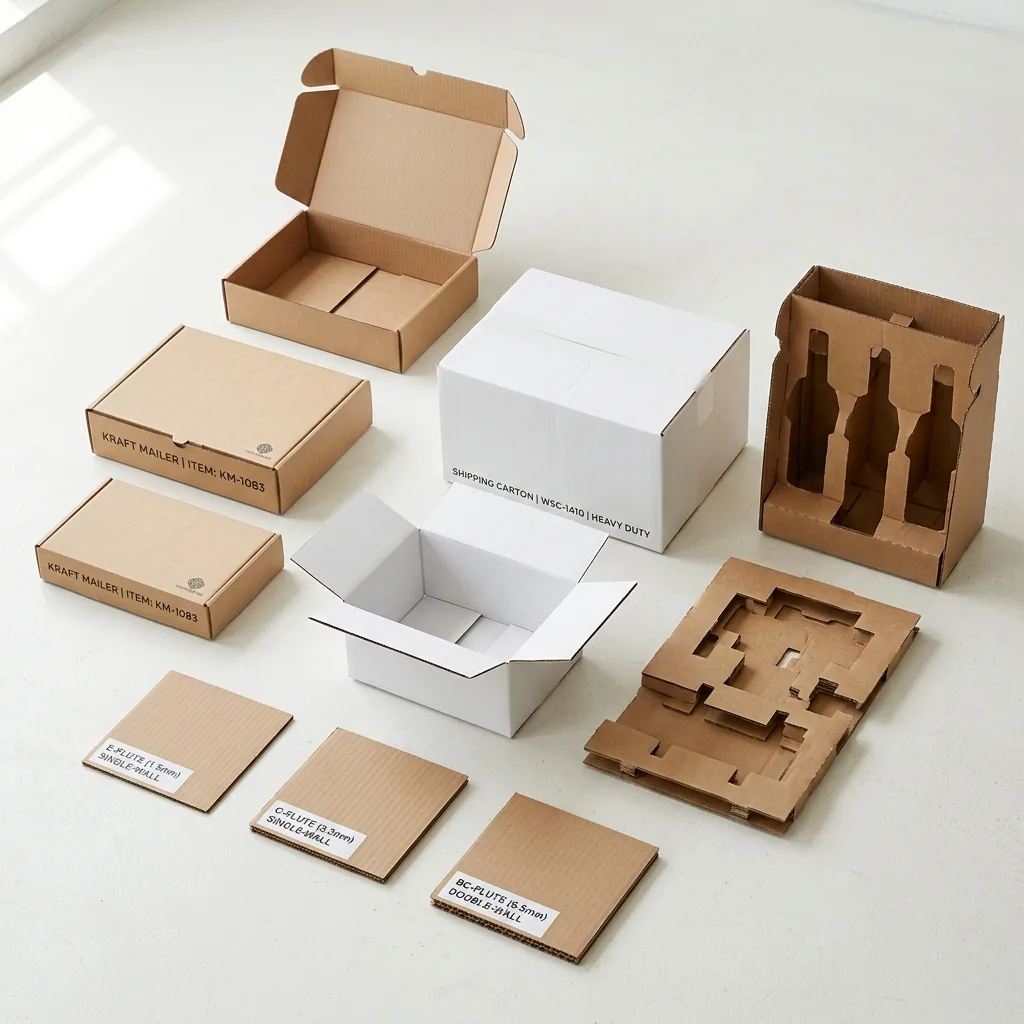 Corrugated Boxes Choose the corrugated box route by shipping risk, product weight, print needs, insert fit, and the opening experience your customer should receive.
 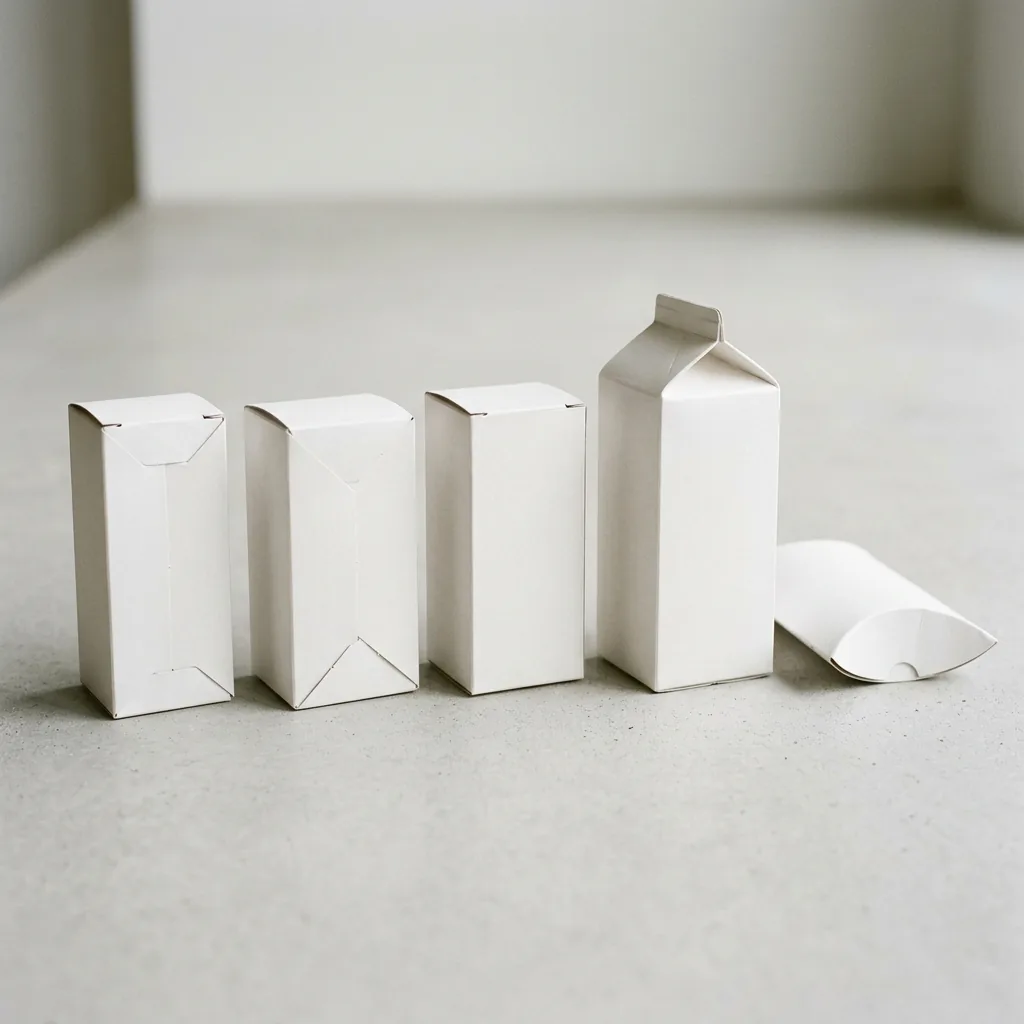 Folding Cartons Compare paperboard carton styles by structure, product fit, material, print area, and production use before choosing a quote-ready packaging path.
 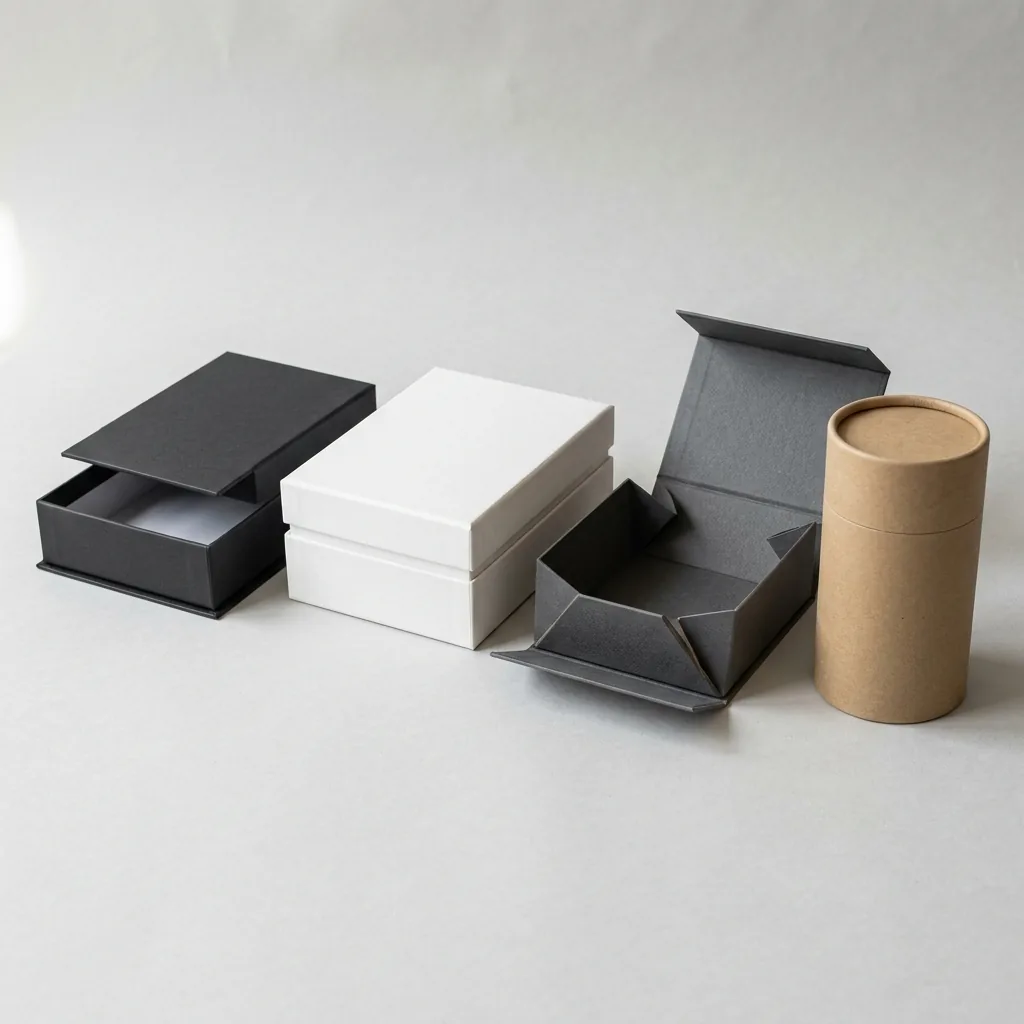 Rigid Boxes Choose rigid boxes when the packaging needs a stronger gift-box feel, durable presentation, premium surface finishing, and a more controlled opening experience.
  Flexible Pouches Use custom pouches when the packaging needs to stay light, portable, resealable, shelf-friendly, or efficient for food, refills, masks, samples, and pet products.
 Product structures
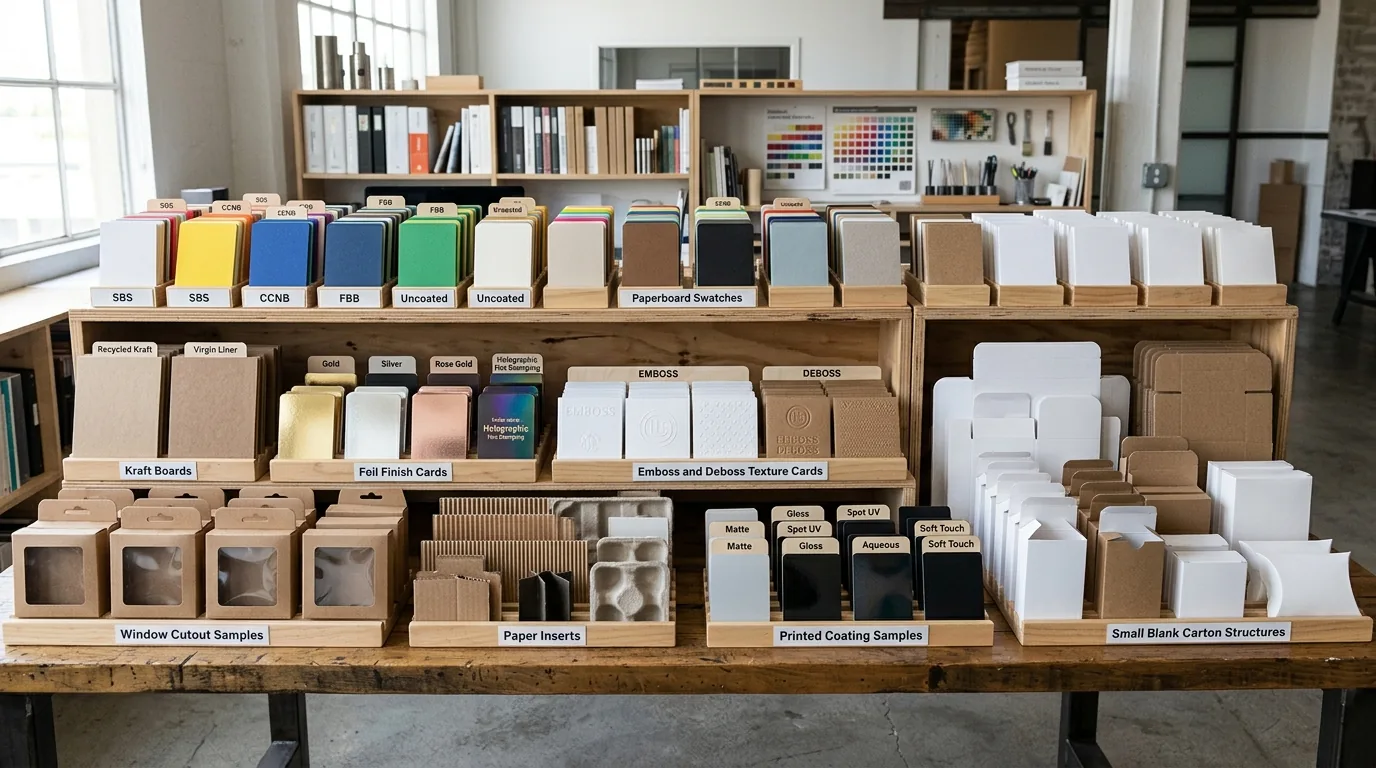
Option Library
Browse materials, print methods, finishes, inserts, and packaging features before choosing a structure.
Browse all options Cosmetics & Skincare Packaging routes for skincare launches, beauty refill sets, cosmetic retail units, and premium PR kits.
  Food & Beverage Packaging Packaging routes for coffee pods, tea, cookies, confectionery, bakery products, snacks, and gift assortments.
  Apparel & Fashion Mailer, pouch, wrap, and gift-ready packaging directions for fashion and lifestyle products.
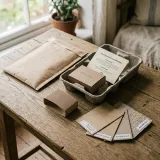
  Subscription Boxes Packaging ideas for recurring kits, campaign boxes, sample programs, and DTC launch testing.
  Eco-Friendly Packaging Paper-based structures, recycled boards, FSC options, and lower-plastic packaging paths.
 Solution paths
Solution paths
Solution paths
Solution paths
Solution paths
Inspiration Library
Get inspired by browsing creative packaging concepts and see how brands from your industry are designing their packaging.
Browse inspiration library Services overview Compare design, customization, production, and eco support before choosing a project route. Packaging Design Turn a product idea into packaging that is ready for sampling, shelf presentation, and production.
 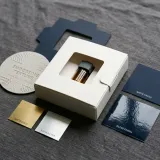 Packaging Customization Dial in every detail, from board choice and finish to window cutouts, inserts, openings, and small functional touches.
 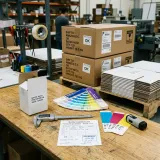 Packaging Production Move from approved sample to reliable production with global sourcing, low minimums, and pricing built for growing brands.
 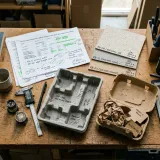 Eco Support Build packaging with clearer sustainability choices, including FSC paper, recycled board, soy-based ink, and plastic-reduction options.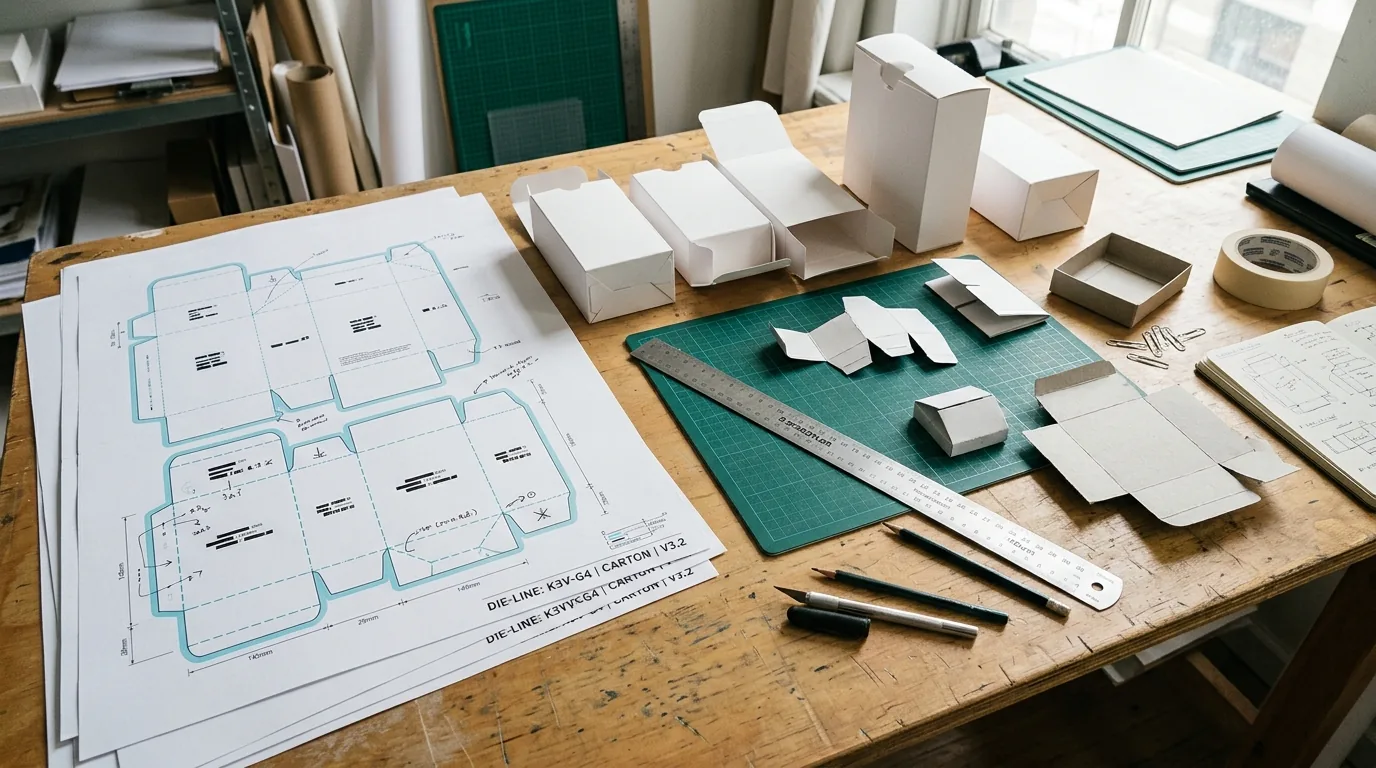
Download 2000+ Templates & Dielines
2000+ customizable packaging templates and dielines, with 3D mockups. 100% customizable. 100% downloadable.
Learn more BLOG Read packaging ideas, buyer guides, and material explainers for custom projects.
  Case Studies Review detailed packaging structures, materials, finishes, fit checks, and production decisions.
  Help Center Find answers for artwork, quotes, samples, production timing, and delivery support. Inspiration Library Browse packaging concepts, industry examples, and launch-ready design directions.
  Terms & Conditions Review project, ordering, production, delivery, and website usage terms.
  Privacy Policy See how customer details, quote inquiries, and project information are handled.
Help Center
Get practical answers before you request a quote, from artwork files and sampling steps to production timing, shipping notes, and packaging project details.
Visit help center About YATBRAND Learn how we support custom packaging projects from planning to production.
  Contact Us Share product details, quantities, timelines, and custom packaging goals. Request a quote Send size, quantity, material, artwork, and timeline details for a quote-ready review.
  Our Approach See how packaging guidance, samples, production control, and delivery details work together. Quality & Production Review how sampling, production, inspection, and delivery support fit together.
YATBRAND LLC
Custom packaging support for brands that need structure guidance, material options, sampling, quality review, and delivery coordination.
Learn about YATBRAND
Packaging specialist
Ask about structure, materials, samples, or quote details.