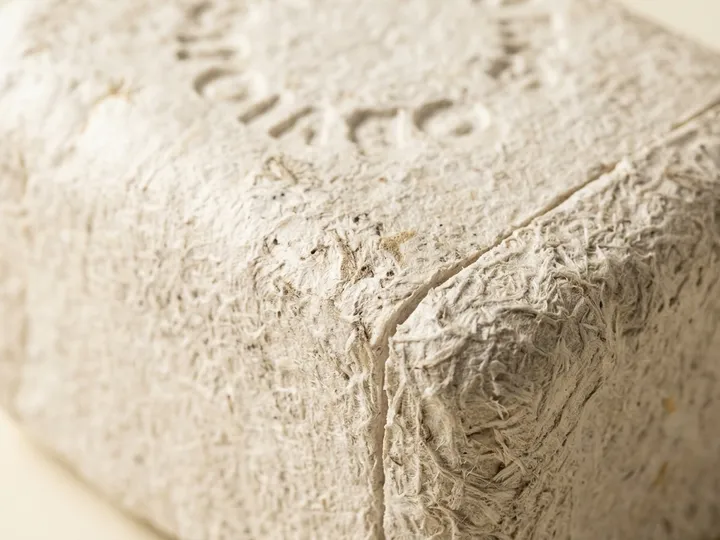
Natural fiber surface
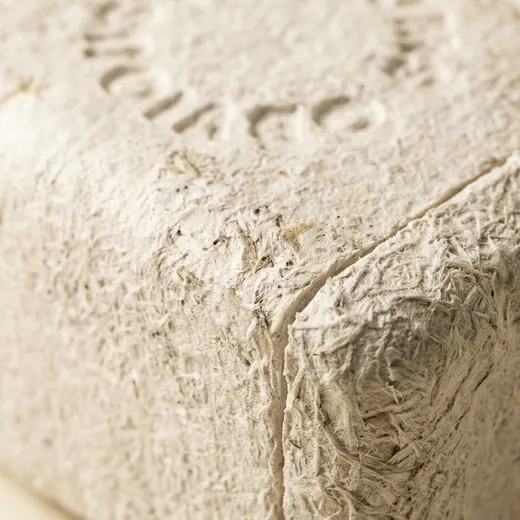
Approve acceptable fiber visibility, edge definition, color range, and surface variation on a grown sample.
Zero wasted space. Save 20% on shipping.
Custom sizing. No die or setup fees.
Skip DIY. Free expert design support.
Mushroom packaging solution
A two-piece molded mycelium pack grown around agricultural fibers, shaped to cushion perfume, candles, and other fragile products while giving brands a naturally textured alternative to plastic foam.
Structure
Molded cover and fitted base support
Material route
Mycelium grown through agricultural fiber feedstock
Branding
Molded-in relief, optional water-based print, and kraft sleeve
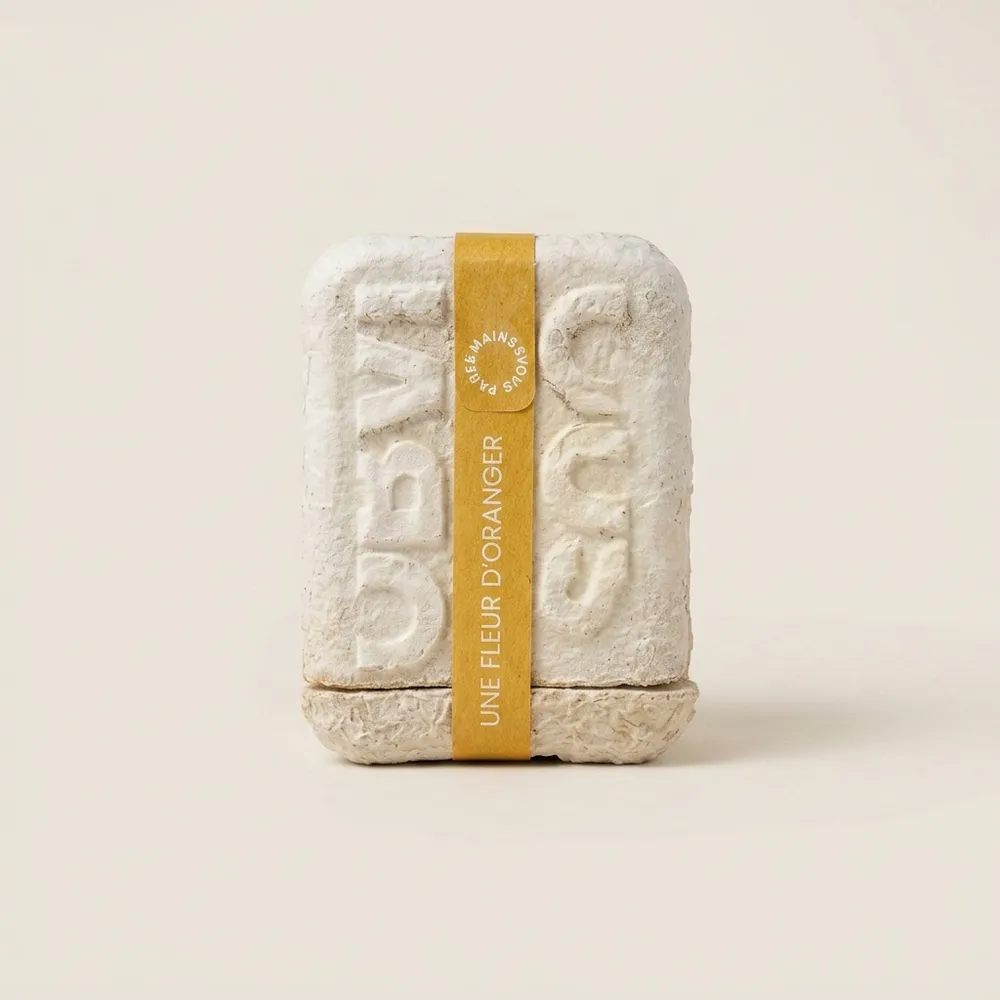
Visual proof points
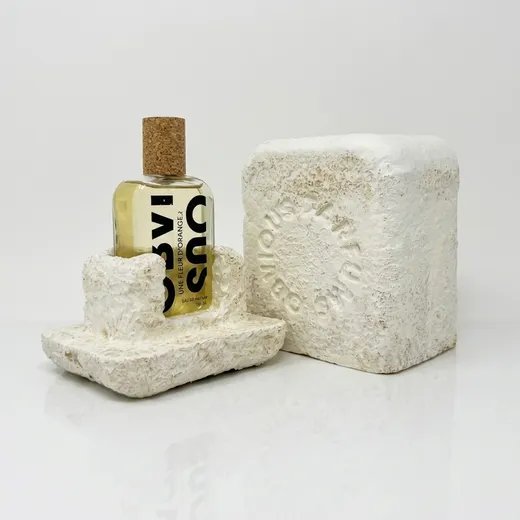
These views show the two-piece shell, fitted perfume support, fibrous surface, molded lettering, and kraft sleeve that buyers should review before tooling and material approval.
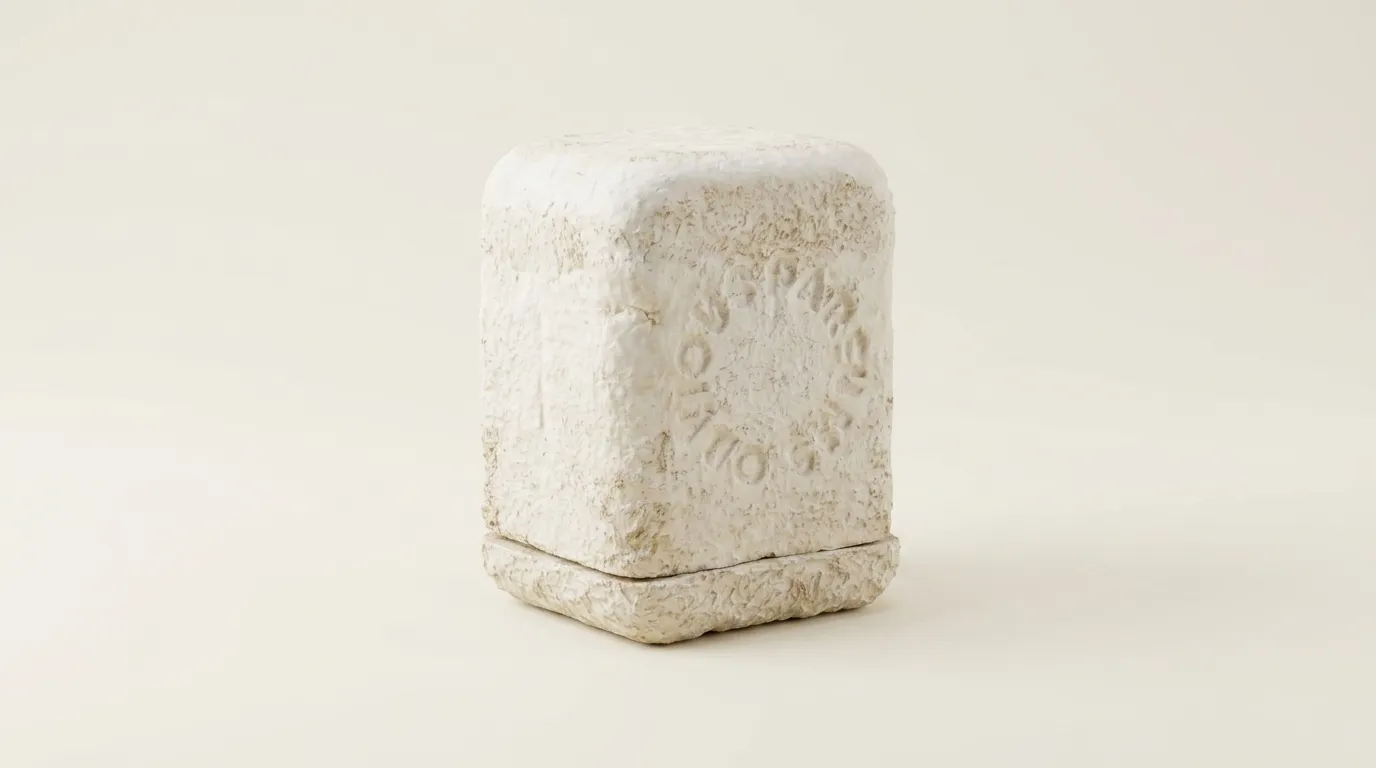
Landing page reference
Review the cover-to-base alignment, rounded corners, wall depth, and natural color variation.
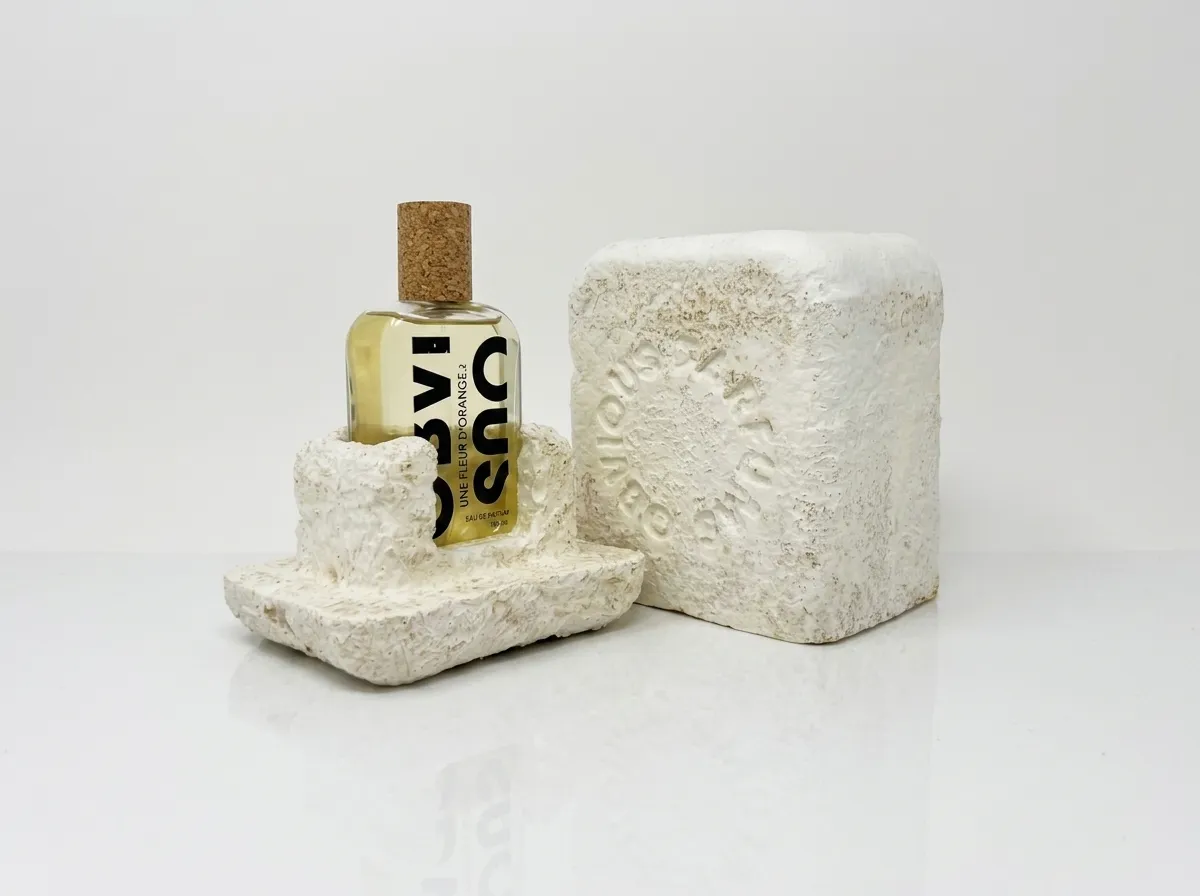
Structure reference
The open view proves the separate cover and shaped base; the final cavity must follow the supplied product sample.
Approve acceptable fiber visibility, edge definition, color range, and surface variation on a grown sample.
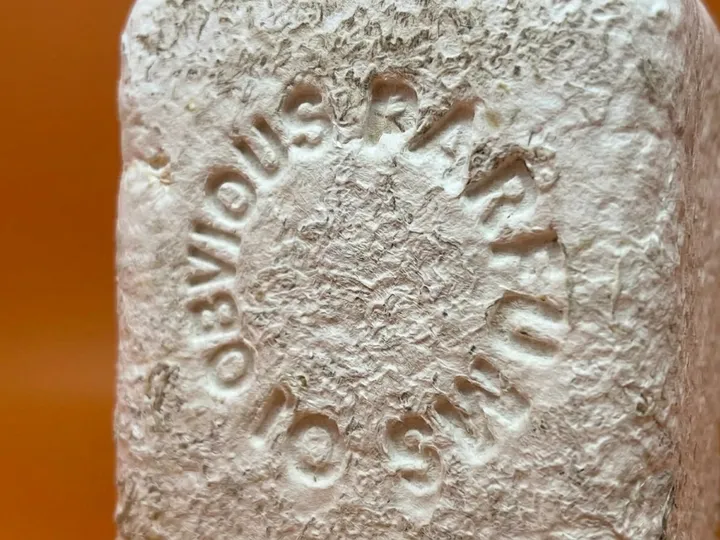
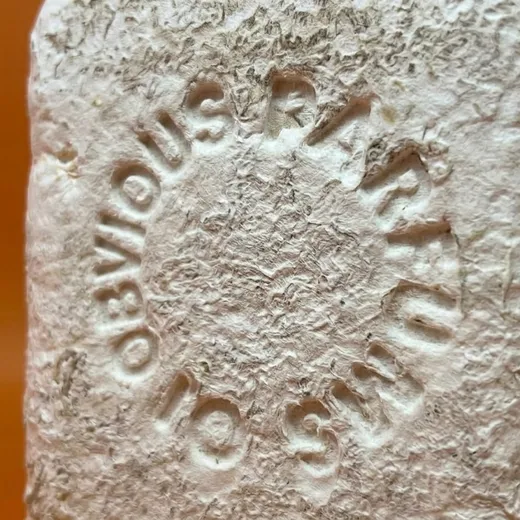
Relief lettering can reduce secondary decoration, but depth and legibility need a tool sample.
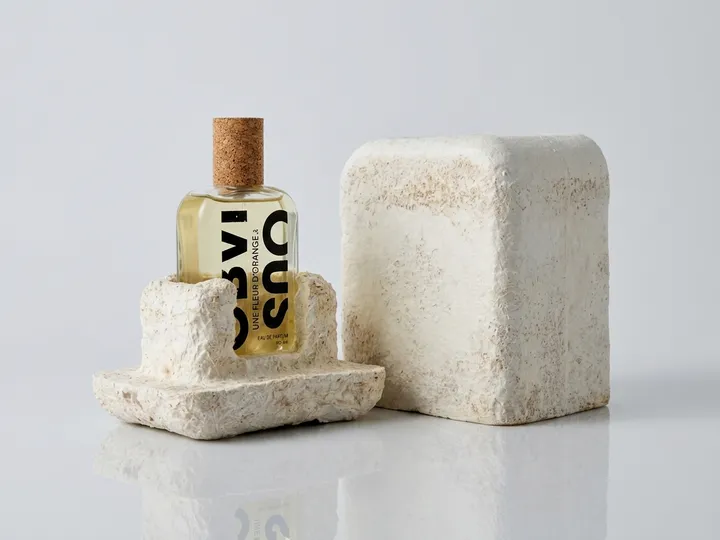
Test bottle retention, cap clearance, removal access, and movement with the filled production bottle.
Customization options
The option library below provides the closest comparable fiber, relief, ink, and paper-sleeve routes; the final mycelium blend and tooling require a dedicated sample.
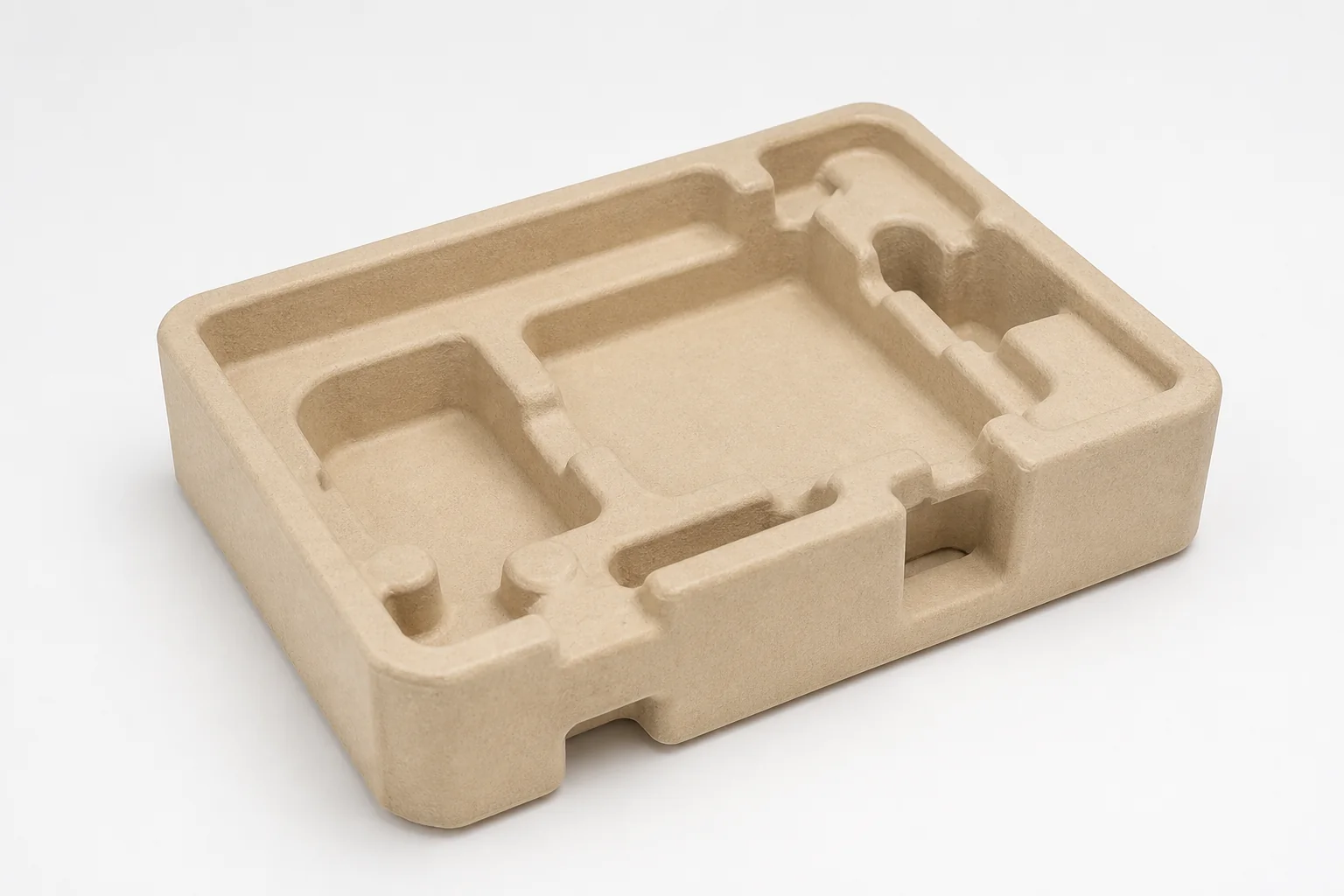
Inserts / Accessories & Linings
Paper pulp tray for eco-led protective packaging and egg-tray style product support.
Review this option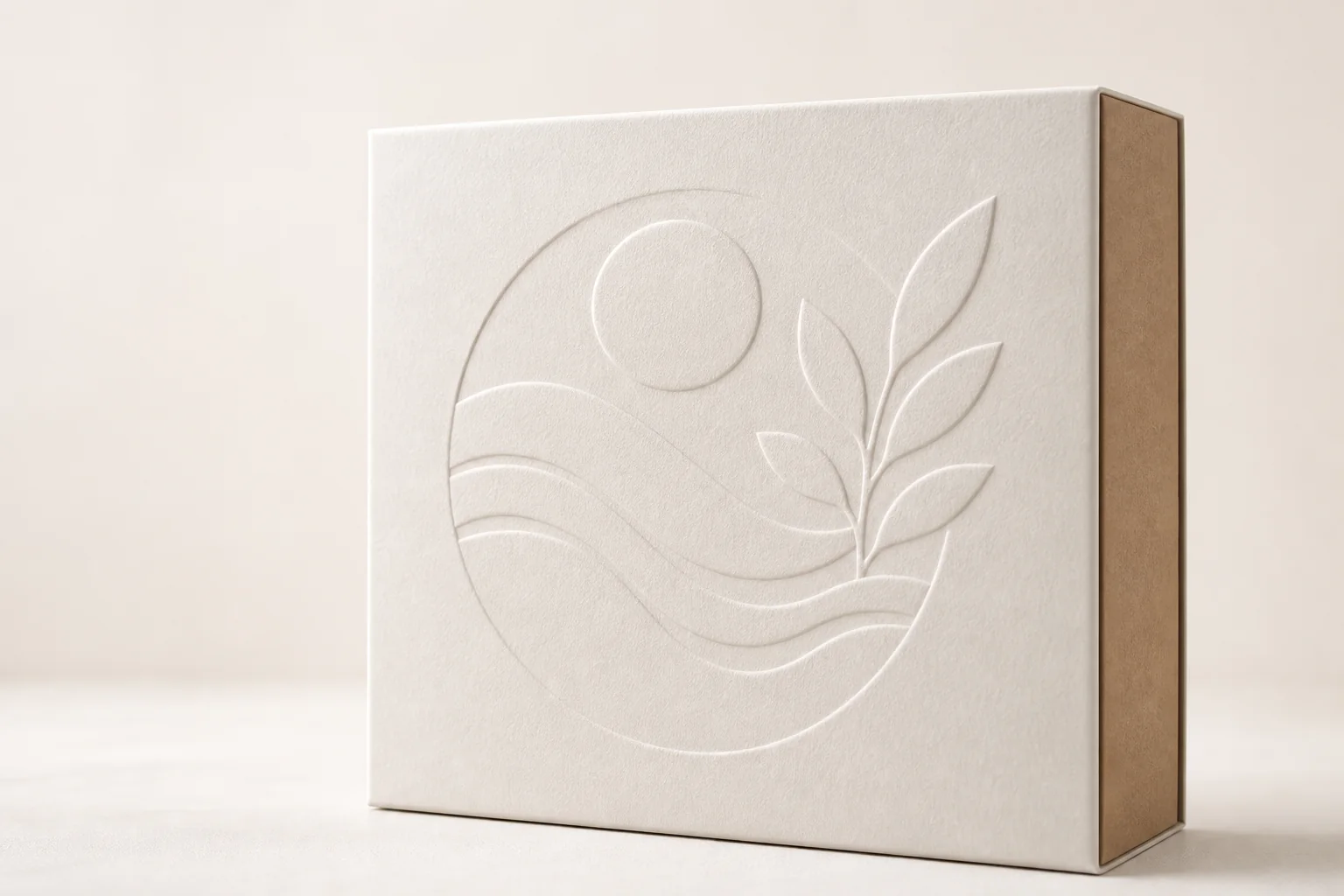
Finishing / Visual
Raised detail that adds tactile emphasis to logos or decorative artwork.
Review this option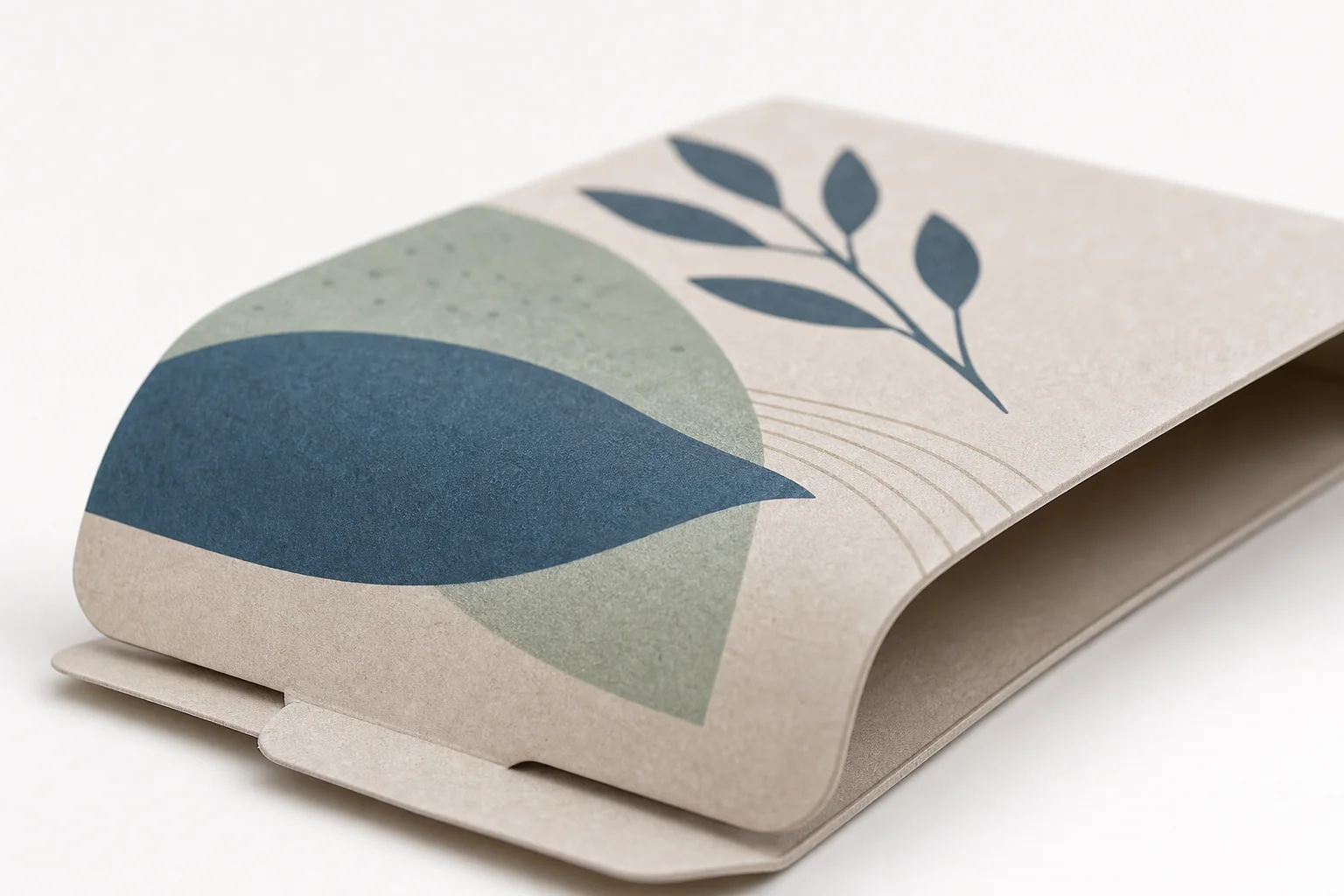
Printing / Ink System
Water-based ink system for packaging programs that prioritize cleaner print chemistry.
Review this option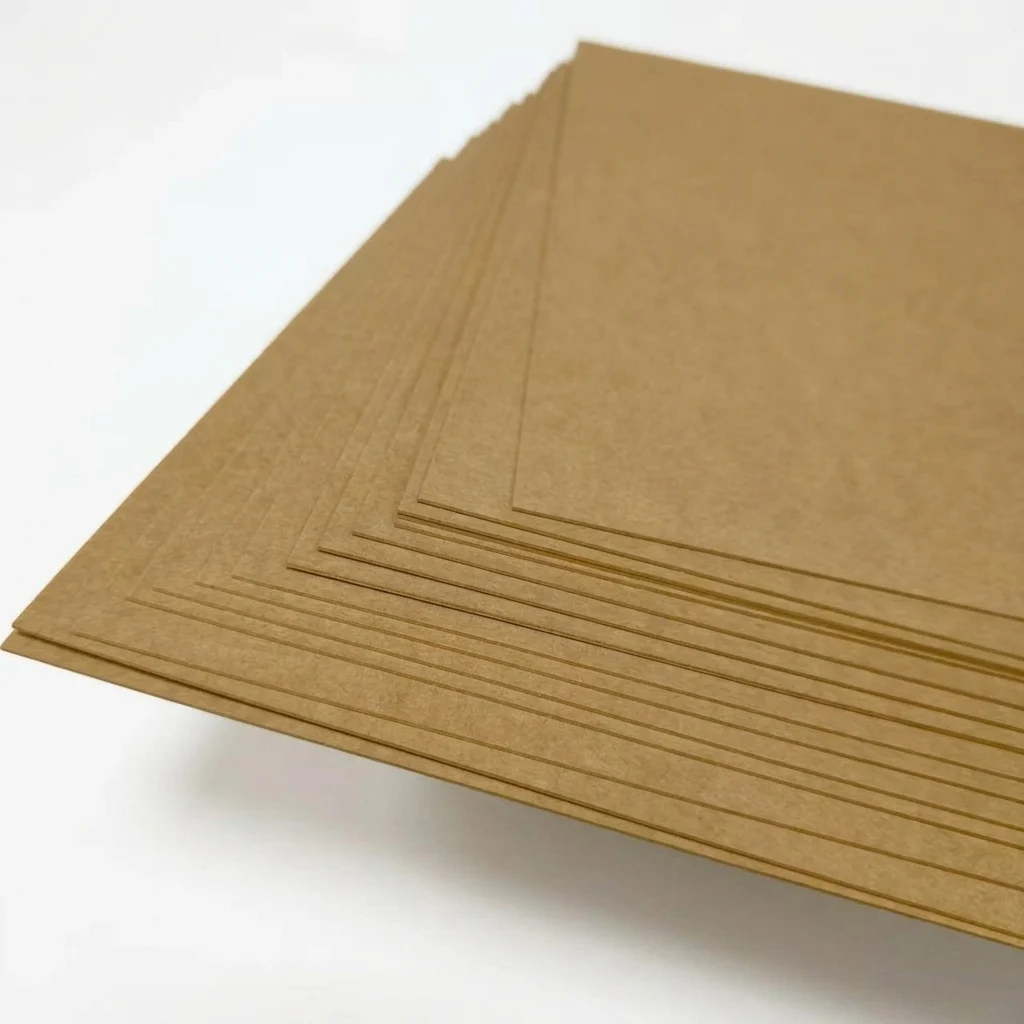
Material / Paperboard
Natural kraft board for earthy, recycled, and practical packaging programs.
Review this optionPrint and finish route
The reference relies on its uncoated grown-fiber texture and molded relief. Keep any color or print treatment light, and avoid film lamination when compostability is a project requirement.
Visible agricultural fibers and organic color variation make each molded part slightly different.
Set an approved range for color, fiber visibility, edge finish, and surface marks.
Branding is formed by the tool instead of being applied as a separate label or film.
Proof letter depth, minimum line width, draft, and readability.
A removable paper band can carry color, ingredients, barcode, or compliance copy.
Confirm sleeve board, ink, adhesive, removal, and disposal instructions separately.
Artwork element
Production route
Effect on this box
Proofing check
Logo or wordmark
Tool-formed relief
Tactile branding integrated into the shell.
Simplify fine artwork and approve relief on the molded sample.
Color accent
Water-based coating or screen print, subject to testing
Adds restrained brand color without covering all natural texture.
Test rub resistance and verify that the coating matches the intended disposal claim.
Product information
Single-color kraft paper sleeve
Keeps dense copy and barcode away from the irregular molded face.
Review ink, adhesive, band tension, and pack-out sequence.
Specification summary
Dimensions and performance cannot be taken from the reference alone; the factory needs the physical product, protection target, market, and claim requirements.
Packaging type
Two-piece molded mycelium protective package with fitted base
Feedstock route
Agricultural residues or plant fibers bound through mycelium growth; blend subject to supplier confirmation
Surface
Uncoated off-white fibrous texture with natural batch variation
Branding
Molded-in relief, optional tested water-based color, screen print, or paper sleeve
Product fit
Custom cavity developed from the real bottle, jar, candle, or fragile product
Best use
Perfume, candles, skincare vessels, electronics, gifts, and protective presentation packs
Avoid
Film lamination when the intended compostability route must remain intact
Quote drivers
Product size, tooling, wall thickness, growth cycle, drying, finish, quantity, and shipping tests
Buyer decisions
Mycelium is not a drop-in paper-pulp substitute. Confirm moisture exposure, surface tolerance, protection target, and disposal evidence before locking artwork claims.
Product dimensions and filled weight
Physical product sample or 3D file
Target quantity and launch market
Drop and compression requirements
Approved logo artwork
Surface color tolerance
Sleeve or print requirement
Required compostability evidence
Natural mycelium + agricultural fiber
Distinctive texture and a grown protective form
Longer development route and visible batch variation
Mycelium shell + kraft sleeve
Barcode, regulatory copy, and controlled color
Adds a removable component and pack-out step
Molded pulp alternative
A smoother, more established fiber-production route
Does not provide the same grown mycelium texture or material story
Also suitable for
Proof before mass production
Grown tool sample: Checks shrinkage, wall consistency, color, texture, and cover-to-base alignment.
Product fit test: Checks retention, removal, clearance, and movement with the real filled product.
Claim documentation: Confirms material composition, applicable test method, disposal conditions, and market wording.
Sampling and production path
Tooling, growth, drying, trimming, and protective testing should be approved as one connected development route.
1
Share dimensions, weight, fragile zones, pack-out orientation, and transit requirements.
2
Develop cover, base, wall thickness, relief artwork, tolerances, and removal access.
3
Evaluate fiber distribution, shrinkage, surface range, odor, dryness, and part alignment.
4
Pack the real product and review retention, vibration, drop, compression, and outer-shipping needs.
5
Approve the material statement, decoration, sleeve, disposal wording, carton packing, and production tolerances.
Structure reference
A molded cover and fitted base combine presentation with product restraint. Our molded-pulp phone-case example is the closest live product page for comparing custom fiber tooling and cavity approval, although its pulp material and hinged construction are different.
The base cavity supports the product directly, reducing the need for a separate foam insert.
The irregular fibrous surface and molded relief provide visual identity before ink or coating is added.
The product seats in the base and the cover closes over it; a paper sleeve can add tamper evidence and information.
Structure baseline
Separate molded cover and fitted base support, developed around one fragile retail product.
Main price drivers
Tooling, part volume, growth and drying time, wall thickness, relief detail, finishing, quantity, and QC tolerance.
Project details needed
Product sample or 3D file, packed weight, artwork, order volume, delivery market, test target, and environmental claim requirements.
Details to prepare for factory review
Product dimensions and filled weight
Physical product sample or 3D file
Target quantity and launch market
Drop and compression requirements
Approved logo artwork
Surface color tolerance
Sleeve or print requirement
Required compostability evidence
Production FAQ
The proposed route uses agricultural residues or other plant fibers as feedstock while fungal mycelium grows through and binds the form. The exact fiber blend and process should be confirmed with the selected supplier.
Do not assume one universal disposal claim. Request evidence for the exact material, coatings, inks, adhesives, test method, and target market before stating home or industrial compostability.
Yes. A simplified logo or wordmark can be designed into the mold as relief. Minimum line width, depth, draft, and readability need approval on a grown tool sample.
It can provide fitted cushioning for suitable products, but the final structure must be tested against product weight, fragile zones, drops, vibration, compression, moisture exposure, and the outer shipping carton.
Send the product dimensions, filled weight, physical sample or 3D file, target quantity, delivery market, artwork, finish direction, test requirements, and the environmental claims your team needs to support.
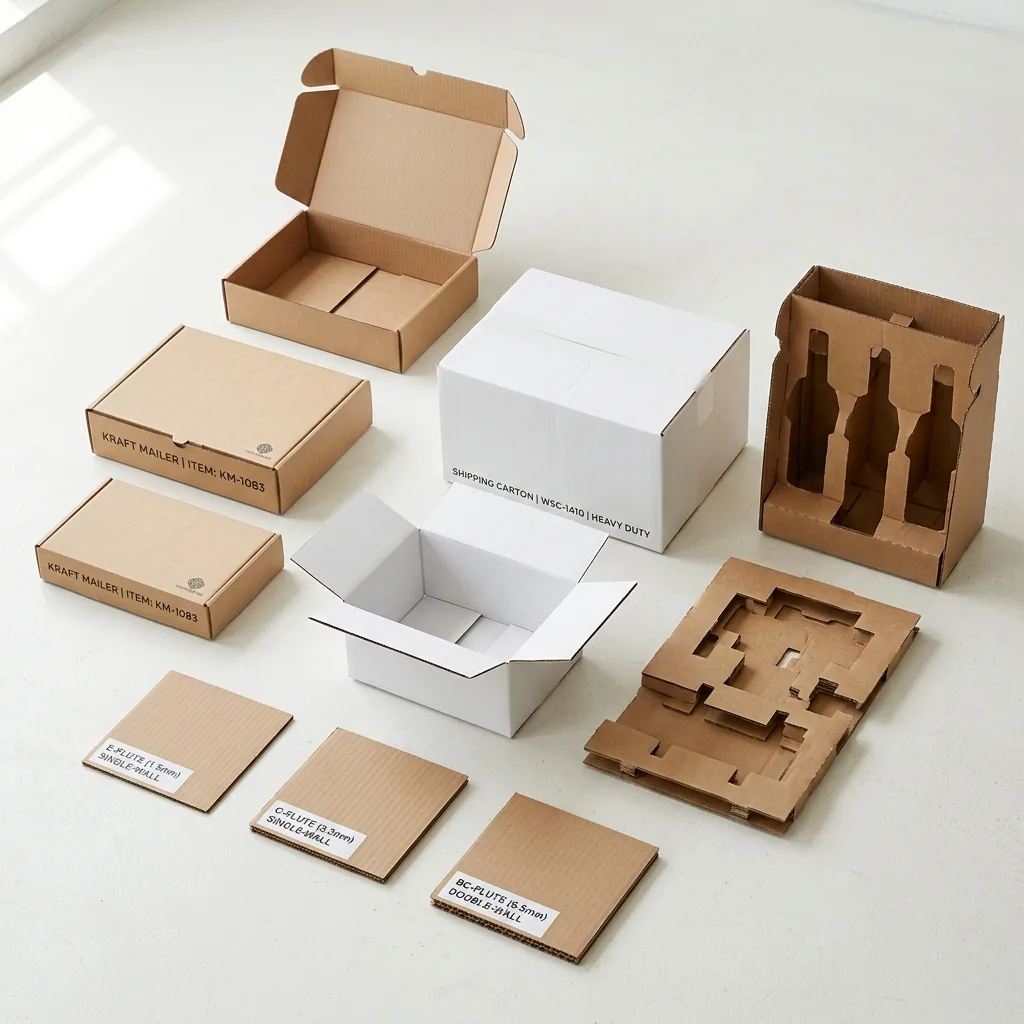 Corrugated Boxes Choose the corrugated box route by shipping risk, product weight, print needs, insert fit, and the opening experience your customer should receive.
 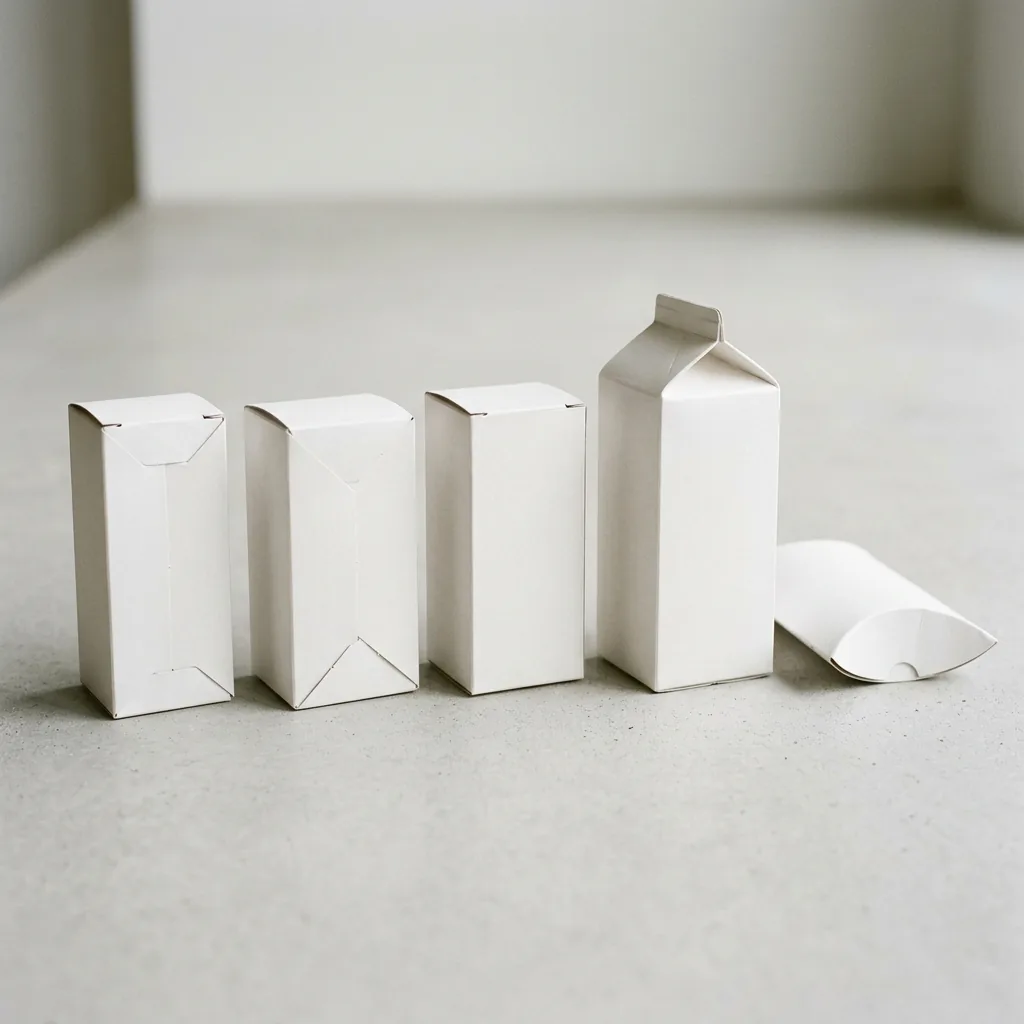 Folding Cartons Compare paperboard carton styles by structure, product fit, material, print area, and production use before choosing a quote-ready packaging path.
 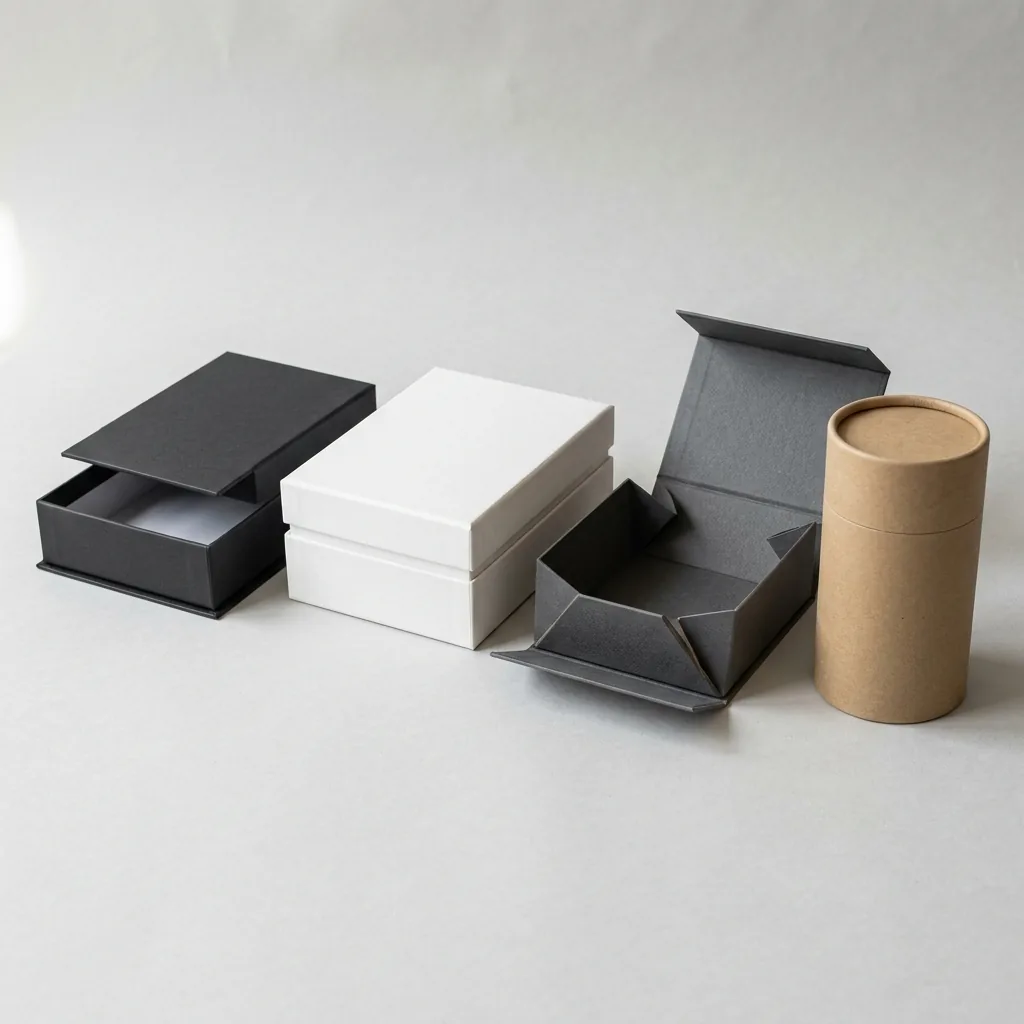 Rigid Boxes Choose rigid boxes when the packaging needs a stronger gift-box feel, durable presentation, premium surface finishing, and a more controlled opening experience.
 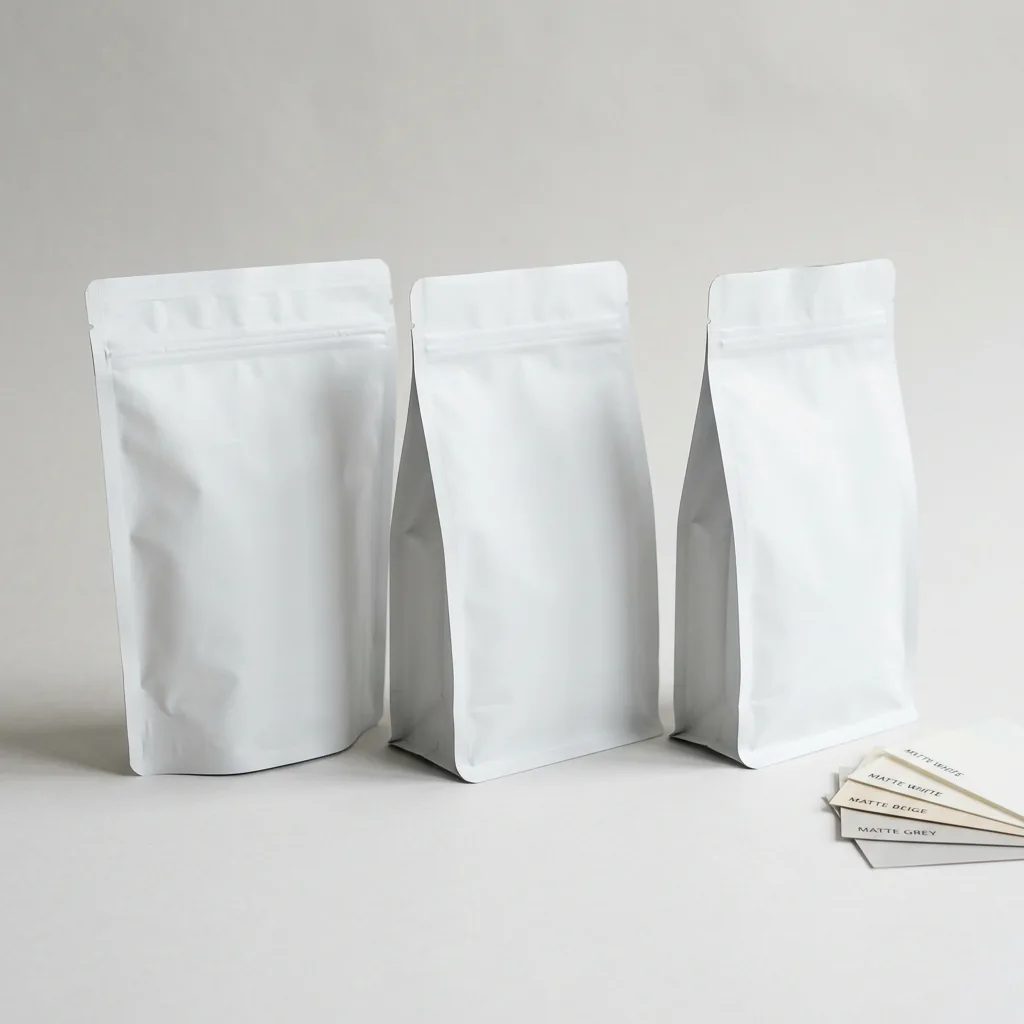 Flexible Pouches Use custom pouches when the packaging needs to stay light, portable, resealable, shelf-friendly, or efficient for food, refills, masks, samples, and pet products.
 Product structures
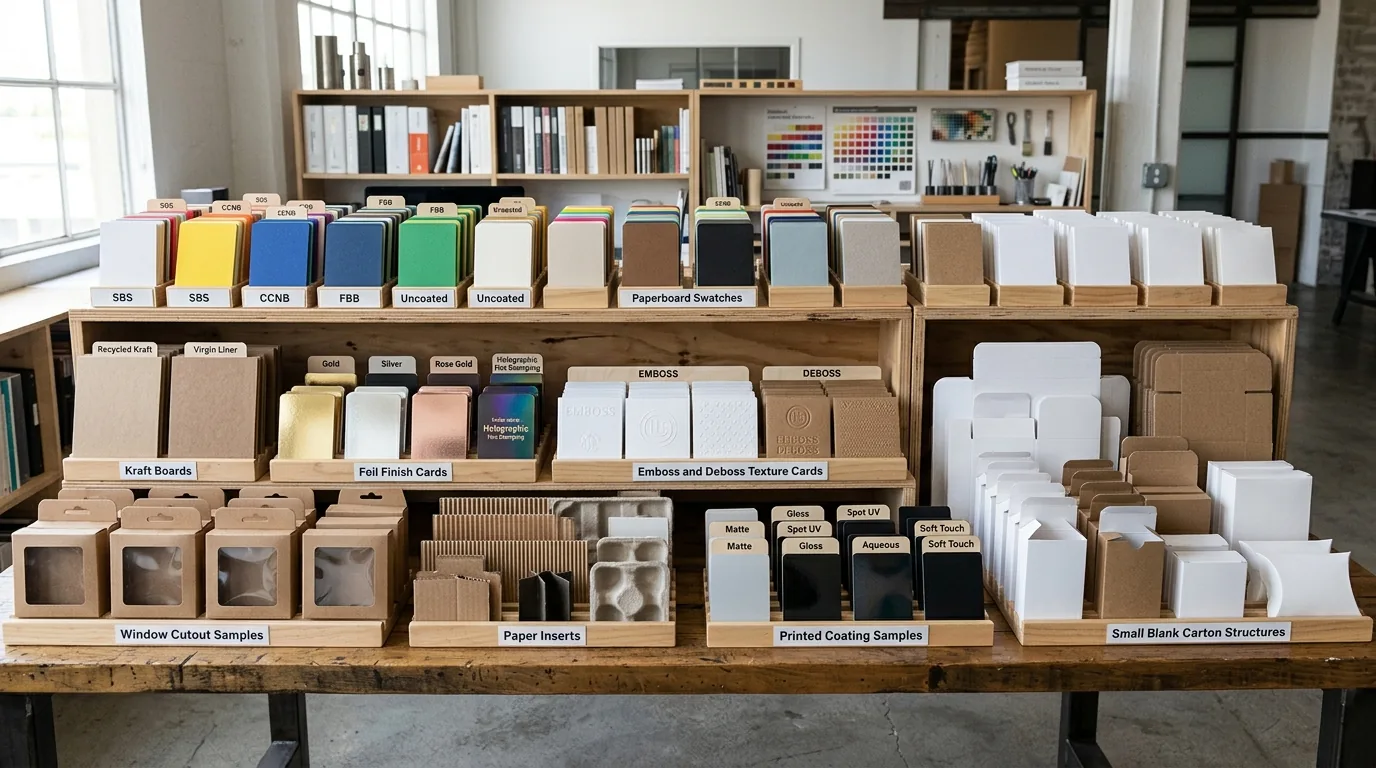
Option Library
Browse materials, print methods, finishes, inserts, and packaging features before choosing a structure.
Browse all options Cosmetics & Skincare Packaging routes for skincare launches, beauty refill sets, cosmetic retail units, and premium PR kits.
  Food & Beverage Packaging Packaging routes for coffee pods, tea, cookies, confectionery, bakery products, snacks, and gift assortments.
  Apparel & Fashion Mailer, pouch, wrap, and gift-ready packaging directions for fashion and lifestyle products.
  Subscription Boxes Packaging ideas for recurring kits, campaign boxes, sample programs, and DTC launch testing.
  Eco-Friendly Packaging Paper-based structures, recycled boards, FSC options, and lower-plastic packaging paths.
 Solution paths
Solution paths
Solution paths
Solution paths
Solution paths
Inspiration Library
Get inspired by browsing creative packaging concepts and see how brands from your industry are designing their packaging.
Browse inspiration library Services overview Compare design, customization, production, and eco support before choosing a project route. Packaging Design Turn a product idea into packaging that is ready for sampling, shelf presentation, and production.
  Packaging Customization Dial in every detail, from board choice and finish to window cutouts, inserts, openings, and small functional touches.
  Packaging Production Move from approved sample to reliable production with global sourcing, low minimums, and pricing built for growing brands.
  Eco Support Build packaging with clearer sustainability choices, including FSC paper, recycled board, soy-based ink, and plastic-reduction options.
Download 2000+ Templates & Dielines
2000+ customizable packaging templates and dielines, with 3D mockups. 100% customizable. 100% downloadable.
Learn more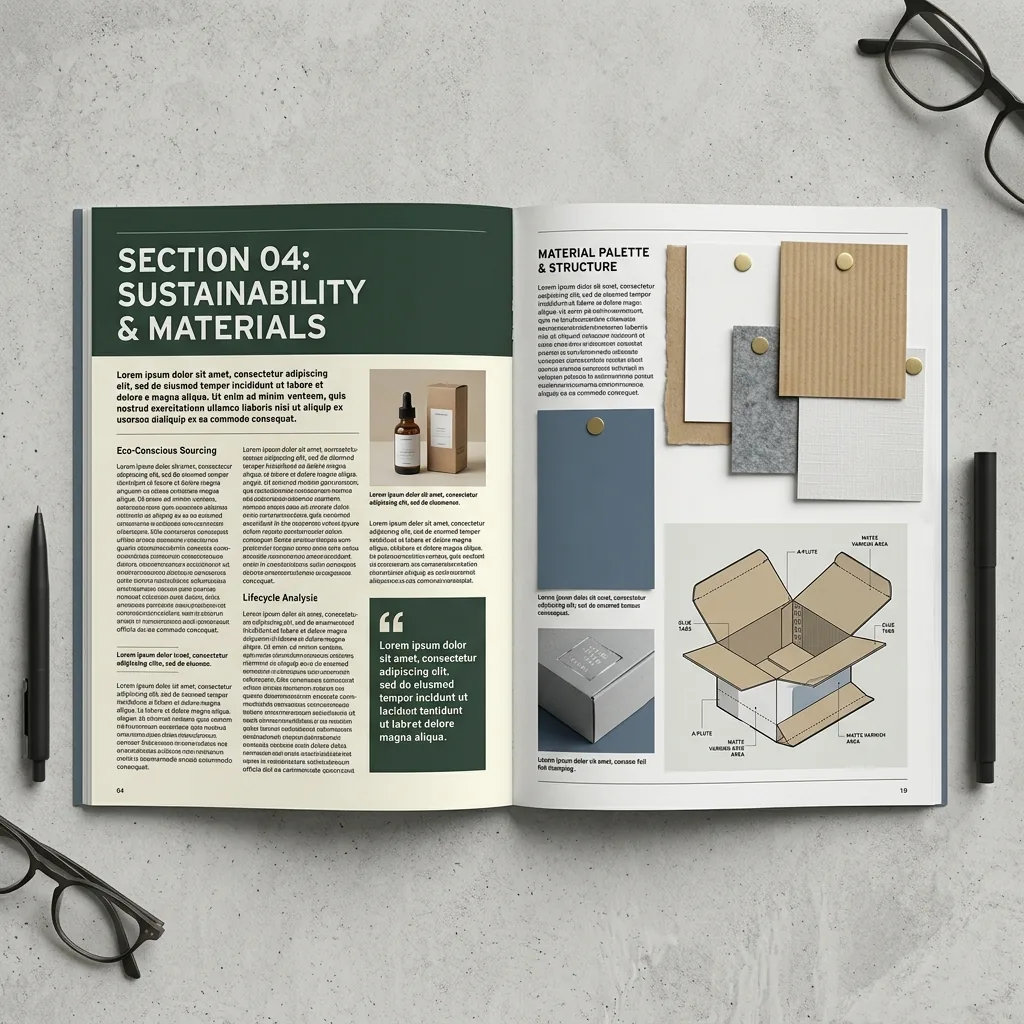 BLOG Read packaging ideas, buyer guides, and material explainers for custom projects.
 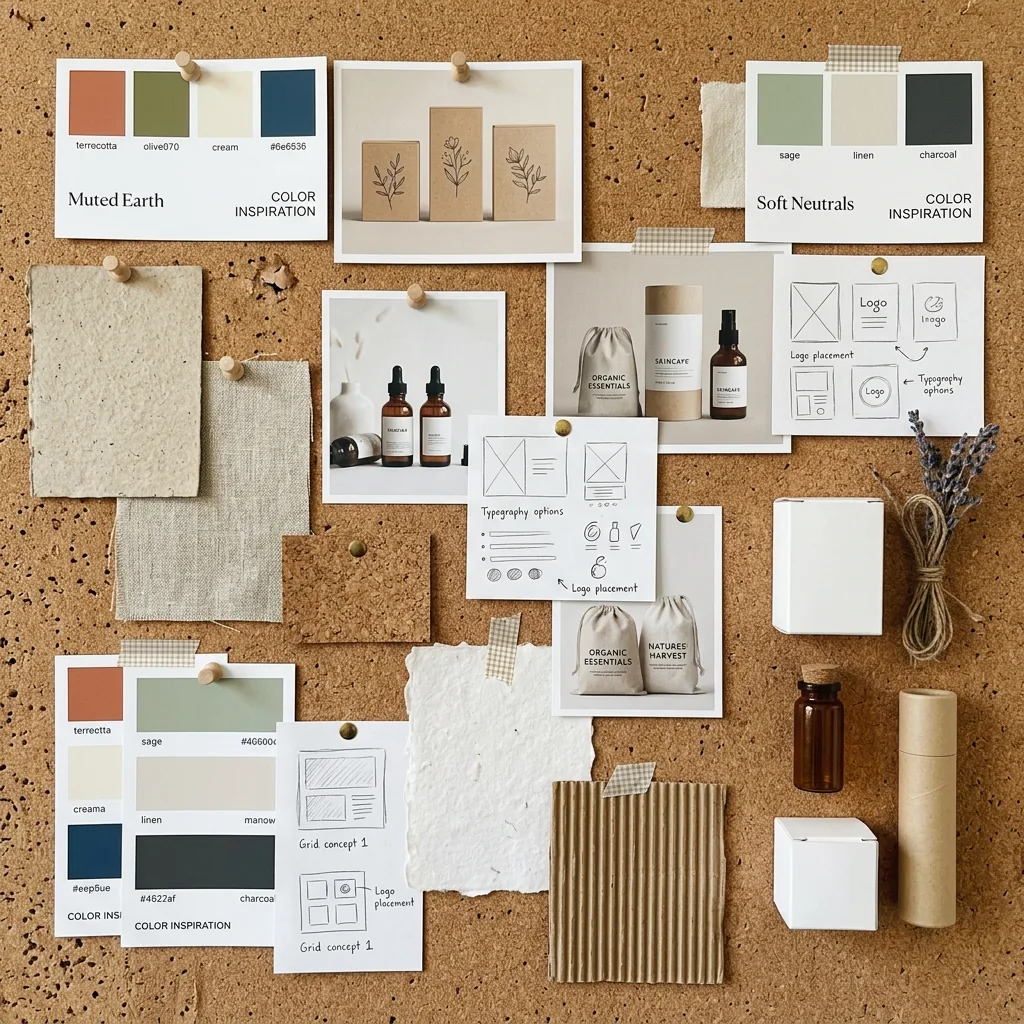 Case Studies Review detailed packaging structures, materials, finishes, fit checks, and production decisions.
 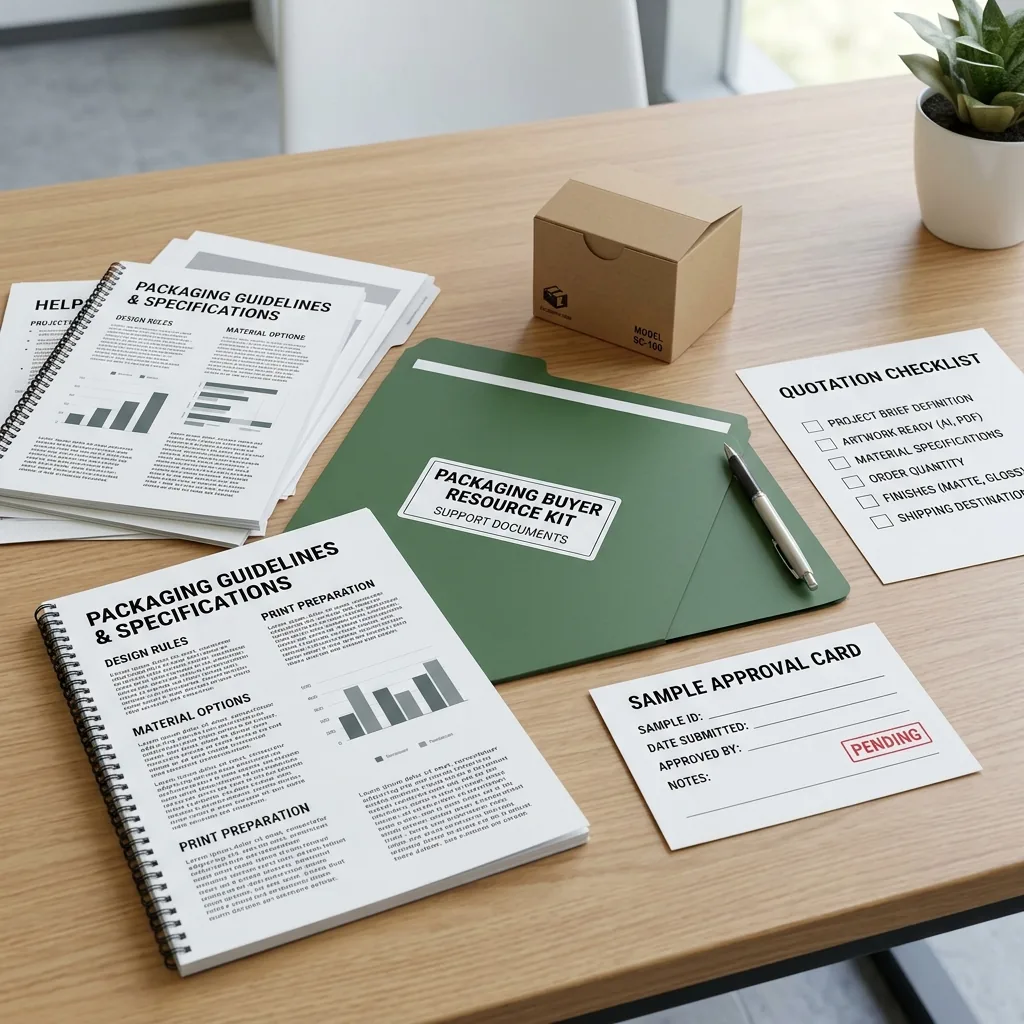 Help Center Find answers for artwork, quotes, samples, production timing, and delivery support. Inspiration Library Browse packaging concepts, industry examples, and launch-ready design directions.
 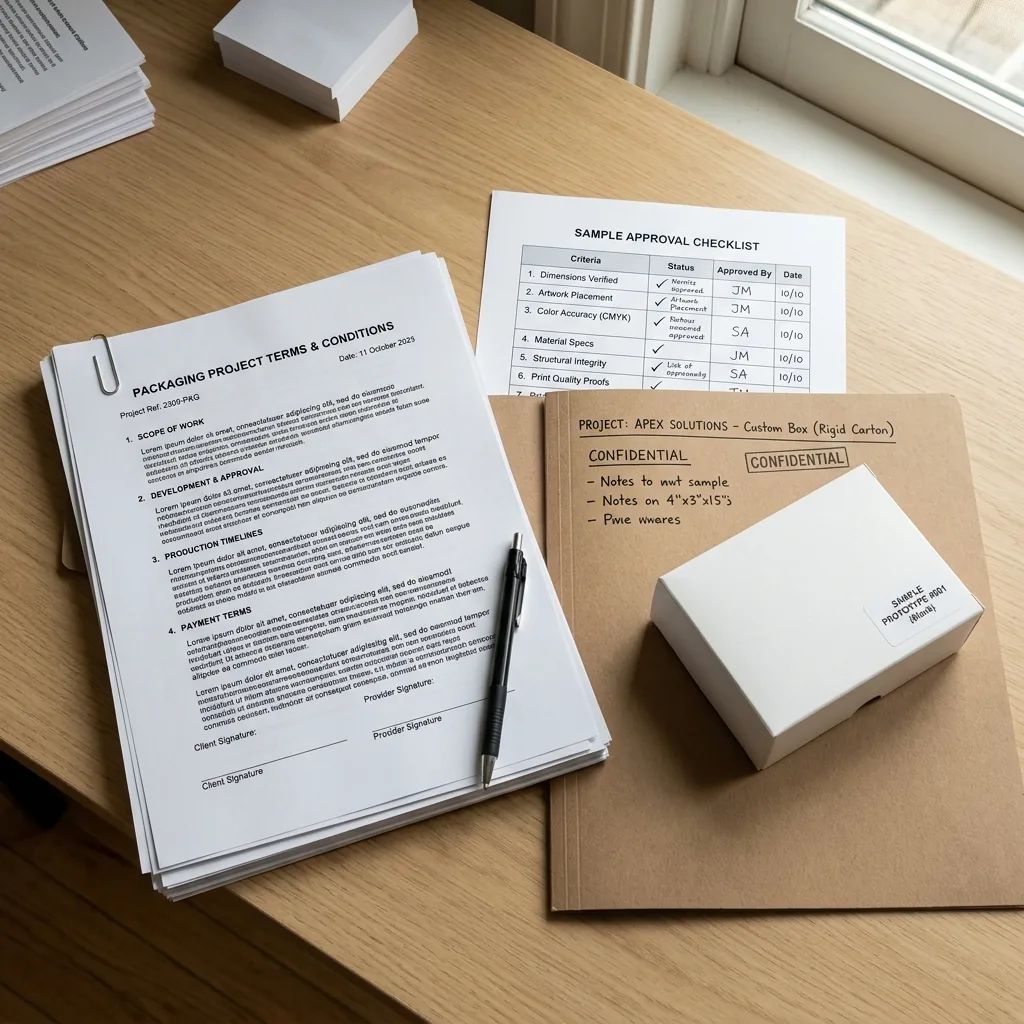 Terms & Conditions Review project, ordering, production, delivery, and website usage terms.
  Privacy Policy See how customer details, quote inquiries, and project information are handled.
Help Center
Get practical answers before you request a quote, from artwork files and sampling steps to production timing, shipping notes, and packaging project details.
Visit help center About YATBRAND Learn how we support custom packaging projects from planning to production.
  Contact Us Share product details, quantities, timelines, and custom packaging goals. Request a quote Send size, quantity, material, artwork, and timeline details for a quote-ready review.
 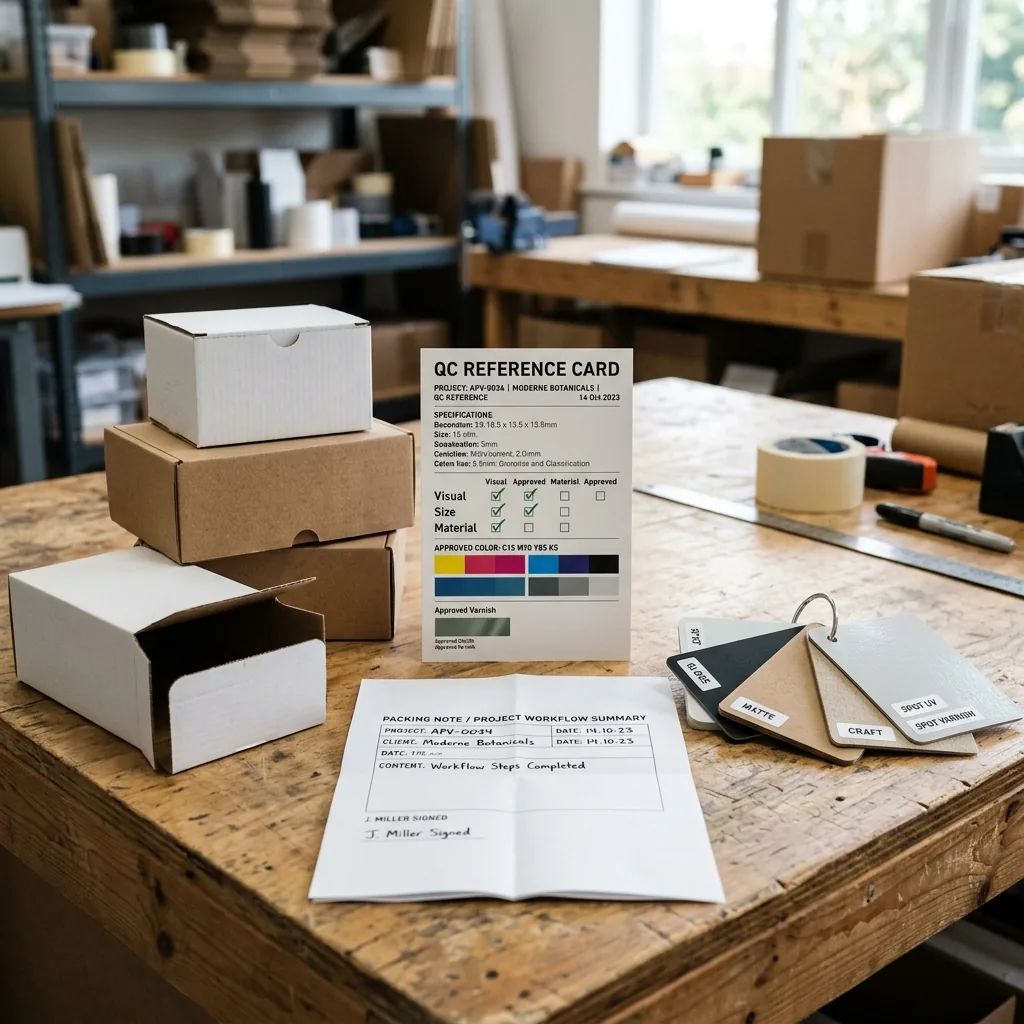 Our Approach See how packaging guidance, samples, production control, and delivery details work together. Quality & Production Review how sampling, production, inspection, and delivery support fit together.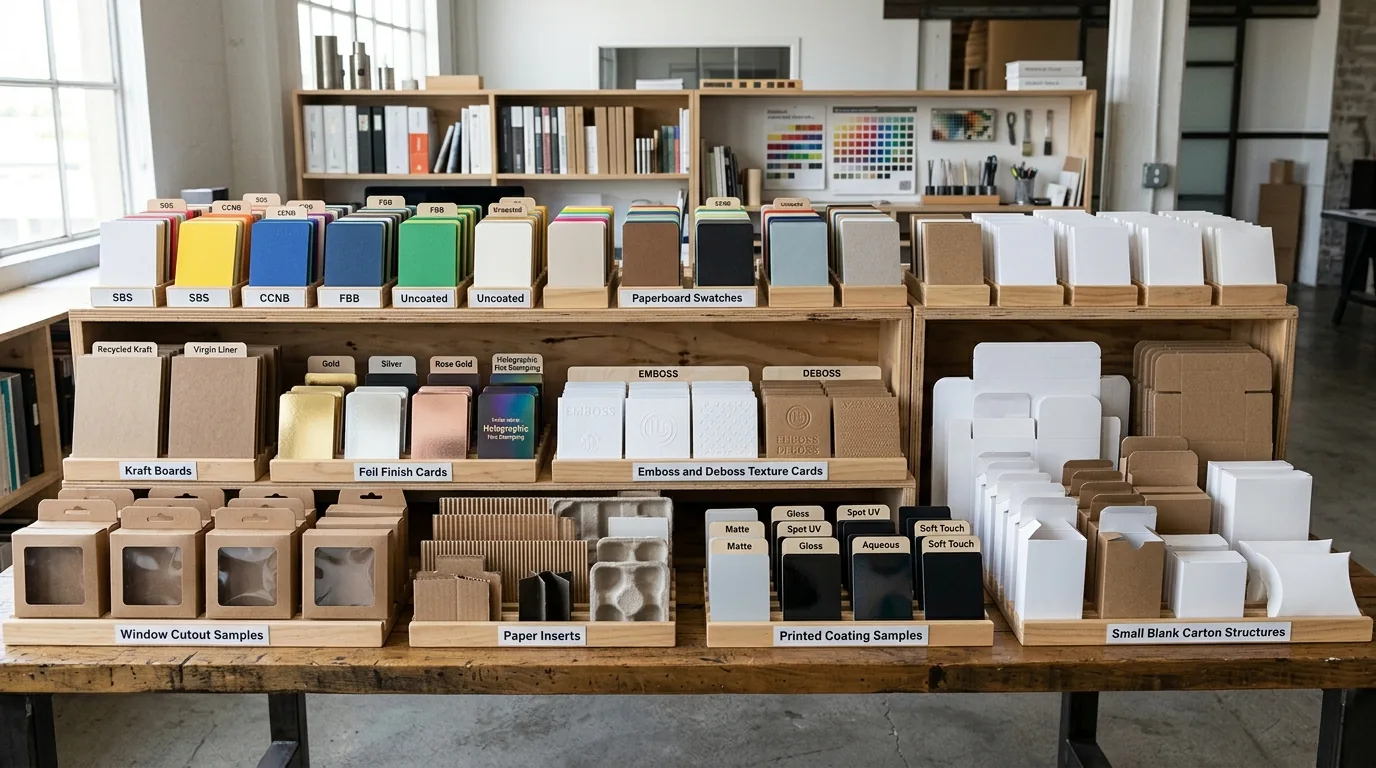
YATBRAND LLC
Custom packaging support for brands that need structure guidance, material options, sampling, quality review, and delivery coordination.
Learn about YATBRAND
Packaging specialist
Ask about structure, materials, samples, or quote details.